
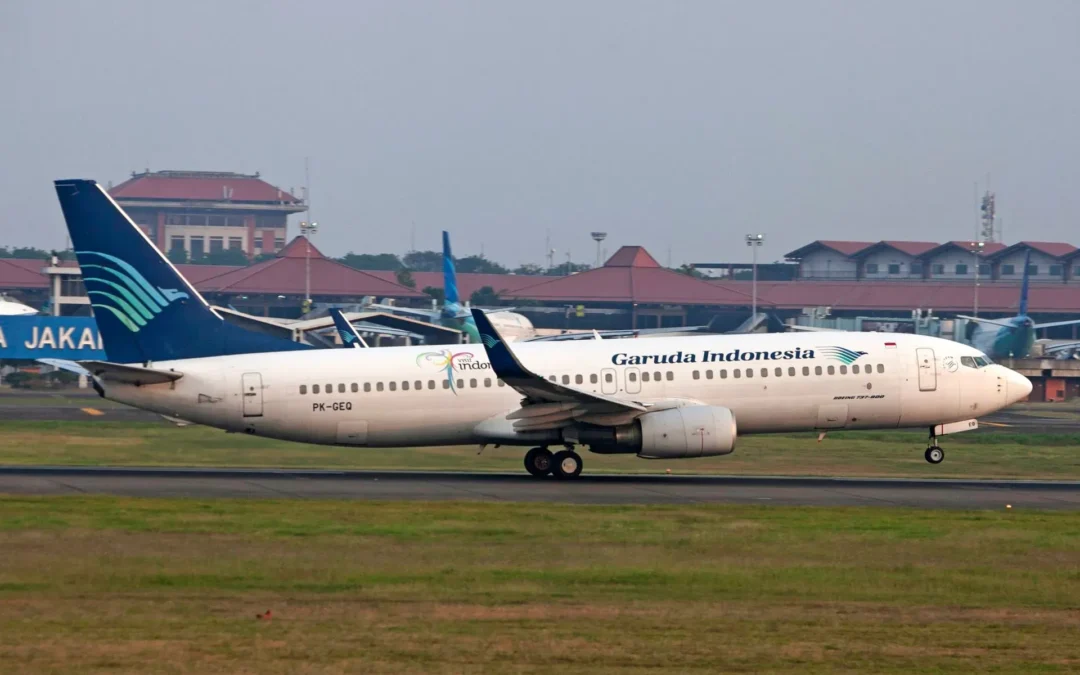
737 Recurrent Training Providers: A Pilot Guide
Choosing among 737 recurrent training providers affects more than where you spend a few simulator sessions. The right center should match your aircraft variant, qualification needs, airline schedule, and budget while providing a controlled environment for practicing high-consequence procedures. A low advertised price may not be the best value if the device does not represent your aircraft or the dates are not dependable.
Contact Las Vegas Flight Academy to compare available 737 recurrent training dates and course requirements.
The strongest 737 recurrent training providers combine FAA Part 142 oversight, an approved recurrent curriculum, qualified instructors, a suitable high-fidelity simulator, and dependable scheduling. Compare ground, flight, emergency, evaluation, travel, and possible additional costs instead of comparing tuition alone.
This guide focuses on choosing the center and training environment. It is distinct from a day-one preparation checklist or a general explanation of recurrent training.
What Should 737 Recurrent Training Providers Include?
737 recurrent training providers should connect aircraft ground instruction, simulator practice, abnormal and emergency procedures, performance feedback, and the required evaluation. Before booking, request a written outline that identifies prerequisites, session content, instructor support, completion records, and what happens if additional training is needed.
A serious recurrent program should connect ground instruction, simulator training, emergency procedures, and the required evaluation into one coherent course. Ask what happens before the first simulator period, which scenarios are included, how the evaluation is handled, and what records you receive afterward.
Ground training should cover systems, limitations, procedures, and performance topics relevant to the course. The provider should explain whether preparation is instructor-led, self-paced, or a combination, and how instructors use that preparation during simulator sessions. Review 737 recurrent simulator and checkride preparation guidance for a separate preparation reference.
Confirm how the course reflects your operating context. Ask how crews brief scenarios, manage workload, and review performance after each event. Debrief quality matters because it turns simulator activity into lessons that can be carried back to line operations. Ask how feedback is documented and whether instructors identify areas needing more practice before evaluation.
Flight training should provide meaningful practice with normal operations, instrument work, systems management, and abnormal or emergency scenarios. Finally, confirm whether the course includes a proficiency check or checkride, who conducts it, and what happens if more training is needed. For a checklist-style companion, review the Boeing 737 recurrent training checklist.
Also ask how instructors and evaluators are assigned. A strong provider can explain the qualifications relevant to your aircraft and the role each person plays in briefing, simulator instruction, assessment, and debriefing. That clarity helps you distinguish a complete recurrent event from a bare block of simulator time.
Request the completion documents before you travel. Confirm what records, sign-offs, or evaluation results you receive, who retains them, and whether your operator needs a specific format. This step is especially important when you are using an independent training center rather than completing recurrent training through your airline.
How Does FAA Part 142 Certification Affect Your Choice?
FAA Part 142 certification is a first verification gate when comparing 737 recurrent training providers. It indicates that the center operates within an approved framework for training, personnel, procedures, records, and training devices. It does not make every provider equally convenient, so confirm the exact program and current certification status.
A Part 142 center operates within documented controls for its training organization. Review the provider’s current certificate and ask which approved recurrent program applies to your training. The FAA’s air carrier training guidance is a useful reference for terminology and curriculum categories.
What does Part 142 tell you about the program?
Part 142 status points to documented training controls. Ask how the center maintains its curriculum, qualifies instructors and evaluators, manages records, and incorporates procedure or regulatory changes. Your airline, operating rules, and qualification status may impose additional requirements, so confirm the final course with the provider and your operator.
Certification is a baseline, not the complete buying decision. You still need to compare the exact 737 model, device capabilities, instructor experience, schedule, evaluation process, and total price. Treat vague answers about certification or course scope as a reason to investigate before committing your recurrent window.
Which Simulator and 737 Variant Should You Compare?
Compare the simulator’s qualification level, exact 737 variant, aircraft configuration, scenario capability, and instructor operating tools. A pilot flying a 737-800 NG should verify that the device represents the relevant aircraft and supports the maneuvers, procedures, and abnormal events required by the approved recurrent curriculum.
Do not assume that every course labeled 737 provides the same training experience. Differences between models and operator configurations can affect the value of a recurrent session.
| What to verify | Why it matters |
|---|---|
| Device level and fidelity | High-fidelity equipment supports realistic procedures, instrument work, handling, and abnormal-scenario practice. |
| Exact 737 variant | Systems, displays, controls, and procedures may differ between 737 models and configurations. |
| Scenario capability | The device should support the normal, abnormal, and emergency exercises required by the approved course. |
| Instructor operating features | Qualified instructors need tools to create, repeat, and debrief relevant training events. |
| Differences training | The provider should explain how fleet or configuration differences are addressed. |
Level D is the highest simulator fidelity category, but the label is only one part of the decision. Confirm that the device supports the maneuvers and procedures you must demonstrate. Ask whether the provider has experience with your operator’s configuration and whether the approved curriculum includes applicable differences training.
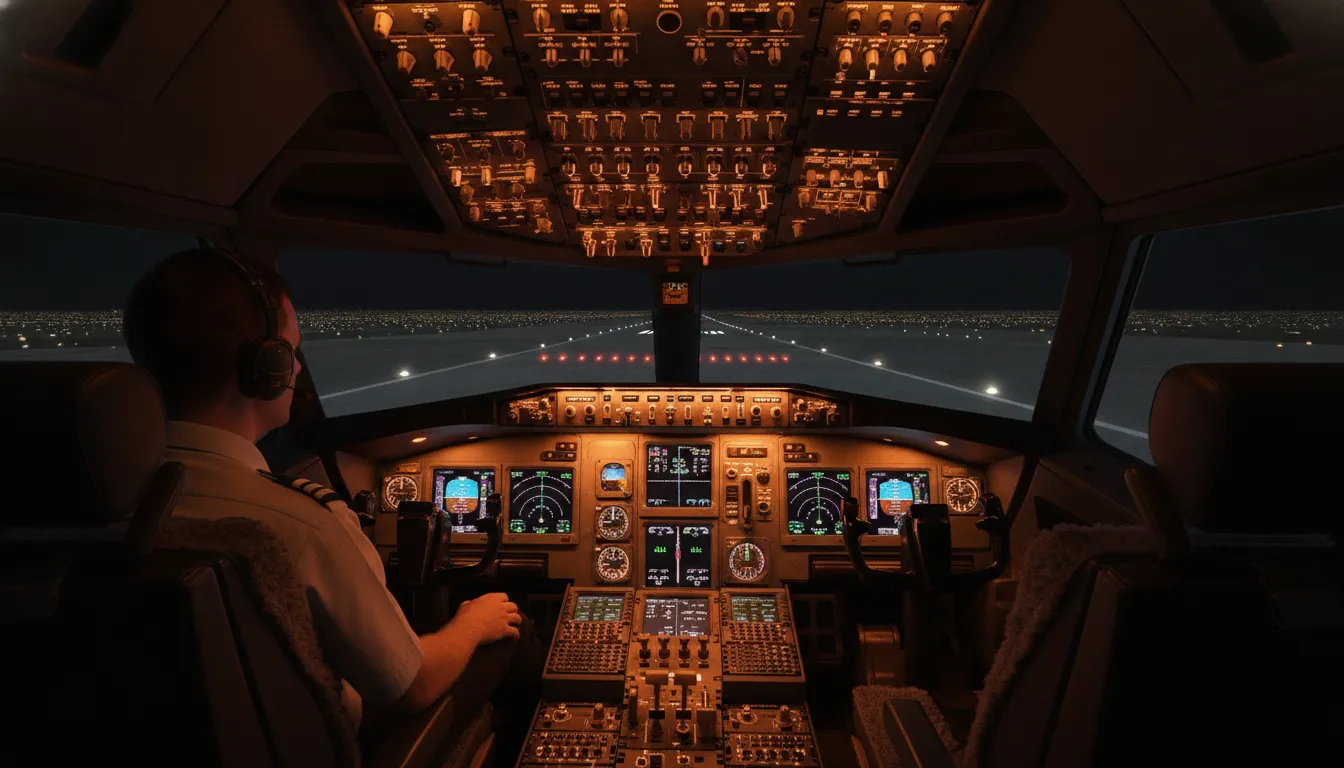
Las Vegas Flight Academy uses an in-house B737-800 NG Level D simulator for recurrent training and type ratings. Pilots evaluating LVFA should confirm that the aircraft representation, course scope, and evaluation fit their current qualification and operator requirements.
How Should You Compare Scheduling, Location, and Cost?
Compare confirmed dates, instructor and simulator availability, travel time, lodging, evaluation fees, extra simulator time, and cancellation terms. The lowest advertised tuition may not be the lowest total cost. A practical provider fits the pilot’s qualification window without sacrificing the preparation and evaluation time the course requires.
For airline pilots, a provider’s schedule can be as important as its simulator. Ask whether the center can confirm dates for ground instruction, simulator sessions, and the final evaluation. Clarify how schedule changes, missed sessions, instructor substitutions, and additional training are handled.
There is a difference between a published start-date calendar and a reserved training plan. Ask when your simulator block becomes confirmed, when instructor assignments are finalized, and who you should contact if your airline roster changes. If you are positioning from another city, build a reasonable buffer around the event.
Some pilots prefer a compact schedule that limits hotel nights. Others need more time between ground instruction, simulator sessions, and evaluation to review procedures. The best schedule supports your preparation and qualification deadline, not simply the shortest advertised duration.
Location affects the real cost of training. Add airfare or positioning, ground transportation, lodging, meals, and the leave or duty time consumed by the trip. Request an itemized total that identifies instruction, simulator time, evaluation fees, materials, administrative charges, dry time, and possible extra training.
For West Coast pilots, Henderson, Nevada can be a practical location depending on home base, airline schedule, and available flights. Las Vegas Flight Academy provides a West Coast option from its focused location. Confirm availability and final pricing directly before making travel arrangements.
When comparing quotes, separate required training from optional services. A provider may describe simulator dry time, extra briefing time, retesting, or travel support differently from another center. Put each item into the same comparison worksheet, then ask the provider to identify any condition that could change the quoted total.
Ask LVFA about available recurrent training dates before you commit to travel or a course deposit.
Why Consider LVFA Among 737 Recurrent Training Providers?
Las Vegas Flight Academy is worth comparing when a pilot wants an FAA Part 142 training center with an in-house Boeing 737-800 NG Level D simulator and a West Coast location. The final choice should still depend on the approved course, aircraft fit, qualification path, dates, evaluation, and complete cost.
Las Vegas Flight Academy is an FAA Part 142 certified aviation training center in Henderson, Nevada. Its recurrent training capability is centered on the Boeing 737-800 NG and an in-house Level D simulator. These are concrete items for current 737 pilots to verify when comparing LVFA with another provider.
The in-house device can support a connected experience from briefing and instruction through simulator work and evaluation planning. Pilots should confirm their aircraft variant, operator requirements, prerequisites, dates, and evaluation details before booking.
LVFA’s Boeing 737 type rating training information is useful for pilots comparing related professional training. Keep initial type-rating objectives separate from recurrent requirements. If your situation involves an extended break from flying, review 737 requalification versus recurrent training and confirm the applicable path with the provider and operator.
Las Vegas Flight Academy’s single focused location may suit pilots who value a West Coast option, but availability and course fit should lead the decision. The best provider is the one whose certification, course scope, simulator, schedule, and total cost match your actual qualification needs.
Before contacting any center, gather the information that affects your training path. Note your current aircraft variant, operator requirements, qualification deadline, preferred dates, and any recent changes in your flying status. Sharing those details helps a provider explain whether its recurrent course is the right fit, without assuming that every 737 pilot needs the same event.
What Questions Should You Ask Before Booking?
Before booking, ask every provider to confirm Part 142 status, aircraft variant, simulator qualification, course content, instructor and evaluator availability, total price, schedule-change terms, and required documents. Written answers let you compare providers on the complete training event rather than on a headline rate.
Use this checklist when speaking with any of the 737 recurrent training providers on your shortlist:
- Is the center currently FAA Part 142 certified? Ask which approved recurrent program applies.
- Which 737 variant and configuration does the simulator represent? Confirm the match with your aircraft and operator.
- What does the curriculum include? Request ground, flight, emergency, evaluation, and records requirements in writing.
- Which simulator and instructors are reserved for my dates? Distinguish confirmed resources from tentative availability.
- What is included in the total price? Ask about evaluation fees, materials, extra simulator time, dry time, and additional training.
- How will the schedule fit my duty obligations? Confirm start dates, course length, changes, and missed-session policies.
- What documents or prerequisites are required? Provide current qualification and aircraft information before arrival.
A provider that answers these questions clearly gives you better information for a safe, efficient decision. Compare the complete training experience, not a single price or simulator label.
How should you evaluate a provider’s instructors?
Ask whether instructors have recent experience with the 737 variant and operating environment represented in your course. You do not need a sales pitch, but you do need a clear explanation of who will brief the event, teach the simulator sessions, conduct the evaluation, and lead the debrief. Experienced instructors should be able to connect simulator exercises with operating procedures without turning the session into an unfocused lecture.
Also clarify how the center handles differences between your airline’s procedures and the provider’s standard course. An FAA-approved curriculum establishes the training framework, while your operator may have manuals, callouts, flows, and checking standards that must be considered. Ask what materials you should bring and which items the center expects to provide. This conversation can reveal gaps before you arrive.
What should you verify after comparing providers?
Before selecting a center, write down the final answers and compare them side by side. Record the certificate status, simulator variant, confirmed dates, instructor and evaluator assignments, included sessions, extra-training policy, total quoted price, and cancellation terms. Keep the provider’s written response with your training records and follow up if any part of the quote changes.
Finally, confirm the decision with the person responsible for your qualification or training records. An independent center can explain its course and capabilities, but your airline or operator determines which training and checking path satisfies its requirements. This final check protects you from booking a course that looks appropriate but does not match your current assignment or qualification status.
Frequently Asked Questions
How often should pilots compare 737 recurrent training providers?
Review providers before each recurrent cycle when your fleet assignment, home base, duty schedule, or proficiency needs change. Confirm dates early because simulator and qualified-instructor availability can affect the training window.
What should 737 recurrent training providers include?
Look for ground training, flight training, emergency procedures, and the required proficiency check or checkride. Ask for a written course outline and confirm how the provider documents completion.
How do 737 recurrent training providers differ by simulator?
Compare device level, aircraft variant, systems representation, scenario capability, instructor tools, and experience with your configuration. A 737-800 NG pilot should verify that the simulator and course are relevant to that aircraft.
What should pilots ask 737 recurrent training providers about cost?
Request a complete price that identifies instruction, simulator time, evaluation fees, materials, dry time, possible extra training, and cancellation terms. Add travel and lodging to understand the real cost.
Contact Las Vegas Flight Academy to discuss your 737 recurrent training requirements and available dates.