
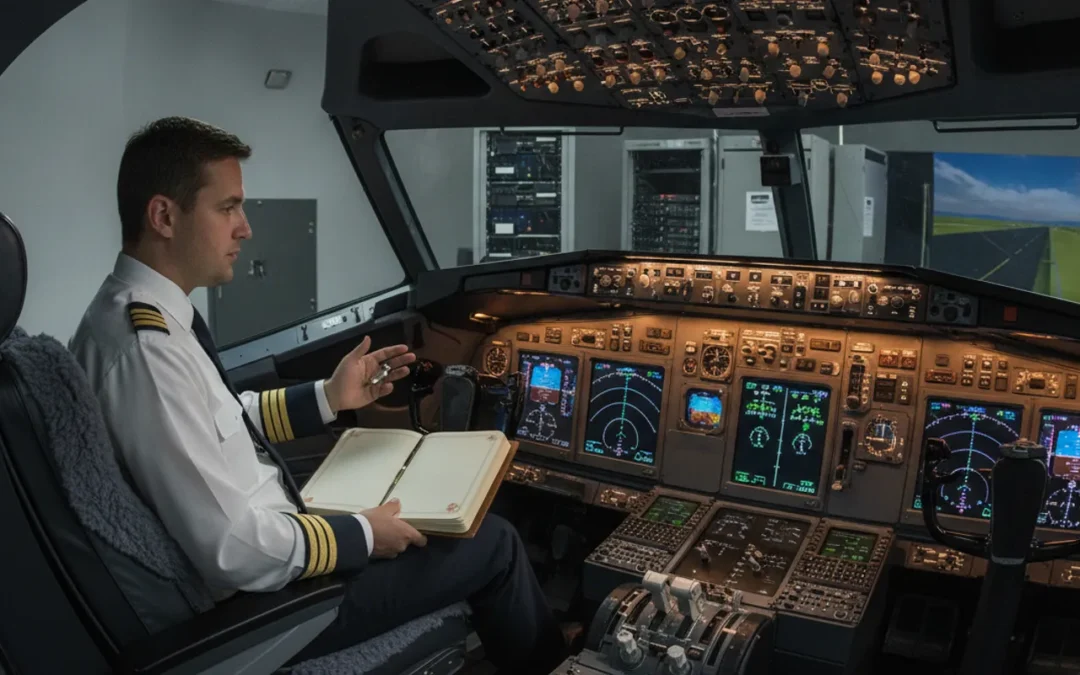
Preparing for 737 hydraulics simulator training is less about memorizing isolated component names and more about understanding how the system supports aircraft operation, how indications help you assess its status, and how to organize your thinking when a scenario changes. A structured review can help you arrive ready to connect systems knowledge with instructor-led practice. Always use the current, approved aircraft and operator materials for the specific 737 variant and procedures you will train in.
What should 737 hydraulics simulator training help you understand?
Hydraulics study is most useful when you can explain relationships, not just recite labels. Before simulator sessions, aim to build a mental map of the system: where hydraulic power comes from, how it is distributed, which aircraft functions depend on it, what the flight deck shows you, and what approved procedures direct the crew to do when an abnormal condition occurs.
The simulator is a place to apply and refine that understanding with an instructor. It is not a substitute for the aircraft flight manual, the operator’s procedures, or the training provider’s current course materials. Exact equipment, indications, and procedures can vary by aircraft configuration and operator. If a diagram, memory aid, or online explanation conflicts with your approved material, set it aside and ask your instructor to clarify.
Las Vegas Flight Academy offers Boeing 737 initial and recurrent training. Pilots can review the academy’s broader guide to FAA Part 142 training to understand the training-center context.
How can you organize your 737 hydraulics study?
Start with a single approved system diagram for the aircraft you expect to train in. Do not begin by collecting several diagrams from different variants or third-party sources. Use the diagram to follow each system from its power sources through its distribution and to the components it serves. Then check the associated descriptions and limitations in your approved material.
- Identify the system groups. Note the system names and how the material distinguishes normal, alternate, or standby functions. Confirm the exact terminology and configuration for your aircraft.
- Trace the power path. For each system, identify the sources and the major elements that deliver power. Focus on the flow and purpose rather than trying to memorize every line on the first pass.
- Connect systems to aircraft functions. Mark the functions and components supplied by each system, using only the current aircraft documentation. Note where the diagram shows shared dependencies or alternate capability.
- Find the crew interface. Locate the relevant flight deck indications, controls, cautions, and alerts in approved references. Learn what information is presented, but do not infer a response from an indication without checking the applicable procedure.
- Turn unknowns into questions. Write down any unclear relationship, limitation, or procedural reference. Bring those questions to the instructor instead of filling gaps with guesses.
A useful study note can fit on one page: system name, its role, key dependencies, indications to understand, and the reference where the approved procedure is found. Keep the notes as a learning aid, not as a replacement checklist or a self-created operating procedure.
Which hydraulic concepts are worth reviewing before the simulator?
Review the foundational concepts that help you interpret a changing situation. First, distinguish pressure from quantity. They describe different aspects of system status, and the aircraft’s documentation explains how its indications should be interpreted. Avoid assuming that one indication alone proves the condition of every component or system.
Next, understand system separation and redundancy as presented in the approved diagrams. Ask what is independent, what is shared, and which functions have another source or mode of operation. Redundancy does not mean that every function remains available after every failure. The approved system description and procedure define the applicable limits.
Also review system demand and dependencies. A scenario may involve more than one indication or aircraft function. Knowing which components rely on which system helps you organize the information, but it does not authorize you to predict a specific outcome outside the material. The FAA’s Learning Center Library includes training material that references hydraulic pressure limits and simulator familiarization, reinforcing the value of studying system limitations through formal learning resources.
Finally, understand the difference between a system fact and a crew action. A diagram may explain how equipment is arranged; a procedure tells the crew what to do under defined conditions. Keep the two linked in your study, but do not create actions from a diagram alone.
How do indications and procedures fit together?
Good preparation connects what you observe with the approved method for assessing it. Use the aircraft references to identify the relevant indications and the conditions under which alerts may occur. Then locate the associated procedure and read its cautions, notes, decision points, and follow-up requirements in context.
For each item you review, ask yourself three questions:
- What is the indication telling me? State only what the approved material supports.
- What other information matters? Consider the related indications or aircraft effects identified in the training material, rather than narrowing your attention to one display.
- Where is the approved response? Be able to find the correct checklist or procedure promptly. Do not rely on a remembered summary when the approved reference is required.
Simulator practice can help you rehearse disciplined information gathering and crew coordination. A NASA report on flight-simulation scenarios describes how an unexpected warning can invite confirmation bias, illustrating why pilots should assess the whole situation rather than dismiss an indication based on an initial assumption. Read the NASA flight-simulation scenario report as background, not as a substitute for 737-specific approved procedures.
How can you prepare for abnormal scenarios without guessing?
Pre-study should make you more careful, not more confident in unsupported conclusions. Avoid trying to memorize a list of imagined failures or searching for a shortcut that promises to predict every simulator event. Your instructor and approved training materials define the scope, scenarios, and expected actions for your course.
Instead, practice a repeatable learning sequence using the materials provided for training: identify what changed, gather the relevant indications, communicate clearly with the other crewmember, find the applicable procedure, and follow the instructor’s direction. This is a study framework, not a checklist and not an instruction for operating an aircraft.
Consider how you will manage uncertainty. If an indication is unfamiliar, say so and use the resources provided. If an apparent system failure affects another area, review the documented relationship before deciding what it means. If two sources seem inconsistent, stop and ask for clarification. That approach is safer and more useful than forcing a quick answer from memory.
For additional context, the FAA’s 14 CFR Part 60 sets requirements governing flight simulation training devices. The device is a structured training environment; the exact tasks and procedures remain tied to the applicable course and approved aircraft materials.
What should you ask your instructor before simulator time?
Use the briefing to resolve questions that can make your study more focused. You might ask:
- Which 737 variant and system configuration should I use for preparation?
- Which approved manuals, diagrams, and course materials should take priority?
- Which hydraulic system concepts are expected knowledge before the session?
- Which indications or procedures should I locate in advance, and which will be introduced during training?
- How should I handle a difference between a generic reference and the training materials for this aircraft?
- What crew-coordination behaviors should I focus on during the exercise and debrief?
These questions keep preparation aligned with the actual training objectives. They also help prevent a common study problem: spending hours learning details that do not match the aircraft configuration, course stage, or approved reference used in the simulator.
Pilots comparing pathways can explore the academy’s ATP-CTP and 737 training guide and its overview of initial 737 type-rating preparation. For recurrent training questions, consult the relevant Boeing 737 training information.
How can you make your study notes useful?
Notes work best when they help you return to authoritative material quickly. Keep them concise, label the aircraft configuration they apply to, and include a manual or course reference for each important point. Separate a confirmed fact from a question you still need to verify.
| Study item | What to capture | How to use it |
|---|---|---|
| System diagram | System names, power path, and documented relationships | Trace how the approved material describes the system; confirm the variant. |
| Indications | Where to find each indication and what the reference says it represents | Use it to guide information gathering, not to invent a response. |
| Procedures | Procedure title, reference location, and questions for the instructor | Read the complete approved procedure in context during training. |
| Open questions | Unclear terms, dependencies, or apparent conflicts between sources | Bring them to the briefing or debrief for resolution. |
Review your notes briefly before the session, then put them aside when your instructor directs you to use the simulator materials or checklist. Afterward, write down concepts to revisit and clarify them with the instructor. A short, verified note is more valuable than a long collection of unconfirmed details.
What common preparation mistakes should pilots avoid?
Mixing aircraft variants can create confusion when system layouts, equipment, or procedures differ. Keep your preparation tied to the assigned aircraft and course materials. If the variant is not clear, ask before studying deeply.
Relying on unofficial memory aids can leave out limitations or context. Use official references for technical claims and procedures. Treat videos, forums, and informal summaries as unverified unless your instructor specifically directs you to them.
Memorizing actions without understanding the cues can make it harder to respond when a scenario changes. Learn where the procedure is, what condition it addresses, and how the relevant indications fit into the approved training material.
Overfocusing on component trivia may crowd out the bigger picture. Prioritize system architecture, functions, indications, limitations, and how to find the approved procedure. Ask your instructor which technical detail deserves more attention.
Practicing a procedure from memory outside its context risks turning a study exercise into an inaccurate habit. Do not rehearse aircraft actions based on generic content. Follow your formal training, current approved references, and instructor guidance.
How does hydraulics preparation fit into 737 training?
Hydraulics is one part of learning to manage a complex aircraft. The goal is not to isolate it from flight controls, indications, crew communication, or the larger scenario. As training progresses, instructors can help you connect those elements in the context of the aircraft and exercise.
Before arriving, confirm the course information, assigned aircraft materials, and any preparation instructions with the provider. Las Vegas Flight Academy describes its training-center background and provides details about its Boeing 737 type-rating training. Specific availability and course details should be confirmed directly with the academy.
Contact the academy about 737 training
Frequently asked questions about 737 hydraulics simulator training
What should I study first for 737 hydraulics simulator training?
Begin with the approved system diagram and the material for the specific 737 variant you will train in. Trace the system groups, power sources, functions, indications, and relevant procedure references. Ask your instructor to resolve any uncertain or conflicting information.
Do I need to memorize every hydraulic component before simulator training?
Follow the preparation requirements set by your course and instructor. In general, prioritize understanding the system relationships and knowing where to find approved information rather than memorizing details without context.
Can online videos replace aircraft manuals for 737 hydraulics simulator training?
No. Online material may describe a different aircraft configuration or omit limitations and procedural context. Use the current approved aircraft and operator materials supplied for your training, and verify questions with your instructor.
What should I do if a simulator indication does not match what I expected?
Do not force an explanation based on memory. Gather information as instructed, communicate with the other crewmember, and use the approved procedure and instructor guidance. Discuss the difference during the debrief so you understand what the exercise was designed to teach.
A focused review of system relationships, indications, limitations, and approved references can make simulator preparation more effective while leaving aircraft-specific procedures where they belong: in formal training and current approved materials.