
Military flight logs must go through a strict legal shift before an airline can hire you to fly. Your tactical hours are highly valuable, but you must still meet specific civilian training benchmarks.
A military pilot transition to airline careers needs several key steps, starting with the FAA-mandated Airline Transport Pilot Certification Training Program (ATP-CTP). This course is required for all military pilots who want to earn their ATP, even if they have thousands of hours in heavy jets. If you are starting this journey, you can read our complete military pilot to airline pilot transition guide to understand the entire process. The program bridges the gap between tactical flights and airline cockpits by focusing on safety, systems, and standard rules. While you do not need an FAA medical certificate to start the class, you must finish the training before taking your ATP written test. Finishing this course at a Part 142 school meets the rules under FAR Part 61 and opens a clear path to a commercial jet.
How do you turn your years of military service into a civilian pilot career? This guide answers that question by looking first at How Military Experience Translates Under FAR 61.73 so you can claim your commercial certificates. The path begins with
Military Pilot Transition To Airline: How Military Experience Translates Under FAR 61.73
Military flight training is great, and the FAA respects your skills. Under FAR 61.73, there are special rules for armed forces pilots who want civilian pilot certificates. This rule means you do not have to start from scratch. Your military flight experience fulfills many civilian license requirements. This makes a military pilot transition to airline fast and easy.
Your military flight experience is also the basis for your airline pilot career. In the military, you fly advanced aircraft and learn to work in a high-stress cockpit. These hours count directly toward your civilian ratings. By using your military time, you save thousands of dollars on civilian flight school.
The military competency knowledge test
Under US rules, military pilots may apply for civilian licenses based on military skills. To do this, you do not need to take a practical flight test. Instead, you must pass a single written test. This test is the military competency exam. Passing this test gives you a commercial pilot certificate. You will also get an instrument rating if you have military instrument flight time.
The written test is not hard if you prepare well. It contains questions on air traffic rules, weather, and safety. Most military pilots can study on their own and pass the test on their first try. Once you pass, you can take your test results to an FAA office or a civilian flight school. They will process your files and print your commercial certificate.
Documents required for civilian ratings
To get your new FAA license, you must prove your flight time and status. The FAA needs official military records to check your history. Air Force and Navy pilots must use AF Form 8 to verify flight experience. Army pilots must provide their DA-759 logs. These military flight records prove that your hours meet civilian pilot requirements.
You also need to show that you are an active pilot or have been within the past twelve months. If you are retired, you must show your discharge papers or civilian logbooks. You must submit all of these papers through the online FAA portal. A civilian examiner will review your files to check that everything is correct. This step is vital to ensure you get the proper credit for your hard work in the cockpit.
Earned certificates and instructor flight time
Once the FAA approves your paperwork, you will receive your commercial pilot certificate. This license lets you fly for hire in the civilian world. If you were a military flight instructor, you get a big bonus. You can apply for a civilian flight instructor certificate under these same rules. Your military instructor time can yield civilian CFI ratings without a full flight test. This rating is a great tool if you want to teach other pilots or build hours.
Do Military Pilots Still Need ATP-CTP?
Yes, military pilots still need to complete the Airline Transport Pilot Certification Training Program (ATP-CTP). Your military flight experience is highly valued by major carriers, but it does not waive this FAA training. If you want to make the military pilot transition to airline jobs, this course is a mandatory first step. It is the foundation for your next career.
Federal Mandates for ATP Applicants
Under federal regulations, every pilot aiming for a multi-engine airline transport pilot certificate must take this course. Your hours flying high-speed jets or heavy transports do not waive this rule. Even if you already hold a commercial pilot certificate, you cannot bypass this step. The FAA requires this program to ensure all airline pilots have a shared foundation in safety. You must finish the training before you can take the ATP written exam. This rule makes the course your first major milestone as you prepare to enter the civilian sector.
Bridging the Gap to Airline Operations
Military flying is elite, but civilian flight operations use different rules. The ATP-CTP course serves as a practical bridge. It helps you shift from tactical habits to the structured environment of a passenger jet. Civilian jets fly in busy airspace with unique flight paths. This training teaches you to navigate these routes with ease. You will learn how commercial carriers manage cockpit duties. This ensures a safe transition to your new role.
The simulator sessions focus on multi-crew operations and airline standard procedures. You will practice crew resource management to share duties in a busy cockpit. As you plan your military pilot transition to airline jobs, learning these standards is vital. It prepares you to pass your heavy jet training and work well with other crew members.
Rules for Written Exams and Medicals
Many transitioning aviators have questions about flight physicals. But you do not need an FAA medical certificate to start ATP-CTP training at a Part 142 school. This means you can begin your ground school and simulator sessions without delay. You can even take the training while still on active duty. This allows you to finish the course before you officially separate from the military. You can resolve your civilian medical needs while you complete your classroom studies.
You will need a first-class FAA medical certificate before taking your final ATP checkride with an examiner. Checking the ATP-CTP course requirements early helps you plan each step. It ensures you have all your paperwork and certificates ready on time. This keeps your transition on track and avoids last-minute scheduling delays.
What the ATP-CTP Curriculum Looks Like for Prior-Service Pilots
The path to a commercial cockpit has clear rules. For many, a military pilot transition to airline career starts with the Airline Transport Pilot Certification Training Program (ATP-CTP). As an FAA Part 142 ATP-CTP provider under federal rules, Las Vegas Flight Academy offers this training at its Nevada facility. The course prepares former service aviators for the demands of civilian air transport.
Ground school and academic concepts
Ground school consists of 32 hours of academic training. This classroom phase covers high-altitude aerodynamics, meteorology, and adverse weather. For example, you will learn how high-altitude weather affects jet engines and swept-wing flight. Pilots also study crew resource management and navigation in a multi-pilot crew. These lessons give you the vital knowledge needed for the next phase.
Military flight training is great, but civilian airlines operate in a new way. The academic classes bridge this gap. You will learn to use standard airline checklists and operate under part 121 rules. The 32 hours of classroom work ensure that you understand the core physics of heavy jet operations before you ever step into a simulator.
Flight simulator training details
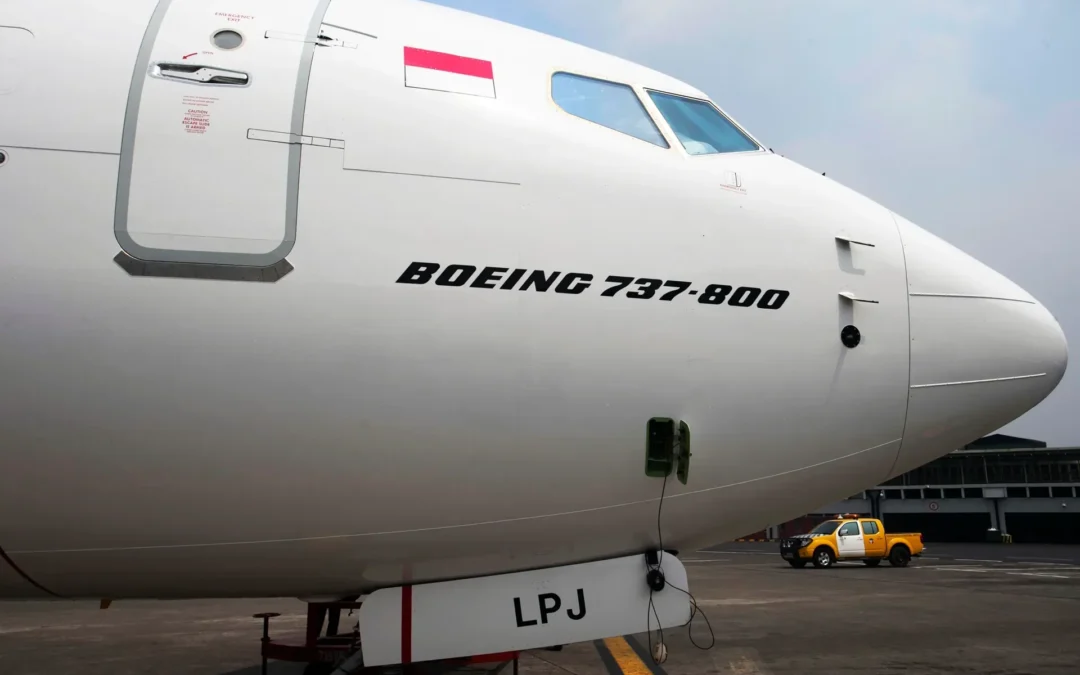
The simulator part of the course is where you apply your ground school knowledge. It includes training in both a fixed-base device and a full-motion Level D Boeing 737-800 simulator. You will complete six hours of full-motion simulator training. These sessions focus on multi-crew operations and standard operating procedures. You will learn to work as a team in a two-pilot cockpit, which is a major shift for single-seat military pilots.
Simulator training is key for learning commercial flight profiles. In the simulator, you will practice normal procedures, such as takeoffs and landings, along with emergency cases. You will also learn to handle system failures and severe weather. The training helps you adapt to the slower, heavier feel of a large jet transport aircraft compared to agile military jets.
A fixed standard for all pilots
Former military pilots bring a lot of skill to the table, but the ATP-CTP follows a strict format. Las Vegas Flight Academy does not change courses for each pilot’s needs. The training uses a fixed, FAA-approved curriculum that is the same for every pilot. Whether you flew fighters or transports, you will go through the exact same course. This structure ensures that all pilots meet the high standards of the FAA.
Taking this structured course is a vital milestone. You can read more about the ATP-CTP course to learn how it fits into your transition. After you finish the program, you will be ready to take the ATP multi-engine written exam. This training sets a solid base for your future career with a commercial airline.
The 750-Hour Restricted ATP Advantage for Military Aviators
Transitioning to a commercial cockpit is a major milestone for service members. As you plan your military pilot transition to airline roles, the FAA offers a major shortcut. This is the Restricted Airline Transport Pilot (R-ATP) certificate. It allows you to enter the airline industry with far fewer hours than a civilian.
| Requirement | R-ATP (Military) | Standard ATP |
|---|---|---|
| Total flight time | 750 hours | 1,500 hours |
| Cross-country time | 200 hours | 500 hours |
| PIC time | 250 hours | 250 hours |
| Night time | 100 hours | 100 hours |
| Instrument time | 75 hours | 75 hours |
| Multi-engine time | 50 hours | 50 hours |
| Minimum age | 21 | 23 |
| ATP-CTP required | Yes | Yes |
| ATP written exam | Yes | Yes |
Lower Flight Hour Minimums
Civilian pilots must log 1,500 hours of total flight time before they can earn an ATP certificate. But military aviators get a special waiver under federal aviation regulations. You can qualify for your certificate with just 750 total hours. This halves the flight time you need before you can apply to fly for an airline.
This rule shows the high value of your military flight training. The structured training and strict standards you faced in the service prepare you for commercial work much faster. So, you can start your career as a first officer much sooner than civilian pilots. Knowing the restricted ATP requirements guide helps you plan your exit strategy.
Other Rules You Must Meet
The lower hour minimum is a big help, but you must still meet other rules. To earn your R-ATP, you must be at least 21 years old. You must read, speak, write, and understand the English language. You also need a first-class medical certificate before you take your final checkride.
You must pass the ATP-CTP course and the written exam before you can earn the rating. This includes 32 hours of ground school and simulator training. You can find more detail in our airline pilot requirements checklist to verify each step. Having these ready keeps your transition on track.
Hours Built by Aircraft Type
Military pilots build hours at different rates based on their aircraft type. Fighter pilots often fly only 150 to 250 hours each year. This means a ten-year career might yield 1,500 to 2,500 total hours. But airlines highly value your tactical skills.
If you fly transport or tanker planes, you will build hours much faster. These multi-engine crews often log 250 to 400 hours each year. After ten years of service, transport pilots can easily have 2,500 to 4,000 total hours. No matter your platform, this pathway makes your transition smooth.
Paperwork Every Military Pilot Needs Before ATP-CTP
Getting your papers ready is a key step in your military pilot transition to airline careers. Before you start training, you must sort your military logs to match civilian FAA rules. It is best to collect all records weeks before your course begins to prevent delays. You can view all details on our page for ATP-CTP course requirements.
Required military service records
You must show your flight hours with formal military records. Active and prior-service pilots need a current AF Form 8 or DA-759 to show their pilot experience. These papers are needed for the FAA to confirm your flight status and total time. The U.S. government lists these guidelines on the U.S. Department of Transportation portal. Do not wait to ask for these files, as they can take weeks to arrive. Having these documents ready makes the check-in process much faster.
Flight log conversion
Military flight logs do not always match civilian categories. You must translate your flight hours into civilian terms before you start your course. The FAA needs an instrument qualification verification directly from your military records to issue your license. Under the Code of Federal Regulations, your military instructor experience can also help you get civilian flight instructor ratings. Finally, FAA rules state that all pilots must prove they can read and speak English to hold a U.S. certificate.
Funding and medical timing
Many transitioning pilots want to use their GI Bill benefits to pay for training. You should check if your flight school is VA-approved before you enroll, as not all centers qualify. You also need to plan the timing of your first-class medical exam. Do not wait until your terminal leave to get your medical check. Getting this done early ensures you have no medical delays when you are ready to transition to the airlines.
- Gather service records: Collect your AF Form 8 or DA-759 to prove your military flight time. These records are the foundation of your civilian logbook conversion.
- Verify instrument time: Get your instrument qualification verification from your formal military logs. This document is required to transfer your instrument ratings to the FAA.
- Convert flight hours: Translate your military flight hours into civil categories to match FAA standards. This helps the training center review your experience quickly.
- Show English skills: Show that you can read and speak English as required by the FAA. This is a basic rule for any pilot holding a U.S. certificate.
- Schedule your physical: Schedule your FAA first-class medical exam well before your terminal leave starts. Do not let a medical delay hold up your training plans.
- Check your benefits: Check your GI Bill funding options with your chosen VA-approved training center. Clear any financial steps early so you can focus on training.
Why West Coast Military Pilots Choose LVFA for ATP-CTP
West Coast military pilots face a clear choice when they prepare to join major airlines. Some pilots fly to Florida or Texas for training, but you can find a better option closer to home. Our school serves as a key West Coast center for the military pilot transition to airline jobs. We train pilots from California, Nevada, Arizona, and other western states.
A Focused Training Center in Las Vegas
We run our school from a single focused Las Vegas site. Unlike flight school chains that move students from state to state, we keep all our resources on one campus. We are an FAA Part 142 ATP-CTP center with classrooms and sims in the same building.
This single site setup helps you focus on your training. You will not waste time going between distant ground schools and flight sims. Your military flight time fulfills many civilian pilot rules under U.S. Department of Transportation rules. But you must still finish this exact course before you can take your ATP checkride.
Why West Coast Pilots Avoid Florida and Texas
Many military pilots stationed on the West Coast are sent to Florida or Texas for their civilian ratings. This means long flights, time zone shifts, and days away from home. Choosing our Las Vegas flight school keeps you in a West Coast time zone. You can fly in for your training and return home without crossing the country, saving you time and stress.
Level D Simulators and Elite Instructors
Transitioning pilots need to train on the best gear. At our Las Vegas site, you will train in a real Level D Boeing 737-800 flight sim as part of our ATP-CTP course. This full motion sim gives the real feel of a large jet, which helps you learn airline rules and crew work.
Our instructors are also a key part of our program. They are retired airline captains with more than 20,000 hours of flight time. They do not just teach the course rules; they share real-world airline knowledge that helps you transition smoothly. Under the federal rules in the Electronic Code of Federal Regulations, this course bridges the gap to airline flights.
From ATP-CTP to Airline Class Date: Your Next Steps
Planning a military pilot transition to airline careers requires a clear, structured timeline. Working backward from a target class date helps you map out your milestones. The entire process often takes about a year from your first paperwork step to your first day in airline training.
The path and typical timeline
To transition smoothly, you should follow a structured plan. This schedule helps you complete each step on time:
- 12 months out: Start your FAA commercial and instrument certificate paperwork.
- 10 months out: Complete your ATP-CTP course at a certified training facility.
- 8 months out: Study for and pass the ATP multi-engine written exam.
- 6 months out: Submit your formal applications to your target air carriers.
- 2 months out: Complete your airline interviews and secure your class date.
Starting early gives you plenty of time to resolve any paperwork issues. It also ensures you can book your preferred simulator training dates.
Aviation written tests and applications
Before you can take the FAA multi-engine written test, you must complete your ATP-CTP. This written test is a separate step that requires its own prep. Using a detailed self-study guide can help you master the test material early. According to the Federal Aviation Administration, passing this test is a key part of getting your certificate. You must submit your test results along with your flight records when you apply.
Submit your applications to major airlines and regional carriers as soon as your written test is done. Most airlines use online portals to track applicants. Ensure your resume highlights your military flight hours, aircraft types, and leadership roles. This step sets up your file for the pilot recruitment teams.
Interview prep and hiring programs
When you get called for an interview, you must prepare to translate your military achievements into civilian terms. Airline recruiters want to see how your military leadership and crew resource management apply to a passenger jet. Instead of combat terms, focus on safety, teamwork, and standard procedures. You can read more about this in our companion military pilot transition guide.
Many major airlines offer special hiring paths for military pilots. These programs help bridge the gap between active duty and civilian commercial flying. Popular airline programs for military pilots include:
- Delta Air Lines military hiring programs
- United Aviate program for military pilots
- American Airlines Military Cadet program
- Southwest Airlines Warriors in Transition path
- FedEx military pilot transition programs
These programs often provide mentors and fast-track interviews. They make it much easier to transition from a military cockpit to an airline flight deck. By aligning your goals with these pathways, you can secure a firm class date and start your civilian career with ease.
Frequently Asked Questions
Is an FAA medical certificate required to take the ATP-CTP course?
No, you do not need an FAA medical certificate to take the ATP-CTP course or to pass the written exam. You only need a first-class FAA medical certificate when you take your final ATP practical checkride. We suggest getting this health check early to make sure you meet airline hiring rules. You can view our airline pilot requirements checklist for more details.
Can military pilots use flight hours to meet ATP certificate requirements?
Yes, under federal flight rules, you can use your military flight time to earn a civilian license. Former military pilots can get a Restricted ATP certificate with just 750 total flight hours. This is much lower than the 1,500 hours that civilian pilots must have. You can read the full federal rules on the official eCFR website.
What is the typical military pilot transition to airline timeline?
A normal transition takes about ten to twelve months. You should start converting your military flight records one year before you leave active duty. Plan to take your ATP-CTP course ten months before leaving, followed by the written test. You should apply to airlines at the six-month mark. Read our military pilot transition guide to plan your schedule.
Is ATP-CTP training required for all military pilots?
Yes, the FAA rules state that all pilots must finish the ATP-CTP course before taking the ATP written exam. Past military flight time does not let you skip this step. The course is a fixed six-day program that teaches airline safety and crew teamwork. You can view course details on our ATP-CTP training page.
Ready to start your military pilot transition to the airlines?
Waiting to start your civilian aviation training can cost you valuable seniority, better monthly flight schedules, and prime routes at your future commercial airline. Every month you wait means other pilots get hired ahead of you, which pushes your hire date back and lowers your career earnings. Securing your simulator training slots now at our Henderson center keeps your career transition on schedule so you can earn your airline transport certificate quickly.
Ready to start your civilian aviation career? Call 818-489-1738 to schedule your ATP-CTP course or discuss your transition timeline with Ron Kelly today. Our team is standing by to help you take command of your commercial aviation career.