
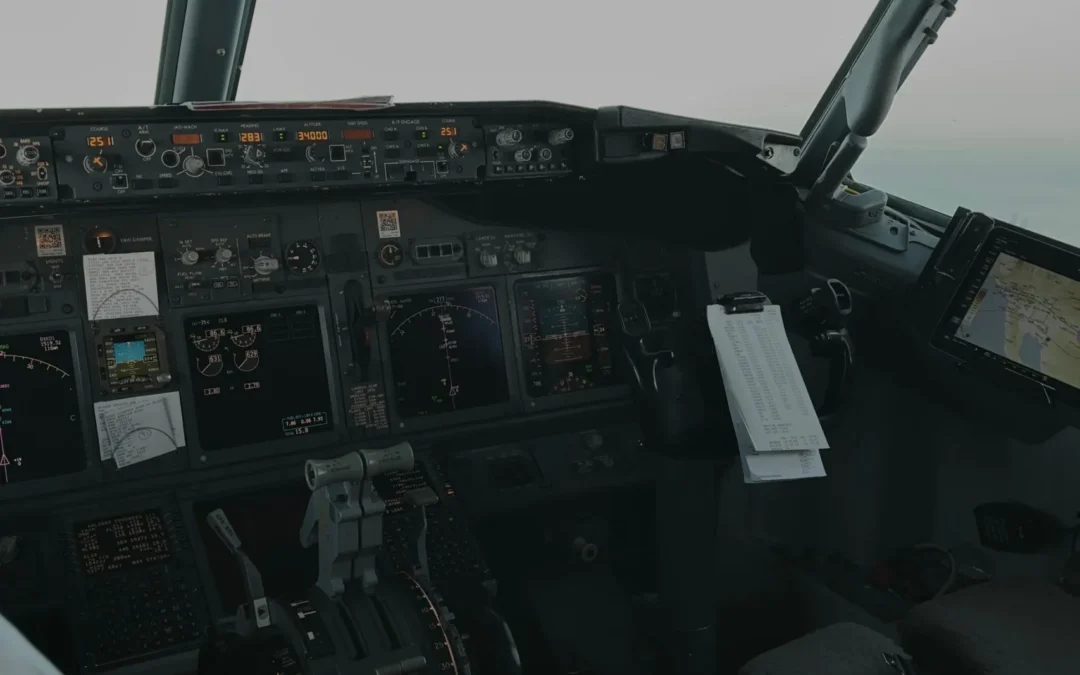
Successful pilots begin their ATP CTP course preparation long before they step into a Las Vegas classroom. This 32-hour ground school delivered under FAA Part 142 focuses on high-altitude aerodynamics, crew resource management, and air carrier operations rather than basic written test prep. Starting your structured study early ensures you extract maximum value from every simulator session.
ATP CTP course preparation means reviewing FAA advisory circulars, pilot forums, and written test prep apps before arriving at your training center. The ATP-CTP is a mandatory safety-focused program, not a written exam prep course. Begin by reading FAA Advisory Circular 61-138A and reviewing the ATP Airman Certification Standards.
Ready to secure your spot? Contact Las Vegas Flight Academy today at (818) 489-1738 to enroll in the next available ATP-CTP class and receive your pre-course study packet.
Many pilots arrive with the wrong expectations about what they will learn during their week in Las Vegas. To get the most out of your time and money. You must understand the difference between the ATP-CTP course itself and the written test prep programs that complement it.
Atp Ctp Course Preparation: What Is the ATP-CTP Course, and What Is It Not?
The Airline Transport Pilot Certification Training Program (ATP-CTP) is an FAA-mandated training course required for any pilot seeking a multiengine ATP certificate. It covers high-altitude aerodynamics, adverse weather operations, crew resource management, and air carrier procedures through 32 hours of ground instruction and 10 hours of simulator training.
The Airline Transport Pilot Certification Training Program serves as a critical bridge between commercial flying and the operational demands of air carrier work. Many pilots beginning their ATP-CTP program in Las Vegas mistakenly believe the course functions as a test-prep seminar. In reality, the curriculum emphasizes operational safety and aeronautical decision-making rather than rote memorization of exam questions.
Core Training Components
FAA-approved ATP-CTP providers deliver 32 hours of ground instruction covering six core areas: high-altitude aerodynamics. Adverse weather phenomena, air carrier operations, leadership and professional development, crew resource management (CRM), and safety culture. These topics prepare pilots to operate effectively in multi-crew cockpit environments.
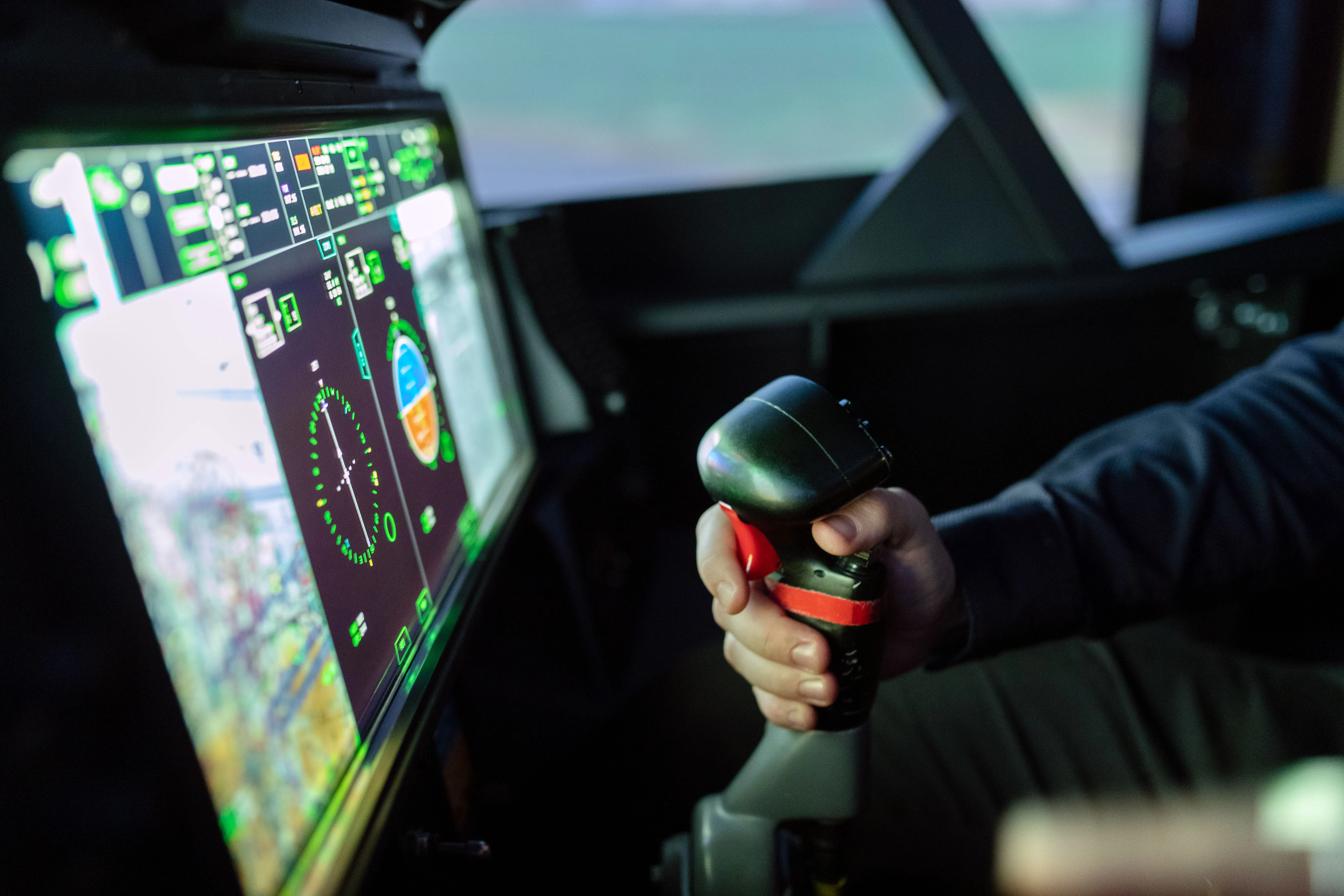
The practical phase includes 10 hours of simulator training, broken into 4 hours in a flight training device and 6 hours in a Level D full-flight simulator. As specified in FAA Advisory Circular 61-138A, these sessions focus on stall recognition and recovery, upset prevention, and low-visibility instrument approaches. No specific aircraft type knowledge is required. The training targets generic jet handling skills and safety habits that transfer across any transport-category aircraft.
History and Safety Objectives
The ATP-CTP requirement originated from the Airline Safety and Federal Aviation Administration Extension Act of 2010, passed after the Colgan Air 3407 accident in February 2009. The legislation mandated that all airline pilots demonstrate comprehensive understanding of high-altitude stall dynamics, crew coordination, and risk management before operating in revenue service. The 32-hour ground school ensures every candidate receives standardized training regardless of background or experience level.
This regulatory shift moved the industry beyond basic airman skills toward sophisticated threat and error management. Pilots learn how to lead a crew, manage automation, and handle aircraft in complex operational environments.
Clarifying the Written Test Misconception
A persistent misunderstanding among incoming pilots is treating the ATP-CTP as a written exam preparation course. It is essential to understand the difference between ATP-CTP and the written exam. The course provides the required endorsement to take the FAA Knowledge Test, but its ground school curriculum covers broad operational concepts rather than specific test questions.
Most pilots supplement their preparation with dedicated test prep tools like Sheppard Air for the written examination. The optimal approach is to complete your written test study before arriving for class, allowing you to focus entirely on ground school and simulator sessions. Understanding what ATP-CTP training actually covers enables better planning and resource allocation during your preparation phase.
Which Free FAA Study Materials Should You Review Before ATP-CTP?
The Federal Aviation Administration publishes several free resources essential for ATP-CTP preparation. The most important are Advisory Circular 61-138A, which defines the training framework, and the ATP Airman Certification Standards (ACS), which specify the knowledge and skills required for certification. Both are available on the FAA website at no cost.
Effective ATP CTP course preparation does not require expensive commercial materials. The FAA provides authoritative public documents that directly align with the course curriculum. Reviewing these resources before your training date establishes a foundation that accelerates classroom comprehension.
FAA Advisory Circular 61-138A
Advisory Circular 61-138A defines the regulatory framework for ATP-CTP providers. It specifies curriculum requirements, hour allocations, and qualification standards for instructors. Reading this document reveals the exact topics you will encounter in ground school and helps you anticipate areas requiring additional personal study.
The circular emphasizes safety culture, air carrier operational control, and crew resource management alongside technical subjects. Knowing these topics in advance lets you arrive prepared rather than spending your first day orienting to the syllabus.
Airman Certification Standards (ACS)
The ATP Airman Certification Standards document functions as the definitive roadmap for your certification journey. It enumerates every skill, knowledge area, and risk management task you must demonstrate to earn the ATP certificate. The ACS covers flight tasks, weather analysis, systems knowledge, and aeronautical decision-making at the airline transport pilot level.
Reviewing the ACS helps identify personal knowledge gaps before they surface in the classroom. The format is structured around specific task codes with clear proficiency standards, making it straightforward to self-assess and target weak areas during your pre-course study.
Multiengine Operations Resources
Because the ATP certificate with multiengine class rating is the target outcome, reviewing multiengine aerodynamics and systems principles is valuable preparation. The FAA training website offers videos, handbooks, and guidance materials covering transport-category aircraft operations. Familiarity with basic multiengine performance concepts, such as critical engine factors and asymmetric thrust procedures, provides context that enriches simulator sessions.
Investing a few hours with these official materials pays dividends throughout the course. They remain useful reference documents throughout your airline career.
How Written Test Prep Tools Like Sheppard Air Fit Into Your ATP Journey
Sheppard Air and Sporty’s ATP courses are dedicated FAA Knowledge Test preparation tools, not ATP-CTP ground school replacements. Sheppard Air uses question-bank memorization for efficient test recall, while Sporty’s provides video-based instruction. Both serve the ATP written exam, which you take after completing the ATP-CTP course.
Many pilots search for ATP CTP course preparation resources and discover test prep applications marketed alongside the training program. Understanding the distinct roles these tools play prevents misallocated study time.
The Role of Test Prep Applications
The ATP-CTP curriculum is a fixed, FAA-approved training program with 32 hours of ground school and 10 hours of simulator time. It does not function as a test-prep course. Ground school addresses broad operational topics including adverse weather phenomena, safety management systems, and crew coordination. Test prep tools serve a complementary but separate purpose: preparing you for the FAA Knowledge Test question bank.
| Feature | Sheppard Air ATP Prep | Sporty’s ATP Course |
|---|---|---|
| Format | Question-bank memorization | Video-based instruction |
| Price | Varies by test (approximately $100-200 for ATP) | $199.99 |
| Student Performance | Reported scores above 90% on ATP multiengine (per company-published data) | Competitive pass rates |
| Best For | Efficient test recall and question familiarity | Visual learners who prefer lecture-style content |
| Target | FAA ATP written exam only | ATP Knowledge Test and checkride preparation |
Why Pilots Choose Sheppard Air or Sporty’s
Sheppard Air has established a strong reputation in the pilot community. According to company-reported statistics, their students regularly achieve scores above 90 percent on the ATP multiengine exam, against a national average reported around 94 percent during 2021. These figures should be verified with current Sheppard Air data before purchase, as test bank composition evolves.
The Sporty’s ATP course offers an alternative approach through structured video lessons at approximately $199.99. Both products prepare candidates for the testing center but neither replaces the hands-on experience gained in Level D simulator sessions during the ATP-CTP course.
When to Take the ATP Written Test
FAA regulations require that you complete the ATP-CTP course before taking the ATP Knowledge Test. The course completion certificate serves as the testing center authorization. This means you are not required to have the written test finished before arriving in Las Vegas. Though many pilots prefer to have it completed to reduce cognitive load during ground school.
All 32 hours of ground training must be completed before the FAA permits you to schedule the exam. This regulatory requirement ensures every candidate possesses the baseline knowledge established by the Airline Safety Act before attempting the knowledge test. Refer to the ATP ACS for the complete list of tested subjects.
Ready to take the next step? Call Las Vegas Flight Academy at (818) 489-1738 to discuss your ATP-CTP training path and get personalized guidance on your study timeline.

What Documents and Prerequisites Do You Need Before Arriving in Las Vegas?
ATP-CTP candidates must hold a commercial pilot certificate with instrument rating. Qualifying military experience under 14 CFR 61.73, or a qualifying foreign ATP or commercial license with instrument privileges. An FAA medical certificate is not required to attend ground school or simulator training but is required for the ATP checkride.
Proper ATP CTP course preparation includes administrative readiness. The six-day program follows a tightly scheduled curriculum, and missing documentation can delay your start.
Core Pilot Requirements
The FAA establishes clear eligibility criteria for ATP-CTP participation. Most candidates hold a commercial pilot certificate with an instrument rating. Military pilots qualify under 14 CFR 61.73 based on their documented flight experience. International pilots with a valid foreign ATP or commercial license that includes instrument privileges are also eligible. All candidates must demonstrate the ability to read, write, speak, and understand English. Review the full ATP-CTP course prerequisites to confirm your qualifications.
The Medical Certificate Question
A frequent question from incoming students concerns medical certification. You do not need a current FAA medical certificate to attend ATP-CTP ground school or operate the simulator. A medical certificate is required when you act as pilot-in-command of an actual aircraft or take the ATP practical test. For your training week in Las Vegas, set this concern aside and focus on air carrier operations, crew resource management, and high-altitude aerodynamics.
Simulator Preparation and Logistics
No specific aircraft type knowledge is required before your simulator sessions. The 10 hours of training device and full-motion simulator time emphasize generic jet handling, automation management, and crew coordination rather than memorizing a specific cockpit layout. Your instructors will teach the systems and procedures you need.
When packing, carry your pilot certificate and government-issued photo ID in your carry-on bag. Training staff must verify these documents before you begin ground school. A notebook and pens are recommended for capturing key concepts during lecture sessions.
Pilot Forums and Community Insights for ATP-CTP Preparation
Online pilot communities on Reddit (r/flying), Facebook pilot groups, and forums like airlinepilotforums.com offer real-world perspectives on ATP-CTP experiences. Use these for logistical and cultural insights, but always verify technical requirements against official FAA publications and your training provider’s materials.
Experienced pilots frequently share ATP CTP course preparation advice in community forums. These discussions provide valuable context about the daily flow and intensity of the program.
Where to Find Pilot Experiences
Reddit’s r/flying community hosts extensive discussion threads about ATP-CTP experiences. Pilots share details about ground school pace, simulator session intensity, and instructor approaches. Facebook groups dedicated to professional pilot careers and sites like airlinepilotforums.com contain long-running threads comparing training providers. For specific insight into how a program unfolds, explore the behind-the-scenes look at LVFA’s 6-day program.
Balancing Community Advice With Official Requirements
Community forums offer practical tips but should never replace official sources. The ATP-CTP is a regulatory training program focused on operational safety, not a test preparation seminar. Anchor your study plan to FAA AC 61-138A for training standards and the ATP ACS for certification requirements. Use forums for school culture insights but trust FAA publications for technical content.
Practical Community Tips
Consistent advice across forums includes completing written test prep before arrival. Bringing comfortable clothing for long simulator sessions and preparing questions for instructors based on the ground school topics you studied in advance. Many experienced pilots emphasize that the Level D simulator sessions are about learning crew coordination and automation management rather than demonstrating existing knowledge.
Building Your Pre-Arrival ATP-CTP Study Plan
An effective pre-arrival study plan focuses on downloading official FAA documents, reviewing the six core ground school topics, completing written test prep, and confirming prerequisite documentation. This structured approach ensures you arrive ready to absorb the course material rather than catching up on fundamentals.
A deliberate study plan transforms ATP CTP course preparation from a vague intention into measurable progress. The ATP-CTP curriculum moves quickly, and front-loading your preparation maximizes your training investment.
- Download Official FAA Documents. Visit the FAA website and download Advisory Circular 61-138A and the current ATP Airman Certification Standards. Read both documents to understand the training framework and the knowledge areas you will be tested on.
- Review the Six Core Ground School Topics. The ground school covers high-altitude aerodynamics, adverse weather phenomena, air carrier operations, leadership and professional development, crew resource management, and safety culture. Familiarize yourself with basic concepts in each area. You do not need mastery, but awareness accelerates classroom comprehension.
- Complete Written Test Preparation. Use Sheppard Air, Sporty’s, or a comparable test prep tool to prepare for the FAA Knowledge Test. Studying the question bank in advance reduces your workload during training and increases confidence when you do test.
- Confirm Prerequisites and Documentation. Verify that your pilot certificates and identification documents are current. Review the ATP-CTP course requirements to ensure nothing is missing. Contact the training center with any questions about specific documentation needs.
- Prepare Logistically. Arrange transportation and accommodation for your Las Vegas training week. Arrive well-rested. The six-day schedule is demanding, and mental freshness contributes directly to learning retention.
Frequently Asked Questions
How long does the ATP-CTP course take?
The ATP-CTP course is a six-day program delivered over one week. It includes 32 hours of ground school instruction and 10 hours of simulator training across flight training devices and Level D full-flight simulators.
Do I need to know how to fly the Boeing 737 before ATP-CTP?
No. The ATP-CTP course uses generic jet training focused on core concepts like high-altitude aerodynamics, crew resource management, and upset prevention and recovery. No specific aircraft type knowledge is required or expected.
Can I take the ATP written exam before the ATP-CTP course?
No. FAA regulations require that you complete the full ATP-CTP course before taking the ATP Knowledge Test. The course provides the endorsement needed to schedule your exam at an FAA testing center.
Is Sheppard Air enough preparation for ATP-CTP ground school?
Sheppard Air prepares you for the FAA Knowledge Test, not the ATP-CTP ground school curriculum. The course covers operational concepts such as crew resource management, safety culture, and air carrier operations that go beyond test-question memorization.
Ready to Begin Your ATP-CTP Journey in Las Vegas?
Thorough ATP CTP course preparation sets the foundation for a successful training week. By reviewing FAA advisory circulars, completing written test preparation, and understanding what the course requires. You arrive in Las Vegas ready to focus on the advanced simulator training that builds real airline pilot skills.
Contact Las Vegas Flight Academy today at (818) 489-1738 to enroll in an upcoming ATP-CTP class. Our FAA Part 142 training center provides the structured environment and experienced instructors you need to take the next step in your aviation career.