
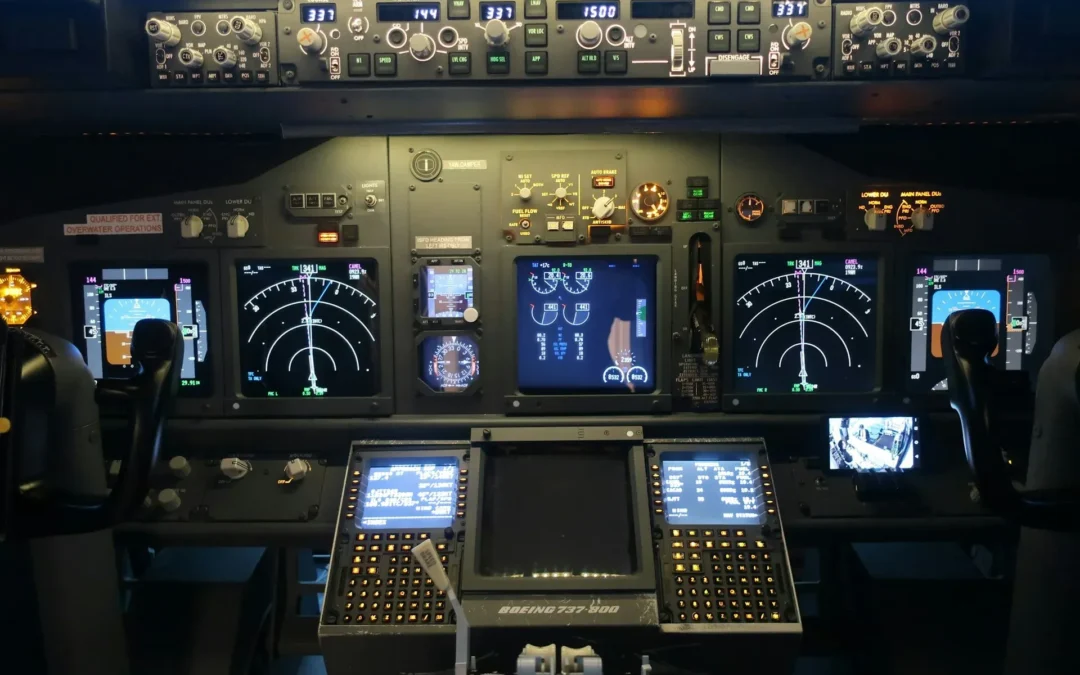
A Boeing 737 type rating stays on your pilot certificate forever, but acting as pilot in command requires recent training. Pilots who have been away from the jet for years must follow specific FAA rules to return. This process is called requalification.
To renew an expired Boeing 737 type rating you must complete an FAA-approved training program at a Part 142 flight center to regain legal PIC status. The FAA does not let a type rating truly expire it remains on your certificate for life but you cannot serve as pilot in command without a current proficiency check. Pilots away for 12 to 35 months take an abbreviated requalification course while those away for 36 to 59 months need an extended program. Both paths use ground school and Level D simulators to prove you can operate the 737 safely.
Ready to get back in the cockpit? Call Ron Kelly at (818) 489-1738 to discuss your requalification path today.
Finding your way through these rules can be challenging because pilots sometimes mix up FAA regulations with international standards. Understanding how the FAA treats your type rating versus your day-to-day flight privileges is the first step. The key distinction lies in the difference between holding a rating and being current to use it.
Renew Expired Boeing 737 Type Rating: Understanding FAA Type Rating Currency vs. Expiration
Many pilots worry about how to renew a lapsed Boeing 737 type rating. But the FAA does not use the term “expire” for aircraft type ratings. Unlike systems under EASA rules, an FAA type rating stays on your pilot certificate for life. It remains valid as long as your certificate is not revoked or surrendered. However you must maintain currency to act as pilot in command. If you have not flown a 737 in years you cannot simply step back into the cockpit. You need to meet specific FAA requirements to fly again.
FAA rules for pilot currency
The FAA sets strict rules for pilot-in-command currency. Under 14 CFR 61.58 you must complete a proficiency check every 24 months. This check ensures you can still handle the aircraft and its systems safely. If you miss this window your rating becomes dormant. You still hold the rating on your certificate but you cannot legally act as PIC of that aircraft. This is a key part of recurrent training vs initial certification for professional pilots.
Operating rules also matter. Airlines operating under Part 121 have even tighter requirements and often require training every 12 months. If you transition from an airline job to a private role your requirements change. You must always check which regulations apply to your specific operation. Staying compliant means knowing the difference between requalification and recurrent training before you book simulator time.
What happens when currency lapses
When you stop flying a specific type your skills can deteriorate. If you have been away for more than 24 months the FAA requires a structured plan to get you back up to speed. This process is called requalification. It is not the same as starting over. You do not need a whole new type rating course. Instead you follow a set path based on how long you have been away from the aircraft.
- 12 to 35 months away:
- 36 to 59 months away:
- 60 months or more:
Lapsed currency means you need a focused review of systems and maneuvers. You will spend time in a Level D simulator to prove your skills. The goal is to demonstrate you can handle both normal and emergency procedures. Once you pass your proficiency check your PIC currency is reinstated. You can then return to the flight deck with full legal privileges.
When Does Requalification Training Become Necessary?
For most pilots a Boeing 737 type rating is a cornerstone of their career. Unlike some other certifications an FAA type rating does not simply expire. But you cannot resume flying after a long break without requalification training. The FAA requires a structured return to ensure every pilot meets current standards before returning to the cockpit.
Common pilot scenarios requiring requalification
Several situations can lead a pilot to need requalification training:
- Military transition:
- Career break:
- Medical leave:
- Industry re-entry:
Leaving a major airline often means losing access to their internal training programs. This is where a Part 142 school like Las Vegas Flight Academy comes in. We provide the structured environment you need to get current again. Our team understands the differences between requalification and recurrent training and helps you focus on the exact skills that may have faded during your time away.
The FAA time tiers explained
The FAA evaluates how long it has been since you last served as pilot in command of the Boeing 737. Per FAA regulations you generally need a proficiency check every 24 months to stay current. For airline pilots operating under Part 121 this check happens every 12 months. When you exceed these time limits without a check your rating becomes dormant. The length of your break determines which training tier applies.
- Under 12 months:
- 12 to 35 months:
- 36 to 59 months:
- 60 months or more:
Why a records review is required
One common mistake pilots make is trying to self-select their own training path. You might assume you only need a quick refresher but the FAA regulations are specific. Before you can begin a Part 142 center must review all your pilot records. This review includes your total flight time your last checkride date and your complete training history. Only then can the school determine which course you are legally required to take.
At Las Vegas Flight Academy we handle this process carefully. We review your logs to identify the right path for your return to the cockpit. We cannot change the FAA requirements but we can ensure you are placed in the correct program. This step protects your certificate and ensures full regulatory compliance for your next flying position. Starting with a professional document review saves time and prevents complications down the road.
Abbreviated vs. Extended Requalification: What’s the Difference?
The path to renew an expired Boeing 737 type rating depends on how much time has passed since your last proficiency check. The FAA does not permit pilots to choose their own training path. Instead your training center reviews your records to determine the correct tier. This ensures every pilot returning to the flight deck meets current safety standards.
How training tiers are determined
When you begin the requalification process the school must review your flight records. They look for the date of your last proficiency check and recent time in type. This review is the foundation of the entire process. Pilots cannot self-select a shorter course to save time or money. At Las Vegas Flight Academy we offer both paths under our Part 142 certificate LVAX430K.
The gap in your currency determines how much systems review you need. If you have been away for several years your 737 type rating program duration will be longer. The extended path includes more ground school and simulator hours. This ensures you can handle both normal and emergency operations in the cockpit.
Comparing the two training paths
| Gap Length | Training Scope | Ground School Depth | Simulator Hours | Check Type | Estimated Duration |
|---|---|---|---|---|---|
| 12 to 35 Months | Abbreviated | Focus on system updates | 8 to 12 Hours | Proficiency Check | 3 to 5 Days |
| 36 to 59 Months | Extended | Full systems review | 16 to 20 Hours | Full Practical Test | 7 to 10 Days |
| Over 60 Months | Full Initial | Complete course | 32+ Hours | Type Rating Checkride | 14+ Days |
| Under 12 Months | Recurrent | Standard review | 4 to 8 Hours | Standard PC | 2 Days |
Why simulator hours vary
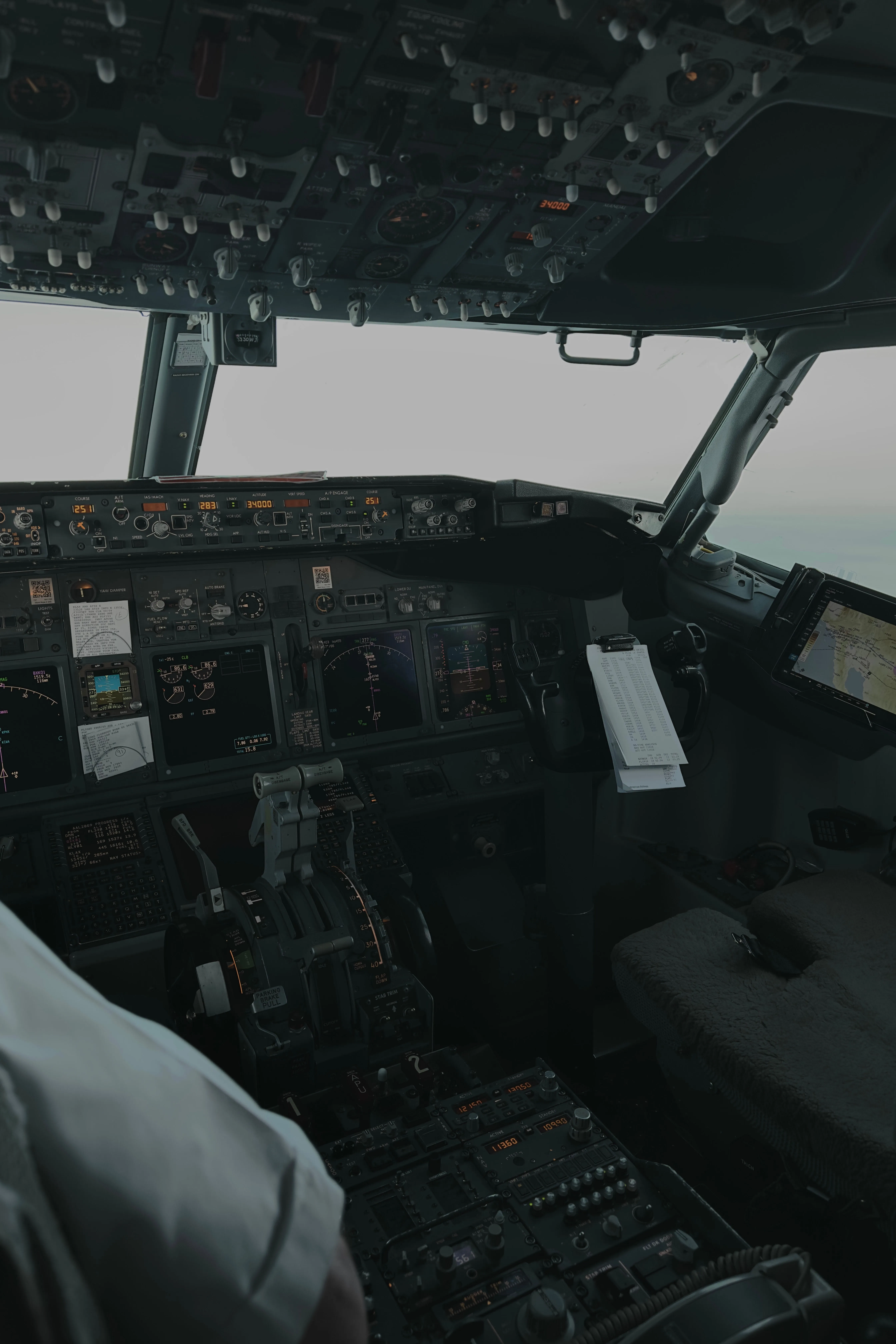
The FAA requires more simulator time as the gap in currency grows. For the abbreviated path you focus on high-risk tasks such as engine failures and low-visibility approaches. The extended path adds more time for basic airwork and automation management. This additional time helps rebuild the muscle memory needed for safe flight operations. Our Level D simulators in Las Vegas provide the ideal environment to develop these skills in a controlled setting.
What Does Boeing 737 Requalification Training Include?
Renewing a dormant Boeing 737 type rating follows a structured curriculum. At Las Vegas Flight Academy we offer a complete FAA Part 142 training path that covers everything from systems knowledge to complex flight scenarios. The program is designed to bring you back to proficiency in a focused and efficient manner.
Ground school and systems review
Your training begins with a deep dive into the core systems of the 737. You will study electrical hydraulic pneumatic and fuel systems of the B737-800. We also use a Computer-Based Training program so you can learn at your own pace. This review ensures you have the technical knowledge required for safe flight operations. Our airline-experienced instructors who average 20,000 flight hours each lead you through these complex topics and are ready to answer every question.
Ground school also includes preparation for the oral exam and cockpit flow drills. These exercises help you internalize the procedures and checklists you will use in the simulator. Before you step into the simulator you must understand how to diagnose and respond to system malfunctions. Mastering these concepts is essential for the proficiency check that follows.
Advanced Level D simulator sessions
The core of the training takes place in our 40,000 square foot facility. We operate two Boeing 737-800 Level D full flight simulators with FAA IDs #1168 and #2104. These devices provide six degrees of motion and full visual systems that replicate real flight conditions with remarkable accuracy.
During each simulator session you will face a progression of scenarios:
- Normal operations:
- Emergency scenarios:
- Weather challenges:
- Automation management:
This environment is essential for preparing effectively for your simulator training sessions. Each session builds on the previous one ensuring progressive skill development. You will learn to manage the flight deck under realistic conditions.
The FAA checkride and final testing
The final step to renew a lapsed Boeing 737 type rating is the proficiency check. An FAA-authorized examiner observes as you demonstrate your skills in the Level D simulator. You must prove that you can operate the aircraft safely across all phases of flight including normal abnormal and emergency scenarios.
The checkride follows published standards to ensure every pilot meets the same bar before returning to the flight deck. Once you pass your rating is active again. You will have both the confidence and the documentation needed to return to work. LVFA prepares you thoroughly for this final evaluation with mock checkrides and additional simulator time as needed.
Why Do West Coast Pilots Choose LVFA for 737 Requalification?
Pilots on the West Coast often struggle to find convenient 737 training without traveling across the country. Las Vegas Flight Academy is the only school on the West Coast with multiple Level D 737 simulators. Our center in Henderson Nevada serves as a central hub for pilots from California Arizona Washington Oregon Hawaii and Utah who need to renew a dormant Boeing 737 type rating. The location makes it easy for pilots in Los Angeles Phoenix Seattle and San Francisco to reach us with a short flight or drive.

Advanced Level D simulator center
Our facility houses two Boeing 737-800 Level D full flight simulators identified by FAA ID #1168 and #2104. These devices support training that meets the most stringent FAA requirements. LVFA operates as an FAA Part 142 training center under certificate LVAX430K. This certification is held by approximately 40 flight schools nationwide. It ensures that your 737 type rating program duration follows a standardized and approved curriculum. You can verify our Part 142 status on the FAA website.
Expert instruction and leadership
Experience is the primary reason pilots trust LVFA. Our school is led by Ron Kelly who has over 50 years of aviation experience. Our instructors average 20,000 flight hours each and many come from major airlines. This depth of expertise helps students get the most out of the Level D simulator training environment with focused guidance from professionals who have flown the line.
Direct access and convenience
At LVFA we do not use automated phone systems or large sales teams. You can call Ron Kelly directly at (818) 489-1738 to discuss your path back to the cockpit. Pilots from across the western United States value this direct access. Our 40,000 square foot facility provides a professional environment where you can focus entirely on your training. Choosing a West Coast training provider helps you reduce travel costs and time away from home while getting the same high-quality instruction found nationally.
Frequently Asked Questions
How do I renew an expired Boeing 737 type rating?
FAA type ratings do not truly expire. But pilots must complete requalification training if they have not flown the type in over 12 months. At Las Vegas Flight Academy this process includes ground school and Level D simulator sessions. Your specific path depends on how long you have been away ranging from a brief abbreviated course to a comprehensive extended program.
Can I renew a B737 type rating after 3 years?
Yes you can requalify after three years away from the flight deck. Pilots who have not flown the 737 for 36 to 59 months must complete an extended requalification course. This program includes more ground school and simulator hours than the abbreviated path. It ensures you meet all FAA standards before returning to PIC duties.
What is the cost of 737 type rating requalification?
The cost to requalify on the 737 type rating varies based on your flight history and the time elapsed since your last proficiency check. Because each pilot brings a unique record Las Vegas Flight Academy provides personalized pricing for its Part 142 training programs. Call Ron Kelly at (818) 489-1738 for a quote tailored to your specific situation and training needs.
Is requalification training required for a lapsed Boeing 737 type rating?
Yes the FAA requires requalification training if you have not met currency requirements or passed a proficiency check within the last 24 months (12 months for Part 121 operators). This is distinct from standard recurrent training. It is designed specifically for pilots returning after an extended absence and ensures you regain proficiency under the guidance of experienced instructors in Level D simulators.
Ready to get back in the cockpit?
Every day you wait to renew a dormant Boeing 737 type rating is a day you are not in the flight deck. Airlines are hiring and a lapsed rating keeps you on the ground while other pilots advance their careers. Starting your requalification training at LVFA restores your status so you can return to the cockpit with confidence.
Are you ready to get back in the air? Call (818) 489-1738 to talk to Ron Kelly about your 737 requalification path and start your journey back to the flight deck today.