
Pilots comparing Boeing 737 courses need to start with their certificates, qualifications, training history, and operating requirements.
Initial vs recurrent 737 training differs based on a pilot’s current certificates, qualifications, and training history. Initial training is for pilots seeking a 737 type rating for the first time. It builds knowledge of aircraft systems, procedures, and flight deck tasks. Recurrent training is for pilots who already hold the applicable qualification and need to demonstrate continued proficiency. The correct course and timing depend on the pilot’s records and operating requirements.
Not sure which course matches your records? Contact Las Vegas Flight Academy for a course eligibility review.
To make the best choice for your career, you must understand how these two training paths differ in purpose and scope. The comparison below shows the key facts for each course.
Initial vs recurrent 737 training at a glance
Choosing between initial and recurrent training depends on your current status as a pilot. If you are new to the Boeing 737, you will start with an initial course to earn your type rating. Pilots who already have this rating must take recurrent courses at set times. These classes keep your skills sharp and meet FAA rules. Both paths use high-level simulators to ensure safety and readiness.
Core differences in purpose and scope
Initial training is a deep dive into the aircraft’s systems and flight controls. It is for pilots who need to learn a new jet from the ground up. The course covers subjects from cockpit layout to flight maneuvers. Pilots can review the Boeing 737 type rating program before discussing eligibility with the training center.
Recurrent training focuses on staying sharp and learning new safety updates. It is not about learning the plane again, but about handling rare flight issues. FAA guidelines in the Flight Standardization Board report outline the training tasks and rules that pilots must follow. These sessions often use Level D simulators to mimic real-world flight. Pilots practice abnormal procedures and checkride tasks to stay current.
Which training path do you need?
The right choice starts with your certificates and training history. A pilot who does not hold the applicable 737 type rating generally needs initial training. Pilots who already hold it may use a recurrent training checklist to prepare for their next simulator session.
Recurrent training builds on existing aircraft knowledge, while initial training establishes that knowledge for the first time. The goal is to verify that a qualified pilot can still perform the tasks required by the applicable program. Confirm the schedule and requirements before enrolling.
| Feature | Initial Training | Recurrent Training |
|---|---|---|
| Primary Goal | Earn a first-time type rating | Maintain skills and currency |
| Target Pilot | New to the Boeing 737 | Already typed on the 737 |
| Ground School | Full systems and procedures foundation | Targeted review and proficiency work |
| Simulator Focus | Basic flight and maneuvers | Emergency and abnormal tasks |
| Outcome | New aircraft certification | Renewed proficiency check |
It is important to check the FAA training catalog for specific course lengths and needs. Your flight academy can help you find the right start date for your training. Staying current is not just a rule, it is the best way to keep your flight deck safe. For more help with your next session, look into recurrent training and checkride prep options.
Who needs initial Boeing 737 training?
A pilot needs initial training when they move to a new type of plane for the first time. Picking between initial vs recurrent 737 training depends on your current license and ratings. If you do not have a 737 rating on your license yet, you will need the first course. This training gives you the full set of skills to fly the jet safely.
It is a major step that builds a foundation for work on the flight deck. Pilots gain aircraft-specific knowledge and practice operating in a crew setting. The course supports the process of earning the applicable type rating.
Primary candidates for initial training
Most pilots in a first course are new to heavy jet flight. This group often includes military pilots moving to airline jobs after their service. To start the 737 initial type rating process, you must meet FAA rules for total flight hours. These courses help you learn the deep systems of the Boeing 737 from the ground up.
You will learn how to use the flight deck and handle the power of a large twin jet. The training focus is on normal and rare tasks to prepare you for any case. By the end, you will be ready to serve as a pilot on the aircraft. You will be ready to fly in busy air space.
The path to a Boeing 737 type rating
The path to earn a B737 type rating is demanding. Ground instruction builds knowledge of aircraft systems, limitations, and procedures before simulator work applies that knowledge. The exact approved course requirements must be confirmed with the training center.
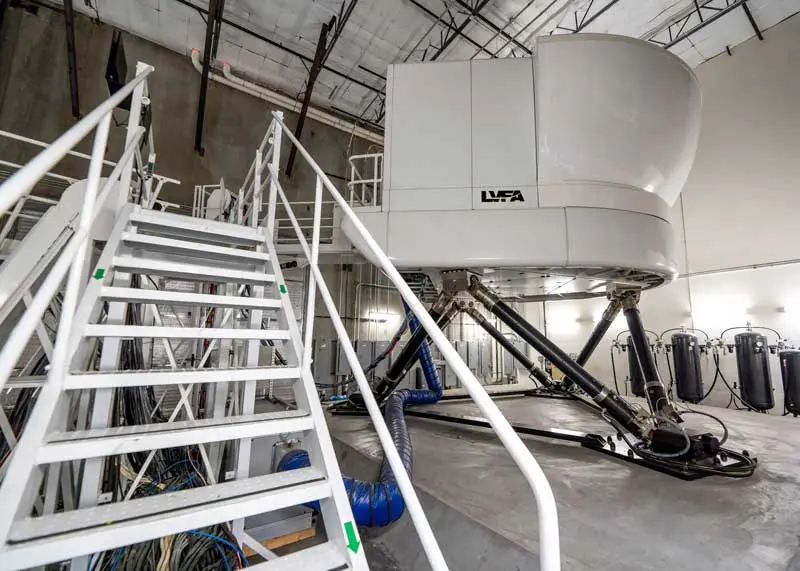
After ground instruction, pilots apply their knowledge in simulator training and complete the evaluations required by the applicable approved program. Las Vegas Flight Academy operates FAA-qualified Level D B737-800 full flight simulators for approved training uses.
Verifying if you qualify for training
Before you sign up, you must check your main pilot rules. Every pilot has a unique path based on their flight time. Some may need an ATP-CTP course before they can take the final flight test. Also, rules can change based on the airline you hope to join.
Talk to the training center before booking. Its team can review the records you provide and explain which approved course may fit your current status. Final eligibility also depends on the applicable FAA and operating requirements.
Who needs recurrent Boeing 737 training?
Recurrent training is for pilots who already hold the applicable Boeing 737 qualification. Unlike a first-time course, it focuses on continued proficiency. The exact need, schedule, and checking requirements depend on the pilot’s operating context and approved program.
Comparing initial vs recurrent 737 training
The main goal of an initial course is to teach a pilot a new aircraft type for the first time. In contrast, recurrent training and checkride prep assumes prior qualification and focuses on review and proficiency rather than first-time learning.
When looking at initial vs recurrent 737 training, expect initial training to cover more foundational material. Recurrent training can focus on review and proficiency because the pilot already holds the qualification. Ask the training center for the current approved course details.
Core parts of the course
A common course has three main parts. First, you will spend time in ground school. Here, you review systems, new rules, and any changes to how the plane works. This helps you stay up to date with the latest flight data and safety updates. It is a good idea to use a recurrent training checklist to prepare for these sessions.
Second, you will move to the simulator. For the Boeing 737, pilots use Level D simulators to practice drills. These sessions let you work on flight skills in a safe setting. Finally, there is a test. This check ensures you meet all FAA standards for flying the aircraft. The focus is on your ability to fly the plane safely in all types of weather.
Staying current and skilled
Pilots must take this training at regular times. The exact timing often depends on the rules of your airline or flight school. Staying current is not just about following the law. It is about being the best pilot you can be. These checks help you find and fix any bad habits before they become a risk in the sky.
Frequent practice helps you stay ready for any event. It keeps you sharp on the latest tech and cockpit tools. For many, this training is a key part of a long and safe career in flight. By focusing on your skills, you help keep the skies safe for everyone.
What changes between initial and recurrent training?
Initial and recurrent training serve two distinct goals for 737 pilots. Initial training supports a first type rating. Recurrent training is for pilots who already hold the applicable qualification and need to demonstrate continued proficiency under their approved program.
The focus of ground school
The biggest change is the depth and focus of ground instruction. An initial type rating course establishes a full working knowledge of aircraft systems, limits, and procedures. Recurrent instruction builds on knowledge the pilot already has.
In contrast, a recurrent training checklist helps a qualified pilot prepare for targeted review. The content and schedule depend on the applicable approved program and operating requirements.
Depth of simulator scenarios
Simulator work also changes based on the course goals. During initial training, pilots learn to combine aircraft knowledge, procedures, and flight deck skills. In recurrent training, pilots demonstrate continued proficiency and respond to the scenarios required by the applicable program.
Recurrent training uses recurrent training and checkride prep to test current skills. These sessions focus on how a pilot handles high-risk events. These can include engine fires or bad weather. The goal is to show the pilot still meets high safety rules. The FAA tracks these needs to make sure all pilots stay ready for flight.
Evaluation and checking goals
The final evaluation is a major part of the distinction. Initial training supports a first type rating, while recurrent checking evaluates a pilot who already holds the applicable qualification. Exact evaluation requirements depend on the approved course and the pilot’s operating context.
Recurrent checks focus more on current skill and safety. The FAA Flight Standardization Board sets the rules for these checks. These tasks make sure a pilot is still safe to fly the B-737. It is less about learning new things and more about proving you can still do the job well. These checks keep our skies safe for everyone.
How to choose the right 737 course
Picking the right path for your pilot training is a key step for your job. The choice between initial vs recurrent 737 training is based on your license and your flight logs. Each path has its own set of rules and goals. One builds a base of new skills. The other keeps your old skills sharp. Since the FAA sets these plans, you must follow the one that fits your current status.
Check your current pilot license
The first thing to do is review your pilot certificate and ratings. If you do not hold the applicable 737 type rating, ask about the Boeing 737 type rating program. Initial training builds the aircraft knowledge and simulator skills needed for a first qualification.
Check your flight currency
If you already have a 737 rating, you might just need to stay current. Pilots must complete the training and checking required by the rules and approved program that apply to their operation. A long gap from the flight deck may change the appropriate return-to-proficiency path. You can use recurrent training and checkride prep to fix this. These sessions focus on tough flight cases and new safety rules. This keeps you ready for any task in the cockpit. The FAA makes sure all pilots stay ready through these short but deep courses.
Review rules from your airline and the agency
Your employer might have their own rules for your training. Some airlines want you to do more than the basic law requires. You should talk to your flight office before you book a course. They can tell you exactly what kind of check you need. You can also read the FAA Flight Standardization Board report for the 737. This file lists the core rules for training, checking, and staying current. It is a good way to see what the FAA expects from you.
Ask the academy for a record review
It is always smart to have an expert look at your files. When you call Las Vegas Flight Academy, we can help you find the right path. We will look at your past flights and your past training. This helps us see which FAA-approved course fits you best. Note that we follow a set plan that the FAA has already signed off on. We cannot change the course just for one pilot. This keeps the training fair and safe for all students who come to us.
Steps to pick your 737 course
Follow these steps to find the training you need for your next move.
- Look at your pilot license to see if you have a Boeing 737 type rating or if you need to earn one.
- Check your flight logs to see the date of your last flight or your last check in a 737 cockpit.
- Ask your airline or flight lead if they have any extra rules for your training or your checkride.
- Bring your flight records to the academy so our team can help you pick the right FAA-approved plan.
- Call us to check our current start dates and to book the course that fits your career goals.
What should a pilot confirm before enrolling?
Before you sign up for a course, you must know your current status. The choice between initial vs recurrent 737 training depends on your pilot records. Initial training is for those who want to fly a 737 for the first time. Recurrent training is for pilots who already have the rating but need to stay current. You should look at your pilot logbook to see your total hours and ratings. Having these facts ready will help you choose the right path.
Review your logbook and certificates
You need to check if you meet the rules for a 737 course. Most flight schools will ask for your pilot license and instrument rating. If you are a foreign pilot, check if your license meets FAA standards. Pilots who already hold a type rating should use a recurrent training checklist to track their progress. This ensures you meet all safety rules before you step into the simulator.
Check FAA and employer rules
The FAA sets strict rules for pilot training. You should read the latest FAA Flight Standardization Board report to know current testing needs. This report covers the skills you must show during your checkride. It also tells how often you need to train to keep your rating active. Knowing these rules helps you avoid delays in your career. It also ensures you study the right topics for your aircraft model.
Many pilots get training through an airline or a flight group. Before you join, ask your boss if they have exact training goals. Some firms may need you to focus on certain flight tasks or systems. If you are paying for the course yourself, make sure the school has FAA status. This ensures your training counts toward your license. It also means the course meets all high safety standards.
Ask about the training schedule
Initial and recurrent courses differ in scope and schedule. Ask the academy for current dates and approved course details so you can plan travel and housing. Las Vegas Flight Academy’s Boeing 737 type rating page also explains its Level D simulator training.
You should also gather all your past training records. This includes any past checkride results or simulator logs. Most training centers will need these files to set up your student file. Having them ready saves time and lets you start your course faster. Make sure to ask about any gear or books you need to bring with you.
Frequently Asked Questions
How much does initial vs recurrent 737 training cost?
Initial training costs much more because it has 60 to 80 hours of ground school and many simulator sessions. Costs vary by provider, qualification sought, course scope, and current training requirements. Ask the training center for an accurate quote based on your records. Pilots comparing providers can also review this 737 type rating cost comparison guide before requesting a current quote.
Is recurrent training required for airline pilots?
Airline pilots complete recurrent training and checking according to the rules and approved program that apply to their operation. According to the FAA, this helps flight crews stay up to date on new rules and plane systems. If a pilot does not finish this training, they may not be allowed to fly.
How long does a 737 recurrent training course take?
Recurrent courses focus on review and proficiency instead of teaching the aircraft from scratch. Initial courses have a broader foundation-building scope. Course schedules vary, so request current dates and requirements directly from the training center.
What are the requirements for a Boeing 737 type rating?
To start a 737 course, you usually need a Commercial Pilot Certificate with an Instrument Rating. Pilots must also finish the ATP-CTP course or meet the rules for an Airline Transport Pilot certificate. According to Las Vegas Flight Academy, these rules make sure students have the skills needed for big jets. You also need a valid medical paper and the ability to speak and read English to begin.
Ready to confirm the right Boeing 737 course?
A delay in your Boeing 737 training can have a big cost on your career. If you do not maintain your currency or get the right rating, you could miss out on jobs with top airlines. It is simpler to stay current than it is to start over after a long break from the flight deck. Reviewing your records early gives you time to confirm the applicable course, collect documents, and plan travel before your preferred training window. Las Vegas Flight Academy can explain the current course options after reviewing your qualifications and training objective.
Ready to get started? Call 818-489-1738 or contact Las Vegas Flight Academy online to confirm the right Boeing 737 course and discuss current class availability.