
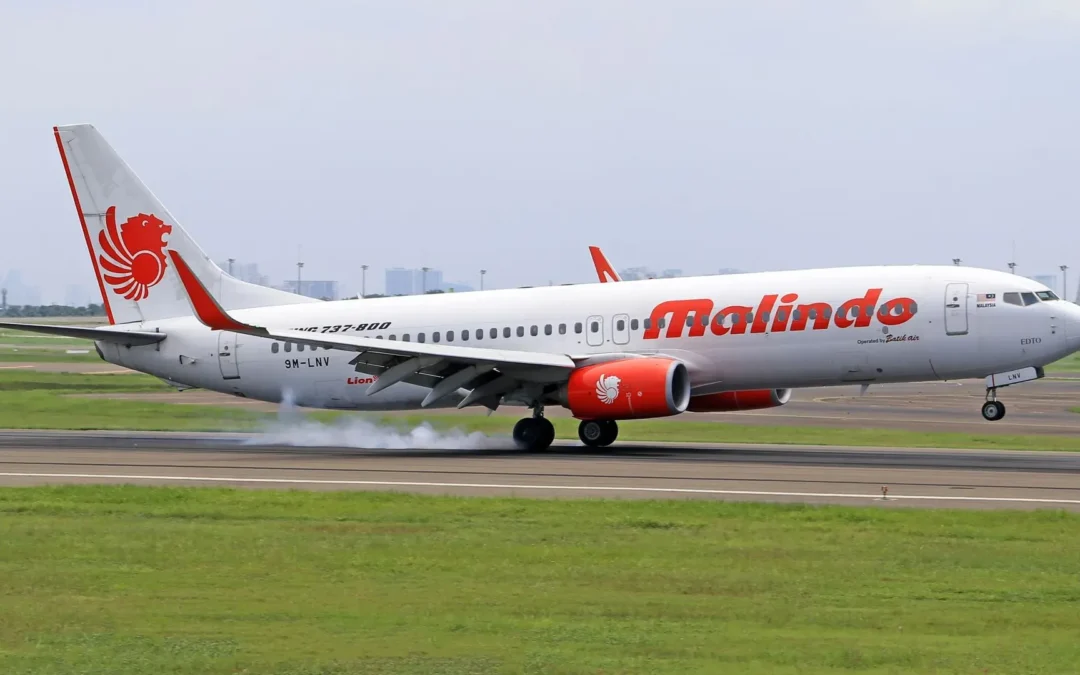
For a Transport Canada-licensed pilot who also operates under FAA privileges, 737 recurrent training for Canadian pilots is more than booking simulator time. The important question is which authority, operator, and certificate privileges the training must support. A well-planned recurrent event keeps your FAA training record current and sharpens your 737 procedures. It does not automatically settle every Transport Canada or employer requirement, so separate those obligations before you travel.
Las Vegas Flight Academy provides a focused, FAA Part 142 recurrent program in a Level D 737-800 NG simulator. This guide explains where that course fits for Canadian pilots, what to confirm before enrolling, and how to plan a two-day trip to Las Vegas efficiently.
Why Do FAA and Transport Canada Currency Rules Differ?
FAA and Transport Canada are separate authorities, and each has its own rules for staying current. A training event at an FAA Part 142 school may be the right solution for maintaining FAA-related qualifications. It can also meet an operator’s FAA training requirement or prepare you for work that needs current FAA 737 PIC privileges. Whether the same event satisfies a Canadian flight crew recency requirement, licence, or employer obligation is a separate determination.
The word “currency” can mean several things. It can refer to the validity of a licence or rating, recent-experience requirements. An operator’s approved training program, a proficiency check, or the ability to act as pilot in command. A type rating on your licence is not, by itself, a complete answer to every operational currency question.
Before selecting training, identify the specific outcome you need:
- Maintain FAA 737 PIC currency or meet an FAA-oriented employer requirement.
- Complete an operator-required recurrent event.
- Prepare for a check, interview, or return to line flying.
- Confirm how an FAA training record may be used alongside your Canadian licence and operator requirements.
For Canadian licensing and operational questions, confirm the applicable Canadian Aviation Regulations. Review your company operations manual and any employer or insurer requirements with the appropriate compliance contact. LVFA can explain its FAA-approved course and training records. It should not be treated as the authority that determines Transport Canada credit for a particular pilot or operation.
The table below summarizes the practical distinction between the two authorities. It relates directly to a 737 recurrent training decision for a Canadian pilot.
| Consideration | FAA | Transport Canada |
|---|---|---|
| Frameworks cited | CFR Part 61 currency and Part 142 approved schools | Canadian Aviation Regulations and operator-approved programs |
| Role of an FAA Part 142 recurrent event | Can support FAA-related 737 PIC currency and training-record needs | Canadian credit or acceptance depends on the specific obligation and must be confirmed |
| Documentation | Part 142 training records and check documentation | Employer, licence, recency, and operational requirements |
| Decision to confirm before travel | Course fit, prerequisites, and record format | Employer acceptance, Transport Canada credit, insurer requirements |
This is not an exhaustive regulatory comparison, and it should not be read as an interpretation of either authority’s rules. The reliable step for a Canadian pilot is to name the exact currency question, then confirm it with the responsible entity before committing to training.
When Is 737 Recurrent Training for Canadian Pilots the Right Fit?
LVFA’s B737 recurrent training is for pilots who already hold a current 737 type rating and need to maintain PIC currency. It is recurrent training, not an initial type-rating course. It is also not a substitute for the program required when PIC currency has already lapsed.
For a Canadian pilot, the course is a practical fit when you hold or need to maintain FAA 737 privileges. It also fits when your employer accepts an FAA Part 142 recurrent event. Or when you want structured time in a Level D 737-800 NG simulator before an FAA-related check or return to flying. Some pilots use it to arrive prepared for an operator’s specific requirements rather than treating the simulator event as a generic refresher.
Use a different conversation if your PIC currency has lapsed. LVFA’s B737 requalification versus recurrent training comparison explains the distinct program for pilots who can no longer log PIC time on type. That program has its own prerequisites and structure. Choosing the correct course avoids a trip that does not match your training objective.
What Does LVFA’s Two-Day B737 Recurrent Course Include?
LVFA conducts its recurrent course under FAA Part 142 in a Level D 737-800 NG simulator. The scheduled format is two days:
- Day 1: four hours of ground training and four hours of simulator training.
- Day 2: four hours of ground training and four hours of simulator training.
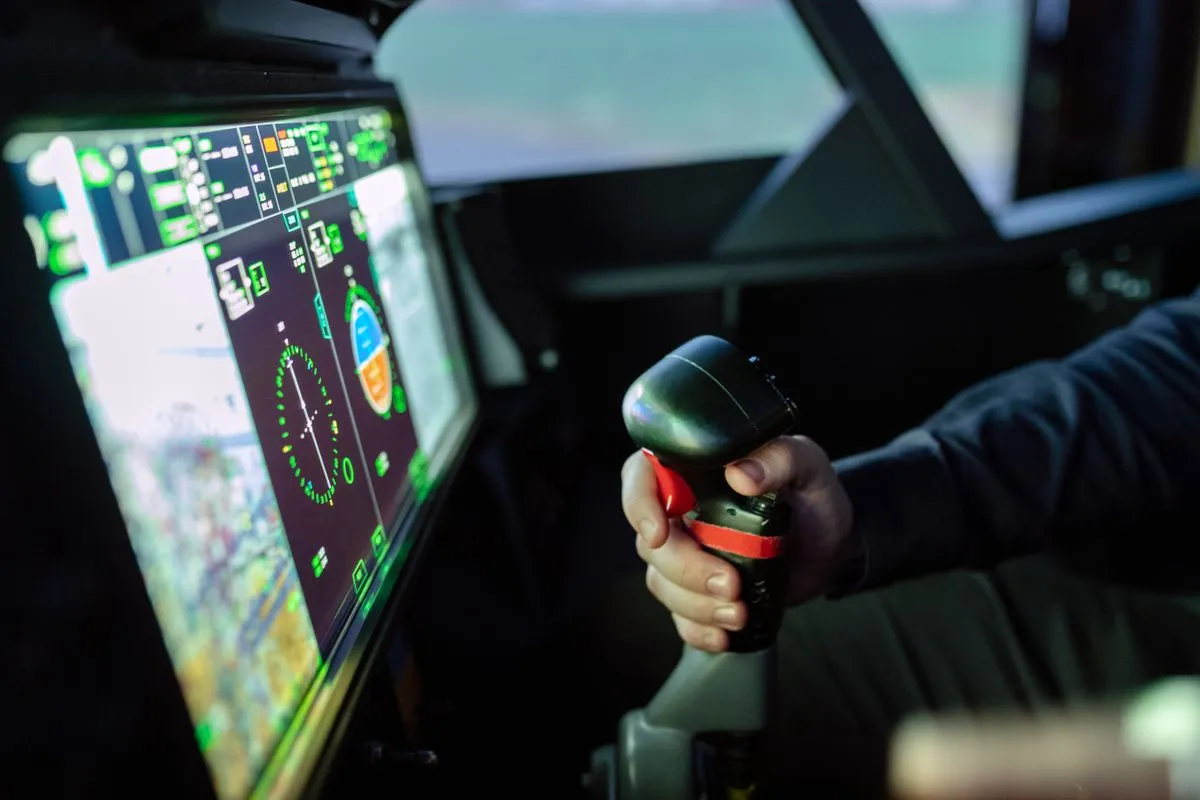
That structure gives pilots time to reconnect procedural knowledge with simulator execution. Treat ground sessions as part of the event, not as an administrative prelude. Arriving current on relevant procedures, limitations, callouts, and documentation lets you use simulator time for the decision-making and flows that matter most.
The simulator is a 737-800 NG device. It is important not to confuse that aircraft family with the 737 MAX. LVFA’s recurrent offering discussed here is for the 737-800 NG program. Confirm that your training objective, aircraft experience, and any required differences training are aligned before registering.
What Prerequisites Do You Need Before Booking?
For LVFA’s B737 recurrent training, pilots should have an ATP certificate or a commercial pilot certificate with an instrument rating. They should also hold a valid FAA medical certificate, English proficiency, and a current 737 type rating. Pilots without a current 737 type rating may instead need to have completed LVFA’s B737-800 differences course within the prior 60 days.
These are course-entry requirements. They do not replace your responsibility to confirm whether your employer, Transport Canada, insurer, or intended operation has additional requirements. Bring the documents LVFA requests and ask early about any foreign licence, mixed FAA and Canadian qualification history, or operator-specific training record. Review those items before travel.
If you are transitioning between 737 variants, review LVFA’s guide to 737 Classic to NG differences training. That step is especially valuable when an individual training record, not just a type-rating label, will be reviewed.
How Should Canadian Travelers Plan the Course?
The strongest training trip is planned before the flight to Las Vegas. Use this checklist to avoid last-minute documentation or scope problems:
- Define the outcome. Write down whether you are maintaining FAA PIC currency, meeting an employer requirement, preparing for a check, or addressing a lapsed qualification.
- Confirm acceptance. Ask the employer, operator, or other decision-maker whether an FAA Part 142 recurrent event at LVFA meets the required standard and what training record they need.
- Review your records. Have your type-rating, medical, logbook, previous training records, and any required differences-training evidence ready.
- Verify entry and travel documents. Canadian citizens and residents should independently confirm current U.S. travel and entry requirements before booking.
- Build a realistic schedule. The course contains four hours of ground and four hours of simulator training on each day. Plan travel so you arrive rested and available for both full days.
- Prepare technically. Review the FAA requirements and simulator prep checklist before arrival, then organize questions for the ground sessions.
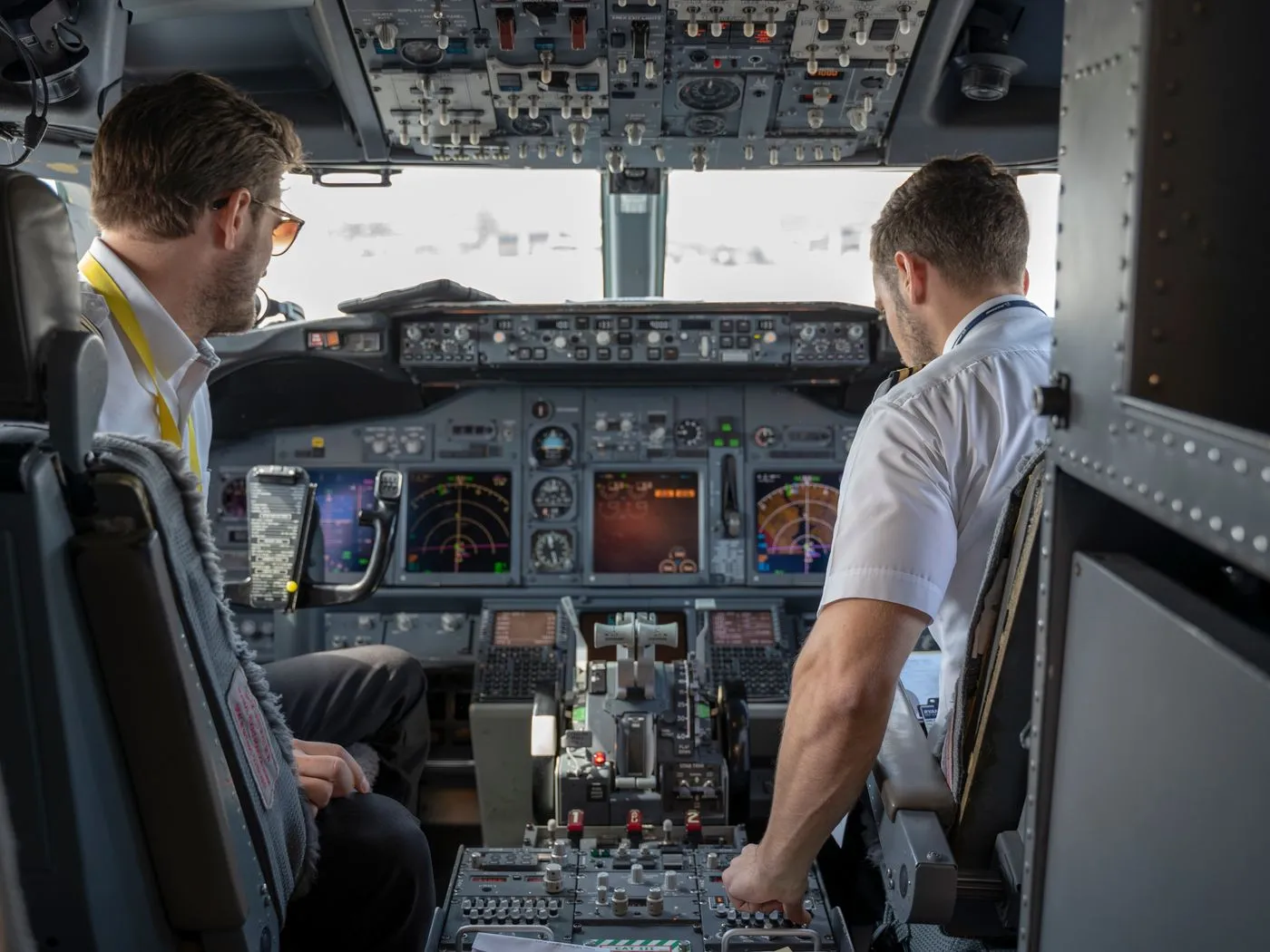
Las Vegas is designed for visitors, but the real benefit for recurrent students is one focused location for ground and simulator sessions. You can also review LVFA’s overview of the benefits of pilot training in Las Vegas as you arrange your trip.
Remember that the course runs two full training days. Choose accommodation close enough to arrive on time each morning. Plan realistic rest before the simulator sessions. For a long travel day from Canada, an arrival buffer protects the training rhythm and helps you avoid starting tired.
How Do You Get More Value From the Simulator Event?
Recurrent training works best when it starts before the simulator moves. Review your prior training report, note any areas that required extra attention, and refresh normal and abnormal procedures relevant to your objective. If you are returning after time away from 737 flying, be candid about that context when discussing course fit with the school.
During training, focus on disciplined flows, crew coordination, energy management, automation use, and decision-making. Avoid treating the course as a box to check. A Level D session gives you a structured environment to identify where knowledge and execution have drifted, then address those items before they become a larger operational problem.
For pilots who have been flying a different aircraft type or last flew the 737 some time ago, the ground sessions rebuild a shared baseline. Review the normal flows you expect to fly, the non-normal procedures most likely to be asked, and the callouts your crew will use. The more specific your preparation is to the course structure, the more productive the simulator time will be.
After the event, retain the training documentation and provide it promptly to the party that requested it. This is especially important when the party is a Canadian operator or employer. That review is best handled with complete records rather than assumptions about cross-border equivalency.
What Mistakes Do Canadian Pilots Make With Recurrent Training?
- Assuming FAA training automatically creates Transport Canada compliance. An FAA Part 142 course is valuable FAA-approved training, but its acceptance for Canadian purposes depends on the requirement you are trying to meet.
- Booking recurrent training when requalification is needed. A pilot with lapsed 737 PIC currency should discuss the requalification path rather than presume a standard recurrent course applies.
- Arriving without documentation. Confirm prerequisites and carry the records needed to establish your eligibility and support your post-course reporting.
- Ignoring the aircraft-specific scope. The program uses a 737-800 NG simulator. Confirm your own type-rating and differences-training status before travel.
- Leaving employer approval until after the course. Confirm the required course, records, and acceptance criteria before you commit to travel.
Frequently Asked Questions about 737 Recurrent Training for Canadian Pilots
Does Las Vegas Flight Academy offer 737 recurrent training for Canadian pilots?
Yes. Canadian pilots who meet LVFA’s course prerequisites can discuss 737 recurrent training for Canadian pilots at its Las Vegas FAA Part 142 facility. The school provides a two-day recurrent course in a Level D 737-800 NG simulator. Pilots should independently verify how the course fits their Transport Canada, employer, and operational requirements.
What is the difference between FAA and Transport Canada 737 currency requirements?
FAA and Transport Canada are separate authorities, and currency can involve licence privileges, recency, operator training, proficiency checks, or company requirements. An FAA Part 142 recurrent event may support an FAA-related objective, while Canadian credit or operational acceptance must be confirmed against the applicable Canadian and operator requirements.
Can Canadian pilots maintain FAA PIC currency at an FAA Part 142 school?
Canadian pilots with the appropriate FAA qualifications may use an FAA Part 142 training event to support an FAA-related currency objective when the course and their records meet the relevant requirements. Confirm your individual FAA status and any employer acceptance before enrolling.
Plan the Course Around Your Actual Operating Requirement
For Canadian pilots, the value of 737 recurrent training comes from matching the course to a clear purpose. LVFA’s two-day FAA Part 142 recurrent program provides structured ground and Level D 737-800 NG simulator training for qualified pilots maintaining PIC currency. Before you travel, confirm the right course, verify your documentation, and establish how the completed training will be used by the authority or operator that matters to you.
Contact Las Vegas Flight Academy to discuss course eligibility, dates, and the training documentation available for your planning.