
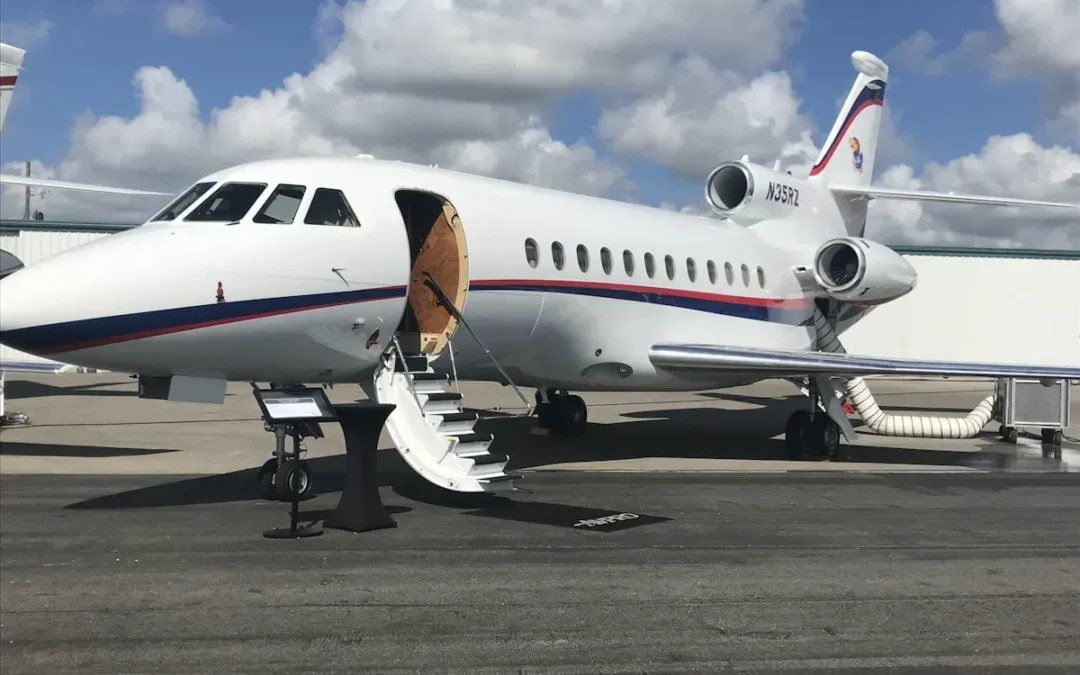
For aspiring and professional pilots, selecting where to complete intensive flight training is as critical as choosing the flight school itself. Intensive programs like ATP-CTP or type ratings demand absolute focus, and any external friction from weather delays. Complex travel logistics, or a high cost of living can derail your schedule and increase your training costs. Understanding the key pilot training las vegas benefits can help you optimize your training footprint, minimize downtime, and complete your certifications on schedule.
From year-round flyable weather to world-class aviation infrastructure. Las Vegas and its surrounding Henderson area have quietly become one of the premier hubs for advanced flight training in the United States. Whether you are a commercial pilot transitioning to the airlines, an international student seeking FAA certifications, or a military aviator transitioning to civilian service. Training in Las Vegas offers distinct structural advantages that directly translate to higher efficiency and better training outcomes.
Schedule your pilot training in Las Vegas today and take advantage of 300+ days of VFR weather and world-class simulator facilities.
Las Vegas combines exceptional aviation infrastructure with a cost-effective living environment. The result is a training destination that delivers more value per training dollar than traditional hubs like Los Angeles, New York, or Dallas. Below we break down the specific advantages that make this destination one of the smartest choices for professional pilot training. These pilot training las vegas benefits cover weather, airspace, logistics, housing, and simulator technology.
Pilot Training Las Vegas Benefits: 300+ Days of VFR Weather
Summary: Las Vegas delivers over 300 days of Visual Flight Rules conditions annually, virtually eliminating weather cancellations. The Mojave Desert climate provides consistent clear skies and exceptional visibility, while summer heat creates high density altitude conditions that teach critical aircraft performance planning skills.
The single greatest operational challenge in flight training is weather. In many regions of the country, winter storms, low ceilings, and persistent rain can ground training flights for weeks at a time. This is where Las Vegas excels. The Mojave Desert climate provides over 300 days of Visual Flight Rules (VFR) conditions annually, offering near-constant clear skies and exceptional visibility for flight operations.
For pilots, this desert clarity means weather-induced cancellations are virtually non-existent. You can plan an intensive training schedule with confidence. You will actually fly or train on the days you scheduled. Contrast this with training in the Pacific Northwest. Winter training there often means canceling 40 percent or more of scheduled flights due to low ceilings and freezing rain. The reliable weather in Las Vegas keeps your training timeline predictable. You spend less money on extended hotel stays and travel changes caused by weather cancellations.
However, desert training also offers unique learning opportunities. Pilots cannot get these in a temperate climate. During the summer, surface temperatures regularly exceed 110 degrees Fahrenheit. This creates high density altitude conditions. Learning to navigate these conditions in the flat desert valley surrounded by mountain terrain teaches pilots critical performance planning. It also teaches high-altitude takeoff and landing calculations and aircraft performance limitations. These are skills that are invaluable for real-world airline operations. Density altitude calculations become second nature rather than a classroom concept.
How Does Las Vegas Airspace Compare to Other Training Hubs?
Summary: Las Vegas offers the most diverse airspace environment of any major training destination, with Class Bravo airspace at Harry Reid International. Class Delta airports at Henderson and North Las Vegas, military operating areas, and mountain terrain. Pilots train in a professional aviation ecosystem that builds real-world operational skills from day one.
Another major advantage of pilot training in Las Vegas is the sheer diversity of the airspace and geographical terrain available within a short flight radius. Las Vegas operates under complex Class Bravo airspace due to the high volume of commercial traffic at Harry Reid International Airport (KLAS). Surrounding this are busy Class Delta airports such as Henderson Executive Airport (KHND) and North Las Vegas Airport (KVGT). As well as uncontrolled airfields and nearby military operating areas.
Training in this environment exposes student pilots to a highly realistic, professional aviation ecosystem from day one. You will learn to navigate complex airspace boundaries, communicate effectively with busy air traffic controllers. And manage aircraft separation amidst mixed traffic of commercial airliners, private jets, and general aviation aircraft. The surrounding topography, ranging from flat desert basins to rugged mountain passes and deep canyons, builds exceptional spatial awareness and mountain flying competency. Few training locations in the country offer this level of airspace complexity within a single training flight.
Over 1,200 based aircraft are concentrated across the Las Vegas area airports, making the region a genuine aviation hub. The busy taxiways and ramp operations teach professional taxi procedures and ground communication techniques that prepare pilots for airline operations from day one in the cockpit.
Las Vegas vs. Other Training Hubs: A Side-by-Side Comparison
Understanding how Las Vegas compares to other major training destinations helps clarify why so many pilots choose the region for their advanced training programs.
| Factor | Las Vegas, NV | Los Angeles, CA | New York, NY | Dallas, TX |
|---|---|---|---|---|
| VFR Days Per Year | 300+ | 270 | 160 | 230 |
| Average Hotel Cost (per night) | $80-$120 | $180-$250 | $200-$350 | $100-$150 |
| State Income Tax | None | 13.3% max | 10.9% max | None |
| Airspace Complexity | Class B, C, D, Military | Class B, C, D | Class B, C, D | Class B, C, D |
| Level D Simulator Access | On-site at LVFA | Regional centers | Regional centers | Regional centers |
| Avg Rental Car (per week) | $200-$280 | $350-$500 | $400-$600 | $250-$350 |
As the table shows, Las Vegas offers the best combination of high VFR days, low travel costs, and no state income tax. The savings on accommodation and transportation alone can amount to several thousand dollars for a multi-week training program. Making it one of the most cost-effective destinations for concentrated pilot training.

Logistical Efficiency and Training Density
Summary: Las Vegas is designed for travel efficiency. Harry Reid International Airport offers direct flights from virtually every major city, and LVFA’s 40,000-square-foot facility sits minutes from the Strip at Henderson Executive Airport. A complete ATP-CTP program with 32 hours of ground training and simulator sessions can be completed in a single six-day trip.
When completing advanced training, minimizing travel friction is key to maintaining focus. Las Vegas is designed around world-class travel logistics. Harry Reid International Airport is a major global transport hub. It offers direct, cost-effective flights from almost every major city nationally and internationally. This makes Las Vegas exceptionally accessible for East Coast pilots, West Coast pilots, and international students from Canada, Australia, India, Korea, Japan, and beyond.
Once on the ground, the proximity of training facilities simplifies daily logistics. Las Vegas Flight Academy’s state-of-the-art, 40,000-square-foot facility is located at Henderson Executive Airport, just minutes from the Las Vegas Strip and its extensive hotel infrastructure. This high-density setup allows students to transition seamlessly between ground school and simulator sessions within the same building. At an FAA Part 142 certified training center like Las Vegas Flight Academy, specialized programs like the ATP-CTP. Which includes 32 hours of ground training and intensive simulator sessions, can be completed in a single, focused trip of just six days. This eliminates the need for multiple trips, significantly reducing overall travel expenses and time away from home.
Book your ATP-CTP training dates in Las Vegas and complete your certification in a single six-day trip.
How Does Las Vegas Compare on Cost of Living and Housing?
Summary: Las Vegas offers significantly lower accommodation and living costs than traditional aviation hubs. Hotel rates average $80-$120 per night versus $180-$350 in Los Angeles or New York. Combined with Nevada’s zero state income tax, pilots can save thousands of dollars during a multi-week training program.
High-quality flight training requires a significant financial investment. The local cost of living is a major factor. Traditional aviation hubs on the East and West Coasts often come with exorbitant housing, food, and transportation costs that inflate a student’s budget. In contrast, Las Vegas offers highly competitive hospitality rates. Affordable short-term corporate suites and extensive hotel partnerships cater specifically to visiting professionals.
Nevada’s tax-friendly environment, including no state income tax, helps keep local business costs lower. This benefit is passed down to students through more competitive training rates and administrative fees. When comparing the cost-effective flight training and lodging packages available in Las Vegas to those in high-cost cities like Los Angeles or New York. Pilots can save thousands of dollars on accommodation alone during a multi-week rating program. For a typical two-week type rating course, the difference in hotel and meal costs between Las Vegas and Los Angeles can exceed $1,500.
What Simulator Technology Is Available for Pilot Training in Las Vegas?
Summary: Las Vegas Flight Academy provides access to FAA-qualified Level D Full Flight Simulators, including the Boeing 737-800 NG. Level D is the highest certification available, meaning simulator hours count toward the same certification requirements as flying the actual aircraft. This technology is housed in a dedicated 40,000-square-foot facility minutes from the Strip.
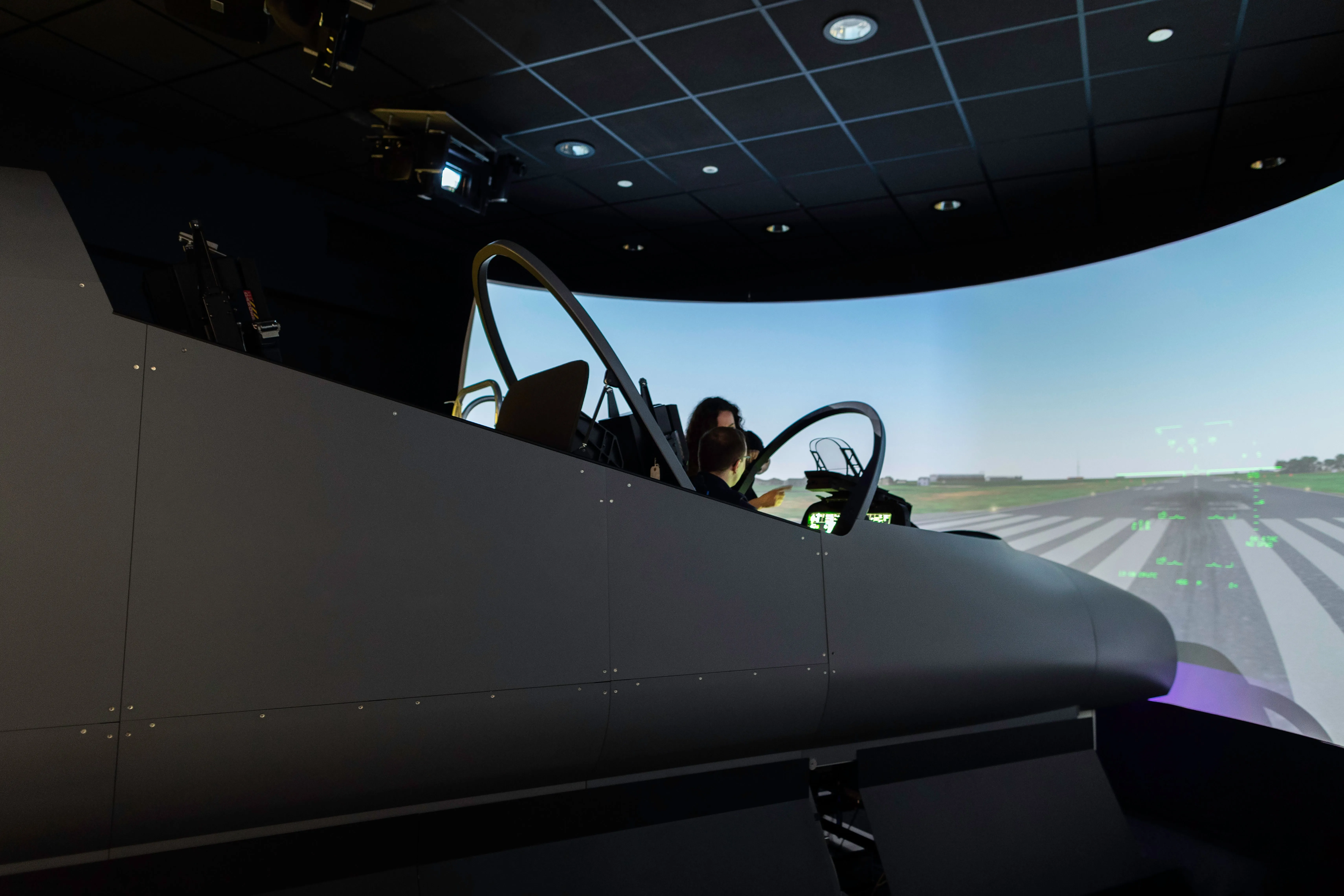
For advanced certificates and type ratings, access to top-tier simulator technology is non-negotiable. Las Vegas boasts a highly concentrated infrastructure of advanced training technology. Rather than relying on basic desktop training devices, professional programs in the region utilize FAA-qualified systems. These high-fidelity training systems meet the strictest certification standards.
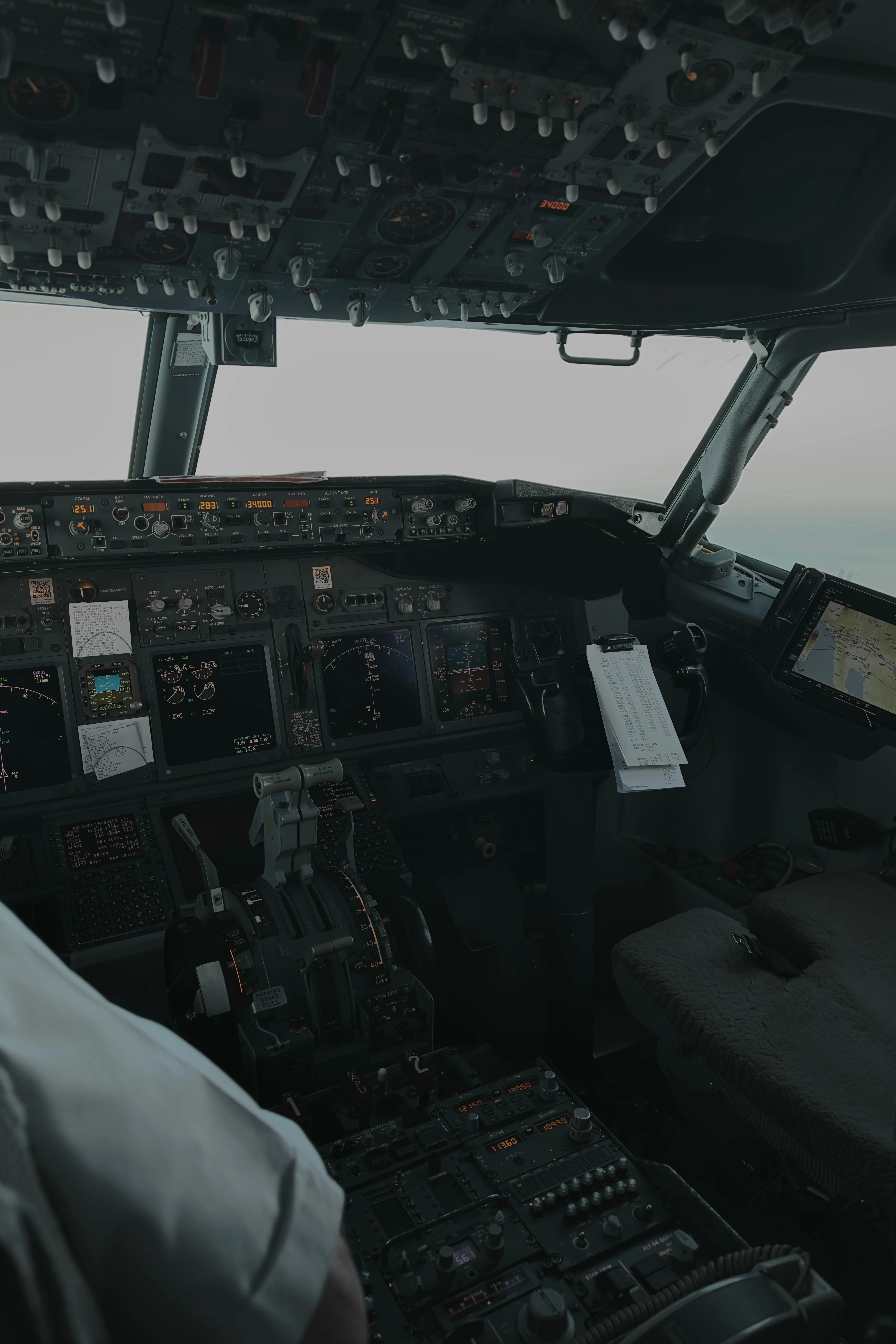
At Las Vegas Flight Academy, students train in an advanced simulator training facility featuring Level D Full Flight Simulators, such as the Boeing 737-800 NG simulator. These multi-million-dollar devices replicate the exact flight characteristics, cockpit controls, and visual systems of the real airliner, providing incredibly realistic training without leaving the ground. A Level D simulator is the highest qualification available, meaning the training counts toward the same certification requirements as flying the actual aircraft. When you step into a checkride or an airline interview, your preparation is absolute.
Planning Your Training Trip: 5 Steps to Success
Summary: To maximize pilot training las vegas benefits, follow a five-step preparation plan: confirm prerequisites, book your training window. Arrange housing through your provider, plan transportation from Harry Reid International Airport, and schedule downtime around world-class dining and entertainment options.
- Confirm your course prerequisites. Verify that you meet all FAA requirements, including the appropriate pilot certificates, medical credentials, and English proficiency standards, before making travel arrangements. Check specific requirements for your chosen program, such as the 737 type rating prerequisites if you are pursuing that path.
- Book your ideal training window. Coordinate with your training provider to select dates that align with simulator availability. The six-day ATP-CTP format means you can fly in on a Sunday and complete training by Friday afternoon. Check ATP-CTP start dates to plan your schedule.
- Arrange housing through the training provider. Many schools offer discounted corporate housing or hotel partnerships through local arrangements. Booking through your flight academy often secures better rates than public travel websites.
- Plan your transportation. Harry Reid International Airport (LAS) is less than 15 minutes from Henderson Executive Airport and the Las Vegas Flight Academy facility. Rental cars and rideshare services are readily available and affordable compared to other major cities.
- Schedule downtime wisely. Plan your evenings and weekend breaks around the world-class dining, entertainment. And outdoor recreation options that Las Vegas offers to help you stay refreshed and focused throughout your intensive training program.
Work-Life Balance and Student Well-Being During Training
Summary: Las Vegas offers an unmatched lifestyle environment for pilots in training. Red Rock Canyon, Lake Mead, and Mount Charleston are within a 45-minute drive of the flight line. While world-class dining and live entertainment provide healthy decompression options during high-stakes training periods.
Intensive flight training is mentally demanding. Having a supportive, engaging environment to decompress during downtime is vital for maintaining peak cognitive performance. Las Vegas offers an unmatched lifestyle and recreational landscape that supports healthy student well-being during high-stakes training periods.
During training breaks, students have immediate access to world-class dining and live entertainment. These lifestyle amenities are unmatched anywhere in the country. For those who prefer the outdoors, world-famous natural attractions are within a 45-minute drive of the flight line. Red Rock Canyon, Lake Mead, and Mount Charleston offer hiking, climbing, and water sports. This balance between high-intensity training and diverse recreational options helps students recharge effectively. They can keep their minds sharp and focused for ground school and simulator sessions.
For regional pilots looking to bridge their transition, exploring options like pilot training in Las Vegas can provide the perfect springboard. By combining elite instruction, high-fidelity simulation, and an optimal geographic environment, Las Vegas helps you chart a direct, efficient path toward your commercial aviation goals. Whether you are pursuing an airline pilot career through ATP or advancing an existing type rating, the pilot training las vegas benefits discussed above make the region a truly unique destination for aviation professionals.
Frequently Asked Questions
What are the primary benefits of pilot training in Las Vegas?
The primary benefits include over 300 days of VFR weather annually, complex Class Bravo airspace experience. Exceptional travel logistics through Harry Reid International Airport, and access to advanced Part 142 training facilities with Level D simulators. The low cost of living and Nevada’s tax advantages also make training in Las Vegas more affordable than comparable programs in New York, Los Angeles, or Chicago.
How much does flight school cost in Las Vegas?
The cost of pilot training in Las Vegas depends heavily on the program. For example, a basic Private Pilot License typically averages around $17,000, while advanced professional programs like ATP-CTP or Boeing 737 Type Ratings have distinct, structured pricing. It is recommended to view a detailed ATP-CTP cost breakdown to plan your training budget accurately.
Does Las Vegas offer short-term housing for visiting pilots?
Yes. Because of Las Vegas’s extensive hospitality industry, visiting pilots have access to highly affordable short-term corporate housing. Extended-stay suites, and discounted hotel partnerships near Henderson Executive Airport, making it highly convenient for out-of-state and international students.
Is an FAA medical certificate required to take the ATP-CTP course in Las Vegas?
An FAA medical certificate is not legally required to enroll in and take the ATP-CTP course or simulator sessions at a Part 142 school. However, you will need a valid FAA medical certificate when you subsequently take the practical check for your ATP certificate.
How long does it take to complete the ATP-CTP training in Las Vegas?
Thanks to the high density of training resources and Level D simulators, you can complete your comprehensive airline pilot training, including the 32 hours of academic ground school and required simulator hours, in a single concentrated trip of just six days.
Ready to Start Your Pilot Training in Las Vegas?
Las Vegas Flight Academy offers the perfect combination of world-class facilities, elite Level D simulators, and an optimal training environment. If you are ready to accelerate your journey to the flight deck. Our admissions team is ready to help you schedule your training and experience the difference of elite. Focused pilot education at one of the premier aviation training destinations in the country.
Contact us today to schedule your training and take the next step in your aviation career.