
Hawaii pilots cannot treat ATP-CTP planning like a quick local appointment. A six-day mainland course affects airfare, lodging, time away from duty, simulator readiness, and the next step toward the FAA ATP written exam.
Quick answer: ATP CTP training for Hawaii pilots means choosing an FAA-approved course, confirming a seat, and planning the trip around the training schedule. Las Vegas Flight Academy offers a six-day ATP-CTP program that includes 32 hours of ground school, four hours in a fixed-base simulator, and six hours in Boeing 737 Level D full-flight simulators. For pilots based in Honolulu or other Hawaii markets, the strongest plan is to confirm the course date first, then build flights, Henderson-area lodging, and return travel around the training window.
This guide gives Hawaii-based commercial pilots a practical course and travel plan. It covers what LVFA’s course includes, how to compare Las Vegas with other mainland options, what to expect in the simulator, and how to prepare before leaving the islands.
Why ATP CTP training for Hawaii pilots often means a mainland course.
Section summary: Hawaii pilots often need a mainland ATP-CTP plan because course availability, full-flight simulator access, and hiring timelines may not line up locally. A defined Las Vegas training block can make the required course easier to schedule and easier to manage.
The Hawaii pilot’s search
A Hawaii-based pilot looking for ATP-CTP is usually solving two problems at the same time. The first is regulatory: completing the FAA-required course before taking the ATP written exam. The second is practical: finding a course that makes sense when every option outside Hawaii requires air travel, hotel nights, and time away from home.
That combination changes the decision. A pilot in Honolulu, Maui, Kauai, or the Big Island is not only comparing tuition or brand names. The better comparison is the full trip: course date, travel time, lodging access, simulator schedule, and how quickly the pilot can return with the completion certificate.
A training trip with fewer moving parts
Mainland training works best when the course seat drives the rest of the itinerary. Confirm the course first. Then book flights, lodging, rental car or rideshare plans, and return travel around the actual schedule. This keeps the trip anchored to training rather than to a discounted flight that may not match class availability.
- Confirm seat availability before buying airline tickets from Hawaii.
- Add an arrival buffer so a delay does not put the first class day at risk.
- Choose lodging for Henderson access, not only for the lowest nightly rate.
- Plan daily transportation before the course starts.
- Keep required documents in a carry-on bag with digital backups.
Why Las Vegas enters the plan
Las Vegas is a practical West Coast mainland option for pilots traveling from Hawaii. LVFA’s West Coast ATP-CTP guide frames the course around pilots who need a focused travel plan rather than a scattered mainland search. For many Hawaii pilots, the value is the ability to match one six-day training block with one clear Las Vegas itinerary.
The location also supports comparison. Pilots can evaluate available LVFA dates, flights into Las Vegas, Henderson-area lodging, and simulator expectations before making a commitment. For more detail on the simulator environment, compare this plan with LVFA’s Level D simulator facility guide. That is a more useful decision process than simply asking which provider is closest on a map.
What the 6-day LVFA ATP-CTP course includes
Section summary: LVFA’s six-day ATP-CTP course includes classroom instruction, fixed-base simulator time, and Boeing 737 Level D full-flight simulator training. The course completion certificate is the required step before the FAA ATP written exam.
Ground school and course flow
Las Vegas Flight Academy is an FAA Part 142 training center focused on advanced simulator-based training. Its ATP-CTP training program includes 32 hours of ground school. That classroom portion builds the foundation for the simulator sessions that follow.
For a Hawaii pilot, the defined six-day structure matters. It allows the pilot to plan a contained trip rather than an open-ended stay. It also clarifies the purpose of the trip: ATP-CTP completion, not primary flight instruction, time building, or an ATP checkride.
Fixed-base and full-flight simulator time
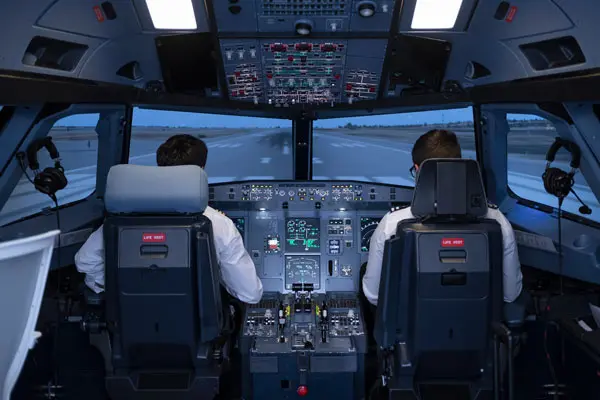
The course includes four hours in a fixed-base simulator and six hours in Boeing B-737-300/-800 Level D full-flight simulators. Those device sessions are part of the ATP-CTP course sequence. They are not separate add-ons that a traveling pilot has to arrange after arrival.
- 32 hours of ground school instruction.
- 4 hours in a fixed-base simulator.
- 6 hours in Boeing 737 Level D full-flight simulators.
- Course completion certificate after successful ATP-CTP completion.
- Separate FAA written exam step after the required course is complete.
Certificate versus written test preparation
ATP-CTP completion provides the certificate a pilot needs before taking the FAA ATP written exam. It does not award an ATP certificate by itself. It also does not replace a dedicated ATP knowledge test study plan.
This distinction matters for Hawaii pilots because travel time is expensive. Use the Las Vegas trip for the required course and simulator sessions. Use separate written-exam preparation resources before and after the trip as needed. Pilots can review the FAA testing information page for current testing procedures.
How should Hawaii pilots plan travel to Henderson and Las Vegas?
Section summary: Build the trip around the confirmed course date, then plan flights, lodging, ground transportation, and rest time. The best ATP CTP training for Hawaii pilots is a course plan first and a travel plan second.
Build the trip around the course schedule
Do not book nonrefundable travel before confirming your course date. Start with LVFA’s ATP-CTP start dates, then contact the academy to verify current seat availability. Once the training window is confirmed, build the rest of the trip around it.
- Confirm your class date and first-day reporting expectations.
- Book an arrival that allows rest before the first ground school day.
- Select lodging with Henderson access and a quiet place to prepare.
- Plan transportation for every course day, including morning timing.
- Schedule the return flight with margin after the final training obligation.
- Keep course confirmations and pilot documents easy to reach while traveling.
Choose lodging and transportation for Henderson access
Las Vegas may be the airport destination, but daily training logistics should center on Henderson. Compare hotel options by commute time, parking, food access, and quiet study conditions. A lower hotel rate is not a win if it adds stress before every class day.
LVFA’s simulator housing information can help pilots review lodging considerations. Confirm details directly before making a nonrefundable reservation. Hotel availability, rates, and transportation options can change quickly.
Manage the time change and arrival readiness
A long flight from Hawaii can leave little margin before a full day of training. Plan meals, sleep, and local transportation before leaving home. Place required documents in your carry-on bag, not checked luggage. Also save digital copies of course confirmations and travel reservations.
Professional readiness starts before the first briefing. Arriving rested, organized, and on time gives the course the attention it deserves. That is especially important when the trip is short and every scheduled period counts.
Las Vegas versus other ATP-CTP locations for Hawaii-based pilots
Section summary: Hawaii pilots should compare ATP-CTP providers by total travel burden, simulator access, available dates, and course fit. Las Vegas can be a strong West Coast option when the schedule and training devices match the pilot’s timeline.
Compare the full trip, not only the map
Hawaii pilots often begin with geography, but geography alone is too narrow. A local option may reduce travel if it has the right approval, simulator access, and schedule. An East Coast option may work if the pilot already has other obligations there. A Las Vegas option may be best when West Coast access and LVFA’s six-day course fit the pilot’s timeline.
| Option | Best fit | Watch point |
|---|---|---|
| Las Vegas / Henderson | Western mainland course planning with Boeing 737 simulator training. | Confirm LVFA dates before airfare. |
| Florida or East Coast | Pilots with East Coast airline, family, or work connections. | Longer travel from Hawaii may add fatigue and hotel nights. |
| Local Hawaii option | Pilots prioritizing minimum travel. | Verify approval, course dates, and simulator availability. |
Simulator access and course timing
Simulator access is one of the biggest filters. LVFA states that its program includes fixed-base simulator time and Level D Boeing 737 full-flight simulator time. For pilots who want transport-category simulator exposure during ATP-CTP, that device detail matters.
Course timing is just as important. A workable start date can reduce extra hotel nights and avoid delays before a hiring milestone or written-exam plan. Review LVFA’s course page and start-date page together, then contact the academy to verify current availability.
Related planning resources
Hawaii pilots should also read LVFA’s guide to ATP-CTP versus the ATP written exam. It explains why the required course and the knowledge test are related but separate. The ATP-CTP cost breakdown can also help pilots estimate the training and travel decision more realistically.
What should Hawaii pilots expect in the simulator sessions?
Section summary: Simulator sessions emphasize jet operations, crew coordination, decision making, and disciplined cockpit habits. They are part of ATP-CTP completion, not a type rating or ATP checkride.
Fixed-base and full-flight training
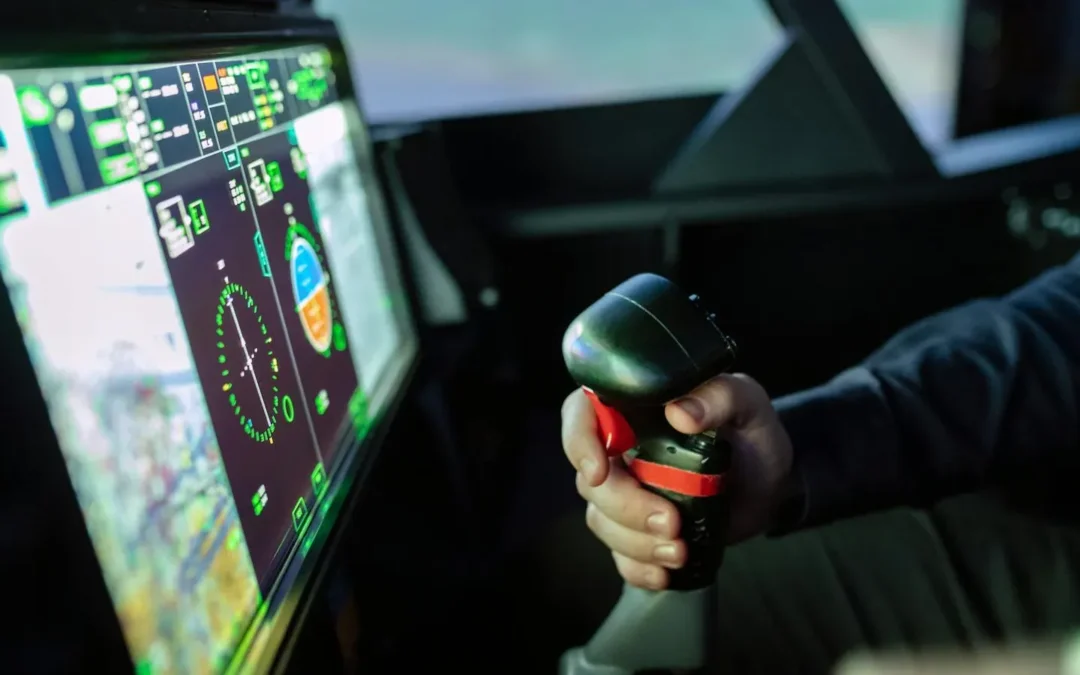
The fixed-base simulator period helps pilots work through concepts and cockpit workflows before full-flight simulator sessions. It is not primary training. It is preparation for transport-category thinking, crew communication, and scenario-based learning.
In the Level D full-flight simulator, motion, visuals, flight deck layout, and aircraft response support realistic practice. LVFA uses Boeing 737-300 and 737-800 Level D full-flight simulators for ATP-CTP training. That makes the simulator portion a central part of the course experience for a pilot traveling from Hawaii.
Briefings and crew resource management
A simulator session begins before the crew reaches the flight deck. Expect a briefing that covers the session goal, crew roles, callouts, scenario limits, and safety expectations. The briefing gives both pilots the same frame of reference before the session starts.
Crew resource management is part of the work. Pilots should communicate clearly, divide duties, monitor each other, and speak up when the plan changes. The objective is not to appear perfect on day one. The objective is safe decision making in a transport-category environment.
Preparing before you travel
No special aircraft flight time is created by ATP-CTP, and no Boeing 737 type rating is awarded by the course alone. Still, professional preparation helps. Refresh instrument discipline, cockpit communication, and study habits. Bring a notebook, required identification, pilot credentials, and any training materials LVFA asks you to have ready.
Compare the West Coast ATP-CTP option before choosing your mainland training trip from Hawaii.
What should you prepare before you arrive from Hawaii?
Section summary: Confirm eligibility, course dates, travel plans, documents, and separate ATP written-exam study resources before departure. The more organized the trip is before takeoff, the more focused the six training days can be.
Confirm your enrollment path
Preparation starts before airfare. Confirm which enrollment path applies to your credentials and which records LVFA needs to review. A standard applicant should be ready to show the pilot documents the academy requests. Pilots using military experience or foreign credentials should ask for document review before making travel commitments.
Enrollment eligibility is based on pilot qualifications, not Hawaii residency. Ask questions early if any document is foreign-issued, not in English, or tied to a military pathway. Clear answers before travel protect the course schedule and prevent avoidable check-in problems.
Build a document and study checklist
Keep required records in one secure folder that you can reach during travel. Bring original documents if LVFA confirms they are required, and keep readable digital backups. Also confirm access to any written-exam study platform before leaving Hawaii.
- Photo identification and any pilot documents requested by the academy.
- Course confirmation, schedule notes, and first-day reporting instructions.
- Travel records, lodging details, and transportation plans.
- Separate ATP written study materials for knowledge test preparation.
- Backup copies of documents in a secure digital location.
Lock dates before airfare
A confirmed class date should come before nonrefundable reservations. Ask for the first-day reporting plan and final-day expectations in writing. Then book airfare, lodging, and ground transportation with enough margin to protect the training schedule.
If English is not your first language, raise that question during enrollment. Ask what spoken and written English level is required for briefings, instruction, and training records. This is better handled before the trip than at check-in.
Frequently asked questions about ATP CTP training for Hawaii pilots
Do Hawaii pilots need to travel for ATP-CTP training?
Hawaii pilots can choose any FAA-approved ATP-CTP provider that fits their schedule, credentials, and travel plan. A Las Vegas course requires travel to Nevada, so pilots should confirm an available date, book lodging, and plan transportation before departure.
What does the ATP-CTP course consist of at Las Vegas Flight Academy?
LVFA’s ATP-CTP course includes 32 hours of ground school, 4 hours in a fixed-base simulator, and 6 hours in Boeing 737 Level D full-flight simulators. Successful completion provides the ATP-CTP certificate required before the FAA ATP written exam.
How long does ATP-CTP training take for a Hawaii pilot traveling to Las Vegas?
The LVFA course runs six training days. Hawaii pilots should add travel time before and after those dates. Plan arrival, rest, lodging, local transportation, and a return flight that does not rush the final course day.
Do pilots need specific credentials to enroll in ATP-CTP training?
Eligibility depends on pilot credentials and the applicable qualification path. Applicants should confirm current requirements with LVFA before booking travel, especially if they are using military experience or foreign pilot credentials. Military pilots can cross-check the military pilot to airline pilot transition guide for related planning steps.
Is the ATP written exam included in ATP-CTP training?
No. ATP-CTP completion makes a pilot eligible to take the FAA ATP written exam, but it is not a written-exam prep course. Pilots should use separate study resources and confirm testing details after the course certificate is issued.
Ready to reserve ATP CTP training for Hawaii pilots?
Waiting to choose a course date can keep your travel plan uncertain and delay the next step in your professional training path. A confirmed LVFA course seat gives you a real schedule for airfare, Henderson-area lodging, simulator training, and your next FAA testing step.
Reserve your ATP-CTP course seat with Las Vegas Flight Academy.
Contact LVFA to review current course availability before booking travel from Hawaii. Once your dates are confirmed, you can build the mainland trip around a focused six-day training schedule and arrive ready to complete the required course.