
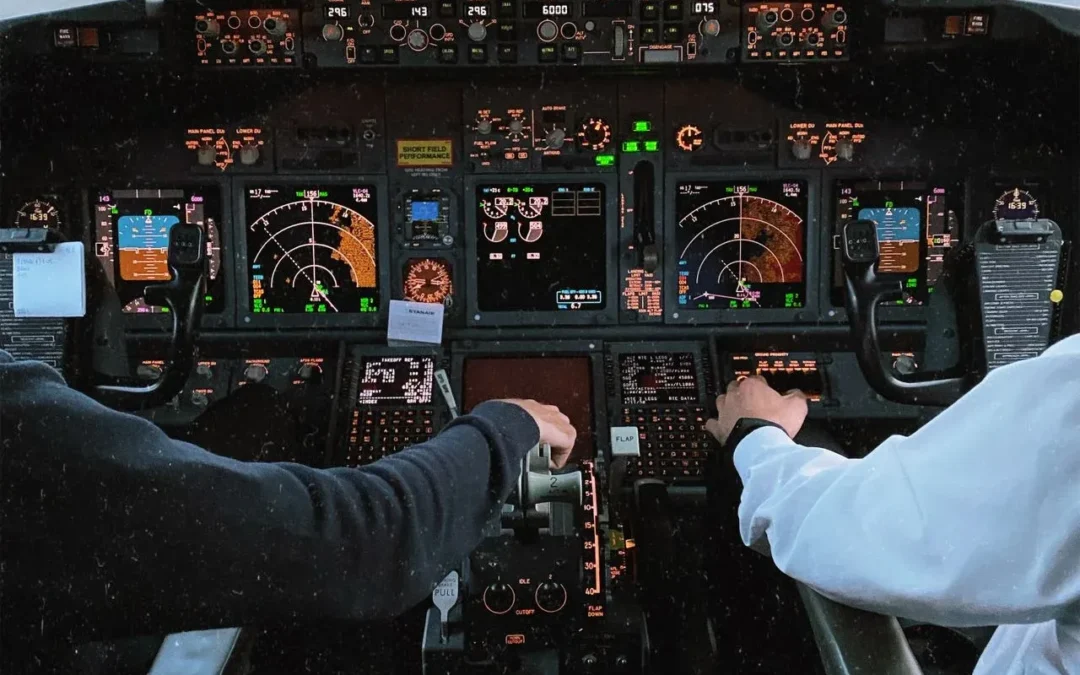
For any pilot eyeing a career in commercial aviation, the Boeing 737 is the ultimate workhorse. It is the backbone of major domestic airlines, regional carriers, and international cargo fleets. As you plan your professional trajectory, you will face a critical crossroad: choosing between a Pilot-in-Command (PIC) and a Second-in-Command (SIC) designation. Deciding on a 737 PIC vs SIC type rating is not a choice of where you sit in the cockpit alone. It is a high-stakes career decision that dictates your hiring eligibility, upgrade speed, training costs, and overall mobility in the airline industry.
Not sure which path fits your career goals? Contact Las Vegas Flight Academy today to discuss your options and find the right type rating program.
Whether you are an aspiring first officer transitioning from a regional carrier or an international pilot aiming for a direct-entry captain role. Understanding the regulatory realities of these ratings is essential. This guide unpacks the practical differences, FAA frameworks, financial considerations, and career impacts of both paths to help you make an informed decision before booking your simulator sessions. With the right information, you can avoid costly mistakes and accelerate your timeline to the flight deck.
What Exactly Is a 737 PIC vs SIC Type Rating?
A type rating is an FAA certification that authorizes a pilot to operate a specific aircraft model, such as the Boeing 737. The distinction between PIC and SIC determines what privileges and limitations appear on your pilot certificate. A PIC type rating certifies that you have demonstrated the proficiency to act as the pilot in command with no operational limitations. Meaning you can serve as either captain or first officer. An SIC type rating qualifies you to serve only in the right seat as a co-pilot with the limitation “B-737 Second-in-Command Privileges Only.”
How Do the Regulatory Frameworks Differ Under FAR Part 61 and Part 121?
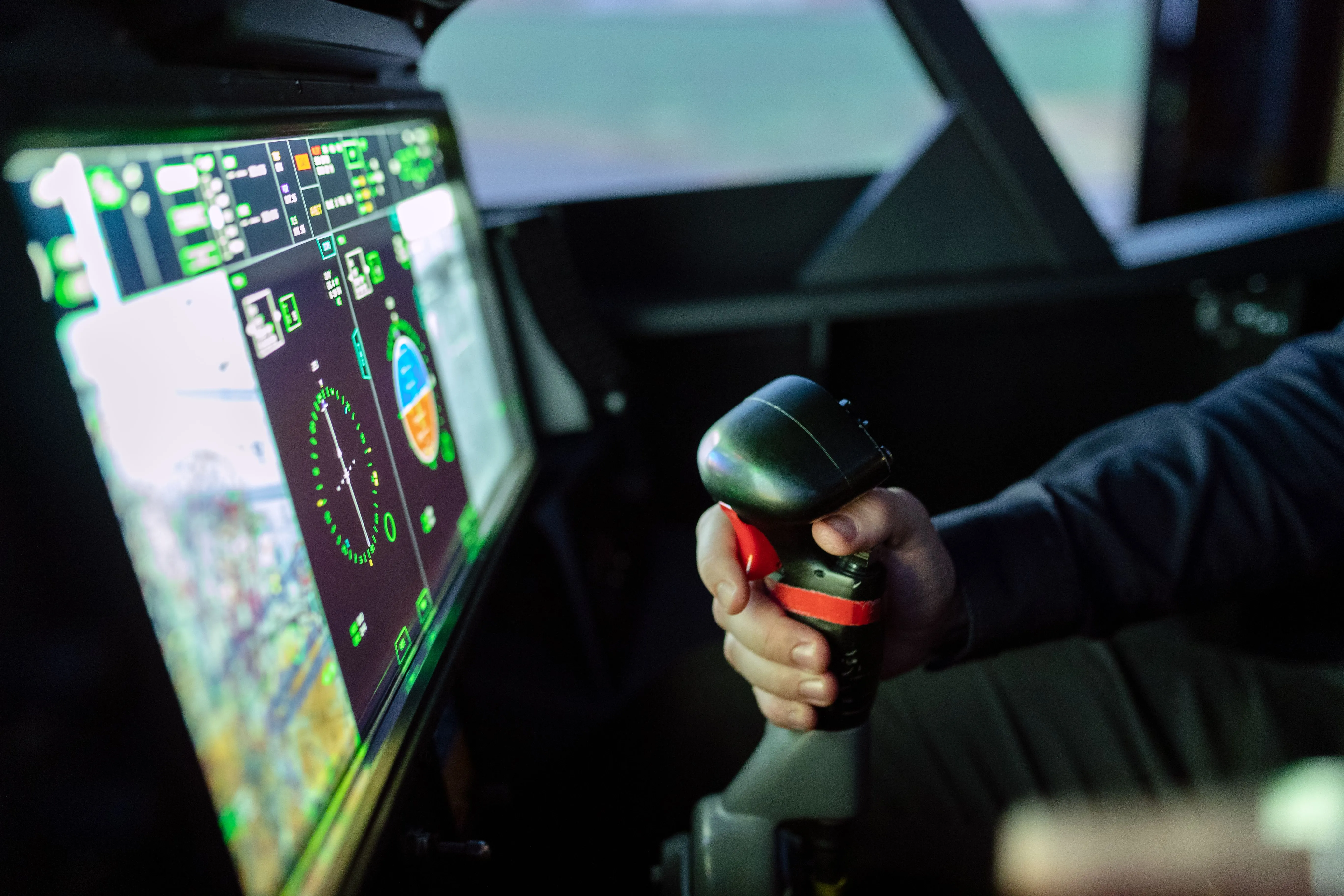
The Federal Aviation Administration requires pilots of large or turbojet aircraft to hold an aircraft-specific type rating under 14 CFR 61.31. Both conditions apply to the Boeing 737 series. The regulatory environment for second-in-command pilots underwent a massive shift in August 2013 under Part 121. Before this change, co-pilots in domestic operations did not strictly require an aircraft-specific type rating. Today the rules are far more stringent.
- The Part 121 First Officer Rule. To serve as a First Officer for a U.S. scheduled airline operating under Part 121, you must hold an Airline Transport Pilot certificate and an aircraft-specific type rating. This rating can be either PIC or SIC.
- The International ICAO Requirement. If you fly internationally, the International Civil Aviation Organization requires all co-pilots of multi-crew aircraft to hold an SIC type rating under 14 CFR 61.55.
Because of these interlocking domestic and international rules, getting a Boeing 737 type rating is a mandatory milestone. Every pilot on the flight deck must be type-rated for the aircraft they operate.
What Does SIC Type Rating Training Involve?
An SIC type rating is designed to meet the minimum regulatory requirements for serving as second-in-command on a multi-pilot aircraft. The training focuses primarily on basic flight maneuvers, cockpit familiarization, and crew resource management from the right seat. It does not require a formal FAA practical test with a Designated Pilot Examiner. A qualified simulator instructor can sign off on your competency after completing the required curriculum. The SIC rating is a solid starting point for regional transitions or corporate aviation flight departments. Many pilots begin their 737 career with an SIC rating and later pursue a PIC upgrade after accumulating flight time and experience. Airlines such as regional carriers often sponsor SIC training for new hires because the program is shorter and less expensive. Making it an efficient entry point into jet operations. The scope of an SIC holder is limited to the right seat. But the flight hours logged in type count toward the 1,500-hour ATP requirement, keeping the career ladder open.
What Does PIC Type Rating Training Require?
A B737 PIC type rating represents the highest level of pilot qualification. It certifies that you are capable of operating the aircraft as the leader of a multi-crew flight deck under all normal, abnormal, and emergency conditions. You must perform maneuvers to FAA Practical Test Standards, master single-engine operations, steep turns, stall recoveries, non-precision approaches, and precision hand-flying with failed instruments. You must pass a comprehensive oral examination and a multi-hour flight checkride in an FAA-certified Level D flight simulator conducted by an FAA inspector or a Part 142 check airman. The PIC checkride is a high-stakes evaluation that tests not just stick-and-rudder skills but also decision-making under pressure, crew coordination, and regulatory knowledge.
For detailed preparation guidance, review our B737 type rating checkride tips from Part 142 examiners to understand what evaluators look for during the oral and simulator phases. Many pilots preparing for the PIC checkride spend several weeks studying systems, practicing flows, and drilling memory items before their simulator sessions begin. The investment is substantial, but the credential opens doors that an SIC rating cannot.
Having a PIC type rating makes you immensely competitive during First Officer hiring at major airlines. It demonstrates that you have already passed a rigorous command-level checkride. This lowers the airline’s training risk and signals readiness for a rapid captain upgrade. When a hiring committee reviews two otherwise equal candidates, the one holding a PIC type rating almost always moves forward first.
6 Key Factors in the 737 PIC vs SIC Type Rating Decision
Here is a numbered checklist to help you evaluate which path aligns with your current situation.
- Current flight time. If you have under 1,500 hours, you do not yet qualify for an ATP certificate. An SIC rating or completing your ATP-CTP first is the logical step. Above 1,500 hours, a PIC rating becomes accessible.
- Who funds the training. If an airline sponsors your training, accept their SIC pathway. If you self-fund, a PIC type rating offers better long-term return on investment.
- Immediate career goals. Corporate flight departments and charter operators value PIC ratings highly. An SIC rating works for regional airline first officer seats.
- Geographic target. International markets such as India, Asia, and Europe often require a full type rating for initial hire. Domestic U.S. airlines typically provide training.
- Upgrade timeline. Earning your PIC rating now means you avoid a second heavy simulator program when your airline promotes you from First Officer to Captain.
- Checkride readiness. Passing a full FAA practical test requires significant preparation. If you are not ready for a command-level checkride, the SIC path may be a safer intermediate step.
Financial ROI: What Do Training Costs Look Like Versus Earning Potential?
The financial differences between the two paths are distinct. Pilots must evaluate the return on investment based on their immediate career opportunities.
| Factor | SIC Type Rating | PIC Type Rating |
|---|---|---|
| Typical Training Duration | 4 to 5 Days | 8 to 12 Days |
| FAA Checkride Required | No (Instructor sign-off) | Yes (Oral and Sim checkride) |
| Average Self-Funded Cost | Around $8,500 | Around $15,000 |
| Hiring Advantage | Moderate (Meets minimums) | High (Captain-level proficiency) |
| Earning Potential | First Officer pay scales | Captain pay and direct-entry jobs |
While an SIC rating is cheaper upfront, a self-funded PIC type rating can dramatically shorten your timeline to a high-paying major airline job. Many corporate operators and international airlines prioritize candidates who already hold a PIC type rating because it saves thousands in training costs.
How Do ATP-CTP and Type Ratings Work Together in Your Career Pathway?
The Airline Transport Pilot Certification Training Program is an FAA-mandated 6-day course consisting of 32 hours of ground school and 10 hours of simulator training. It is a strict prerequisite to take the ATP multi-engine knowledge test. Earning an ATP-CTP certificate does not grant you a type rating. It merely unlocks your eligibility to take the ATP written test.
Once you have completed the ATP-CTP and passed your written exam. You can combine your practical checkride for the ATP certificate with your Boeing 737 PIC type rating checkride. This ATP and Type Rating Combo is the most efficient way to transition from a commercial pilot certificate to a fully qualified airline pilot. Learn more on our ATP-CTP course page or explore the ATP-CTP and type rating combo fast-track program.
Domestic Versus International Career Trajectories: How Does Geography Matter?
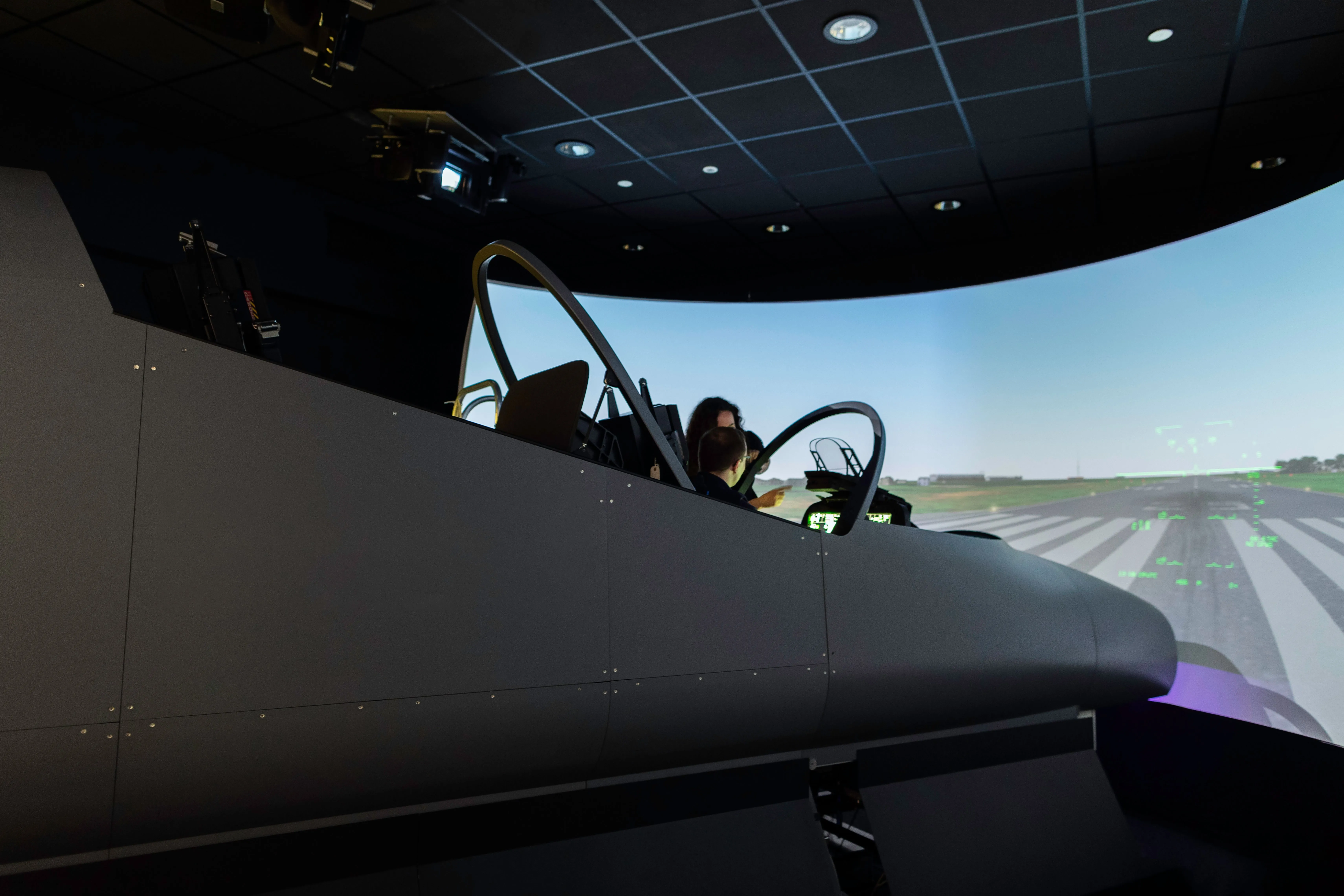
In the United States, major passenger airlines operating under Part 121 typically provide and pay for your type rating as part of their initial hiring training. However, possessing a pre-existing B737 PIC rating remains a major competitive advantage for business aviation, charter operators, and cargo carriers. For international pilots from India, the Pacific Rim, and other regions, the hiring dynamic is very different. International airlines frequently recruit low-time Commercial Pilot License holders who must self-fund their initial Boeing 737 type rating before applying. In these markets, holding a complete B737 type rating is an absolute barrier to entry. Without one, you cannot even apply for most line pilot positions overseas. A full PIC type rating ensures global career mobility and allows you to pursue opportunities across multiple continents without returning to school for an upgrade later.
If you are an international pilot, review our guide for international pilots seeking a Boeing 737 type rating for specific visa and regulatory guidance. To understand the full timeline, check out how long a 737 type rating takes from start to finish. For pilots maintaining currency, our 737 recurrent training checklist covers the requirements.
Frequently Asked Questions
What is the difference between a 737 PIC and SIC type rating?
A PIC type rating authorizes you to act as Pilot-in-Command of the Boeing 737 with no operational limitations. An SIC type rating limits your privileges to serving as Second-in-Command only. The SIC rating requires a less intensive training program and does not include a formal FAA checkride. The PIC rating demands a full oral and flight checkride and is required for captain roles.
Can I upgrade from an SIC type rating to a PIC type rating later?
Yes. Many pilots begin with an SIC rating and upgrade to a full PIC rating after accumulating flight hours and experience. The upgrade process requires completing a PIC-specific training syllabus and passing the FAA practical test. Programs like the B737 Differences course can help bridge the gap at an FAA Part 142 training center like LVFA.
Do airlines pay for type ratings?
Major U.S. airlines under Part 121 typically provide and pay for your type rating during new-hire training. Regional airlines, charter operators, and international carriers may require you to self-fund your rating before applying. A pre-existing PIC type rating significantly improves your hiring prospects and starting salary at most operators.
Is a type rating required for international 737 operations?
Yes. International aviation standards under ICAO require all co-pilots operating multi-crew turbojet aircraft to hold an aircraft-specific type rating. Whether you fly for a U.S. carrier on international routes or for a foreign airline. You must hold at least an SIC type rating for the 737 to serve in the right seat.
Can I complete both ATP-CTP and a type rating at the same school?
Yes. An FAA Part 142 training center like Las Vegas Flight Academy can bundle your ATP-CTP certification with a B737 PIC or SIC type rating. This streamlined track reduces travel costs and ensures your training curriculum is cohesive from ground school through checkride.
Ready to Advance Your B737 Career?
Choosing the right training path is a significant milestone. At Las Vegas Flight Academy, we operate state-of-the-art Level D Boeing 737-800 Full Flight Simulators in our dedicated Henderson, Nevada facility. Our instructors are former airline and military pilots with average flight times exceeding 20,000 hours.
Whether you need to complete your mandatory ATP-CTP, upgrade from B737 Classic to NG with differences training. Or secure a comprehensive B737 PIC Type Rating, we provide the training experience you need to succeed.
Read our detailed 737 SIC vs PIC type rating technical guide for an even deeper breakdown. Contact our admissions team today to plan your custom training pathway. Your next certificate is waiting.