
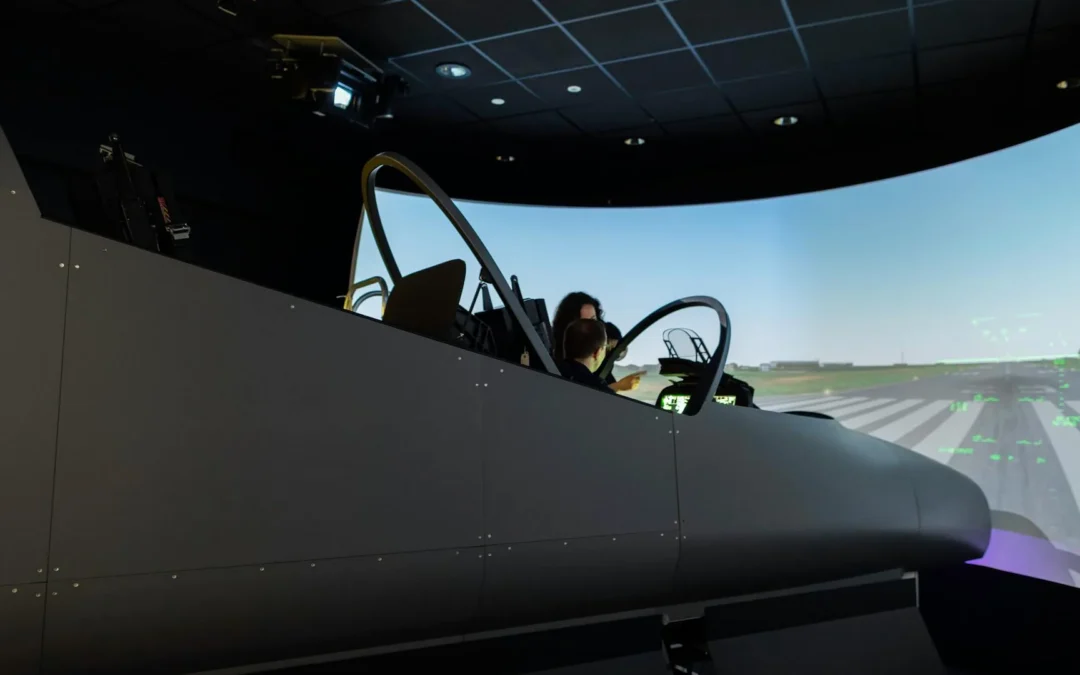
Full Flight Simulator Near Me: What Airline Pilots Should Look For
Typing full flight simulator near me into a search bar can produce everything from entertainment experiences to professional training centers. Airline pilots, ATP candidates, and type rating applicants need a much narrower answer. The right simulator option is not just nearby. It should match the aircraft, training objective, regulatory pathway, instructor standard, and schedule that will help a professional pilot move forward without wasting time or travel budget.
Need professional simulator training in the West? Contact Las Vegas Flight Academy to discuss ATP-CTP, Boeing 737 type rating, recurrent, or simulator training needs.
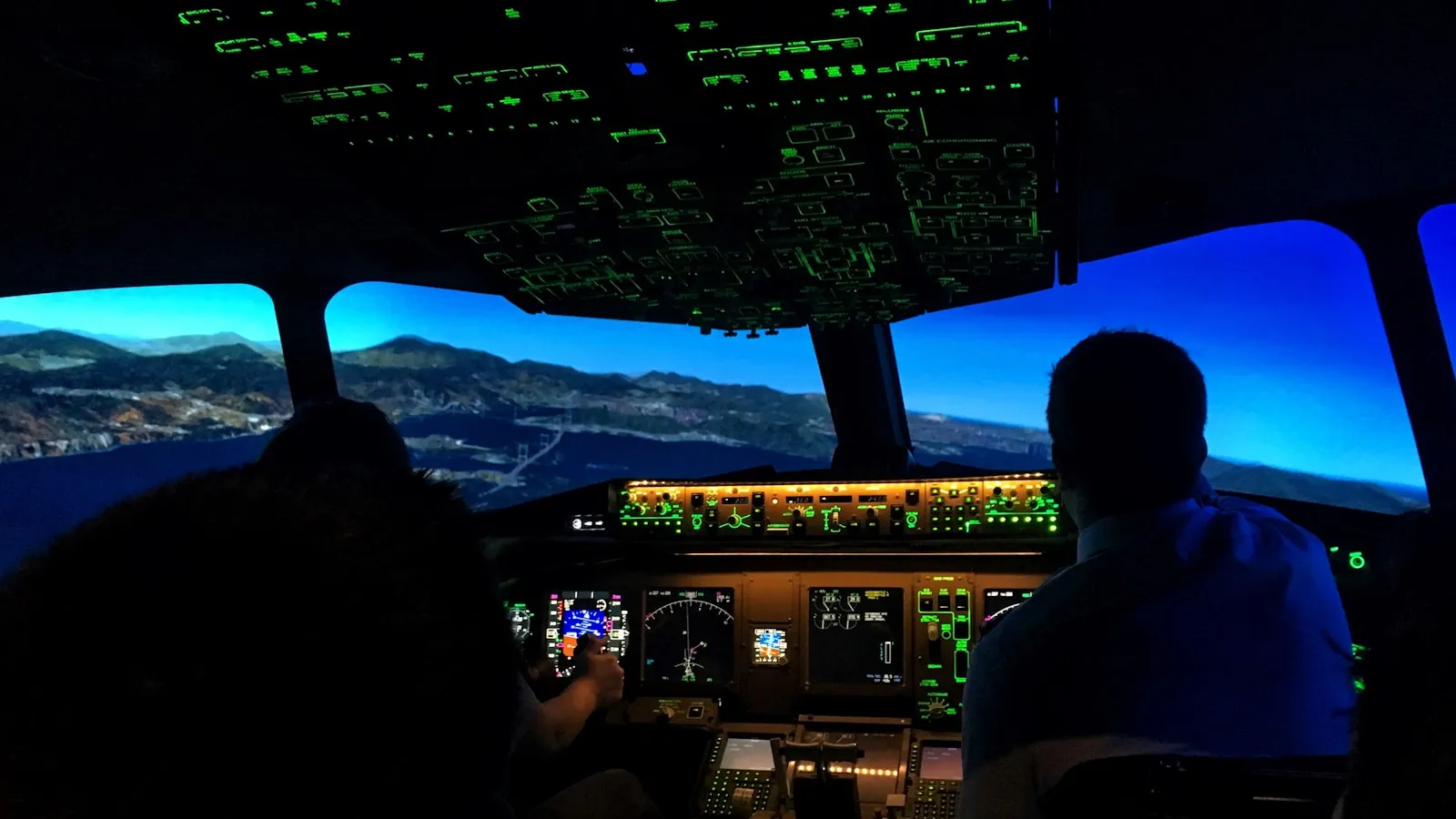
This guide explains how to evaluate a full flight simulator search with a professional pilot lens. It covers FAA Level D qualification, aircraft-specific device selection, Part 142 training center oversight, instructor experience, scheduling, and travel considerations. It also explains why a pilot in California, Nevada, Arizona, Utah, Oregon, Washington, New Mexico, Idaho, or Hawaii may find that a focused Henderson, Nevada training center is more practical than the closest casual simulator listing.
Start by separating professional training from simulator entertainment
A local search result is not proof that a provider supports airline-grade training. Some simulator businesses sell discovery sessions, team events, or hobby experiences. Those can be enjoyable, but they do not replace an FAA-approved training device used within an authorized aviation training program. Pilots should confirm what the simulator is used for before comparing price or drive time.
For a professional search, ask four questions first:
- Is the device an FAA-qualified full flight simulator, and what level is it?
- Does the provider train on the aircraft type or program relevant to the pilot’s goal?
- Is the training conducted through an FAA Part 142 training center when the course requires that structure?
- Are the instructors and schedules built for working professional pilots rather than casual visitors?
If the answer is unclear, the result may not belong on a professional shortlist. A pilot searching for airline training should treat the word “simulator” as a starting point, not a qualification by itself.
What does FAA Level D tell a pilot?
Level D is the highest FAA qualification category for a full flight simulator. A Level D device is designed to replicate aircraft behavior, motion, visuals, and cockpit handling with the fidelity needed for approved training tasks. For pilots choosing serious commercial training, this is a central quality filter because the simulator must support realistic procedure practice, scenario work, and course requirements.
Las Vegas Flight Academy describes its Boeing 737-800 Level D full flight simulators as part of its professional training environment. Pilots can also review LVFA’s dedicated overview of a Level D simulator facility in Las Vegas to understand why the surrounding building, maintenance support, bays, training rooms, and simulator housing in Las Vegas matter. The device itself matters, but training reliability also depends on a facility designed to keep the device ready.
A Level D designation should prompt follow-up questions rather than end the review. Ask whether the simulator supports the aircraft variant and course you need. Ask whether scheduled sessions are integrated with classrooms, briefings, and instructor support. Ask how the provider handles device availability, training records, and pilot communication. Professional training value comes from the complete system, not from a label in isolation.
Match the full flight simulator to the aircraft and training goal
Aircraft specificity matters. A pilot pursuing Boeing 737 work does not benefit from a generic jet cockpit experience when the goal is to complete a type rating course, recurrent training, upgrade work, recency training, or differences training tied to Boeing 737 operations. Matching the simulator and course design to the pilot’s objective makes each training hour more useful.
Las Vegas Flight Academy’s Boeing 737 type rating training page lists professional B737-800 programs such as initial type rating, upgrade, recurrent training, requalification, circling approach limitation removal, recent flight experience, and differences training. That is the level of program detail a pilot should seek when comparing providers.
Before committing to a full flight simulator provider, identify your actual use case:
- ATP-CTP preparation: You need the required blend of academics, fixed training device work, and Level D simulator time within an approved course.
- Initial type rating: You need an aircraft-specific curriculum, proficient instructors, and a device qualified for the training events in the program.
- Recurrent or requalification training: You need a provider that understands currency, regulatory requirements, and the pilot’s time away from the aircraft.
- Differences or special purpose training: You need confirmation that the program and device support the precise limitation, variant, or proficiency objective.
A local simulator with a recognizable cockpit can still be the wrong choice. The right choice is the simulator and training center that correspond to the pilot’s certificate, aircraft, and next professional step.
Why should a pilot care about Part 142 certification?
When pilots compare professional training centers, FAA Part 142 certification is one of the clearest trust signals. A Part 142 training center operates under FAA oversight with approved programs, records, instructor standards, and training procedures. That structure matters when the pilot is not just practicing maneuvers but completing an established regulatory course or aircraft program.
LVFA explains this background in its guide, What Is a Part 142 Training Center? The key takeaway for a pilot searching online is simple: the nearest simulator is not automatically the nearest qualified training pathway. If the training objective expects formal oversight, compare providers on authorization, not only mileage.
Part 142 status also helps distinguish a focused training operation from a facility that merely rents simulator time. Pilots should look for clear evidence of approved programs, a professional student process, and the ability to discuss what course fits their goal. If a provider cannot describe its training authorization plainly, ask more questions before booking.
Planning a Boeing 737 pathway? Review LVFA’s 737 type rating options and compare the course fit before you choose a simulator based on distance alone.
Evaluate instructor quality, not only equipment
A simulator does not teach by itself. Instructors determine how a session is framed, how errors are corrected, how line-oriented thinking is developed, and how a pilot leaves the training event better prepared than when it started. Professional pilots should ask about instructor backgrounds early in the search process.
Las Vegas Flight Academy states that its instructors are former airline and military pilots and instructors with average total time exceeding 20,000 hours. Its About Us page emphasizes an aviation training experience built around serious professional preparation rather than volume alone. That kind of context helps pilots judge whether the provider will understand airline expectations, crew communication, and practical simulator coaching.
Useful instructor questions include:
- Who teaches the ground and simulator portions of the course?
- What airline, military, or aircraft-specific experience supports the instructor team?
- How are pre-briefs and debriefs structured?
- Does the provider tailor expectations for an ATP candidate, experienced line pilot, returning pilot, or international applicant?
Strong instructors help pilots convert simulator fidelity into training outcomes. Without that coaching layer, even advanced equipment can deliver a weaker result.
Look at scheduling stability before choosing the “nearest” option
Travel distance is easy to compare. Schedule certainty is more important. A pilot may save an hour on the drive and lose several days to limited session availability, course dates that do not align, or a provider that cannot package ground, simulator, and records cleanly. For a pilot arranging time away from work, a reliable training block can be more valuable than a smaller map radius.
LVFA positions its single Henderson location as a focused operation with stable, dependable training schedules. For ATP-CTP applicants, the academy publishes a dedicated ATP-CTP training page so pilots can see how the professional course is structured. Pilots comparing any provider should ask what dates are realistic, how often programs run, what completion documents are issued, and how communication works before arrival.
Scheduling review should include:
- Course start dates and expected duration
- Simulator session sequencing
- Ground school, briefing, and debriefing time
- Rescheduling expectations if travel or operational needs change
- Prompt issuance of training records or certificates when applicable
If two providers seem comparable on simulator type, the smoother scheduling process often determines which is better for a professional pilot.
Travel math matters for West Coast pilots
A full flight simulator search should consider door-to-door practicality. For many Western pilots, Henderson and Las Vegas can reduce training friction even when another result appears closer in search. Harry Reid International Airport offers broad access, Henderson is reachable after arrival, and Las Vegas has lodging, dining, and services for pilots completing multi-day training blocks.
LVFA serves pilots from California, Nevada, Arizona, Oregon, Washington, Utah, Idaho, New Mexico, Hawaii, and beyond. Its article on why California pilots travel to Las Vegas for ATP-CTP explains the regional logic in more detail. The same principle applies when comparing professional simulator options: total trip reliability can outweigh a simple “near me” interpretation.
When comparing travel, estimate:
- Flight or drive time to the training location
- Airport transfer time and local transit
- Hotel availability for the full training block
- The cost of schedule uncertainty or an extra overnight stay
- Whether the facility can answer training questions before you book travel
A West Coast pilot may find that a clear Las Vegas training plan is more efficient than piecing together a local option that lacks the right course, aircraft, or availability.
Questions to ask before booking a full flight simulator
Use this checklist when you call or email a provider. It keeps the discussion tied to professional outcomes instead of vague marketing claims.
- What FAA qualification level is the full flight simulator? Confirm the device category and ask whether it fits the intended training event.
- Which aircraft and variants are supported? Training relevance depends on more than the phrase “commercial jet simulator.”
- Which approved programs does the center offer? Ask specifically about ATP-CTP, type rating, recurrent, requalification, differences, or special purpose work as needed.
- Is the provider an FAA Part 142 training center? Understand whether the formal authorization matches the purpose of your training.
- Who instructs the sessions? Seek meaningful professional flying and training backgrounds.
- How are course dates, simulator sessions, and records handled? Administrative clarity saves time for pilots and employers.
- What should I budget for travel? Compare the full training trip, not just the price of one session.
This set of questions quickly reveals whether a provider understands professional pilot needs. Clear, direct answers are a positive sign. Ambiguous answers suggest more diligence is needed.
How Las Vegas Flight Academy fits a professional simulator search
Las Vegas Flight Academy is a Henderson, Nevada FAA Part 142 training center focused on professional aviation training. The academy operates Boeing 737 full flight simulators, supports ATP-CTP and Boeing 737 training pathways, and presents itself to pilots who need serious advancement rather than a recreational simulator outing.
That positioning is relevant for a pilot who searches for a full flight simulator near me but actually needs a training center that can answer larger questions: Is the simulator right for the aircraft? Is the course recognized? Will the schedule make sense? Are the instructors prepared for professional cockpit training? Is the travel plan realistic from the West Coast?
Ready to narrow the search? Contact Las Vegas Flight Academy to discuss your simulator training objective, travel window, and the most relevant professional program.
Choose fit over proximity
The best answer to full flight simulator near me is not always the closest address. For airline-focused pilots, fit comes first: FAA Level D fidelity, the correct aircraft-specific program, Part 142 oversight where relevant, high-caliber instructors, stable scheduling, and manageable travel. When those pieces align, a focused training trip can deliver better value than a nearby option that does not match the pilot’s actual goal.
LVFA’s Henderson location gives Western pilots a professional simulator training option built around Boeing 737 and ATP-CTP needs. Start by defining your training objective, then compare providers against the checklist above. That process leads to a better decision than relying on map distance alone.