
If you are a commercial pilot in California, Oregon, Washington, Nevada, Arizona, Utah, Idaho, New Mexico, or Hawaii, the hardest part of ATP-CTP planning is often not the course itself. It is finding a qualified FAA Part 142 provider close enough to make the trip practical. For many pilots searching for West Coast ATP-CTP training, the surprise is that California does not currently solve that problem.
Ready to complete ATP-CTP without crossing the country? Reserve your West Coast ATP-CTP seat at Las Vegas Flight Academy.
That gap matters. ATP-CTP is required before you can take the FAA ATP knowledge test, and the course has to be completed at an authorized training center. When no California option is available, pilots have to compare the real cost of travel, hotel nights, missed work, schedule reliability, and access to approved simulator training. For West Coast pilots, Las Vegas is usually the closest practical answer.
Why California Pilots Cannot Simply Take ATP-CTP in California
ATP-CTP is not a regular ground school that any flight school can offer. It must be delivered through an FAA-approved training program, typically under Part 142, with approved curriculum, instructors, and simulator resources. The FAA’s public Part 142 training center list includes many active providers across the country, including Las Vegas Flight Academy, but California pilots looking for a local ATP-CTP option quickly run into a practical problem: the state does not currently have the kind of accessible FAA Part 142 ATP-CTP provider that solves the need for airline-bound commercial pilots.
That is why so many pilots in Los Angeles, San Diego, San Francisco, Sacramento, Fresno, San Jose, Portland, Seattle, Phoenix, Reno, Salt Lake City, Boise, and Honolulu end up planning a training trip. The question becomes where to go, not whether travel is required.
This is also where the distinction between primary flight training and ATP-CTP matters. A local flight school may help you build time, finish commercial training, or prepare for instrument work, but ATP-CTP is a separate FAA-required step before the ATP written exam. It includes classroom instruction, fixed-base simulator time, and full-flight simulator time. A pilot cannot replace it with self-study or a local CFI endorsement.
What ATP-CTP Includes and Why the Provider Matters
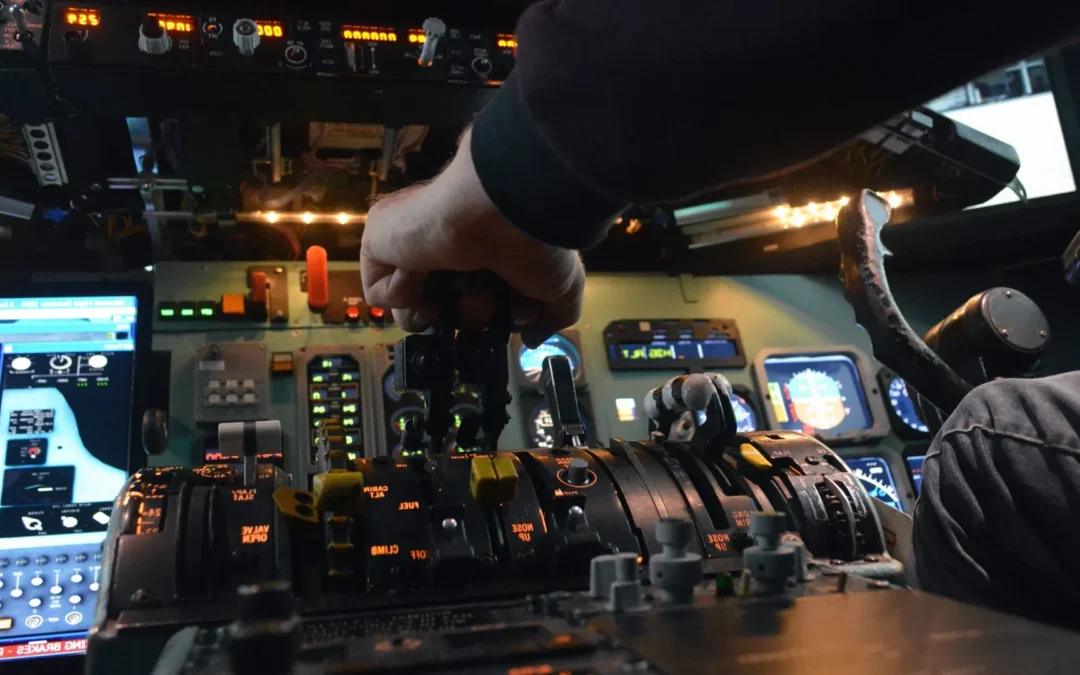
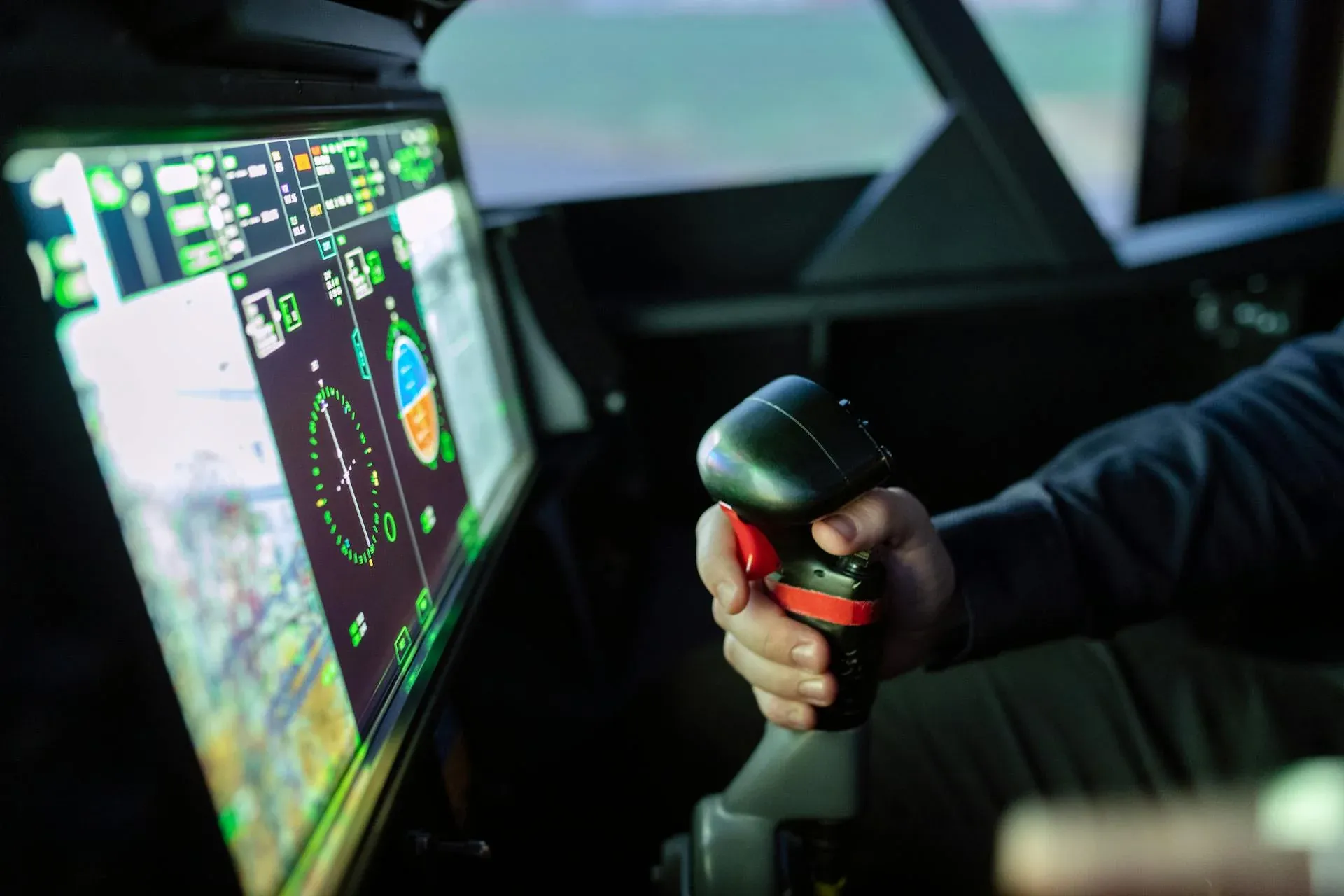
The Airline Transport Pilot Certification Training Program is designed to bridge the gap between commercial pilot experience and airline transport pilot standards. At Las Vegas Flight Academy’s ATP-CTP course, the program runs for six days and includes the FAA-required mix of academic and simulator training:
- 32 hours of ground school
- 4 hours in a fixed-base simulator
- 6 hours in a Level D full-flight simulator
- Training in Boeing 737-300 and 737-800 simulator environments
- An ATP-CTP completion certificate required before the FAA ATP written exam
Review the full ATP-CTP tuition and cost breakdown to plan your training investment.
The provider matters because the course is more than a checkbox. You are spending a week in an airline-style training environment, working through high-altitude operations, aerodynamics, weather, crew resource management, leadership, professionalism, and simulator scenarios that introduce large aircraft operating concepts. A stable schedule, experienced instructors, and properly maintained simulators can make the difference between a smooth six-day course and a costly delay.
Las Vegas Flight Academy operates from a dedicated training facility in Henderson, Nevada, near Harry Reid International Airport, with Boeing 737 Level D full-flight simulators and a focused Part 142 training model. For pilots who are already paying for airfare, lodging, food, and time away from work, that reliability is not a small detail.
Why Las Vegas Is the Logical West Coast Alternative
Las Vegas sits close enough to the major West Coast pilot markets to change the economics of ATP-CTP. From Southern California, the trip can be a short flight or a drive. From Northern California, Oregon, Washington, Arizona, Utah, Idaho, and Hawaii, Las Vegas is well served by frequent nonstop flights. That matters because ATP-CTP is already a condensed course. Adding a full day of cross-country travel on either side defeats the purpose.
For a California pilot, choosing Las Vegas can reduce:
- Airfare compared with longer trips to Texas, Florida, or the East Coast
- Extra hotel nights before or after training
- Rental car days and ground transportation costs
- Schedule risk from connections, delays, and long travel days
- Time away from instructing, charter flying, or other paid work
Las Vegas also gives West Coast pilots a straightforward arrival plan. Fly in before class, complete the six-day program, and return home without building an entire second trip around the training. For many pilots, that convenience is just as important as tuition.
Check available course start dates in Las Vegas before booking travel.
Compare dates and course details here: view the 6-day ATP-CTP program in Las Vegas.
West Coast Travel Cost Comparison
Tuition is only one part of the ATP-CTP decision. A course that looks similar on paper can become more expensive once travel is included. The table below uses practical planning categories rather than exact quotes, since airfare and hotel rates change by date.
| Training Destination | Typical West Coast Travel Burden | Hotel Impact | Best Fit |
|---|---|---|---|
| Las Vegas | Short flight or drive from many West Coast cities | Usually 6 to 7 nights around the course | CA, NV, AZ, OR, WA, UT, ID, NM, HI pilots seeking a regional option |
| Dallas or Houston | Longer flight, more distance, and more schedule exposure | Often similar course nights plus more travel padding | Pilots already based in Texas or connecting through Texas |
| Florida or East Coast | Cross-country travel for West Coast pilots | Higher chance of extra pre- or post-course hotel nights | Pilots already located in the Southeast or East Coast |
The practical difference is not just mileage. If you are instructing five or six days a week, each extra travel day can mean lost income. If you have an airline interview timeline, a missed connection can create more stress than the tuition difference between providers. If you are commuting from Hawaii, a nonstop or simple connection into Las Vegas may be far easier than building an itinerary to a distant training center.
How the 6-Day LVFA ATP-CTP Program Works
Las Vegas Flight Academy’s ATP-CTP program is built to move qualified pilots through the required training in a focused six-day format. The course combines classroom instruction with simulator sessions, so you can complete the training requirement and move on to ATP knowledge test preparation and airline application steps.
During the ground school portion, pilots cover the subjects required for ATP-CTP, including high-altitude operations, aerodynamics, weather, air carrier operations, crew resource management, leadership, and professionalism. The simulator portion introduces airline-style operations in fixed-base and full-flight simulator environments. LVFA uses Boeing 737 simulator equipment, which gives pilots exposure to a transport-category jet environment even if their prior experience has been in piston, turboprop, military, or smaller commercial aircraft.
There is no aircraft flight time in ATP-CTP. That is normal. The course is not a type rating, and it is not the ATP practical test. It produces the completion certificate you need before taking the FAA ATP written exam. Pilots who want to understand the full sequence from commercial pilot to airline transport pilot can also review LVFA’s guide to the commercial pilot to ATP timeline.
Who Should Consider West Coast ATP-CTP in Las Vegas?
Las Vegas is especially practical if you are a pilot who is close to, or already beyond, the experience threshold for ATP certification and you are trying to remove the ATP-CTP requirement from your airline path. It is also a strong fit if you are based in a West Coast market where local ATP-CTP access is limited.
You are likely a good candidate if you:
- Hold a commercial pilot certificate with an instrument rating
- Are approaching airline application minimums
- Need the ATP-CTP completion certificate before the ATP written exam
- Want to avoid cross-country travel for a six-day course
- Prefer training in a Boeing 737 simulator environment
- Are based in California, Nevada, Arizona, Oregon, Washington, Utah, Idaho, New Mexico, or Hawaii
Military pilots, international pilots with qualifying credentials, and pilots planning a later Boeing 737 type rating may also find Las Vegas useful because the facility is focused on advanced simulator training rather than primary flight instruction.
What Should California Pilots Do Before Booking?
Before choosing any ATP-CTP provider, confirm three things. First, make sure you meet the prerequisite pathway for enrollment. Second, verify that the course schedule fits your ATP written exam and airline application timeline. Third, calculate the total trip cost, not just the posted course price.
For California pilots, that total cost calculation often favors Las Vegas because the travel plan is simpler. A Los Angeles or San Diego pilot may be able to drive. A Bay Area or Sacramento pilot can usually find short flights. A pilot in Oregon, Washington, Arizona, Utah, Idaho, or Hawaii can often reach Las Vegas with fewer routing complications than a distant provider.
Also remember that ATP-CTP is not written test prep. You should plan a separate study strategy for the FAA ATP knowledge test. The course makes you eligible to sit for the written, but your test score still depends on preparation outside the six-day program.
Have a date in mind? Contact Las Vegas Flight Academy to discuss West Coast ATP-CTP availability.
FAQ: West Coast ATP-CTP and California Training Options
Is there ATP-CTP training in California?
California pilots should not assume a local ATP-CTP provider is available; review ATP-CTP training for California pilots when comparing practical travel options. ATP-CTP must be completed through an approved program with the required ground and simulator elements. Many California pilots travel to Las Vegas because it is one of the most practical West Coast options.
Why do California pilots choose Las Vegas for ATP-CTP?
Las Vegas is close to major California pilot markets, has frequent air service, and gives West Coast pilots access to FAA Part 142 ATP-CTP training without a cross-country trip. LVFA’s six-day program also uses Boeing 737 Level D full-flight simulator training.
Does ATP-CTP include the ATP written exam?
No. ATP-CTP gives you the completion certificate required before you can take the FAA ATP written exam. You should still use a separate written test preparation program before sitting for the exam.
How long does ATP-CTP take at LVFA?
LVFA’s ATP-CTP course is a six-day program. It includes 32 hours of ground school, 4 hours in a fixed-base simulator, and 6 hours in a full-flight simulator.
Is ATP-CTP the same as a Boeing 737 type rating?
No. ATP-CTP is a prerequisite training program for ATP written exam eligibility. A Boeing 737 type rating is a separate qualification for pilots who need aircraft-specific training and checking.
The Bottom Line for West Coast Pilots
California’s lack of an accessible FAA Part 142 ATP-CTP provider creates a real planning problem for airline-bound pilots. The solution is not just finding any provider. It is finding the closest reliable provider that keeps your total trip cost, schedule risk, and time away from work under control.
For many West Coast pilots, Las Vegas is the logical choice. LVFA combines FAA Part 142 training, Boeing 737 Level D simulator resources, a focused six-day ATP-CTP structure, and a location that is easy to reach from the western United States and Hawaii.
If ATP-CTP is the next step between your commercial pilot experience and your airline goals, plan the trip around total efficiency. For California and West Coast pilots, that usually points to Las Vegas.