
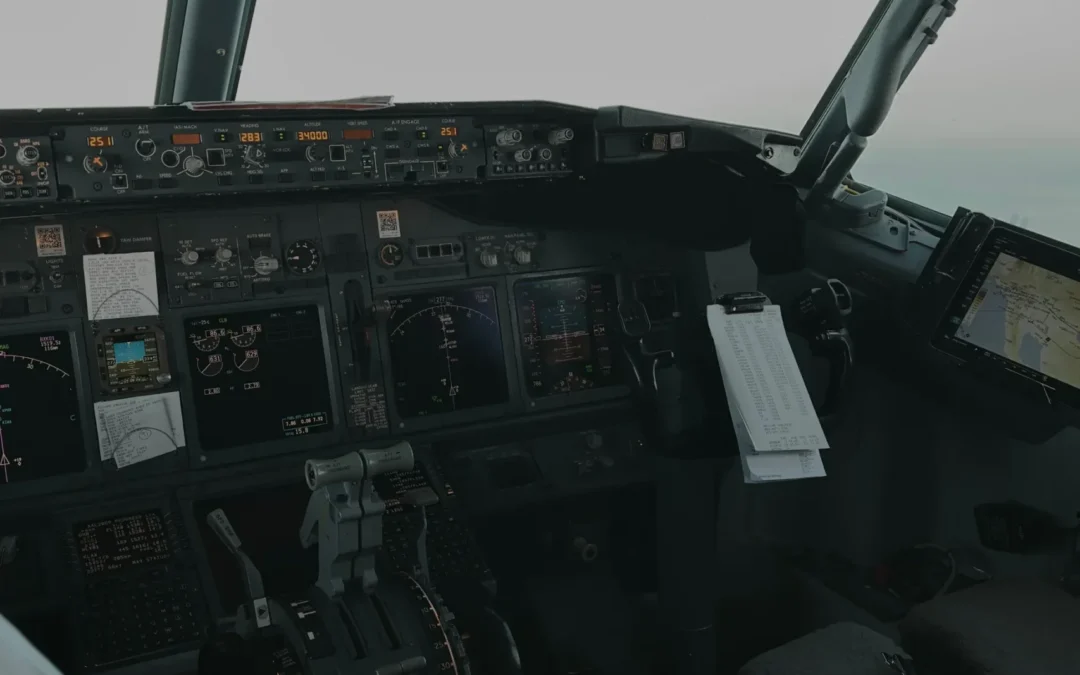
Stepping inside a B737 Level D simulator feels just like sitting in the cockpit of a real Boeing jet.
A B737 Level D simulator is the highest standard of flight training tech set by the FAA for both commercial and airline pilot training programs in the United States today. According to Wikipedia, these high-tech machines use a full motion system and clear screens to copy the cockpit so well they qualify for zero flight time training. This tech lets pilots practice emergency moves in a safe place, which helps them learn a new plane type and get the skills for airline jobs. Las Vegas Flight Academy uses these simulators for top-tier training, which ensures students can fly large planes safely in all weather and flight conditions while mastering complex systems.
Knowing how these machines work is the first step for any pilot who wants to get a new rating or stay current. Many pilots ask what makes these high-tech systems so special and What Exactly Is a Level D Full Flight Simulator? The path to the answer begins by asking
What Exactly Is a Level D Full Flight Simulator?
A Level D full flight simulator is the top tier of pilot training tech. These tools are not basic flight games or simple devices. They are large, high-cost machines built to act just like a real plane. For pilots, work in a B737 Level D simulator is the last step before they fly a real jet.
The top FAA training grade
The Federal Aviation Administration (FAA) sets firm rules for simulator levels under 14 CFR Part 60. Level D is the best grade a sim can get. This means the tool is so precise that the FAA lets pilots use it for zero flight time training. This helps a pilot learn a new jet and get their rating without leaving the ground. The FAA checks that every part works well and matches the real world before they give this certificate.
Exact cockpit and system copies
Inside the sim, a pilot finds a full copy of the flight deck. Every knob, dial, and screen is in the same spot as the real jet. A Level D tool must mimic all key aircraft systems that a pilot can reach from their seat. This includes the auto-pilot, flight computers, and power panels. Because these tools match the glass cockpit displays of a real B737, the move to the real jet feels smooth for the crew.
Advanced view and motion tools
One main part of a Level D sim is the visual system. These sims use mirrors to create a deep, life-like view for the pilots. The side-to-side view covers at least 200 degrees. This gives a clear look at the runway and the sky. The whole cockpit sits on a base that moves in six ways. This setup makes the real feel of a takeoff, a landing, or rough air. This high level of realism helps pilots build the skills they need for safe airline flights.
The Technology Behind a B737 Level D Simulator
A B737 Level D simulator relies on complex systems to create a true-to-life training space. These machines use a six-degree-of-freedom motion platform to mimic the physical feel of flight. The design, often called a Stewart platform, uses six hydraulic or electric legs to move the cabin in any direction. This setup allows for acceleration onset cueing, which gives pilots the instant feel of turns, climbs, and stalls.
Advanced visual and sensory systems
Modern visual systems are key to the high realism found in a B737 Level D simulator. These units use collimated displays that provide a wide field of view, typically 200 degrees wide by 40 degrees tall. This optics tool makes distant objects look three-dimensional, just as they would from a real flight deck. The system can simulate dawn, dusk, and night light, as well as weather like heavy rain or fog.
Realistic force feedback is another vital part of the experience. A control loading system adjusts the pressure on the yoke and pedals based on the speed and position of the plane. This ensures that the controls feel heavy at high speeds and lighter as the plane slows down. By mimicking these physical forces, the simulator helps pilots build the muscle memory needed to fly a real Boeing jet.
Full cockpit and systems integration
The interior of a Level D unit is an exact copy of the aircraft it represents. It features a full glass cockpit with working avionics and systems displays. Every switch, lever, and light works just like the ones in the actual plane. The simulator must track and simulate all critical aircraft systems accessible from the flight deck. This level of detail allows crews to practice normal flights and manage emergency tasks in a safe, controlled space.
FAA Qualification Levels: Where Level D Fits
The Federal Aviation Administration (FAA) sets clear rules for flight training. These rules, found in 14 CFR Part 60, group flight devices into four main levels. This system helps pilots find the right tools for their goals. Each level has its own technical needs for motion, view, and flight data. Pilots must understand these grades to choose the best training for their career. Each tier builds on the last to provide more detail and realism.
Understanding the FAA Grading System
The FAA ranks full flight simulators from Level A to Level D. Level A is the basic start, while Level D is the top tier. Each step up adds more tools to make the flight feel real. Level A and Level B devices provide limited motion and basic visual systems. They are good for some tasks but cannot do it all. Level C and Level D devices use more power to show realistic scenes and movements.
A Level C device offers six ways to move. This is known as six degrees of freedom. It also has better visual systems than lower grades. But it still lacks some of the fine detail found in the highest tier. Most expert pilots aim for the top grade to ensure they are ready for real airline work. This grading system ensures that every pilot learns in a safe and controlled space. It helps build the skills needed for a long and safe career.
The Level D Advantage for Pilots
A Level D full flight simulator is the gold standard in flight. It must mimic all the systems in a real flight deck. This includes the glass cockpit and the force felt on the controls. It uses a high-end Stewart platform to copy the feel of takeoff and landing. This motion helps pilots learn how the plane reacts to every input. The device also uses advanced flight data to match the jet’s true aero traits.
The B737 Level D simulator is also fit for zero flight time training. This means a pilot can learn to fly a new plane fully in the sim. They can then fly the real aircraft with passengers right away. This is only safe because the tech is so close to a real Boeing jet. It saves time and keeps training costs lower for new pilots. It also includes ground effects and braking cues that other sims lack.
| FAA Level | Motion System | Visual System | Field of View | Training Use |
|---|---|---|---|---|
| Level A | 3 Degrees (DoF) | Night scenes only | 30 degrees | Basic flight tasks |
| Level B | 3 Degrees (DoF) | Dusk and night | 45 degrees | Initial training |
| Level C | 6 Degrees (DoF) | Full day and night | 75 degrees | Recurrent training |
| Level D | 6 Degrees (DoF) | Collimated daylight | 200 degrees | Zero flight time |
High-Tech Visuals and Motion
The visual system in a top-tier sim is a marvel of design. It uses a collimated design to create a deep view. This makes distant objects look like they are far away, just like in real life. These systems provide a field of view that can reach 200 degrees across. This wide view is vital for landing and flying in tight spaces. The screen shows day, night, and dusk scenes with great clarity.
The response time in these devices is also very fast. The sim must react to pilot inputs with almost no delay. This helps pilots build the right muscle memory for real flight. The six-way motion system provides smooth cues for speed and turns. By using a B737 Level D simulator, pilots can practice complex moves safely. They can face stalls or bad weather without any risk to a real aircraft.
How Pilots Train on a B737 Level D Simulator
Professional flight training in a Level D 737 simulator training environment is a strict, multi-step process. This high-level technology helps crews practice complex flight tasks without the risks or costs of using a real jet. At Las Vegas Flight Academy, these sessions are the core of both Level D simulator training for new pilots and required checkrides for pros.
Session prep and cockpit setup
Every training day starts with a short talk to set goals and review flight paths. Pilots then enter the simulator to set up the cockpit and run safety checks. They use the same glass screens and tools found in a real Boeing 737-800 to ensure total accuracy. This phase focuses on normal tasks to build the habits needed for daily airline flights.
Emergency and crew training
Instructors use the simulator to test how crews handle system breaks and bad weather. Pilots must manage engine fires, leaks, and tool faults while keeping the jet stable. These sessions also build team skills to help pilots work well under pressure. The FAA standards for Level D ensure that every motion and sound feels exactly like a real aircraft.
- Pre-flight brief: The crew meets with the teacher to discuss the flight plan, weather, and specific training goals for the four-hour session.
- Cockpit setup: Pilots enter the 6-DoF motion cabin to start aircraft systems, set the flight computer, and run safety checks.
- Normal tasks: The team practices standard takeoffs, climbs, and landings to maintain smooth flight deck flow and system knowledge.
- Emergency scenes: The teacher triggers faults like engine fires or smoke in the cockpit to train pilots on quick, safe reactions.
- Crew teamwork: Pilots practice clear talk and shared tasks to ensure the flight deck stays calm and ready during high-workload events.
- Post-flight debrief: The session ends with a review of flight data and teacher notes to find areas for skill growth.
Initial and recurrent paths
Level D simulators serve two main roles in a pilot career. New pilots use them for initial training when they learn a new aircraft type for the first time. For working airline staff, recurrent training every six months is a legal rule to keep their skills sharp. This regular practice ensures that all airline pilots can safely fly passengers in all types of flight conditions.
Why Level D Simulators Matter for Your Airline Career
Modern airline training relies on high-tech tools to prepare pilots for the flight deck. The B737 Level D simulator is the gold standard for this work. These machines offer more than just a place to practice. They are vital for moving your career forward. From saving time on ratings to mastering risky flight paths, these sims change how you learn to fly.
Zero Flight Time training
One of the biggest wins for pilots is the chance for Zero Flight Time (ZFT) training. Level D machines are the only ones the FAA allows for this path. ZFT means you can finish your full training for a new plane type without ever flying the real jet. This is a major shift from the old days of flight school. It lets you move from the classroom to a commercial jet much faster.
This path works because the flight tech is so real. The FAA sets strict rules for these machines under 14 CFR Part 60 to ensure safety. For a pilot, this means your time in the sim counts just like time in the air. You save months of waiting and get into the cockpit of a major airline sooner.
Safe practice of critical drills
Flying a real plane has risks, even when you are just learning new skills. A B737 Level D simulator gives you a safe space to fail and learn. You can practice engine fires, gear failures, or wind shear without any risk to your life. These events are rare in the sky but vital to know. In the sim, you can run these drills over and over until they feel natural.
Training this way builds real trust in your skill. You can push the plane to its limits in ways that would be too risky in the real world. This type of training is a key part of our ATP-CTP program at the academy. It ensures that every pilot we train is ready for a crisis. When you finally face a real challenge, you will know exactly what to do.
Career growth and cost savings
Getting your wings is expensive, and rental costs for large jets are very high. Simulators offer a much cheaper way to get the hours you need. The cost of a few hours in a sim is a small part of the cost of a real flight. This makes it easier to stay current and keep your skills sharp. It also helps you meet the high hour counts needed for airline jobs.
A Level D sim is not just a tool for new pilots. Even the most senior pilots use them every six months for regular checks. Staying sharp in a B737 Level D simulator shows airlines that you are a pro. It proves you can handle the tech and the stress of the job. For any pilot wanting a long career, using these sims is a must.
Level D Simulator Training at Las Vegas Flight Academy
Picking the right flight school is a key step for your career. Las Vegas Flight Academy offers high-level training to get you ready for the airline flight deck. As a boutique school, we give you the direct care that large centers often lack. Our team uses top-tier tools to help you meet FAA rules and build real skills.
FAA Part 142 Certified Training in Las Vegas
We are an FAA Part 142 training center in Henderson, Nevada. This means our school meets strict legal rules for pilot safety and skill. Being in Las Vegas makes us a top choice for pilots on the West Coast. We serve many students from California, Arizona, and Washington who need a nearby site for flight courses. Our space is built for those who want a clear path to the airlines without the feel of a large shop.
Safety and good work are the main goals at Las Vegas Flight Academy. We follow the high standards set by 14 CFR Part 60 to make sure every lesson is useful. Pilots come to us for a firm way to get their ratings in an expert setting. Our spot offers a quiet place to focus on your goals.
Our B737-800 Level D Simulator Fleet
The heart of our work is the B737 Level D simulator. We use two B737-800 full flight devices, known by FAA IDs #1168 and #2104. These tools are the best training gear allowed by the FAA. They give you a full range of motion and a look that feels just like the real jet. Using these sims helps you learn the flight deck before you ever fly the real plane. This saves time and helps you feel ready for your checkride.
Training on these sims is a key part of our ATP-CTP program. It gives you a chance to practice tough flight tasks in a safe area. By using the B737-800 Level D simulator, you can prepare for airline work. This tech makes our Boeing 737 Type Rating course a top choice for pilots who want to fly for a major firm.
Boutique Environment for Focused Learning
We believe that small classes and one-on-one time help you learn faster. Unlike large training shops, we focus on your own needs. This boutique style ensures you know every system and rule. Our teachers have years of flight time and are here to help you grow. You will find that our single spot in Las Vegas is a great place to study and train.
Our sim training is both safe and costs less. We provide a space where you can try new things and learn from errors without risk. This style of training helps you move into your career with trust in your skills. Whether you are a local pilot or from another land, we aim to give you the best training you can find.
Frequently Asked Questions
How much does a Level D simulator cost?
A new Level D full flight simulator usually costs between $20 million and $30 million. This high price is due to the complex technology needed to meet FAA rules. These machines include a motion system and high-quality screens. According to Wikipedia, these simulators are the highest standard and allow for zero flight time training. For pilots, the price to rent one ranges from $400 to $800 per hour.
How much does a 737 simulator cost?
A Boeing 737 Level D simulator is a major purchase that often costs between $20 million and $30 million for the machine alone. These systems copy every part of a real 737 flight deck with great care. According to Las Vegas Flight Academy, these machines let pilots finish important training like type ratings. This method is safer and costs less than flying a real plane for practice.
What is the difference between Level C and Level D Sim?
The main difference is the quality of the motion and the view outside the cockpit. Both levels have motion, but a Level D simulator must have a special visual system for a better 3D effect. It also has a wider field of view. Level D units allow for zero flight time training. This means a pilot can learn a new plane type without using a real jet as shown by Wikipedia.
What is the best 737 for flight simulator?
Many pilots feel the Boeing 737-800 is the best model for training because so many airlines use it today. Learning in a B737-800 Level D simulator gives pilots the right skills for jobs at large airlines. Las Vegas Flight Academy uses two B737-800 simulators with FAA IDs #1168 and #2104. These machines help pilots get ready for their careers on a very common plane.
Schedule your B737 Level D simulator training session
Waiting to start your training can hold you back from a high-paying job. Other pilots will move ahead of you to gain seniority at the major airlines. If you do not book your simulator time soon, you may miss the best dates. Long delays can slow down your next big checkride and your career path. Our simulators give you a real feel for your training while you save money. You can learn in a safe space and meet all of your FAA rules. Start your path to the cockpit now and stay sharp in a real flight environment.
Ready to schedule? Call (818) 489-1738 to schedule your B737 Level D simulator training session at Las Vegas Flight Academy.