
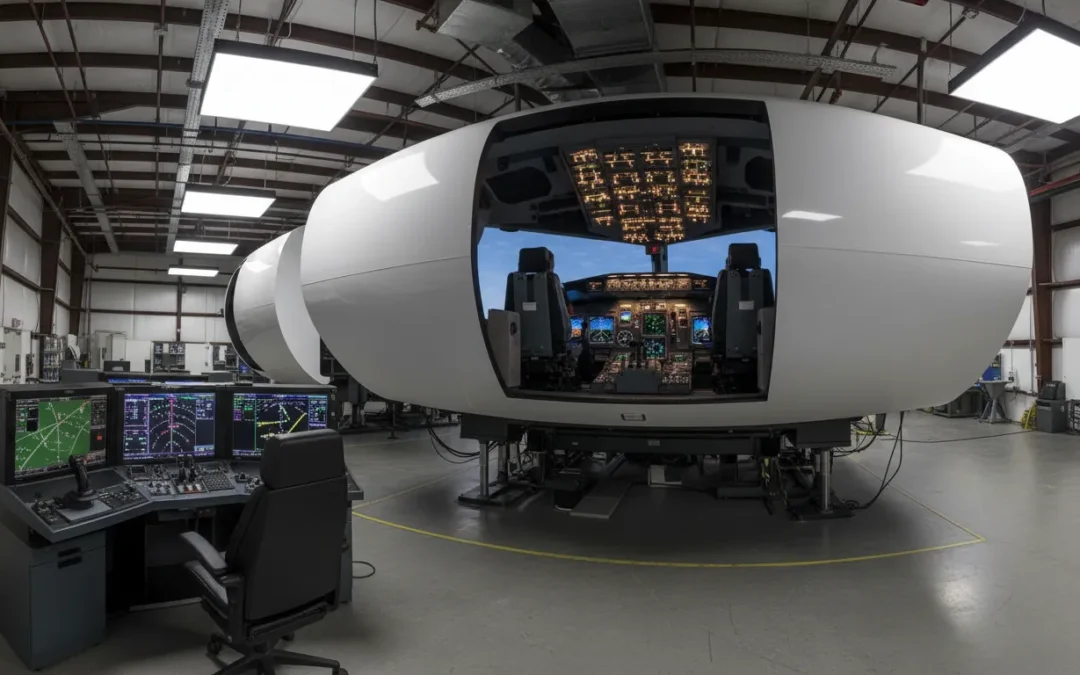
A Boeing 737 simulator session exposes weak preparation fast. The first briefing, first checklist call, and first abnormal procedure all show whether a pilot understands the course purpose before walking into the device.
Level D 737 simulator training places pilots in the highest FAA-qualified full-flight simulator category, with aircraft-specific controls, outside visuals, motion cues, and structured scenarios for professional training. At Las Vegas Flight Academy, pilots use Boeing 737-800 Level D simulators for ATP-CTP, Boeing 737 type rating, and recurrent training pathways.
This guide explains what Level D means, what pilots should expect inside the simulator environment, how the training fits LVFA’s ATP-CTP and 737 programs, and what to confirm before arrival.
What Level D 737 simulator training means before you arrive
Summary: Level D 737 simulator training is not a casual cockpit trainer. It is a full-flight Boeing 737 simulator environment qualified for defined training tasks, with motion, visuals, cockpit controls, and FAA oversight behind the training credit.
Level D is the highest qualification level for a full-flight simulator. For a pilot, the practical meaning is simple: the device is designed to reproduce aircraft-specific behavior closely enough for approved professional training and checking tasks.
A Level D 737 simulator includes a 737 flight deck, visual system, motion system, instructor station, aircraft-specific controls, and scenario capability. That combination lets instructors train procedures, workload management, crew coordination, and abnormal events in a controlled environment.
A clear Level D definition
The words “Level D” describe a qualified full-flight simulator, not every simulator with screens or a cockpit shell. The FAA evaluates flight simulation training devices and issues qualification for specific aircraft, device levels, and training uses.
The FAA flight simulation training device directive explains that approved FSTDs must meet testing, qualification, and continuing standards for the training they support.
Why the 737-800 platform matters
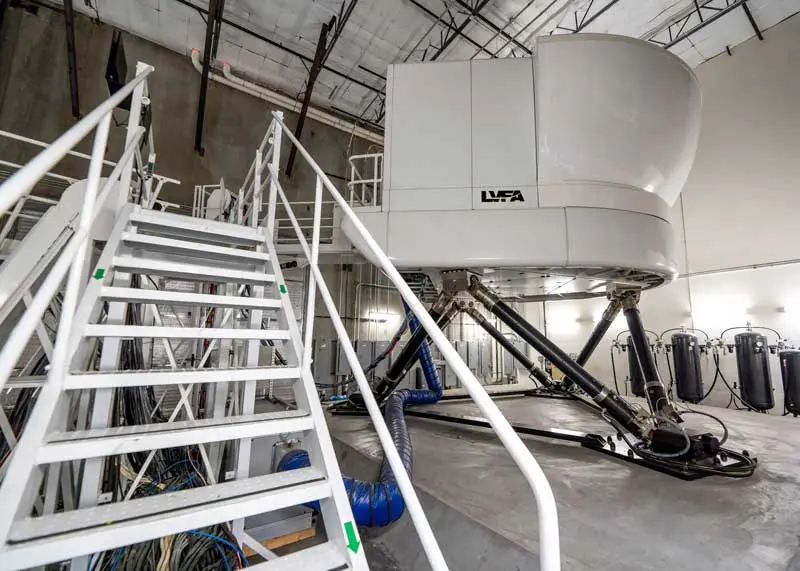
The aircraft platform matters because cockpit layout, flows, callouts, indications, and crew roles are aircraft-specific. Las Vegas Flight Academy operates two Boeing 737-800 Level D full-flight simulators for professional pilot training in Henderson, Nevada.
That 737-800 focus is especially relevant for pilots planning Boeing 737 type rating training, recurrent training, or ATP-CTP work that uses full-flight simulator time. It keeps the training environment tied to the aircraft family pilots expect to operate.
How simulator time fits ATP-CTP and 737 training at LVFA
Summary: At LVFA, full-flight simulator time supports several pilot pathways. ATP-CTP students complete a required simulator sequence, while 737 type rating and recurrent pilots use the Level D environment for aircraft-specific training and evaluation.
Las Vegas Flight Academy is an FAA Part 142 training center focused on advanced simulator-based training. The academy’s core offerings include ATP-CTP, Boeing 737 type rating services, recurrent training, and simulator housing.

Simulator time in ATP-CTP
ATP-CTP is required before eligible pilots can take the ATP multiengine knowledge test. LVFA’s ATP-CTP course is a six-day program that includes academics, four hours in a fixed-base simulator, and six hours in a full-flight simulator.
For ATP-CTP students, LVFA notes that no ATP-CTP pre-study is required before arrival. That does not mean pilots should arrive casually. It means the course is designed to provide the required preparation during the scheduled program.
Boeing 737 type rating and recurrent pathways
Simulator training has a different purpose for pilots pursuing a type rating or recurrent work. In those pathways, the training is more directly connected to aircraft-specific procedures, crew coordination, abnormal scenarios, and checking standards.
LVFA’s Boeing 737 type rating program is the key page for pilots evaluating initial and recurrent 737 options. Pilots should confirm the exact program length, prerequisites, and documents before travel because the best path depends on prior experience and training objective.
How should pilots prepare before 737 simulator training?
Summary: Preparation should focus on logistics, documents, rest, and professional cockpit habits. Do not try to memorize every switch overnight. Arrive ready to brief, listen, fly, debrief, and improve with each session.
The best pre-arrival preparation starts with practical details. Confirm your course, schedule, identification, certificates, medical documents, travel dates, hotel plan, and arrival instructions before you leave home.
Check upcoming LVFA course dates and confirm the training window that fits your travel plan.
Pre-arrival checklist
- Confirm the pathway: Know whether you are attending ATP-CTP, 737 type rating, recurrent training, or a custom simulator event.
- Verify documents: Confirm certificates, identification, medical documents, and program paperwork before travel.
- Protect rest: Schedule flights, hotel check-in, and transportation with enough margin to arrive alert.
- Course documents: Confirm what LVFA needs before arrival, including pilot certificates, identification, and any program-specific paperwork.
- Travel plan: Build in enough margin for flights, ground transportation, hotel check-in, and rest before the first training day.
- Schedule clarity: Know whether you are attending ATP-CTP, Boeing 737 type rating, recurrent training, or a custom simulator event.
- Rest and hydration: Simulator sessions can be mentally demanding. Fatigue makes checklist discipline and crew communication harder.
- Questions: Write down training, travel, and document questions before calling so the conversation is efficient.
Study priorities and cockpit habits
If LVFA assigns specific material, follow that first. If no formal pre-study is required, focus on habits that transfer to any professional simulator environment: concise callouts, disciplined checklist use, clear task sharing, and willingness to accept coaching.
For pilots with prior 737 exposure, light review of cockpit layout and normal flow concepts can help. For pilots without 737 experience, do not invent procedures from random online sources. Ask the training provider what to review and what to leave for the course.
What should you expect inside a Level D 737 simulator session?
Summary: Expect a formal training rhythm: briefing, simulator setup, scenario work, crew coordination, and debrief. The goal is not just to move controls. The goal is to make decisions, communicate clearly, and improve each repetition.
A simulator session usually begins before the motion starts. The briefing sets the purpose of the event, the roles, the aircraft state, the expected procedures, and the standards for the session.
The briefing and flight deck setup
The instructor or evaluator will establish the session profile. That may include normal operations, abnormal procedures, approach work, system failures, crew resource management, or checkride-related events, depending on the course.
Once inside the simulator, expect a professional flight deck environment. Pilots set up the cockpit, confirm roles, review checklists, and begin the profile under instructor direction.
Motion, visuals, and procedure practice
Motion and visual cues support training, but they are not the whole point. The strongest value comes from connecting cockpit actions to procedure discipline. Pilots learn how their callouts, flows, and decisions hold up under workload.
Because the environment is controlled, instructors can pause, reposition, repeat, and debrief scenarios that would be impractical or unsafe in the aircraft. That makes the simulator valuable for both learning and evaluation.
Crew coordination and the debrief
737 simulator training is rarely just an individual stick-and-rudder exercise. Crew coordination matters. Clear communication, role discipline, challenge-and-response flow, and task management are central to the training value.
The debrief is where much of the improvement happens. Pilots should expect direct feedback on what worked, what drifted, and what to correct in the next repetition.
Level D vs other simulator levels for pilot training
Summary: Simulator level affects qualification, realism, training credit, and use case. Level D full-flight simulators sit at the top of the category, while lower-level devices can still be useful for procedures, flows, and foundational training.
Not every simulator serves the same training purpose. Some devices are excellent for procedure practice but are not full-flight simulators. Others are qualified for more advanced training credit because they meet higher standards.
| Device type | Common training role | What pilots should know |
|---|---|---|
| Fixed-base simulator. | Procedures, cockpit familiarization, and training sequence support. | No full-motion platform, but still valuable for structured learning. |
| Full-flight simulator. | Aircraft-specific scenarios, motion cues, crew coordination, and advanced training. | Qualification level determines approved uses. |
| Level D full-flight simulator. | Highest full-flight simulator category for approved tasks. | Used when training requires the highest simulator qualification standard. |
Why the difference matters in a 737 program
The difference matters because pilots are not buying generic simulator time. They are investing in a pathway toward ATP-CTP completion, a Boeing 737 type rating, recurrent proficiency, or a specific training objective.
A fixed-base device may be ideal for early procedure exposure. A Level D full-flight simulator is the environment pilots expect when the training requires aircraft-specific motion, visuals, and approved full-flight simulator capability.
Arrival logistics for simulator training in Las Vegas
Summary: Good logistics protect training quality. Choose the correct course, confirm dates, plan lodging near Henderson, and arrive with enough margin to rest before the first briefing.
LVFA is based in Henderson, Nevada, near Las Vegas. That location matters for pilots traveling from the West Coast, Arizona, California, military bases, or international routes into Las Vegas.
Choose the course and travel window
Start with the training objective. ATP-CTP students should review the LVFA ATP-CTP program. Pilots seeking 737 aircraft-specific training should review the 737 type rating page and contact the academy for the right pathway.
Once the course is clear, contact LVFA about training availability before locking flights. Simulator schedules, instructor availability, and program requirements should drive travel planning, not the other way around.
Plan the stay in Henderson
LVFA provides information about flight simulator housing and training support. Pilots should ask about current hotel options, transportation expectations, and arrival timing before booking.
Build margin into the trip. A delayed flight or late hotel arrival can affect the first training day. Simulator training rewards pilots who show up rested, prepared, and ready to absorb feedback.
How to choose a Level D 737 simulator training provider
Summary: Choose a provider based on approval, aircraft match, instructor quality, training pathway, schedule fit, and clear communication. The right provider should make the course objective and arrival expectations easy to understand.
A strong provider does more than list simulator equipment. It connects the device, instructors, FAA approvals, course structure, and pilot goals into one practical training path.
Approval and aircraft match
Verify that the provider’s approvals and simulator platform match your training objective. LVFA’s Part 142 training center model, 737-800 Level D simulators, and focus on ATP-CTP and Boeing 737 pathways make that match clear for many professional pilots.
Instruction and course fit
Ask direct questions. Which course fits your certificate status and flight experience? What documents are required? How long is the program? What simulator time is included? What should you prepare before arrival?
Good answers should be specific. Vague promises are not enough when a pilot is planning travel, time away from work, and a career-critical training event.
Talk with LVFA about the Boeing 737 training pathway that fits your experience and timeline.
Frequently Asked Questions
Why is Level D qualification important for 737 type rating training?
Level D qualification is important because it identifies a full-flight simulator approved to meet high standards for aircraft-specific training. For 737 pilots, that means the simulator environment can support structured procedure work, crew coordination, abnormal scenarios, and certain training or checking tasks without operating the airplane.
How should pilots prepare for 737 simulator training sessions?
Confirm documents, schedule, travel, and course expectations first. Then arrive rested and ready to brief, fly, debrief, and repeat. If LVFA assigns study material, follow it. ATP-CTP students do not need ATP-CTP pre-study before arrival, but professional preparation still matters.
How does 737 simulator work fit into ATP-CTP training?
ATP-CTP includes academic instruction, fixed-base simulator work, and full-flight simulator time before the ATP multiengine knowledge test. At LVFA, the six-day ATP-CTP program includes four hours in a fixed-base simulator and six hours in a full-flight simulator.
What can I expect during a 737 simulator checkride?
Expect a formal event based on your course and evaluator requirements. The session may include briefing, setup, normal procedures, abnormal events, crew coordination, and a debrief. Ask LVFA what to expect for your exact type rating or recurrent pathway before arrival.
Ready to schedule Level D 737 simulator training?
Call 818-489-1738 or contact Las Vegas Flight Academy to discuss Level D 737 simulator training, ATP-CTP, Boeing 737 type rating, or recurrent training options.
Bring the right documents, choose the right pathway, and arrive ready for a professional simulator environment. LVFA can help you confirm whether ATP-CTP, Boeing 737 type rating, or recurrent simulator training is the correct next step.