
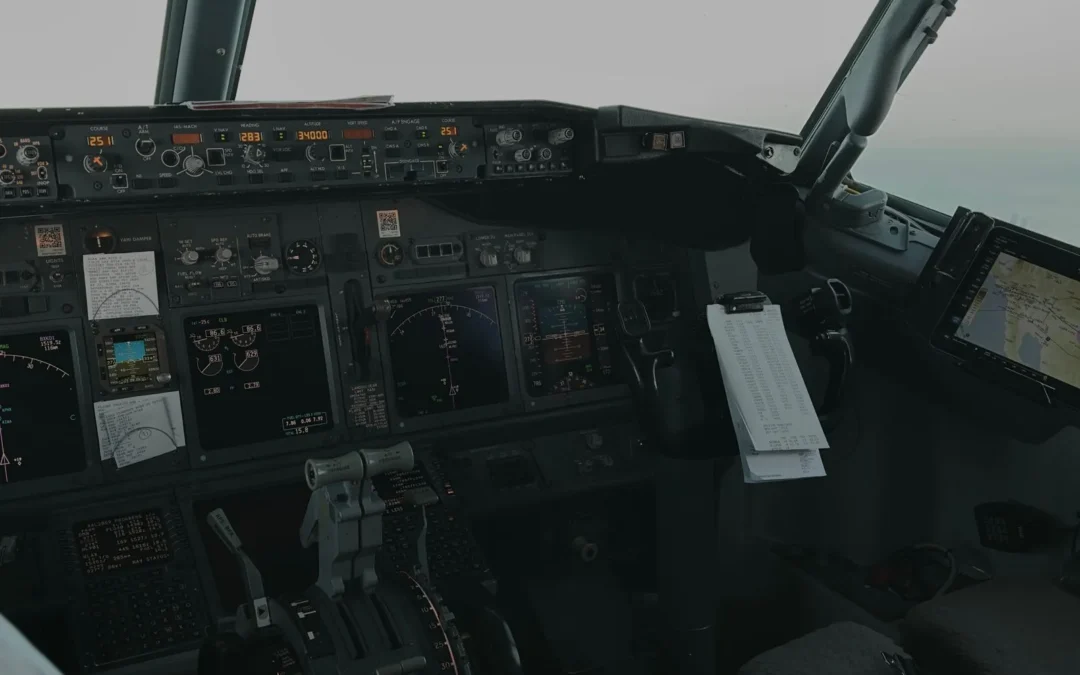
Airline training contracts fail when the training plan cannot survive the calendar. Crews need approved instruction, simulator access, records, and predictable dates that fit real operations.
Planning outsourced simulator training for your crews? Contact LVFA to discuss an airline training contract.
FAA Part 142 training center airline training contracts help operators outsource approved simulator training through an FAA-certified training center. A strong agreement aligns curriculum, instructors, Level D simulator access, records, schedule terms, and communication responsibilities while preserving the operator’s own regulatory oversight.
For Las Vegas Flight Academy (LVFA), the best agreements start with a clear understanding of why operators use Part 142 centers in the first place. That foundation helps procurement, training, and operations teams review the right evidence before they commit crews, dates, and budget.
Why FAA Part 142 training center airline training contracts exist
FAA Part 142 training center airline training contracts give operators a structured way to source simulator-based training outside their own facilities. The contract sets the business relationship, while the approved training program sets the training standard. This distinction helps an operator plan crew training without treating each pilot’s course as a separate purchase.
Outsourced training capacity
Running an airline or charter operation requires close control of aircraft, crews, schedules, and compliance work. Owning and supporting a full simulator adds another demanding operation. A Part 142 center can supply training capacity, instructors, and simulator access under an agreed schedule.
This approach lets an operator buy the training it needs without building every part of the training system itself. It can also help when an operator needs added capacity during hiring, fleet growth, or recurrent training cycles. The exact scope still depends on the operator’s needs and the center’s approvals.
For operators reviewing facilities, airline simulator training contracts should address more than simulator time. Scheduling, records, instructor availability, and the approved course all affect whether crews can move through training as planned.
Consistent training across crews
Repeatability is a main reason operators use a Part 142 center. The FAA describes Part 142 centers as certified air agencies that provide standardized training. That structure gives the center a defined basis for delivering the same approved curriculum across many training events.
Consistency matters when pilots arrive with different flight histories, but must complete the same assigned program. A contract can set expectations for dates, capacity, records, and communication. It does not change the approved curriculum to suit each pilot.
Standardization can also support coordination between a training center and an operator. The FAA states that the standardized curriculum concept gives Part 135 operators an option for meeting their training requirements. The operator remains responsible for confirming that the contracted training fits its regulatory and operational needs.
FAA oversight and contract boundaries
A Part 142 contract is not a substitute for FAA approval or operator oversight. It is a practical agreement for delivering training within an approved system. The center must work within its approved curricula, training specifications, and qualified resources.
Clear terms help both sides manage recurring work. They may cover course capacity, schedule changes, records, payment terms, and points of contact. These details support repeatable delivery, but they do not guarantee a pilot’s result or remove an operator’s compliance duties.
For that reason, operators should compare the center’s approved capabilities with their own training requirements before signing. They should also confirm simulator type, instructor resources, course availability, and record-handling needs. A sound contract defines responsibilities while keeping regulatory authority and training approvals clear.
What does FAA Part 142 oversight standardize?
A defined training system
A Part 142 training center is an FAA-certified air agency that provides standardized training. That definition matters because the center operates through an approved training system, not an informal collection of simulator sessions. The FAA describes Part 142 centers and its oversight process on its training center page.
FAA oversight includes document compliance, system assessment, validation, and surveillance. In practice, an airline can assess a provider against a defined program and its approved scope. The contract should identify the exact curriculum, aircraft type, training device, checking events, and completion documents the airline expects.
Approved curricula and qualified personnel
Standardization starts with the curriculum. The approved program sets the training framework that the center must follow for each covered course. It also gives both parties a shared reference when they discuss course delivery, required events, and completion status. LVFA’s standardized FAA curriculum shows how a defined course can be presented before enrollment or contracting.
The people who deliver and assess training also fall within the oversight structure. FAA guidance covers how Part 142 centers may qualify personnel as instructors and part 135 check pilots. It also addresses Training Center Evaluators. These roles are not interchangeable, so an airline contract should state who may instruct, evaluate, and sign each required record.
That clarity supports consistent delivery across pilot groups. It also helps airline training managers review staffing before reserved dates begin. The FAA’s instructor and evaluator guidance provides the authority behind those personnel requirements.
Records that support the contract
FAA oversight does not replace clear contract terms. The agreement should name the records each party will create, retain, review, and exchange. Useful terms may cover attendance, event results, completion documents, evaluator signoffs, and notice of an incomplete event. The parties should also define secure delivery methods and points of contact.
Records give the airline a practical way to confirm that contracted work matched the agreed program. They also reduce disputes about whether a pilot completed the assigned event or needs more action. A strong statement of work links each deliverable to a named curriculum, device, role, and due date.
For part 135 operators, the FAA’s standardized curriculum concept offers an option for meeting applicable training requirements through a Part 142 center. That does not make every provider or course interchangeable. Contract review still needs to confirm that the center’s approved scope matches the operator’s program and intended training event.
How Level D simulator training supports contract pilot programs
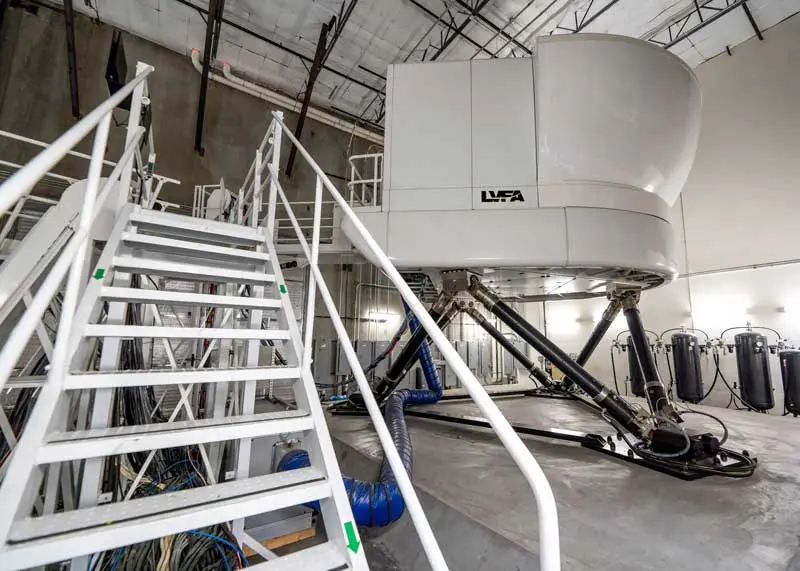
For an airline, charter company, or international operator, simulator access is more than a training resource. It affects how the operator plans recurrent events, type-rating work, crew release dates, and contract schedules. LVFA provides training at one Las Vegas location using Boeing 737-800 Level D full flight simulators.
A Level D device gives crews a controlled place to practice normal procedures, abnormal events, and checks without using an aircraft. That setting supports repeatable contract sessions and a clear path from classroom work to simulator-based checks.
Standardization for contract training
Part 142 centers are FAA-certified air agencies that provide standardized training. The FAA explains how a standardized curriculum can help Part 135 operators meet their training requirements. This framework matters when a charter operator needs consistent instruction across crews, rather than a one-off course for one pilot.
Standardization also helps contract teams define what will be taught, how progress will be checked, and which records must support the event. Operators can compare the planned program with their own needs before assigning pilots or setting travel dates. The fixed curriculum remains the same for each participant; it is not changed around a pilot’s experience level.
B737 recurrent and type-rating needs
For Boeing operators, the same training relationship may cover different needs across a pilot’s career. LVFA offers B737 recurrent training and Level D simulator training for Boeing 737 type-rating work. That gives contract planners one focused setting for defined B737 training events.
Each event needs the right curriculum, instructor support, device time, and check plan. Keeping those details clear helps operators avoid treating every simulator booking as the same product. Program managers should confirm aircraft variant, course purpose, prerequisites, and expected records before reserving a session.
Operational planning across operators
Access alone does not make a contract reliable. Operators also need dates that fit crew rotations, travel, instructor coverage, and the approved training plan. A single focused location can make those inputs easier to review, especially when several pilots attend the same program.
For international operators, the planning step should address how FAA training fits home-country rules and internal approvals. LVFA’s FAA Part 142 status does not replace that review. Contract teams can review guidance on airline simulator training contracts when assessing facility and partnership needs.
Before signing, both sides should document the training scope, device, dates, duties, records, and points of contact. That shared plan turns simulator access into a usable training program, not just time on a device.
When should operators choose a Part 142 training center contract?
The choice between in-house training and a Part 142 contract is an operating decision, not just a price comparison. Operators should compare control, capacity, crew movement, and staff demands before selecting a model. The right fit depends on fleet needs and the resources already available.
FAA oversight and curriculum control
In-house programs give an operator direct control over instructors, records, and day-to-day training delivery. That control also places more planning and compliance work on internal teams. Managers must decide whether that workload supports the airline’s wider operating plan.
Part 142 centers are FAA-certified air agencies that provide standardized training. The FAA also reviews their approved curricula and training specifications through compliance checks and surveillance. These FAA Part 142 training center standards give contract buyers a clear basis for provider review.
A standardized curriculum can help operators maintain consistent instruction across crew groups. It may also reduce the work needed to build training materials and qualify outside resources. Buyers should confirm that the approved course matches their certificate, fleet, and checking needs.
| Decision factor | In-house training | Part 142 center contract. |
|---|---|---|
| Oversight | Managed within the operator’s approval structure | Center operates under FAA-approved specifications. |
| Simulator access | Depends on owned or leased capacity | Reserved through the provider’s available schedule. |
| Scheduling | Direct control, subject to internal resources | Contract dates require early coordination. |
| Curriculum | Built and managed by internal teams | Standardized, approved course delivery. |
| Travel | May keep crews near their base | May require transport and lodging. |
| Internal workload | Higher staffing and equipment demands | Provider handles much of the delivery burden. |
Simulator access and schedule risk
Owning or leasing simulator capacity can give an operator more direct schedule control. Yet that option adds equipment, facility, maintenance, and staffing demands. An outage or instructor shortage can also disrupt an internal plan.
A Part 142 contract shifts much of that delivery burden to a specialist provider. The operator still needs to reserve enough slots for initial, recurrent, and checking demand. Reviewing available Level D simulator training helps buyers assess whether the provider fits their fleet plan.
Contract terms should cover date holds, cancellation rules, extra sessions, and responses to equipment downtime. Buyers should also ask how the center handles peak demand. A lower quoted rate has little value if crew availability delays operations.
Travel logistics and internal workload
In-house delivery may reduce crew travel when the training site is near a base. Outsourced delivery can add airfare, lodging, ground transport, and time away from duty. A single-location provider may still simplify planning when dates and local logistics are reliable.
Internal workload is another key cost. In-house teams must manage instructors, course records, equipment, scheduling, and quality checks. Under a Part 142 contract, the provider handles much of the training delivery while the operator manages contract fit and crew readiness.
Before signing, compare total cost per completed crew, not only the training fee. Review the provider’s airline simulator training contracts, capacity, reporting process, and backup plan. This review shows which model creates the least operational risk.
What should operators expect from Level D simulator scheduling?
An airline training contract must work on the calendar, not only on paper. A missed or moved slot can affect crew coverage and travel plans. It can also reduce the time left before recurrent training is due. Reliable dates help training managers protect daily operations while keeping required events on track.
Crew coverage and recurrent deadlines
Training departments must release pilots from line duties without leaving the schedule short. That task gets harder when several crews need training near the same deadline. A useful contract sets clear booking steps, lead times, change terms, and points of contact. It should also explain how the center handles a disrupted session.
Standardization supports that planning. The FAA describes Part 142 training centers as air agencies that provide standardized training. The agreed course dates still need enough room for travel, training, checking, and any follow-up action. Managers should plan backward from each pilot’s deadline rather than treating the first available slot as the full plan.
Simulator slots and travel windows
A simulator slot is only one part of the trip. The airline must also align instructor coverage, crew pairings, flights, lodging, and ground transport. Schedule changes can raise costs even when the training fee stays the same. Contracts should define how far ahead dates are confirmed and what happens when either party requests a change.
Fleet needs matter as well. A carrier sending Boeing 737 pilots should confirm that planned dates match the needed device and course. LVFA’s Level D simulator training page gives training departments a starting point for reviewing that fit. Contract talks can then focus on slot volume, date ranges, and operational details.
The value of predictable course dates
Predictable dates make it easier to build a repeatable training cycle. Managers can group crews, reserve travel earlier, and keep backup days before a deadline. They can also compare the planned schedule with actual completions during routine contract reviews. That record helps both parties spot recurring delays and adjust the next booking window.
A focused single-location facility can simplify coordination because travel and training are planned around one destination. That does not remove the need for backup plans or clear change terms. It does reduce the number of locations, local contacts, and travel patterns a manager must track. Airlines reviewing FAA Part 142 training center standards should assess scheduling reliability beside curriculum, device access, and instructor qualifications.
What operators should evaluate before choosing a Part 142 center
A sound review starts with evidence, not a quoted rate. The FAA describes Part 142 centers as certified air agencies that provide standardized training. Operators should confirm certificate scope, program approvals, equipment, records, and support before discussing contract terms.
A six-step center review
Use the same review for each candidate so the final comparison stays clear. The center should be able to answer each request with current documents, named contacts, and firm dates.
-
Confirm certificate status and approved programs. Ask for the current training center certificate, training specifications, and approved curriculum list. Check that each required course and checking event is within scope.
.
-
Match the simulator to the operation. Verify the aircraft variant, simulator qualification, visual and motion systems, and current approval status. For B737 recurrent training, also confirm that the device supports the operator’s planned maneuvers and checking events.
.
-
Review curriculum and instructor fit. Compare the approved course with the operator’s FAA-approved training program and crew needs. Ask how the center qualifies instructors, evaluators, and check personnel for the contracted work.
.
-
Audit records and reporting. Request sample completion records, grading forms, attendance logs, and reporting timelines. Define who corrects record errors, who receives final files, and how long records remain available.
.
-
Test dates and recovery plans. Ask for firm training dates, expected simulator availability, and the response to device downtime. Review cancellation terms, rescheduling priority, backup capacity, and the process for adding crews.
.
-
Calculate the full operating cost. Compare tuition with travel time, hotels, ground transport, instructor expenses, and crew time away from the line. Confirm one contact for scheduling, records, billing, and urgent changes.
.
Proof behind the proposal
Certificate status alone does not prove that a center fits a specific contract. FAA guidance explains that a standardized curriculum can help Part 142 centers support Part 135 operator training requirements. Still, the operator must verify that the proposed course, device, and personnel match its approved program.
For a B737 agreement, review the center’s published Level D simulator training details before the contract call. Then request the supporting approvals and current device information. This keeps the first discussion focused on fit, capacity, records, and dates.
Contract and contact controls
The contract should turn every operational promise into a clear duty. State the course scope, crew volume, date commitments, record format, billing terms, cancellation rules, and service contacts. Include a defined escalation path for simulator downtime, schedule changes, or missing records.
Before signing, send one written request that lists all needed evidence and open questions. Use FAA Part 142 training center standards as a reference point, then ask the center to explain its exact approval scope. A complete response makes final review faster and exposes gaps before crews travel.

Where LVFA fits for outsourced Boeing 737 simulator training
A focused Part 142 training center
Las Vegas Flight Academy operates as an FAA Part 142 certified training center in Henderson, Nevada. Its focused facility supports airlines and pilots that need Boeing 737 simulator training without maintaining an in-house training site. The About Us page provides more background on LVFA, its location, and its training focus.
The FAA describes Part 142 training centers as air agencies that provide standardized training. That framework helps an airline assess a provider against a defined curriculum and training specifications. It also gives the FAA a clear basis for approval, validation, and surveillance. Airlines can review the FAA’s Part 142 training center guidance when considering an outsourced provider.
Boeing 737 training uses
LVFA provides training in Boeing 737-800 Level D full flight simulators. These devices support realistic crew training and checking without using an aircraft. The facility can serve several needs within an airline training plan, from new qualifications to recurring proficiency work.
- ATP-CTP training for pilots moving toward airline transport pilot certification.
- Boeing 737 type rating training for pilots adding the aircraft type.
- Boeing 737 recurrent training for pilots maintaining required knowledge and skills.
- Simulator access for an airline’s approved training and checking needs.
For pilots and operators assessing the aircraft program, LVFA’s Boeing 737 Type Rating page explains its Level D simulator training. Contract scope still depends on the operator’s requirements, approved program, schedule, and requested services. Those details should be set before dates and simulator time are confirmed.
West Coast access and contract planning
Henderson gives West Coast operators another location to consider for outsourced Boeing 737 simulator training. A single focused site can also make planning clearer for travel, class dates, and simulator sessions. Operators should compare that access with crew bases, duty limits, lodging needs, and total time away from operations.
A useful first discussion covers trainee volume, qualification goals, preferred dates, instructor needs, checking needs, and records. It should also confirm which curriculum applies and how responsibilities will be split. Airlines can use the Contact page to discuss an airline training contract and request details for planning.
Procurement teams should define service levels before selecting dates. Key points include schedule change terms, records delivery, simulator availability, and each party’s role during training. Clear terms help the operator match LVFA’s ATP-CTP, type rating, or recurrent training services to its approved program.
Frequently Asked Questions
What is FAA Part 142 flight training?
FAA Part 142 governs certified training centers that deliver approved aviation training programs, often with advanced flight simulation equipment. These centers use defined curricula, qualified instructors, training specifications, and recordkeeping processes under FAA oversight. The FAA’s Part 142 resources also cover curriculum evaluation, flight training equipment, instructor qualifications, and continuing surveillance.
What FAA regulation covers training centers that use simulators?
Title 14 CFR Part 142 covers the certification and operation of aviation training centers, including centers that use flight simulators. It establishes the framework for approved curricula, instructors, evaluators, equipment, records, and FAA oversight. Airlines and other operators should still confirm that a center’s specific training specifications and simulator qualifications match the intended contract scope.
Can Part 135 operators use standardized curricula from Part 142 training centers?
Yes. The FAA’s standardized curriculum concept gives Part 135 operators an option for meeting applicable training requirements through a Part 142 center. According to the FAA standardized curriculum guidance, this approach helps training centers provide uniform curricula to participating operators. The operator and center must confirm that the approved curriculum fits the operator’s program and authorization.
How does Level D simulator training improve scheduling reliability?
Level D simulator training reduces dependence on aircraft availability, fuel, and suitable weather. Crews can practice normal, abnormal, and emergency scenarios in a repeatable setting without placing an aircraft into training service. For operators, that separation can make training blocks easier to plan. Reliability still depends on simulator qualification, maintenance support, instructor availability, and realistic contingency plans.
What should an operator confirm before signing a Part 142 training contract?
An operator should confirm the center’s active FAA certification, approved curriculum, training specifications, instructor qualifications, evaluator access, simulator qualification, recordkeeping, and available dates. The contract should also define responsibilities for scheduling, records, cancellations, equipment downtime, and regulatory coordination. The FAA Part 142 page identifies curriculum, equipment, records, instructor qualification, and surveillance as core oversight areas.
Ready to Plan Reliable Simulator Training?
Waiting to secure outsourced simulator capacity can leave crews competing for limited dates and make training plans harder to manage. Starting the conversation now gives your team more time to align schedules, curriculum requirements, and Boeing 737 simulator needs. Early planning also helps operators reduce last-minute coordination and build a clearer path from contract review to completed training.
Ready to plan dependable training for your crews? Contact LVFA about outsourced Boeing 737 simulator training to discuss your operating requirements and preferred timeline. Share your expected crew volume, training scope, and target dates so the Las Vegas team can review the request and outline practical next steps. This preparation gives both teams a useful starting point for a focused planning discussion.