
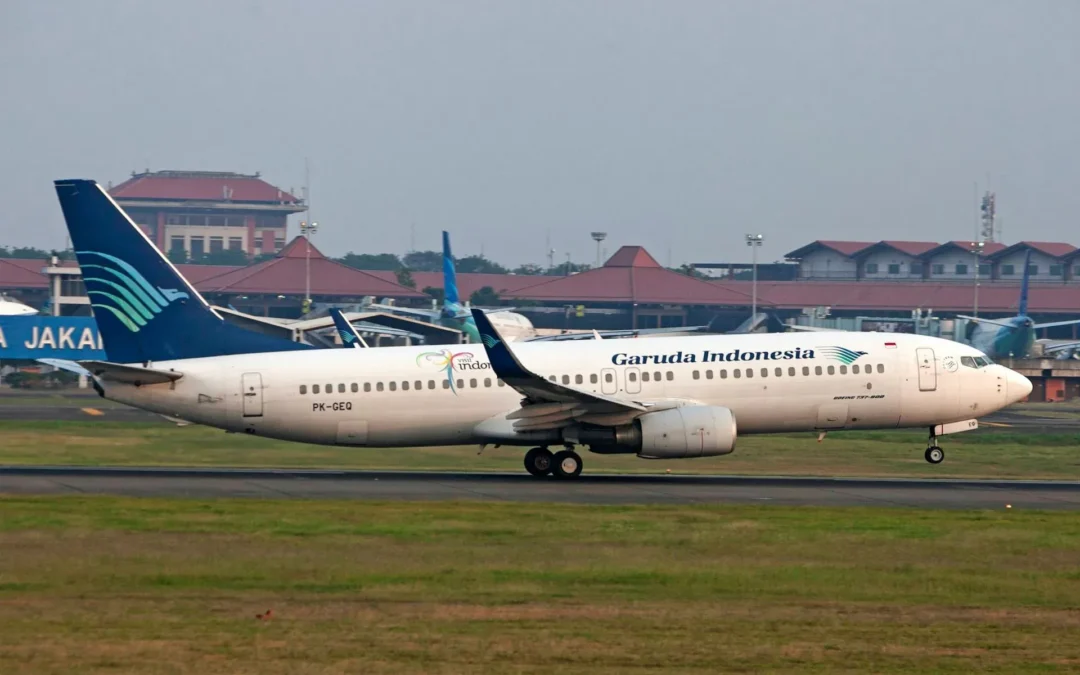
Choosing between Boeing 737 Classic and NG training is not simply a question of which aircraft is newer. The useful question is which training variant aligns with the operation you realistically plan to enter.
Ask Las Vegas Flight Academy about its current Boeing 737 type rating program before comparing course options.
A 737 Classic vs NG type rating comparison starts with one important fact: both generations use the FAA B-737 pilot type-rating designation. Initial training is still conducted in a specific variant, and moving between variants requires the applicable differences training and operational qualification. For a pilot without a confirmed Classic-fleet requirement, NG training will usually offer broader relevance in 2026. Classic training can still be the right choice when it matches a verified employer or fleet need.
The sections below explain what the shared designation means, how the flight decks and systems shape training, and which questions to ask before investing in a course.
737 Classic Vs Ng Type Rating: One B-737 type rating, different training variants
The first point in any 737 Classic vs NG type rating comparison is easy to miss: under the FAA pilot type-rating system, both generations use the B-737 designation. A pilot certificate does not show separate “B-737 Classic” and “B-737 NG” type ratings. That shared designation does not make the airplanes operationally interchangeable without the required preparation.
What the shared designation means
A pilot completes an initial course and practical test using a specific aircraft variant or representative simulator. The training therefore builds knowledge and procedures around that variant’s flight deck, systems, limitations, and handling. The B-737 entry on the certificate is the same, but the pilot’s actual training experience is variant-specific.
This distinction matters when evaluating a course. Ask which model the curriculum and simulator represent, what qualification the course leads to, and whether that model matches the fleet you expect to operate. Las Vegas Flight Academy can explain the scope of its verified Boeing 737 type rating program.
What happens when a pilot changes variants?
Moving between Classic and NG operations requires the applicable differences training and the qualification steps required for the operation. The amount and form of training depend on the transition and operating context. An employer may also require its own ground, simulator, checking, currency, and operating-experience steps.
In other words, the shared B-737 designation creates a common regulatory foundation. It does not mean a pilot should select a training variant without considering the intended job and fleet. Choose the course that aligns most directly with a verified next step, then confirm any future transition requirements before committing.
737 Classic vs NG: operational differences that shape training
The Boeing 737 Classic and Next Generation families share a type-rating designation, but their systems and flight decks create different training priorities. The Classic family includes the -300, -400, and -500. The NG family includes the -600, -700, -800, and -900 series.
| Training consideration | 737 Classic | 737 NG |
|---|---|---|
| Representative variants | -300, -400, and -500 | -600, -700, -800, and -900 series |
| Engine family | CFM56-3 series | CFM56-7B series |
| Flight-deck presentation | Older-generation electronic displays with more conventional instrument presentation | Later-generation glass flight deck with integrated electronic displays |
| Systems emphasis | Classic-specific systems, limitations, flows, and procedures | NG-specific systems, limitations, flows, and procedures |
| Best course-selection signal | A verified need to operate a Classic fleet | A verified need to operate an NG fleet, or broader relevance when no Classic position is confirmed |
Flight-deck presentation and automation
The visual scan and mode-awareness habits developed during training reflect the flight deck used in the course. Classic training places the pilot in an older-generation environment. NG training uses a later-generation electronic display and automation environment. Neither removes the need for disciplined procedures, sound aircraft knowledge, and active monitoring.
These differences affect more than display familiarity. Pilots must learn the correct normal and non-normal procedures, system logic, limitations, callouts, and crew coordination for the represented variant. Training on one generation is therefore useful background, not a substitute for the required preparation to operate the other.
For a comprehensive breakdown of how Classic, NG, and MAX systems differ, see our 737 differences training guide covering Classic, NG, and MAX.
Engines, aerodynamics, and limitations
The Classic uses the CFM56-3 engine family, while the NG uses the CFM56-7B family and a redesigned wing. Those design differences lead to variant-specific performance, limitations, and procedures that must be learned from approved materials. Avoid choosing a course because one generation is described as easier. The better question is which training environment supports the operation you are actually pursuing.
What the comparison means for a pilot
A shared type-rating designation can make the Classic and NG seem like interchangeable choices. They are not interchangeable from a training-planning perspective. Confirm the simulator variant, course outcome, and transition requirements with the training provider and any prospective employer before enrollment.
How does the training variant affect career options?
The training variant matters because employers hire for an operation, not just for a line printed on a pilot certificate. A B-737 type rating can strengthen a pilot’s qualifications, but it does not guarantee a job, replace an employer’s selection process, or eliminate required company training and checking.
Start with fleet alignment
The strongest reason to select Classic or NG training is a verified fleet requirement. If a prospective employer operates Classics and expects applicants to arrive with relevant preparation, Classic training may be the direct choice. If the intended operation uses NG aircraft, an NG course aligns more closely with that flight deck and systems environment.
When no position is confirmed, research the operators and regions you realistically plan to pursue. Review current job postings, speak with recruiters or chief pilots, and ask what qualifications matter at the application stage. Do not assume a self-funded type rating will automatically improve eligibility. Total flight experience, recency, certificate privileges, work authorization, and the employer’s own standards may carry equal or greater weight.
Account for transition training
A pilot trained on one generation may later move to the other, but that move requires the applicable differences training and operational qualification. Before choosing a lower-priced or more convenient course, ask who will provide and pay for the next transition if your target fleet differs from your initial training variant.
Understanding the broader FAA type rating requirements for Boeing 737 pilots helps separate the certificate outcome from employer-specific requirements. The best investment is the course tied to a realistic career plan, not simply the course with the most familiar aircraft name.
Experience and recency still matter
A newly issued rating shows that a pilot met the required practical-test standard. It does not create line experience. Employers may evaluate recent flying, time in type, crew experience, training records, and overall professional background. Treat the variant decision as one component of a larger qualification strategy.
When does Classic training make sense?
Classic training makes sense when it connects directly to a verified Classic-fleet opportunity. The age of the aircraft family is less important than alignment with the operation, employer requirements, and the pilot’s next realistic step.
A confirmed employer or fleet requirement
The clearest case is a current or prospective employer that operates 737-300, -400, or -500 aircraft and expects Classic-specific preparation. In that situation, training in a representative Classic environment helps the pilot focus on the systems, flight-deck presentation, limitations, and procedures relevant to that fleet.
Confirm the requirement directly. Ask whether the employer expects applicants to arrive with a B-737 type rating, which variant experience it values, and which company training and checking will still be required. A verbal suggestion is not enough reason to make a major training investment.
An existing Classic role
Classic training can also be appropriate for a pilot already connected to a Classic operation through employment, contract work, or a defined upgrade path. The decision is then driven by a specific operational need rather than a general prediction about the market.
Before enrolling, confirm whether the planned course satisfies the operation’s needs. Because the B-737 designation covers multiple variants, the course title alone does not establish that its simulator and curriculum match the intended aircraft.
Why a lower quote is not enough
A lower course quote can be attractive, but price alone does not establish value. If the pilot’s likely next operation uses NG aircraft, beginning with Classic training may introduce another transition and additional qualification steps. Compare the complete path, including course scope, travel, preparation, future differences training, and employer requirements.
Classic training is not merely a discounted route to NG qualification. It is a sound choice when the Classic itself is the relevant training target. Without that connection, NG training will usually be the more defensible starting point.
Why does NG training usually offer broader relevance in 2026?
For a pilot who does not have a confirmed Classic-fleet requirement, NG training will usually be the more broadly relevant starting point in 2026. The NG remains widely used in commercial operations, and the training environment develops familiarity with the later-generation electronic displays and automation found in that family.
Relevance is not the same as a hiring guarantee
Broader relevance means an NG course may align with more potential fleet opportunities. It does not mean every employer prefers a self-funded NG rating, or that a rating makes an applicant immediately qualified for line operations. Employer training, checking, currency, experience, and hiring standards still apply.
That is why pilots should validate demand before enrolling. Look at the fleets used by realistic target employers and ask whether a type rating is expected before hiring. If those conversations consistently point to NG aircraft, choosing NG training reduces the mismatch between the course environment and the intended operation.
Modern flight-deck familiarity
NG training develops variant-specific knowledge of the NG’s electronic display, flight-management, system, and procedural environment. That familiarity can make the course especially relevant to pilots preparing for an NG operation. It also gives the pilot a concrete aircraft context for practicing mode awareness, crew coordination, and disciplined monitoring.
However, the NG should not be selected merely because it is newer. A confirmed Classic position is a stronger decision signal than general NG market relevance. The correct choice is the one supported by a defined operational need.
Use the 737-800 as a research starting point
The 737-800 is a prominent member of the NG family, so pilots comparing options can use this 737-800 type rating guide to understand the questions involved in planning training. Confirm the exact variant, simulator, course scope, prerequisites, and outcome directly with a provider before making a commitment.
Questions to ask before choosing a 737 course
A careful course comparison begins with the operation you want to enter. Use these questions to test whether Classic or NG training supports that plan.
- Which fleet am I realistically targeting? Identify current employers or operating opportunities that fit your experience, location, work authorization, and career goals. Confirm whether those operations use Classic or NG aircraft.
- Does the employer value a self-funded type rating? Ask before enrolling. Some employers may value prior variant preparation, while others may hire first and provide their own approved training.
- Which variant does the course represent? Confirm the aircraft model, simulator configuration, curriculum scope, practical-test plan, and the exact certificate outcome. A generic “737 type rating” label is not enough information.
- Do I meet the prerequisites? Review certificate, instrument, experience, English-proficiency, documentation, and any other requirements with the provider. The FAA type rating requirements guide is a useful starting point, but the provider must confirm eligibility.
- What would a future variant transition require? Ask what differences training and operational qualification would apply if you later move between Classic and NG operations. Do not assume the shared B-737 designation eliminates transition training.
- What is the complete training commitment? Compare the full scope, schedule, travel, lodging, preparation expectations, checking, and policies. A lower headline quote may not be the better value if the course does not align with the intended fleet.
- Is the training provider appropriate for my goal? Verify approvals, course documentation, simulator configuration, instructor qualifications, scheduling expectations, and what support is included. Ask for written answers before paying a deposit.
These questions turn the choice from a simple Classic-versus-NG preference into a defensible training plan. If the answers remain uncertain, pause and gather more information before committing.
A practical decision framework for Classic vs NG
The decision becomes clearer when each option is tied to evidence rather than assumptions. Both paths can lead to the B-737 entry on an FAA pilot certificate, but the course environment and a pilot’s subsequent operational preparation remain variant-specific.
Choose Classic training when
- A verified opportunity requires it: A current or prospective employer operates a Classic fleet and has confirmed that Classic-specific preparation is relevant.
- Your current operation supports it: The course is part of a defined training, upgrade, or qualification plan for a Classic aircraft.
- You understand the next transition: You have confirmed what will be required if you later move to an NG operation.
Choose NG training when
- Your target fleet uses NG aircraft: The course directly matches a verified employer or operating opportunity.
- You do not have a confirmed Classic requirement: NG training will usually provide broader market relevance in 2026.
- You want later-generation flight-deck preparation: Your plan benefits from focused study of NG systems, displays, automation, limitations, and procedures.
Pause before enrolling when
- You are assuming that any B-737 course produces the same operational preparation.
- You have not confirmed the simulator variant and exact course outcome.
- You expect the type rating alone to guarantee employment.
- You are choosing solely from a headline price without comparing the full path.
For most pilots without a confirmed Classic-fleet need, NG is the stronger starting point. For a pilot with a verified Classic role, Classic training can be the more direct and efficient choice. Review this 737 initial type rating guide, then confirm the current program details with the training provider before committing.
Frequently Asked Questions
What is the difference between a 737 Classic and NG type rating?
Both generations use the FAA B-737 pilot type-rating designation. The practical difference is the variant used for training and checking, plus the applicable differences training and operational qualification needed when moving between variants.
Does the 737 Classic still fly?
Yes. Classic variants remain in service with some operators. A pilot should verify current fleet opportunities rather than assume that Classic or NG training will create a specific job outcome.
Is NG training the better choice in 2026?
NG training will usually offer broader relevance for a pilot without a confirmed Classic-fleet requirement. Classic training can be the better choice when it matches a verified employer or operational need.
Can a pilot move from a 737 Classic to an NG?
Yes, but the shared B-737 type-rating designation does not eliminate transition requirements. The pilot must complete the applicable differences training and the qualification steps required for the intended operation.
What should I confirm before enrolling in a 737 course?
Confirm the simulator variant, curriculum scope, prerequisites, practical-test plan, certificate outcome, schedule, total commitment, and relevance to your target operation. Also ask prospective employers whether a self-funded type rating is useful for their hiring process.
Choose the 737 training path that matches your next step
The right course begins with accurate answers about the variant, curriculum, prerequisites, and intended operation. Las Vegas Flight Academy offers focused B737 type rating training from its FAA Part 142 training center in Las Vegas. Contact the academy to confirm the current program scope and determine whether it aligns with your goals.
Contact Las Vegas Flight Academy about Boeing 737 type rating training.