
For airline-bound aviators comparing providers beyond their home state, ATP CTP training Texas pilots can complete in Las Vegas offers a practical, focused option. The right choice depends on course dates, the complete travel plan, verified prerequisites, and what each provider includes.
Review LVFA’s ATP-CTP program and request current course dates.
Las Vegas Flight Academy is an FAA-approved Part 142 training center offering a fixed six-day ATP-CTP course. LVFA’s course includes 32 hours of ground training plus the required simulator training. Texas pilots can compare available dates and the total itinerary, then decide whether one focused trip to Las Vegas is the practical option.
Leaving Texas for training is a decision that should be based on facts, not distance alone. Start by comparing the complete schedule and travel plan.
ATP CTP Training Texas Pilots: Why Las Vegas can be practical for Texas pilots
Pilots looking for ATP CTP training Texas pilots often start their search close to home. Texas has several providers, but a provider in Las Vegas may have dates that fit a pilot’s timeline. Look at more than the miles between cities. Comparing the full schedule and training environment helps you make an informed choice.
Finding the right schedule
Course availability matters when you are coordinating training with work and hiring milestones. Review current dates for the FAA Part 142 ATP-CTP program in Las Vegas, then compare them with your other options before committing.
The FAA sets the minimum curriculum requirements for ATP-CTP. LVFA’s fixed six-day course includes 32 hours of ground training. Confirm the daily schedule before arranging your arrival and return travel.
Comparing training settings
Texas has many flight schools that teach all things from basic flying to jet work. This can lead to a busy setting where tools are split between many types of students. Las Vegas Flight Academy is a focused training center for career pilots. This setting is built for those who have a license and are ready for the next step. You will learn in a place where everyone has the same goal, which helps you stay focused on your training.
| Criteria | Texas Local Options | Las Vegas Flight Academy |
|---|---|---|
| Class dates | May vary by flight school demand | Frequent, regular start dates |
| Center focus | Often mixed with basic flying | Focused on career pilot training |
| Course length | Varies by school and weather | Set 6-day fast course |
| Training type | Part 61 or Part 141 typical | FAA-approved Part 142 center |
Travel plans and ease
The choice to travel is a big part of the plan. Flights from major Texas airports to Las Vegas may offer practical itinerary options. When you add up the full cost, the easy travel can make the trip very useful. Check current nonstop and connecting options before booking. This makes the trip feel less like a long haul and more like a quick skip to a training hub.
Picking a fixed program makes the time commitment clear. This speed helps you stay sharp for your final tests. By looking outside your home state, you can find a plan that fits your goals and your budget. Las Vegas offers a focused training setting and multiple travel options. Texas pilots can assess whether the trip is worthwhile when choosing an ATP-CTP provider.
What the six-day ATP-CTP schedule involves
Completing the ATP-CTP course takes a focused six-day effort. At Las Vegas Flight Academy (LVFA), we use a fixed track that meets all federal rules. This path is great for ATP CTP training Texas pilots who want to finish in one trip. This lets you complete the fixed course in one planned trip.
Classroom and ground school
The ground-training portion of LVFA’s course covers 32 hours. Pilots learn about high-speed flight, leadership, and air carrier rules. Every student follows the same FAA-approved course. We do not change the work for each pilot. This keeps the training fair and safe for everyone, whether you are a new or old pilot.
Simulator training sessions
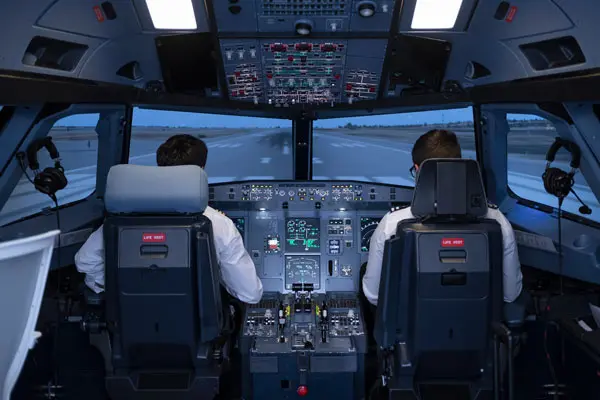
Next, you will move to the flight simulator for 10 hours of training. This time helps you use what you learned in class in a real cockpit. You will practice how to handle stalls and upset states. You will also learn how to fly in bad weather. This work helps prepare you for the highest level of pilot certification in the United States.
The six-day path
- Days 1 to 4: Academic Work. You will spend four full days in class to complete the scheduled ground-training portion. You will learn about large plane parts, weather, and pilot life.
- Day 5: Hands-on Practice. You will start your 10 hours of simulator work. You will use flight devices to master how to save a plane from a dive or stall.
- Day 6: Final Flight Tasks. Your time ends with more simulator work. This includes flying through storms and wind. You will then be ready for your written test and airline jobs.
By using this set path, you can get back to your job sooner. Many pilots travel to Las Vegas for this school because it has a clear start and end date. This helps you plan your flight from Texas and your next steps in the hiring process.
Which prerequisites should Texas pilots confirm?
Texas pilots often look for the best path to an airline career. Before starting your ATP-CTP course, you must check a few rules. These rules come from the FAA. They make sure every student has enough skill for the heavy simulator training. You must meet these needs before you can sit for the written exam.
Pilot certificates and skills
To start ATP-CTP training rules, you need a commercial pilot certificate. This certificate must include an instrument rating. This is the main way Texas pilots show they can fly in bad weather. It also shows you have the basic skills needed for high flight. This training is the first step toward the top pilot certificate in the country.
Some pilots use military service to meet the rules. If you have military flight skills that meet rule 61.73, you can join the course. Foreign pilots also have a path to join. You must hold a valid foreign ATP or commercial pilot license with instrument rights. This allows pilots from all over the world to train in the U.S.
The course is not about learning to fly a plane for the first time. It is a standard FAA course that lasts six days. LVFA’s course includes 32 hours of ground training plus the required simulator training. The ground school covers topics like high-altitude flight and bad weather. You will spend at least 6 hours in a Level C or higher full flight simulator.
FAA medical certificate rules
One common question from Texas pilots is about the medical certificate. You do not need an FAA medical certificate to sit in the classroom. You also do not need one to use the simulators at a Part 142 school. This lets you start your training while you wait for your medical check. It is a helpful rule for pilots who are on a tight schedule.
But you will need a first-class medical certificate later. You must have it before you take the actual ATP checkride. Most pilots get their medical done before they start any training. This helps them find any health issues early. It is a good way to protect your time and money. Always check with your doctor before you start a new training plan.
English skills and age
Flying is a global job. Because of this, the FAA has strict rules for language. You must be able to read and write in English. You also must be able to speak and understand the language well. This ensures all pilots can talk to air traffic control and their flight crew without any mistakes. Safety is the top goal in every part of the training.
You also need to think about your age. You must be at least 18 years old to take the course. But you cannot get your full ATP certificate until you are 23. Some pilots can get a limited ATP certificate at age 21. Check your logs to see if you meet the flight hour rules for these certificates. Each pilot must follow the same fixed course plan during the course.
- Commercial pilot certificate with an instrument rating
- Qualifying military flight experience
- Valid foreign pilot license with instrument skills
- Ability to read, write, and speak English
How should you plan the trip from Texas?
Planning a trip from Texas for your scheduled ATP-CTP course starts with confirming current dates. Major hubs like Dallas-Fort Worth (DFW), Houston (IAH), Austin (AUS), and San Antonio (SAT) offer many direct flights to Las Vegas. Compare current flight schedules from your preferred Texas airport. Book travel only after confirming your class date and reviewing change policies.
Managing your arrival and rest
You should arrive in Las Vegas at least one day before your course begins. LVFA schedules 32 hours of ground training for ATP-CTP, which starts early in the morning. Arriving a day early gives you time to check into your hotel and rest. This buffer also protects you from flight delays that could disrupt your 6-day training schedule. Pilots who are well-rested perform better during the intensive ground school and simulator sessions.
Local logistics and study prep
Getting around Las Vegas is easy for ATP CTP training Texas pilots who stay near the academy. You can use ride-share services or rent a car for the week to move between your lodging and the facility. It is helpful to review your study materials before you leave Texas. While the course is self-contained, a quick look at high-altitude aerodynamics and weather topics will help you stay ahead. Clear your personal schedule for the week so you can focus entirely on the material and your simulator time.
How to compare ATP-CTP providers nationally
Choosing the right school for your ATP-CTP training is a big step. Pilots from across the country often look for the best mix of quality and speed. You need a school that follows all FAA training standards while fitting your plan. While you may find local options, many pilots find that a focused hub is more helpful.
Check approval and course dates
First, check that the school is an approved Part 142 training center. Refer to the FAA guide to ATP-CTP training standards for the regulatory context behind approval requirements. This status shows the school meets strict rules for safety and gear. You should also look at their course start dates. Compare each provider’s current start dates against your own timeline before selecting your ATP-CTP training requirements sooner. This is key when you need to meet an airline hire date.
Judge the simulator setting
The quality of the flight simulators is a main part of your training. The FAA needs at least 10 hours of training in a flight device. At least 6 of those hours must be in a Level C or higher full flight simulator. Look for a school that uses new gear and gives a professional space. High-quality sims help you learn stalls and upset recovery well. A good choosing an ATP-CTP provider guide will tell you to see if the sim matches the jets you want to fly.
Review what the price includes
When you compare costs, see the full breakdown of ATP-CTP training costs to understand what’s covered. Ask what is in the full price. Some schools charge extra for books, test fees, or sim time. You should also check the rule for flight changes. Knowing the full cost helps you plan your cash. For many, traveling to Las Vegas for training is a top choice. The costs are clear and the site is easy to reach. Once you pass the course, you will be ready for your ATP knowledge test.
What makes a focused training facility valuable?
Pilots often look for the best place to earn their flight licenses. For an inside look at LVFA’s 6-day ATP-CTP program structure, see how the focused training center approach supports career pilots. For those seeking FAA Part 142 ATP-CTP program options, the setting matters as much as the staff. A single-site school provides a level of focus that larger centers may lack. By choosing a specific spot for training, you can step away from the tasks of home life.
This plan is helpful for pilots who need to learn a lot in a short time. Las Vegas Flight Academy offers a 6-day course that keeps you on task. You spend your time in one building with others who share your goals. This focus helps you stay sharp as you learn the rules and skills needed for your next job. You will be ready to move forward in your career.
Immersive learning setting
The FAA requires 30 hours of class time for the ATP CTP. LVFA schedules 32 hours of ground training within its fixed course. You learn in a space where every person is there for the same reason. This lack of distraction is a big win for ATP CTP training Texas pilots who want to finish their work fast and well.
A fixed course ensures that every pilot gets the same high-quality facts. Whether you have years of flight time or are new, the path is clear. You will study areas like high-altitude flight, weather, and team skills. Being in a dedicated space makes it easy to talk with teachers about these vital topics. This group focus leads to a deeper grasp of the work.
Expert simulator training
Moving from the classroom to the cockpit is a key part of the process. The law says you must complete ATP-CTP training rules that include 10 hours of simulator time. At an expert school, you use advanced flight training tools. These machines allow you to practice stalls and upset recovery in a safe way.
At least 6 of these hours must take place in a Level C or higher Full Flight Simulator. These machines feel like a real plane and react to your moves with great detail. Working in a center that keeps and fixes these simulators means you get reliable access to top-tier gear. You can focus on your habits without worrying about the tech behind the scenes.
Travel perks for national pilots
Many pilots find that traveling to Las Vegas for training is a smart choice. The city is a major hub with many flights, making it easy to reach from any state. For pilots in the South or West, it offers a central spot that is easy to find. Once you arrive, you can put all your energy into the 6-day program.
Choosing a school away from home also creates a mental break. You leave your usual routine behind and enter a “pilot-only” mindset. This shift can help you focus during LVFA’s 32 hours of ground training. You are not just fitting a class into your week; you are giving a full week to your career. For many, this is the best way to prep for the ATP exam.
A booking checklist for Texas pilots
Planning your travel from Texas for professional flight training needs careful work. Before you secure your spot in the six-day ATP-CTP course, you should check your status and get your files ready. This ensures a smooth move from your local base to our Las Vegas site.
Check your rules and eligibility
The first step is to confirm you meet FAA standards for the course. By federal rules, you must have a commercial pilot certificate with an instrument rating to start ATP-CTP training requirements. Military experience or some foreign pilot licenses may also work. You must be able to read, speak, and understand English as required by the FAA Advisory Circular 61-138A.
It is good to note that an FAA medical certificate is not a need to take the ATP-CTP course itself. But you will need a valid medical later when you take your actual ATP check. Make sure your files are current and ready in digital or paper form before you book your six-day class.
Verify course dates and items
LVFA offers a fixed six-day course with 32 hours of ground training plus the required simulator training. When choosing an ATP-CTP provider, check that the simulator part has at least 6 hours in a Level C or higher Full Flight Simulator. This is a strict rule under FAA Section 61.156 for large aircraft performance training.
Confirm the start dates match your plan and allow for travel time from Texas. Since the lessons are fixed and FAA-approved, every pilot gets the same high-standard training. This means you can focus only on the material without worrying about course changes or custom needs during your stay.
Manage travel and plans
Texas pilots often find that traveling to Las Vegas for training is a simple task with many direct flight options. When booking your flight, aim to arrive at least one day before your first ground school class. This buffer helps you settle in and avoid any stress from flight delays. Check for local rooms near our single Las Vegas site to keep your daily drive short.
Prepare a folder with your pilot license, photo ID, and any logbook notes for the first day. Once your travel is set, reach out to Contact Las Vegas Flight Academy to finish your signup and next steps. Having these plans ready lets you give your full energy to learning stall recovery and bad weather skills in the simulator.
Frequently Asked Questions
Is ATP CTP training available in the Dallas-Fort Worth area?
Yes, pilots in the Dallas-Fort Worth area can find training at large centers in North Texas. However, many Texas pilots look for other options that offer a more focused setting. Las Vegas Flight Academy provides a national choice with a single training site. This helps avoid the travel between different sites that some Texas programs need. Our site in Nevada offers a smooth path to finish your course in one place.
How many hours of ground and simulator training are required for ATP-CTP?
The FAA rules say you need 32 hours of ground school and 10 hours of simulator time. Based on the FAA Advisory Circular 61-138A, students must learn about high-altitude flight and bad weather. The flight part includes 6 hours in a Level C or higher full flight simulator. These rules make sure all pilots have the same skills before they take the airline pilot test.
Does ATP-CTP training require an FAA medical certificate?
You do not need an FAA medical certificate to start or finish the ATP-CTP course at a Part 142 school. This program focuses on book work and simulator training instead of flight in a real plane. However, you will need a valid first-class medical later when you take the test for your ATP certificate. It is a good idea to have your medical ready before you plan your final checkride.
Can Texas pilots complete ATP-CTP training in Las Vegas?
Texas pilots can easily fly to Las Vegas for their training. Las Vegas is a major travel hub, which makes it a good choice for pilots from Houston, Dallas, or Austin. Choosing a national option like Las Vegas Flight Academy lets you focus on your work away from home. LVFA offers a fixed schedule that Texas pilots can compare with other national providers.
Plan your ATP-CTP trip from Texas
If Las Vegas fits your schedule and travel plan, contact Las Vegas Flight Academy to confirm upcoming course dates. Current requirements, and what is included before booking airfare or lodging.
Call 818-489-1738 to discuss ATP-CTP training, or review the ATP-CTP program online.