
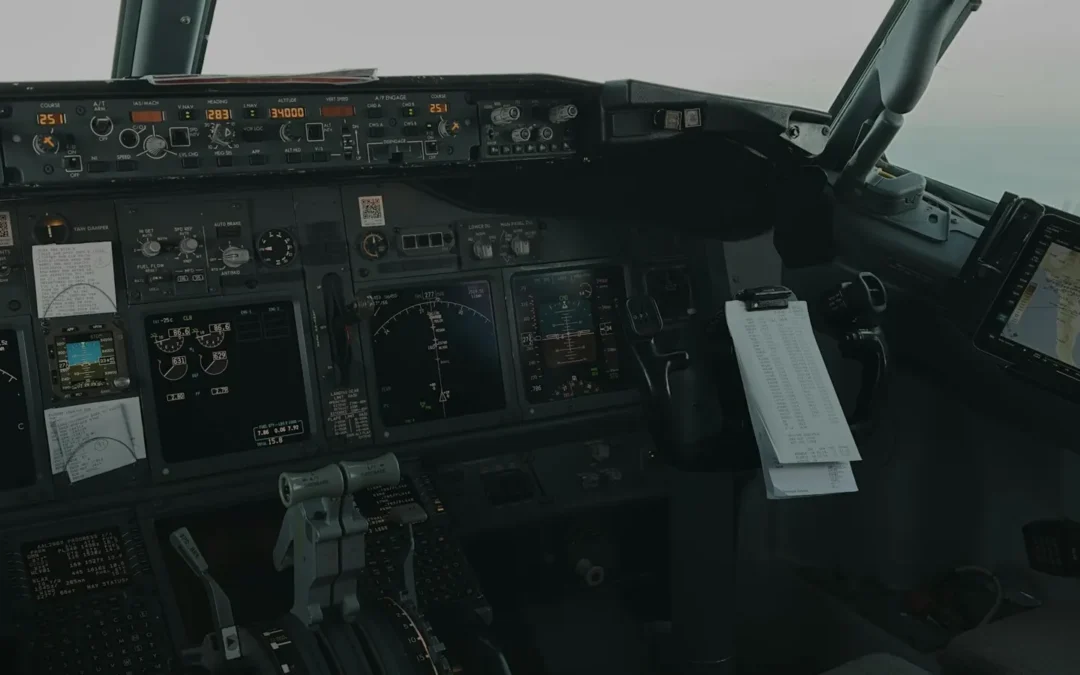
Oregon airline-bound pilots should not let geography slow required ATP-CTP planning. Las Vegas offers a focused Western training destination for pilots who need Part 142 instruction, simulator experience, and a clear schedule.
ATP CTP training Oregon pilots pursue in Las Vegas provides a direct path to the required course before the multiengine ATP knowledge test. Las Vegas Flight Academy offers a six-day ATP-CTP program built for professional pilots traveling from across the Western United States. The course includes 32 hours of ground school, four hours in a fixed-base simulator, and six hours in a Level D full-flight simulator. Oregon pilots can plan one focused training visit while completing the curriculum at an FAA Part 142 training center. They can compare available course dates with travel time from Oregon before committing to a training week. The FAA outlines the approved ATP-CTP framework for Part 142 training centers providing this curriculum.
For pilots based in Oregon, the question is whether Las Vegas makes a practical West Coast training plan, not merely an available course. The next section, Why ATP CTP training Oregon pilots choose Las Vegas, examines access, course structure, and planning factors. Here’s how.
Why ATP CTP training Oregon pilots choose Las Vegas
A practical Western training destination
Oregon pilots searching for ATP CTP training often need to solve a travel problem as well as a career requirement. They need a course they can reach from the Northwest. It must fit around work or flight commitments. Las Vegas offers a Western U.S. training destination without requiring a trip across the country.
For pilots in Portland, Eugene, Bend, Medford, or Salem, that regional fit matters. Training away from home still takes planning. A Western location keeps the search focused on a practical route and a limited training stay. LVFA’s page on ATP CTP training for Oregon pilots is a useful starting point for comparing the trip.
The Part 142 course requirement
ATP-CTP is not simply optional test preparation. The requirement appears in 14 CFR 61.156. This rule sets the approved training needed before an airplane multiengine ATP knowledge test. Pilots should choose a course for its approved training role, not for location alone.
LVFA provides FAA Part 142 training in Las Vegas for pilots pursuing this required course step. Its FAA Part 142 training in Las Vegas page describes the ATP-CTP program and Level D simulator setting. For an Oregon pilot, this gives the destination a clear purpose. It is a place to complete required training at a dedicated facility.
A six-day regional plan
LVFA’s ATP-CTP program is structured as a 6-day course. A set course length helps Oregon pilots plan time away from home. They can arrange travel before training begins. It also makes the choice clearer than a broad search for airline training somewhere in the country.
The short stay does not mean the course should be treated as a quick stop. Pilots need to choose dates carefully and arrange arrival and lodging. They must also be ready to focus during each training day. For someone traveling from Oregon, the course schedule is part of the decision.
Las Vegas fits this search because it is a Western U.S. hub for Part 142 training. Oregon pilots can assess a regional destination instead of starting with distant schools across the country. The choice becomes focused: course timing, approved provider, simulator setting, and travel planning.
Oregon pilots are not looking for a different ATP-CTP standard. They are looking for a sound way to meet that standard within the western region. Las Vegas places formal ATP-CTP training within a realistic regional plan.
Is ATP-CTP required before the ATP written exam?
The required sequence
Yes. For an airplane multiengine ATP applicant, ATP-CTP comes before the FAA Airline Transport Pilot Multiengine (ATM) knowledge test. Under 14 CFR 61.156, you must present an ATP-CTP graduation certificate before taking that knowledge test.
This order matters when Oregon pilots plan travel and testing. Complete the course first, then arrange the ATM exam after your graduation certificate is issued. That sequence prevents an exam plan from depending on a certificate you do not yet hold.
The requirement applies to the multiengine ATP path described in the rule. Before reserving training or a test date, check which ATP knowledge test matches your planned certificate and class rating. That small check keeps your training sequence clear.
Course completion versus test preparation
ATP-CTP is a required training course, but it is not the same as a written-test prep program. The course establishes the training step that comes before the knowledge test. It should not be read as a promise that a pilot will pass the exam without separate study.
The FAA makes the completion point clear in its ATP-CTP job aid. A graduation certificate is issued only after the student completes all course curriculum requirements. Finishing the curriculum opens the next required gate. It does not remove the need to review for the ATM knowledge test.
A useful plan separates compliance from study. Treat course completion as the document requirement for testing, then build your own study and test schedule. Ask each provider what the course includes, and do not assume that course time replaces written exam review.
- First, select and complete an approved ATP-CTP course.
- Next, receive the graduation certificate after meeting course requirements.
- Then, take the applicable FAA ATP knowledge test with your own study plan in place.
Planning from Oregon
For Oregon pilots, the cleanest plan is to treat course travel and written-test study as related, separate items. You can plan lodging, travel days, and the likely test window around the course schedule. Keep enough time after completion for records, rest, and any last review you need.
When comparing locations, start with the course requirement rather than a claim about exam results. The guide to ATP CTP training for Oregon pilots can help frame travel to Las Vegas as one West Coast option. Your final schedule should place the ATM exam after course completion and certificate issuance.
How the 6-day ATP-CTP course is structured
For Oregon pilots planning a short training trip, course structure matters as much as location. LVFA’s ATP-CTP program runs over six days, with classroom work and simulator sessions in Las Vegas. The course addresses the curriculum required under 14 CFR 61.156.
Course components and hours
The schedule combines 32 hours of ground school, four hours in a fixed-base simulator, and six hours in a full-flight simulator. Ground school builds a base for simulator work. Pilots can view LVFA’s FAA Part 142 training in Las Vegas course page for these listed hours.
The parts serve different goals within one focused week. Classroom time covers core knowledge before cockpit work begins. Fixed-base sessions support procedure practice, while full-flight sessions place that work in a realistic flight deck setting.
| Requirement | Component | Time | Purpose |
|---|---|---|---|
| Knowledge training | Ground school | 32 hours | Review air carrier concepts. |
| Procedure practice | Fixed-base simulator | 4 hours | Build cockpit flow skills. |
| Flight deck application | Full-flight simulator | 6 hours | Apply skills in flight scenarios. |
Level D simulator focus
LVFA uses Level D full-flight simulators for the full-flight part of its ATP-CTP program. This phase places pilots in an airline-style cockpit setting for focused scenario work and crew coordination. The purpose is structured ATP-CTP training, not broad aircraft familiarization.
The fixed-base block and full-flight block are not duplicates. One helps pilots rehearse procedures in a controlled setting. The other adds aircraft response and a more complete flight deck environment to the training sequence.
Planning the trip from Oregon
A six-day course lets an Oregon pilot plan one focused stay in Las Vegas. Before booking travel, confirm the first reporting time, lodging dates, and return-flight options. Leave enough margin after the final session so travel plans do not add pressure to training.
It also helps to decide where ATP testing steps fit after the course. For ATP CTP training Oregon pilots can arrange in Las Vegas, a clear date comes first. Pilots can check available ATP CTP start dates before reserving flights or a hotel.
How should Oregon pilots plan travel for training?
For Oregon pilots, travel planning starts with the training date, not the airfare or hotel. Pilots based in Portland, Eugene, Bend, Medford, and Salem should first set aside a full course window. One firm checkpoint guides that plan: 14 CFR 61.156 sets ATP-CTP training requirements.
A date-first booking plan
Begin by reviewing upcoming availability and selecting a week that fits work, family, and study needs. LVFA’s page to check available ATP CTP start dates helps pilots plan the course block before buying travel. Allow time before and after the course for delays, rest, and the trip home.
Use this sequence when arranging ATP CTP training Oregon pilots can complete in Las Vegas:
-
Confirm the training date and enrollment details before making travel purchases.
-
Choose an arrival that leaves time to settle in, sleep, and report ready for instruction.
-
Reserve lodging for the full training window, with one extra night if your schedule allows.
-
Plan transportation between your lodging and the training facility before you depart Oregon.
-
Pack required pilot records, identification, study materials, and any enrollment instructions in your carry-on bag.
Planning from Oregon cities
Oregon pilots will not all build the same itinerary. Portland-based pilots may compare more departure choices. Pilots from Eugene, Bend, Medford, or Salem may need added ground travel or a longer travel day. Check real schedules for your dates instead of assuming a route, fare, or connection will be available.
When comparing options, look beyond the ticket price. A tight schedule may reduce lodging costs, but it can also leave less time to rest before class or recover from a delay. A practical itinerary protects your attention for ground instruction and simulator training. It keeps travel stress from starting the course.
Ready for the training week
Confirm the facility location, class reporting instructions, lodging check-in time, and daily transportation plan before leaving Oregon. If a companion is traveling with you, set expectations around the training schedule in advance. ATP-CTP is a professional training commitment, so keep the course days clear of optional travel plans.
Before booking, review the scope of FAA Part 142 training in Las Vegas and ask for any current arrival instructions. Keep reservation details and course correspondence together on your phone and in a backup copy. Simple preparation makes it easier to arrive rested, organized, and prepared to train.
What to look for in a Part 142 ATP-CTP provider
Oregon pilots should choose an ATP-CTP provider the same way they would choose any professional training partner: verify the approval. Understand the aircraft training environment, and confirm the schedule before you commit travel time. A convenient location helps, but it should not replace the core training checks.
FAA Part 142 approval
Start with the provider’s FAA Part 142 status. ATP-CTP is not a casual ground-school add-on. It is a formal requirement before the ATP knowledge test for multiengine ATP candidates, and the course must meet the required curriculum. LVFA positions its FAA Part 142 training in Las Vegas around that requirement, with ground school, fixed-base simulator time, and full-flight simulator time.
Simulator access and curriculum clarity
Look for a provider that explains how much time you will spend in each part of the course. LVFA lists 32 hours of ground school, 4 hours of fixed-base simulator work, and 6 hours of full-flight simulator training. That level of detail helps you plan the week and understand what the course is built to cover.
For Oregon pilots, simulator access matters because the trip has to be worth the time away from work. A Level D full-flight simulator environment is closer to airline training than a generic classroom-only program. It also gives you exposure to crew concepts and high-altitude jet operations before you move into the ATP written and the next stage of airline preparation.
Logistics that support the training
Schedule clarity is also part of the decision. Before you book a flight from Portland, Eugene, Bend, Medford, or another Oregon base. Confirm the next available class, payment timing, arrival window, and what documents you need to bring. A strong provider should make those steps direct.
The best choice is the one that combines FAA-approved training with a realistic travel plan. That is the gap this Oregon-focused option fills: it gives ATP CTP training Oregon pilots can reach without turning the requirement into a cross-country project.
Cost, scheduling, and next steps for Oregon pilots
Plan the full training budget
For Oregon pilots, ATP CTP training planning includes more than course tuition. Build a budget for airfare or fuel, lodging, local transportation, meals, and any extra night around training. Request the current tuition quote from Las Vegas Flight Academy before you buy travel that cannot be changed.
Get the full ATP-CTP tuition and cost breakdown to compare your Oregon training investment.
Keep payment terms with your travel notes. Ask what the course fee includes, when payment is due, and what happens if plans change. This gives you one working cost figure before you leave Oregon.
Confirm dates before booking travel
Start with the academy page to check available ATP CTP start dates. Then confirm a seat with LVFA before you reserve flights, lodging, or a rental car. A posted date helps with planning; a confirmed seat should guide travel purchases.
Ask for the daily schedule and arrival guidance when you confirm your class. You may need to align a flight into Las Vegas with check-in and the first training event. Leave enough time for a delay, especially when a reservation cannot be changed.
What to confirm with LVFA
When you contact LVFA, state that you are an Oregon-based pilot seeking ATP CTP training. Share your preferred class date. Ask for current tuition, available seats, required documents, payment steps, and arrival timing.
- Confirm your course date and seat before purchasing travel.
- Request the current price and a list of included items.
- Ask what documents to bring and when to arrive on day one.
- Check change or cancellation terms before committing to lodging.
Course completion should shape your travel schedule. The FAA states that graduation certificates are issued only after all course requirements are complete in its ATP-CTP job aid. Plan to attend every required portion of training, without an early departure cutting into course time.
Why Oregon pilots should not delay ATP-CTP planning
ATP-CTP is easy to underestimate because it sits between flight-hour building and the ATP written exam. It is not a checkride, and it is not the written test itself. Still, it can become the bottleneck if you wait too long to schedule it.
The course comes before the written
If your airline goal depends on taking the FAA ATP knowledge test, the sequence matters. ATP-CTP completion comes first. That means you need a class date, travel plan, and completion certificate before the written exam can fit into your timeline.
For Oregon pilots, the issue is not just finding a provider. It is finding a provider you can reach, attend, and complete without stretching the process over several extra weeks. A 6-day Las Vegas course can help keep the requirement contained, especially when you are balancing work, instructing, reserve duty, or airline application timing.
Travel adds a planning layer
A local pilot may only need to think about the class seat. An Oregon-based pilot has more to line up. You need to confirm the course date, arrange time away, plan travel, and make sure you arrive with the right documents. None of that is difficult, but it should happen in the right order.
Start with the training seat. Once LVFA confirms the date, then build the trip. That keeps your lodging and flight plans tied to a real class, not an assumed opening. It also gives you time to ask questions about what to expect during ground school and simulator sessions.
A clear path supports the airline goal
ATP CTP training Oregon pilots choose should reduce friction, not add it. The goal is to complete the required course, protect your ATP written timeline, and move forward with a cleaner plan. When the training provider, schedule, and travel plan all line up, the requirement becomes a defined step instead of a late surprise.
That is why the Oregon angle matters. This is not a generic ATP-CTP article for every pilot in the country. It is a planning guide for pilots in the Pacific Northwest who want a direct West Coast route to FAA Part 142 training.
Frequently Asked Questions
Where can Oregon pilots complete ATP-CTP on the West Coast?
Oregon pilots can travel to Las Vegas for ATP-CTP at Las Vegas Flight Academy. Its ATP-CTP course page describes a six-day program using Level D full-flight simulators. Before booking travel, confirm current start dates, arrival timing, simulator scheduling, lodging, and return travel after the final training day. This gives Oregon-based pilots a Western U.S. option for completing required training before the next ATP testing step.
How long does ATP-CTP training take?
ATP-CTP at Las Vegas Flight Academy is delivered as a six-day program. The published course information lists 32 hours of ground school, four hours of fixed-base simulator training, and six hours of full-flight simulator training. Oregon pilots should plan travel for the complete course window. Arrive before training begins and depart after all scheduled requirements are completed.
Is ATP-CTP required before the ATP written exam?
Yes. Applicants for an airplane multiengine ATP certificate must present ATP-CTP graduation documentation before taking the applicable ATP knowledge test. The certificate requirement is set out in 14 CFR 61.156. Oregon pilots should finish an approved ATP-CTP course and obtain the completion document before scheduling that knowledge test.
Is ATP-CTP the same as ATP written test prep?
No. ATP-CTP is the required training course, not a stand-alone written test preparation session. Under 14 CFR 61.156, the course includes academic instruction and simulator training before the applicable ATP knowledge test. Test study may still help a pilot prepare for questions. It does not replace ATP-CTP completion or the required graduation certificate.
Reserve your Oregon ATP-CTP training spot
If you are an Oregon pilot approaching ATP eligibility, plan the required course before you schedule the written exam. Las Vegas Flight Academy gives Western U.S. pilots a focused 6-day ATP-CTP path in Las Vegas, with FAA Part 142 training and simulator time built into the curriculum.
Call 818-489-1738 to ask about upcoming ATP-CTP dates, seat availability, and the best training window for your airline timeline.