
Yes. A pilot who earned certificates and ratings through Federal Aviation Regulations Part 61 can enroll in ATP-CTP training if the pilot meets the course provider’s entry requirements. For most civilian applicants, the key question is not whether the training history is Part 61 or Part 141. It is whether the pilot holds the certificate and instrument rating required for the ATP path. This guide explains what ATP CTP for Part 61 pilots means, when to take the course, and what the course does not do.
Contact Las Vegas Flight Academy to discuss your ATP-CTP eligibility and available training dates.
Can Part 61 pilots enroll in ATP-CTP training?
Part 61 pilots can generally enroll in ATP-CTP training when they satisfy the applicable eligibility pathway. A Part 61 training record does not automatically prevent enrollment. The FAA’s ATP eligibility rule identifies a commercial pilot certificate with an instrument rating as one route into the ATP certification process, then separately addresses ATP-CTP completion and aeronautical experience.
That distinction matters. Part 61 describes the rules under which a pilot may receive flight training and endorsements from an authorized instructor. ATP-CTP is a separate, FAA-approved certification training program delivered by an authorized provider. A pilot may therefore build certificates and ratings under Part 61, then attend an ATP-CTP course at an authorized Part 142 training center such as Las Vegas Flight Academy.
The practical answer is simple: Part 61 is not the disqualifier. Your current certificates, ratings, English-language ability, and the provider’s enrollment review determine whether you are ready to start. The FAA’s 14 CFR 61.153 eligibility rule is the right place to confirm the regulatory framework, while the training center confirms the documents it needs before class.
What certificate and rating do ATP CTP for Part 61 pilots need?
For the standard civilian pathway, the pilot should hold a commercial pilot certificate with an instrument rating. The certificate can reflect a Part 61 training background. The important issue is the certificate and rating themselves, not which flight school structure was used to earn them.
- Commercial pilot certificate: This establishes the professional certificate foundation for the ATP path.
- Instrument rating: This is part of the standard eligibility pathway for an ATP certificate with the applicable airplane category and class.
- English-language ability: The FAA requires an applicant to be able to read, speak, write, and understand English, subject to the rule’s provisions.
- Document review: The training provider may ask for pilot certificates, ratings, identification, and other enrollment information before confirming a seat.
A pilot with a commercial certificate but no instrument rating should not assume that ATP-CTP enrollment solves that gap. The pilot should complete or verify the required rating first and ask the provider to review the complete record. The same principle applies if a certificate is foreign, restricted, expired, or subject to a limitation. The exact certificate pathway can change the documentation and testing sequence.
Las Vegas Flight Academy publishes its ATP-CTP course requirements for pilots who want to review the program prerequisites. Because regulations and individual records can vary, a direct eligibility review is more reliable than relying on a general internet checklist.
Do Part 61 pilots need 1,500 hours before ATP-CTP?
No blanket 1,500-hour rule should be used as a reason to delay ATP-CTP. The course is a prerequisite in the certification sequence for the applicable ATP knowledge test. The full ATP certificate has separate aeronautical experience requirements, so a pilot can be preparing for ATP-CTP before the pilot is ready to apply for the unrestricted ATP certificate.
This is one of the most common points of confusion. ATP-CTP is training, not the ATP certificate. Completing the course does not award an ATP certificate, add a type rating, replace flight experience, or qualify a pilot for an airline job by itself. It produces a graduation certificate that supports the next step in the FAA testing sequence.
The requirements described in 14 CFR 61.156 connect the ATP-CTP graduation certificate to the knowledge-test prerequisite for an ATP with an airplane category multiengine class rating, or an ATP issued concurrently with a multiengine airplane type rating. The rule does not turn ATP-CTP into a substitute for the experience, age, medical, knowledge, and practical-test requirements that apply to the final certificate.
| Step | What it answers | What it does not replace |
|---|---|---|
| Part 61 certificate and rating path | How the pilot earned the commercial certificate and instrument rating | ATP-CTP completion or ATP aeronautical experience |
| ATP-CTP | Whether the pilot completed the required certification training program | The ATP knowledge test, experience requirements, or practical test |
| Full ATP application | Whether the pilot meets the complete certificate requirements | Nothing that is still missing from the pilot’s record |
What happens during ATP-CTP after a Part 61 pilot enrolls?
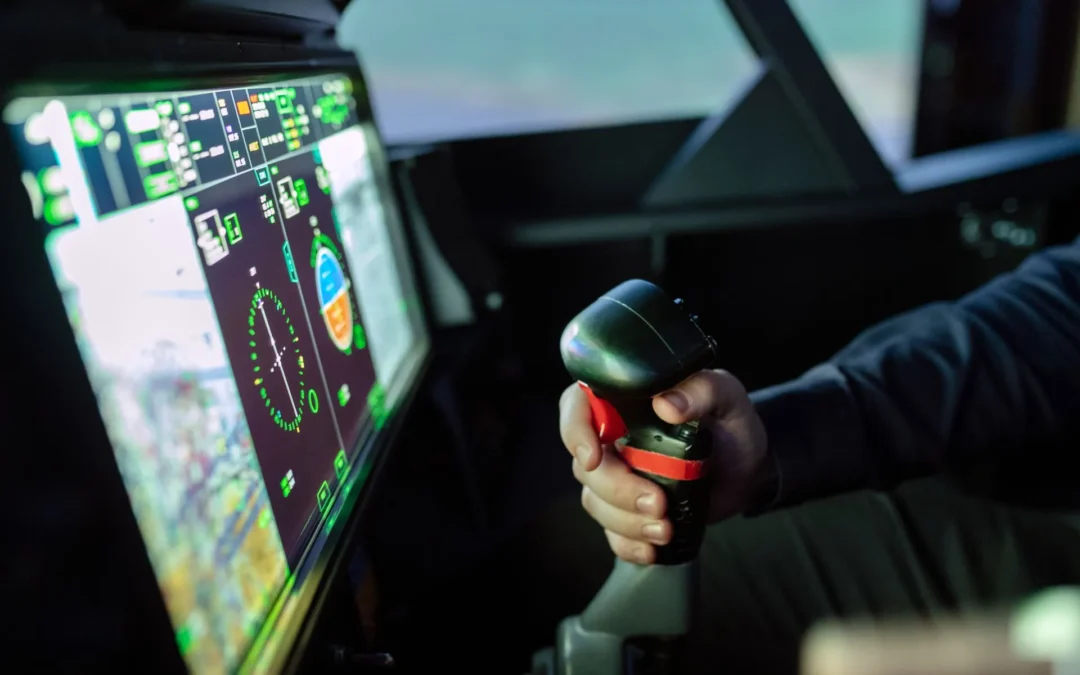
ATP-CTP is designed to bridge the gap between commercial-pilot experience and the operational demands of a multiengine airline environment. The course combines academic instruction with flight simulation. It is not a shortened private-pilot course and it is not a type-rating checkride.
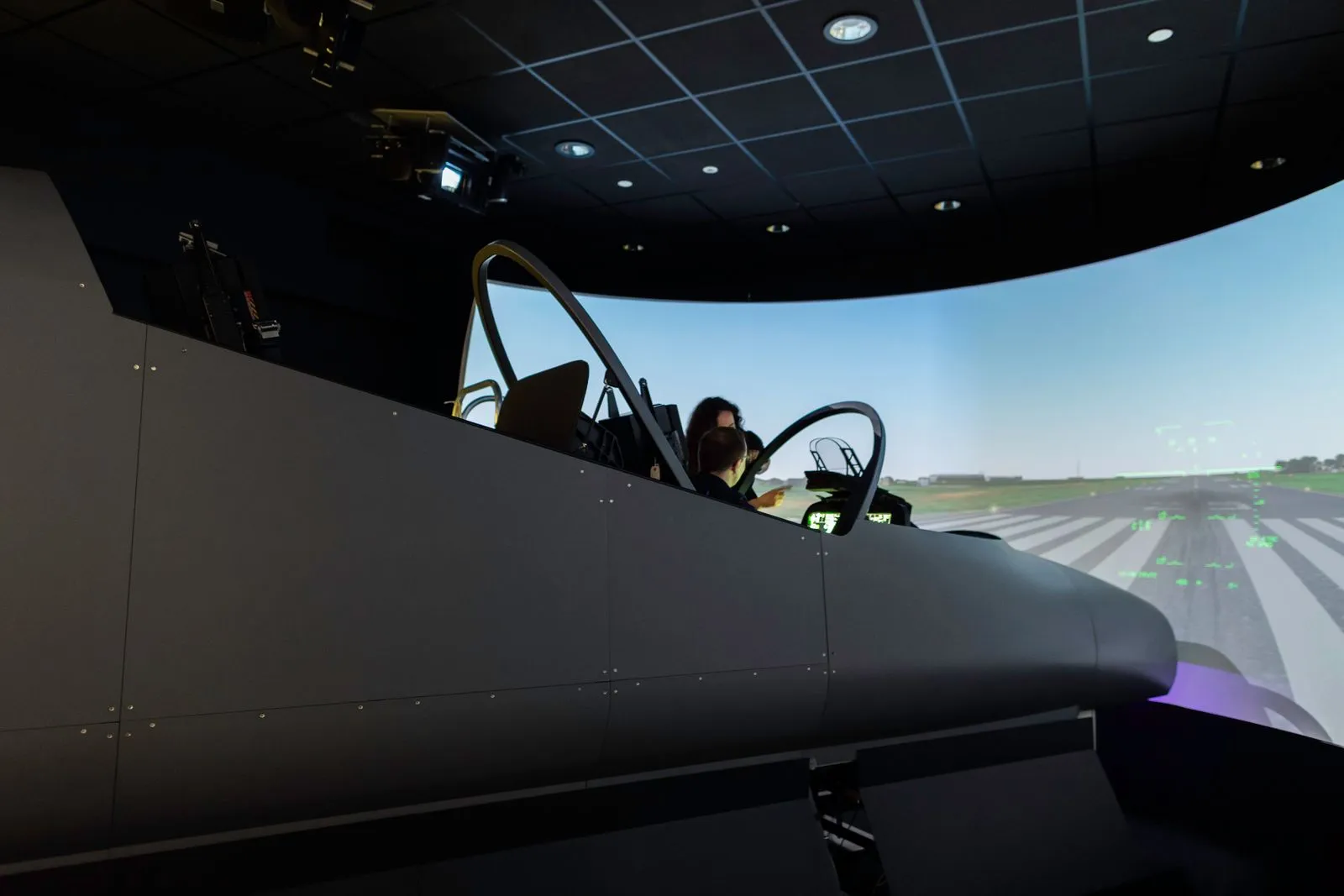
Under the FAA framework, the program includes at least 30 hours of academic training, 4 hours in a fixed training device, and 6 hours in a full-flight simulator. Las Vegas Flight Academy’s published program uses a six-day schedule with 32 hours of ground school, 4 hours in a fixed-base simulator, and 6 hours in Boeing 737 Level D full-flight simulators. Review the academy’s six-day ATP-CTP program overview for the training flow and arrival expectations.
- Ground training: Advanced aerodynamics, high-altitude operations, weather, airline operations, crew resource management, leadership, and professionalism.
- Fixed training device work: Jet systems, automation, flight-director use, and high-altitude procedure familiarization.
- Full-flight simulator work: Scenario-based training that applies the academic concepts in a transport-category flight deck.
- Completion documentation: A graduation certificate after the required course components are successfully completed.
Part 61 pilots may bring varied experience into the classroom. That does not mean the provider can remove required subjects or create a custom shortcut. Las Vegas Flight Academy’s course follows its FAA-approved curriculum, so pilots should plan to complete the same required course rather than expect the program to be adapted to a particular logbook.
How does Part 61 compare with Part 141 for ATP-CTP planning?
Part 61 and Part 141 are different flight-training frameworks, but neither label alone determines whether a pilot may attend ATP-CTP. Part 61 often gives pilots flexibility in how they build certificates and experience. Part 141 uses an FAA-approved course structure. Once a pilot holds the required certificate and rating, the ATP-CTP decision focuses on the ATP pathway and the authorized training provider.
Do not confuse the training-center rule with the pilot’s earlier flight-training rule. A Part 61 instructor or flight school may help a pilot earn a commercial certificate and instrument rating, but that does not mean the same provider is authorized to conduct ATP-CTP. ATP-CTP must be completed through a provider authorized for that program. The FAA’s Advisory Circular AC 61-138A Change 1 describes the program’s purpose and acceptable methods of compliance for authorized providers.
For a pilot choosing between training options, the useful checklist is:
- Confirm the commercial certificate and instrument rating on the current record.
- Confirm the intended ATP category, class, and rating path.
- Ask an authorized ATP-CTP provider to review eligibility before booking.
- Separate ATP-CTP scheduling from the later experience and checkride timeline.
- Use the course certificate, knowledge test, and remaining experience requirements in the correct order.
The FAA ATP training resource is a useful starting point for reviewing the broader certification process. It should be read alongside the current regulations and the provider’s enrollment guidance.
What should ATP CTP for Part 61 pilots do next?
Start with a record review rather than a guess about Part 61. Gather your commercial certificate, instrument rating, identification, and any documents tied to limitations or a foreign certificate. Then ask the ATP-CTP provider to confirm the correct enrollment path and the current course schedule. This avoids booking the wrong course or assuming that completion of ATP-CTP grants the final ATP certificate.
After the course, keep the graduation certificate with your pilot records and plan the remaining FAA steps separately. Those steps may include the knowledge test, applicable aeronautical experience, medical and age requirements, and the practical test. A training center can explain its course process, but an individual pilot remains responsible for confirming the requirements that apply to the final certificate.
Las Vegas Flight Academy is an FAA Part 142 training center in Henderson, Nevada, offering a six-day ATP-CTP program for qualified pilots. The academy’s team can review the information you provide, explain what documents are needed, and point you to the next appropriate step without assuming that every Part 61 pilot has the same timeline.
Contact Las Vegas Flight Academy for a direct ATP-CTP eligibility review and course information.
What are the most common ATP CTP for Part 61 pilots questions?
Can ATP CTP for Part 61 pilots be completed without 1,500 hours?
ATP-CTP and the full ATP certificate are separate steps. A pilot should ask the authorized provider to review the current certificate, rating, and intended ATP path instead of assuming that 1,500 hours is an ATP-CTP enrollment gate. The full ATP application still has separate experience requirements.
What certificates do ATP CTP for Part 61 pilots need?
For the standard civilian pathway, the pilot generally needs a commercial pilot certificate with an instrument rating, plus the other applicable eligibility requirements. The fact that the pilot trained under Part 61 does not by itself prevent enrollment.
Is ATP CTP for Part 61 pilots the same as an ATP certificate?
No. ATP-CTP is a required certification training program for the applicable ATP knowledge-test path. It provides a graduation certificate. It does not award the ATP certificate, replace flight experience, or complete the practical test.
Where can ATP CTP for Part 61 pilots train in Las Vegas?
Las Vegas Flight Academy offers an FAA Part 142 ATP-CTP program in Henderson, Nevada. Review the ATP-CTP program page and contact the academy to confirm current eligibility, dates, and enrollment documents.
Does ATP CTP for Part 61 pilots replace an instrument rating?
No. ATP-CTP is not a replacement for the commercial certificate or instrument rating used for the standard ATP eligibility pathway. If either item is missing or limited, ask the provider to review your record before selecting a course date.