
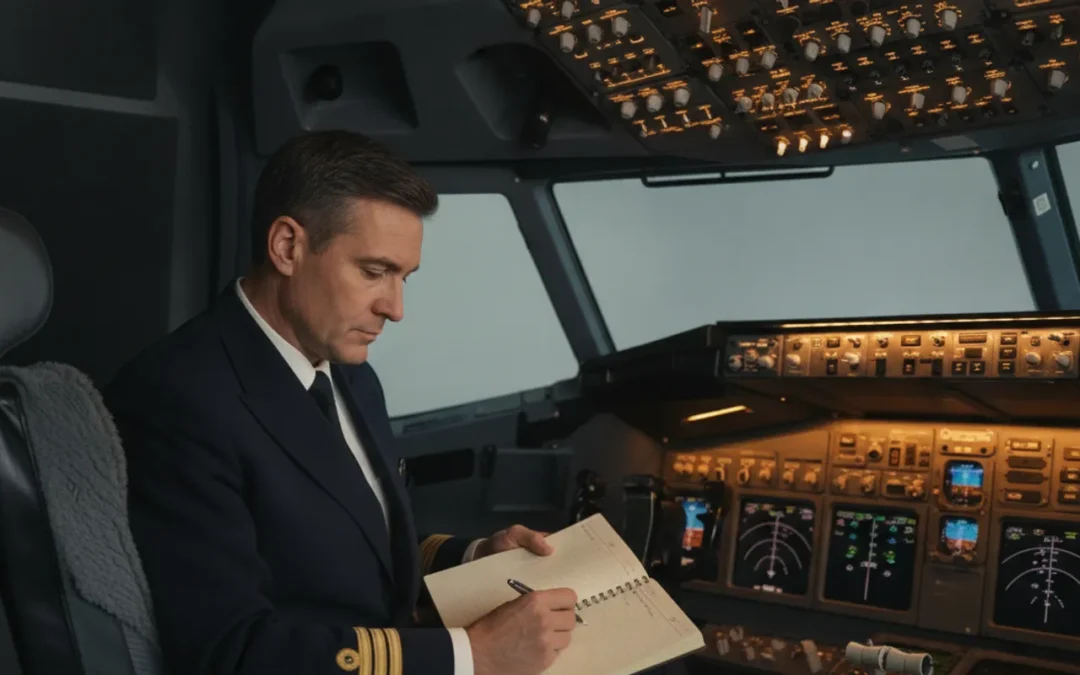
Preparing for 737 windshear simulator training is not about memorizing a single response or trying to predict every scenario. It is about arriving ready to recognize the cues your approved materials describe, communicate clearly with the other pilot, and apply the procedures your operator and instructor expect. The simulator gives the crew a place to practice those decisions under instruction, then review what happened.
Ask about 737 training options
What should 737 windshear simulator training help pilots practice?
Windshear preparation is most useful when it connects recognition, crew coordination, and procedure discipline. The aim is not to learn a substitute procedure from an article. Pilots should use their current aircraft manuals, company guidance, and instructor direction as the authority for actions and callouts.
Before a session, define what you want to improve. That might be identifying the cues presented in a scenario, maintaining a shared understanding of the situation, making a timely decision within approved guidance, or managing tasks as a crew. A focused objective gives you something concrete to observe and discuss in the debrief.
Training can also expose habits that are harder to notice in a quiet study setting. For example, a pilot may concentrate on one indication and stop sharing what they are seeing. A crew may know the procedure but be unclear about who is handling each task. These are useful learning points, not reasons to improvise new techniques. Note them and ask the instructor to connect the observation to the applicable training standard.
How can you organize your review before a windshear scenario?
Start with the sources that apply to you. Review current aircraft and operator materials assigned for the course, and follow any pre-course instructions from the training provider. If you are studying for a specific check or recurrent event, use the required references for that event rather than an online summary.
- Confirm the scope. Ask which aircraft variant, procedures, and training objectives apply. Do not assume that a description from another operator or aircraft configuration matches your session.
- Refresh recognition concepts. Review how the approved materials describe relevant cues and how those cues fit into the broader situation. Focus on understanding, not collecting isolated phrases.
- Review the applicable procedure. Read the current approved guidance and identify where to find it quickly. Keep any memory aids or notes consistent with your operator’s rules.
- Think through crew roles. Consider how you will communicate observations, confirm shared understanding, and divide tasks as directed by the applicable procedure.
- Prepare questions. Write down anything unclear, especially differences between materials, callouts, or expected training standards.
If you are still building familiarity with the aircraft, use an appropriate 737 systems overview as a study companion, then check details against approved documentation. For a broader picture of qualification pathways, read the academy’s Boeing 737 type-rating information. Neither an overview nor a blog post replaces operator manuals or instructor guidance.
Which preparation tasks deserve the most attention?
A short, deliberate review is usually more useful than trying to study every aircraft system at once. Wind shear scenarios can involve more than one source of information and can develop quickly in the training environment. The practical preparation task is to keep your mental model organized and your actions tied to the approved procedure.
| Preparation area | What to review or practice | What to bring to the session |
|---|---|---|
| Recognition | Relevant cues and definitions in the assigned materials | A note about what information you want clarified |
| Procedure knowledge | Current approved guidance and where to locate it | Questions about sequence, callouts, or applicability |
| Crew coordination | Communication and task-sharing expectations | A plan to state observations and confirm understanding |
| Aircraft familiarity | Systems concepts related to the assigned lesson | References for concepts that still feel uncertain |
| Debrief readiness | Your personal learning objective for the session | One or two observations to compare with instructor feedback |
Keep the review proportionate. If you have limited preparation time, prioritize the assigned procedure and course objectives over broad, unstructured reading. Use your 737 NG FMS preparation guide only if it supports the lesson or your instructor has directed you to it; avoid letting an unrelated study topic crowd out the scenario brief.
How should pilots approach the scenario in the simulator?
Enter the exercise ready to listen to the brief and follow the instructor’s setup. The scenario may be designed to test a particular skill, so do not assume that every detail signals the same event or requires the same response. Gather the information presented, communicate what you understand, and use the procedure and task-sharing model that apply to your operation.
During the exercise, keep your attention on the full crew picture. Say what you observe in clear, concise language. Listen for the other pilot’s input. Confirm who is handling each task when the procedure or instructor expects that coordination. If something does not make sense, communicate rather than silently filling in a gap with a guess.
It can help to treat the scenario as a sequence of decisions rather than a test of reflexes:
- Notice: Identify the cues that the training materials tell you to monitor.
- Communicate: Share relevant observations and maintain a common understanding with the other pilot.
- Apply: Use the approved procedure and instructor direction, without substituting a technique from memory that may not apply.
- Reassess: Continue monitoring the situation and coordinate as the scenario develops.
This is a study framework, not a checklist or maneuver guide. The actual actions, callouts, and decision criteria must come from the current approved materials for your aircraft and operation. For background on training-center oversight, consult the FAA’s aviation safety and regulatory resources and the academy’s explanation of Part 142 training.
What should you ask your instructor before the session?
A brief conversation can help you spend simulator time on the intended learning goals. Ask questions that clarify scope rather than requesting an unofficial shortcut. Useful questions include:
- Which aircraft configuration and reference materials should I use for this exercise?
- What windshear-related recognition or decision-making objectives are being assessed?
- Which callouts and crew roles should we use, and where are they defined?
- Are there differences between this training scenario and the procedures I use in my current operation?
- What should I focus on during the debrief: recognition, communication, procedure application, or another skill?
- What should I review afterward before the next event?
If your course includes broader 737 qualification work, the academy’s pages on initial 737 type-rating training and 737-800 type-rating preparation can help you understand related training context. For specific applicability, ask the instructor or training provider rather than inferring course details from a general guide.
How can you make the debrief more useful?
Good preparation continues after the simulator run. In the debrief, compare what you expected with what you noticed and did. Ask the instructor to identify the decision points that mattered in the exercise and explain which parts of your performance met the objective. If the scenario included a missed cue or a communication gap, ask what information was available at that point and how the approved procedure addresses it.
Write down feedback in specific terms. “Improve windshear response” is too broad to guide a second review. A more useful note identifies an observable behavior, such as needing to verbalize a cue earlier, confirm a task assignment, or locate a reference more efficiently, as appropriate to the instructor’s feedback. Do not turn one debrief into a new technique unless the instructor confirms that it is consistent with approved procedures.
Then make a small follow-up plan:
- Review the relevant approved material while the debrief is fresh.
- Record any terminology or procedure question you still need answered.
- Choose one behavior to monitor in the next session.
- Ask the instructor how to judge whether that behavior has improved.
Pilots preparing for other simulator topics may also find a structured approach useful in the academy’s 737 hydraulics simulator preparation guide or its 737 FMC preparation guide. Keep each review tied to its own lesson objectives so that one system topic does not blur the priorities for another.
How can you build a practical pre-session study plan?
Build the plan around the time and material you actually have, not an idealized syllabus. Begin by checking the training provider’s instructions and gathering the references you are expected to use. Make sure you know which version or source is current for your operation. If two references seem to disagree, do not resolve the difference by choosing the wording that feels familiar; note the conflict and ask the instructor or the appropriate training contact.
Next, divide the review into short passes. In the first pass, refresh the concepts and terminology so the subject is familiar. In the second, follow the applicable approved procedure and notice where recognition, communication, and action connect. In a final pass, close the reference and explain the sequence at a high level in your own words. Then reopen the source and check whether your explanation stayed accurate. This is a study technique, not a substitute for memorized or required procedures.
Make a one-page question list, but do not create a competing checklist. Questions might concern terminology, how a cue is introduced in the lesson, which pilot is expected to communicate a particular observation, or what the instructor will evaluate. Keep the list short enough to use during the briefing. If a question concerns a specific operational response, cite the exact approved source or section you reviewed so the instructor can address the point efficiently.
It can also help to prepare mentally for the learning environment. Expect that a simulator scenario may include distractions or changing information as part of the exercise. Your job is not to anticipate the scenario design. Instead, be ready to listen, work as a crew, and accept instructor feedback. A calm review routine can leave more attention for the exercise itself than last-minute cramming across unrelated systems.
Finally, decide how you will capture feedback. Use a notebook or other method permitted by the provider, and leave room for the instructor’s wording rather than writing down only your own interpretation. After the session, separate observations from conclusions: record what happened, what the instructor said it demonstrated, and what you will review next. This makes follow-up more precise and helps you avoid turning a single training event into a general rule that may not apply elsewhere.
What preparation mistakes should pilots avoid?
Several common habits can make training less effective. First, do not rely on an unsourced memory item or a procedure copied from another airline. Aircraft configuration, operator guidance, and training objectives can differ. Verify the applicable material rather than assuming that familiar wording is universal.
Second, avoid treating the simulator as a puzzle to solve by guessing what the instructor has planned. Focus on the cues and decisions presented, communicate with the other pilot, and follow the brief. Third, do not spend all your preparation time reading systems material without practicing how you will explain your observations and questions. Technical knowledge matters, but the session also gives the crew a chance to demonstrate coordination.
Finally, do not leave uncertainty unspoken. Ask the instructor to clarify the objective or explain how a point relates to your approved material. If you are evaluating a provider, confirm what the program covers, what references are expected, and how the training fits your qualification needs. Las Vegas Flight Academy describes its training-center background and 737 programs online; contact the academy to confirm current course fit and availability.
Discuss your 737 training needs
Frequently asked questions about 737 windshear simulator training
What should I study first for 737 windshear simulator training?
Start with the course instructions and current approved materials for your aircraft and operation. Review the applicable procedures, recognition concepts, and crew coordination expectations, then bring unresolved questions to your instructor.
Can an online guide replace my operator’s windshear procedures?
No. General articles can help organize study, but operational procedures and callouts must come from current approved aircraft and operator materials. Follow your instructor’s direction for the training event.
How can I avoid guessing during a windshear scenario?
Listen to the brief, attend to the cues presented, communicate your understanding, and apply the approved procedure. If an element is unclear, ask the instructor during the appropriate briefing or debrief rather than inventing a response.
What should I take away from the windshear simulator debrief?
Leave with a clear understanding of the scenario’s objectives, specific feedback on your performance, and one or two focused items to review. Confirm any procedural question against the approved reference or with your instructor.
With focused preparation, clear crew communication, and a debrief tied to approved guidance, pilots can use windshear scenarios to strengthen sound decision-making without relying on guesswork.