
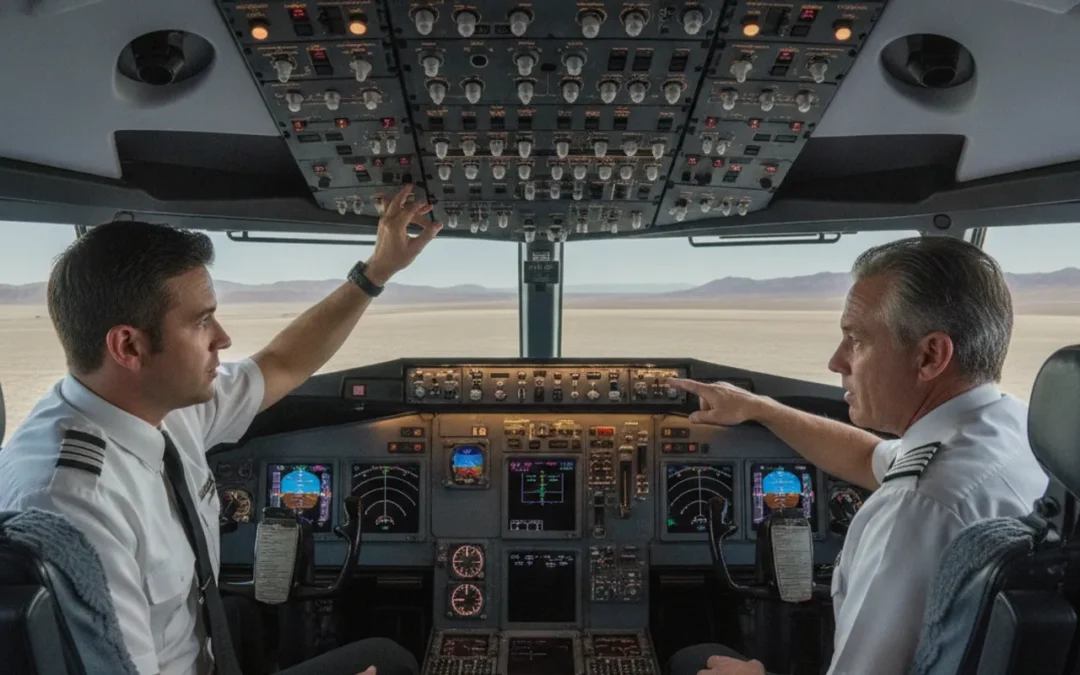
If you are researching pilot training from Spokane Las Vegas, the key question is how to reach the right training center, which course fits your certificates, experience, career goal, and schedule, and what you should confirm before traveling from Eastern Washington. Las Vegas Flight Academy is an FAA Part 142 training center in Henderson, Nevada, with professional pilot programs including ATP-CTP and Boeing 737 training.
Discuss your training plan with Las Vegas Flight Academy
What does pilot training from Spokane to Las Vegas need to accomplish?
Start with the certificate, qualification, or career milestone you are working toward. “Pilot training” can describe very different steps. A pilot preparing to qualify for an Airline Transport Pilot (ATP) certificate may need ATP Certification Training Program (ATP-CTP) before taking the ATP knowledge test. A pilot hired to fly a particular aircraft may need an aircraft type rating or other employer-required training. A current airline pilot may need recurrent training instead.
These paths are related, but they are not interchangeable. A course should match your actual next requirement, not just the broad goal of working for an airline. If you are unsure where ATP-CTP fits, review this overview of what ATP-CTP training covers, then compare it with the current ATP-CTP course information.
Before you consider dates or travel, write down the exact result you need. For example, are you preparing for an ATP knowledge test, completing a type rating for a specific aircraft, or meeting a recurrent-training requirement? If an airline, prospective employer, or training department gave you instructions, use those as the starting point. Ask the organization to clarify anything that is ambiguous before you enroll.
Which Las Vegas training option fits your pilot career stage?
Las Vegas Flight Academy focuses on advanced, simulator-based professional training rather than primary flight instruction. Its programs are most relevant to pilots who already have substantial flight experience and need a defined professional qualification. Consider the purpose of each option before planning a trip from Spokane.
| Training need | What to confirm first | Useful next step |
|---|---|---|
| ATP-CTP | Whether you meet the course prerequisites and whether this is the next step in your ATP pathway | Review the course details and ask about current enrollment requirements |
| Boeing 737 type rating | Whether you need an initial rating, recurrent training, or another qualification, and what your operator requires | Compare your goal with the academy’s Boeing 737 type-rating options |
| Recurrent or other operator training | The aircraft, training standard, records, and schedule requested by your employer or operator | Provide the requirement to the training center and confirm that the requested training is available |
| Early-stage flight instruction | Whether you need primary flight training rather than an advanced professional course | Identify a suitable local flight school or ask which stage of training is appropriate |
ATP-CTP does not itself grant an ATP certificate. It is a training program in the broader certification process, and pilots should distinguish it from the knowledge test and subsequent certificate requirements. This guide to ATP-CTP versus the ATP written exam can help you identify which step you are planning. For the larger sequence, see what may come after ATP-CTP.
How should Spokane pilots verify course and FAA requirements?
Confirm the requirements against the exact program and your own records. Eligibility can depend on your certificates, ratings, flight experience, medical status, and intended training. Do not assume that a broad description of a course, or another pilot’s experience, settles your case. Read the provider’s current requirements and contact the school if any item is unclear. The academy’s ATP-CTP course requirements guide is a useful checklist to review before you ask questions.
It also helps to understand what a training-center approval means. The Federal Aviation Administration explains that Part 141 pilot schools use an FAA-approved structured training program and syllabus, unlike training conducted under Part 61. That page describes Part 141 and Part 61; it should not be read as a description of Part 142. Las Vegas Flight Academy identifies itself as an FAA Part 142 training center, a separate framework for training centers. You can read the FAA’s overview of Part 141 pilot schools alongside LVFA’s Part 142 guide to understand the distinction without treating the approvals as interchangeable.
Before requesting a place in a course, gather the information the school may need to assess fit: your current certificates and ratings, relevant logbook totals, previous training, and the specific qualification you are pursuing. Ask what records to submit and in what format. If you are working with an airline or another operator, confirm whether it has a required course, aircraft configuration, or training sequence.
What should you ask before traveling from Spokane to Henderson?
Travel planning is easier once the training center has confirmed your course fit and a possible training window. Do not book nonrefundable travel based only on a general course description. Training availability and individual schedules can vary, so confirm the details directly with the academy before making commitments.
- Course: Which specific program matches my goal, and what does it include?
- Prerequisites: What certificates, flight experience, records, or other documents should I provide?
- Dates: Which current training dates are available, and when must I arrive?
- Attendance: What are the expected daily schedule and attendance requirements for my course?
- Travel timing: How much flexibility should I allow before and after the training dates?
- Changes: What is the process if weather, travel disruption, or a schedule change affects my plans?
- Local arrangements: Which nearby lodging and ground transportation options should I investigate for my own needs?
Spokane-area travelers should compare the full journey, not just a flight itinerary. Check the complete route from your home or workplace to the Henderson training location, including airport transfers and ground transportation. Verify current airline schedules directly with carriers, since routes and connection options change. Leave enough margin for delays, check-in, and settling in before training begins, while following the arrival instructions provided by the academy.
For course timing, ask the school rather than relying on old dates found online. The ATP-CTP start-date information can orient your planning, but confirm the availability of a specific date directly. Pilots comparing regional options can also review the academy’s information for West Coast ATP-CTP training.
How can you make a manageable plan for work and travel?
For many working pilots, the challenge is coordinating training with current flying duties, family obligations, and time away from home. Start the conversation early with the people who control your schedule. If an employer or operator is involved, ask whether it has preferred training dates, documentation procedures, or approval steps. If you are arranging training independently, decide what dates you can realistically protect before you request enrollment.
Build your personal budget around categories rather than assuming the tuition is the whole expense. Depending on your circumstances, you may need to account for ground transportation, lodging, meals, travel changes, and income or leave arrangements. Ask the academy which course items are included and what you need to provide, then estimate personal travel expenses using current information from the providers you choose. This makes it easier to compare options without relying on stale figures.
Think through a disruption plan before leaving Spokane. Keep the training center’s contact details and your travel confirmations accessible. Know how you would respond if a connection were missed, a flight were canceled, or a personal emergency changed your arrival. Ask the academy whom to notify and whether a late arrival could affect participation. These questions do not predict that a disruption will happen; they help you avoid making assumptions when plans need to change.
Finally, separate firm commitments from items that are still provisional. A confirmed enrollment, a tentative date, and a booked room are not the same thing. Track each item and the person who can confirm it. If training dates, transportation, or your employer’s requirements change, revisit the dependent arrangements before they become costly. A little coordination before departure can preserve attention for the training itself once you arrive.
How can you prepare for simulator-based professional training?
Preparation starts with knowing the course scope and arriving ready to learn. Once your enrollment is confirmed, ask for any pre-course materials, recommended review topics, equipment instructions, and policies on study resources. Follow the directions supplied for your specific program rather than relying on an unofficial checklist or a study plan built for a different aircraft or course.
Refresh the foundational material relevant to your training goal. Depending on the course, this may mean reviewing aircraft systems, instrument procedures, performance concepts, regulations, or crew resource management. The point is not to guess what will be assessed. Ask the training team what preparation is useful and focus your study on the material they identify. Keep notes on questions that need instructor clarification.
Organize your documents before departure. Keep required records accessible, check that names and identification details are consistent, and retain copies of travel and enrollment information. If the school requests records in advance, send them through the channel it specifies and verify receipt. If a certificate, logbook entry, or prerequisite is uncertain, raise it before you travel rather than hoping to resolve it on arrival.
During simulator instruction, approach each session as structured training rather than as a demonstration. Listen to the briefing, understand the objective for the session, and use debriefing to identify what to improve next. A simulator is valuable because it provides a controlled training environment for practicing procedures and decision-making. Progress depends on preparation, feedback, and meeting the standards of the particular course; it is not a substitute for checking the course requirements in advance.
How do you compare the complete training plan, not just the course?
A practical comparison includes more than the program name. Ask each provider what is included, what you must arrange separately, and what requirements apply to your individual situation. Confirm current tuition and payment terms directly with the provider; do not rely on a dated price copied into an unrelated article. Include your own travel, lodging, meals, ground transport, time away from work, and any possible schedule-change costs when assessing the overall commitment.
Use the same questions for each option so you can make an apples-to-apples comparison. Is the training aligned with the qualification you need? Is the approval or training framework suitable for your purpose? Are the program dates workable? Are prerequisites and documentation clear? Can the provider explain how the course relates to your next career or employer requirement? Written answers make it easier to compare offerings and reduce last-minute surprises.
Las Vegas can be a practical destination for pilots from Eastern Washington seeking advanced training at a West Coast location, but geographic convenience alone should not decide the course. Match the program to your career stage, verify the requirements, and confirm actual availability. Learn more about Las Vegas Flight Academy and its training center, then contact the team with your specific objective.
What should you do after confirming a training path?
Once you have a likely course in mind, turn the decision into a short sequence of checks. This helps keep the training choice, paperwork, and trip planning connected instead of treating them as separate tasks.
- State the goal precisely. Write down the certificate, rating, or recurrent requirement you are trying to satisfy. Include any wording from an employer or operator, and ask them to clarify requirements that you do not understand.
- Ask the training center to assess fit. Share the relevant details about your certificates, ratings, experience, and objective. Ask what else is needed to determine eligibility. Do not assume that a general program description confirms that you personally qualify.
- Get the practical details in writing. Confirm the program name, required documents, schedule, arrival expectations, included items, and any steps you must complete before training. If information is tentative, ask what remains to be confirmed.
- Build a realistic travel plan. Compare current route options and ground transportation for the dates you have confirmed. Consider your work and family commitments, travel disruption possibilities, and the amount of flexibility you want. Avoid making irreversible arrangements until the training details are settled.
- Prepare from the course guidance. Complete requested paperwork and use only the pre-course materials or review priorities recommended for your course. Keep a list of unresolved questions to take to the instructor or training team.
Keep copies of the relevant messages and documents together so you can refer to the same confirmed plan when booking travel and preparing for class. If your circumstances change, such as a new employer requirement, updated certificate, or travel conflict, tell the academy promptly. The right next action may change when the underlying requirement changes, so reconfirm rather than relying on an earlier assumption.
Ask about course fit, requirements, and available dates
What should Spokane pilots know about pilot training from Spokane Las Vegas?
Is pilot training from Spokane Las Vegas a fit for a pilot who needs ATP-CTP?
It may be a fit if ATP-CTP is the next step in your certification plan and you meet the applicable prerequisites. Confirm the course requirements and your eligibility with the training center before arranging travel. ATP-CTP is distinct from the ATP knowledge test and the certificate itself.
Can pilot training from Spokane Las Vegas include a Boeing 737 type rating?
Las Vegas Flight Academy offers Boeing 737 type-rating training. Whether an initial, recurrent, or other course is right for you depends on your certificates, experience, and operator requirements. Describe your goal to the academy and confirm the specific program, prerequisites, and dates.
How early should I plan pilot training from Spokane Las Vegas?
Start by confirming course fit, required documents, and actual training availability with the academy. Then coordinate travel and lodging around confirmed dates, leaving appropriate flexibility for your circumstances. There is no single lead time that applies to every pilot or course.
Should I book travel before confirming my course?
It is safer to confirm your eligibility, course details, and a training date with the academy before committing to nonrefundable arrangements. Ask about arrival timing and what to do if travel plans change.
With the right course identified and the details confirmed in advance, Spokane-area pilots can make a more informed plan for professional training in Henderson and the next step in their aviation careers.