
Enrolling for a B737 type rating is easier when you treat it as a sequence of verification steps, not simply a request for the next available simulator date. Your certificate and ratings, ATP-CTP status, document package, student or TSA requirements, schedule, and checkride plan all affect how training should be arranged.
Contact Las Vegas Flight Academy to confirm your B737 enrollment path and current training dates.
To enroll in B737 type rating course USA training, first confirm the program type and eligibility with the academy. Then verify whether ATP-CTP belongs in your ATP pathway, prepare the required documents, resolve any international-student or TSA steps, and secure dates and seats before booking travel. Requirements can vary by pilot background and course, so confirm your individual path directly.
Las Vegas Flight Academy is an FAA Part 142 training center in Henderson, Nevada, offering B737-800 initial, upgrade, recurrent, requalification, and differences training. The practical starting point is to match your experience and intended rating to the correct enrollment path, then confirm each requirement before committing to a training date.
How do you enroll in B737 type rating course USA?
Enrollment should begin with an identity and eligibility review, not a generic school comparison. LVFA is an FAA Part 142 aviation training center specializing in professional pilot training, including B737 type ratings and ATP-CTP. Its B737-800 options include initial, upgrade, recurrent, requalification, and differences training, so the first conversation should identify the specific qualification you need.
| Checkpoint | What to confirm | Why it matters |
|---|---|---|
| Training objective | Tell LVFA whether you are pursuing an initial type rating, an SIC-to-PIC upgrade, recurrent training, requalification, or differences training. | The program track, preparation, and evaluation plan depend on the qualification you are seeking. LVFA specifically serves both initial candidates and pilots upgrading from SIC to PIC. Review the B737 type-rating program. |
| Personal eligibility | Provide your current certificates, ratings, experience, and training objective, then ask LVFA to confirm the applicable prerequisites. | Eligibility is not universal. Confirming your circumstances prevents assumptions about ATP, instrument, foreign-license, or operator requirements. |
| Course relationship | Ask whether ATP-CTP belongs in your individual sequence and what it would document. | ATP-CTP and a B737 type rating are separate credentials. Do not assume that completing one automatically grants the other. |
| Dates and location | Confirm current dates, seat availability, training location, and any checkride arrangements before booking travel. | LVFA serves West Coast, national, and international trainees from its Henderson, Nevada training center. Availability and travel requirements should be verified directly rather than inferred from a published schedule. |
This checkpoint-based approach keeps enrollment practical: send accurate background information, request the applicable pathway, and confirm the current logistics with LVFA before committing to dates or travel.
How does ATP-CTP fit into the B737 type rating sequence?
ATP-CTP belongs to the ATP certification pathway, not automatically to every B737 type-rating enrollment. The FAA describes it for applicants pursuing an airline transport pilot certificate with an airplane multiengine class rating, including an ATP certificate issued concurrently with an airplane type rating. Its purpose is to prepare eligible applicants for operations that require an ATP certificate under FAA rules. Review the FAA’s ATP guidance and the requirements in 14 CFR 61.156 before deciding where it belongs in your plan.
What does ATP-CTP completion provide?
Completing ATP-CTP produces a course-completion certificate. It does not issue an ATP certificate, grant a B737 type rating, or replace the FAA ATP knowledge exam. For an eligible pilot, the certificate supports eligibility to take that written exam. The exam and the later practical requirements remain separate steps, and the FAA determines whether your certificates, experience, and ratings satisfy the applicable requirements.
LVFA describes its ATP-CTP as a six-day program with 32 hours of ground instruction, four hours in a fixed training device, and six hours in a full-flight simulator. Those components provide structured training, but they should not be confused with the B737 type-rating course itself or with aircraft flight time. Confirm the current course structure and your eligibility through LVFA’s ATP-CTP eligibility and enrollment information.
Where can it appear in a B737 training plan?
A pilot who needs an ATP and plans to receive it concurrently with an airplane type rating may complete ATP-CTP, take the ATP knowledge exam, and then coordinate the remaining ATP and B737 type-rating requirements. Another pilot may be pursuing a recurrent, requalification, differences, or other B737 course with a different objective. That is why you should not assume ATP-CTP is universal for every applicant who wants to enroll in B737 type rating course USA.
Before reserving training, ask LVFA to map your current certificate, instrument privileges, experience, ATP status, and intended B737 course against the applicable FAA requirements. This separates the ATP-CTP course certificate, ATP knowledge exam, ATP certificate, and type rating into the correct sequence for your situation.
Which documents should you prepare before requesting a training date?
A useful enrollment packet helps LVFA determine which training path fits your background. The exact document list depends on your certificate, ratings, experience, and whether you are pursuing an initial type rating or an upgrade. Prepare the information below without assuming that every item applies to every pilot.
- Identify the training objective. State whether you are seeking an initial B737-800 type rating, an SIC-to-PIC upgrade, recurrent training, requalification, or differences training. LVFA lists these as separate program paths, so this context helps the academy route your inquiry accurately. Review the B737 type-rating program before you write.
- Gather your current pilot credentials. Have your certificate details and applicable ratings available for review. For ATP-CTP enrollment, LVFA lists a commercial pilot certificate with an instrument rating as one possible route. It also identifies qualifying U.S. military experience and certain foreign airline transport or commercial credentials with instrument privileges or ratings as possible routes. English proficiency is required for ATP-CTP eligibility, but LVFA must confirm how your records apply.
- Prepare supporting records if your route is nonstandard. If you rely on military experience or foreign credentials, organize the records that explain your qualifications and ratings. Do not assume that a foreign license, military record, or translated document automatically satisfies a U.S. training requirement. Ask LVFA what format, verification, or additional records it needs.
- Separate ATP-CTP documents from type-rating documents. If ATP-CTP is part of your plan, review LVFA’s ATP-CTP eligibility and enrollment information. The course provides a completion certificate, not an ATP certificate or rating, and separate preparation is needed for the ATP written exam.
- Ask LVFA to confirm the final checklist. Before requesting a date, send your credential summary and ask the academy to confirm prerequisites, required documents, available seats, and any checkride or scheduling arrangements. Use the contact LVFA page rather than relying on a generic checklist found online.
What should international pilots verify before US B737 training?
International pilots should treat enrollment as a coordination step, not simply a course booking. Before committing to travel, confirm that your certificate history, intended training path, immigration status, and security-screening requirements align with the specific B737 program and dates you are considering.
Which pilot credentials and language requirements apply?
LVFA lists specified foreign airline transport or commercial pilot credentials with instrument privileges or ratings as possible ATP-CTP eligibility routes. That does not automatically establish eligibility for every type-rating or ATP pathway. Ask the academy to review your current foreign license, ratings, medical documentation, and intended outcome. LVFA also states that English proficiency is required for ATP-CTP eligibility. Confirm what evidence or assessment applies in your case rather than assuming that a particular document will satisfy the requirement.
What visa and SEVP questions should you resolve?
LVFA is SEVP-certified for international students pursuing M-1 vocational or technical training. The academy’s international student and SEVP information explains the relevant enrollment context, but SEVP certification does not mean every applicant receives approval or follows the same process. Ask LVFA what information it needs to evaluate your proposed course and what documentation it can provide. You should also confirm current visa requirements with the appropriate official authority for your circumstances.
How should you handle TSA flight-training security steps?
Visa and TSA steps require case-specific verification. Depending on the training and your circumstances, additional security procedures may apply, so do not assume that another U.S. course or a previous approval establishes the result for this enrollment. Review the current TSA Flight Training Security Program information and ask LVFA which steps, if any, apply before paying for travel. Because LVFA serves national and international trainees, it can help identify the questions to resolve, but it cannot promise an immigration or security outcome.
How should you schedule simulator training and travel to Nevada?
Do not book nonrefundable travel until LVFA confirms your training dates, seat availability, prerequisites, and checkride arrangements. The academy reports flexible start dates subject to availability, so the practical next step is a direct scheduling conversation rather than assuming that a preferred week is open. Use the contact page to request the current schedule and identify any items that must be completed before arrival.
LVFA operates from a single training facility in Henderson, Nevada. Build your travel plan around the confirmed training schedule and the time you will need for arrival, ground preparation, and recovery between demanding simulator sessions. If you are traveling from outside the United States, resolve your individual visa, TSA, and credential questions before committing to a date. Those requirements can depend on your circumstances and should be confirmed with the academy and the appropriate authorities.
What should you prepare before arriving?
- Confirm the exact program: initial, upgrade, recurrent, requalification, or differences training.
- Verify the reporting location, arrival time, required documents, and any pre-course study expectations.
- Review the training plan and ask how ground instruction, briefings, scenario practice, and competency-based progression fit together.
- Allow flexibility in your travel arrangements until LVFA confirms the seat and schedule in writing.
Preparation should focus on the aircraft systems, procedures, limitations, and evaluation standards relevant to your program. You can review LVFA’s B737 Level D simulator training resource for additional context on the facility and session planning. A confirmed schedule gives you a realistic basis for arranging transportation, lodging, time away from work, and any follow-up training without inventing a lead time that may not apply to your situation.
What happens in B737-800 simulator training and the checkride?
Once your enrollment path is confirmed, training generally moves from structured preparation into supervised simulator practice. Ground preparation helps you organize aircraft systems knowledge, procedures, limitations, and operational decision-making before you are expected to manage those tasks in a high-workload scenario. Review your assigned materials in advance, identify subjects that need clarification, and arrive ready to use instructor briefings efficiently.
LVFA describes its training model as a combination of ground and simulator instruction, briefings, scenario-based practice, and competency-based progression. That means the objective is not simply to repeat isolated maneuvers. Instructors can introduce normal and abnormal operating situations, observe how you apply procedures, and provide targeted coaching as your performance develops. The exact sequence and training emphasis depend on your program type, prior experience, and the requirements that apply to your case.
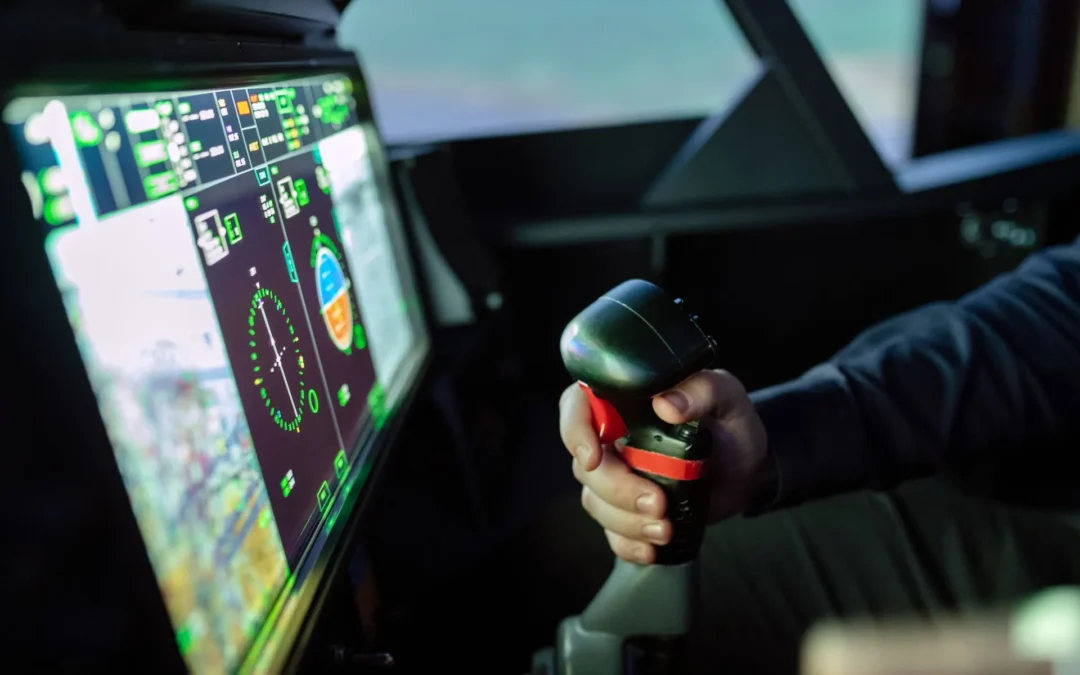
LVFA uses Boeing 737-800 Level D full-flight simulators for this training. The FAA describes a full-flight simulator as a replica of a specific aircraft type or make, model, and series cockpit in AC 61-138A. A simulator can therefore provide a realistic environment for practicing cockpit procedures, crew coordination, instrument work, and scenario management without placing you in an aircraft.
That distinction matters for planning and recordkeeping: simulator sessions are not aircraft flight time. They are training activities conducted in an approved simulation environment, not a substitute for logging flight time in an airplane. You can review the broader B737 type-rating program and the available B737 Level D simulator training details before you enroll.
How should you prepare for the oral exam and checkride?
Checkride preparation should include more than simulator repetition. Use the training briefings and instructor feedback to identify gaps, then organize a focused systems and procedures review. LVFA’s B737 oral exam study guide can support that review, but it should complement the current training materials and instructor guidance rather than replace them.
Before committing to travel, confirm the evaluator, checkride format, required preparation, and scheduling logistics directly with LVFA. Dates, seats, and arrangements can depend on the program and current availability. Asking those questions early helps you build a realistic plan and prevents assumptions about hours, scoring, or completion outcomes.
What should you confirm before you finalize enrollment?
Before you commit to a B737 training date or make travel arrangements, ask the academy to confirm your enrollment details in writing. A short, specific checklist can prevent avoidable delays and clarify which requirements apply to your situation.
- Eligibility and course type: Confirm whether you are enrolling in an initial, upgrade, recurrent, requalification, or differences program. LVFA offers these B737-800 training paths, but the appropriate route depends on your certificates, experience, and training objective. See the B737 type-rating program for the available options.
- Documents: Ask for the current document list and verify that your commercial pilot certificate, instrument privileges or rating, identification, and any foreign or military records meet the applicable requirements. If ATP-CTP is part of your sequence, confirm your eligibility separately. Its completion results in a course certificate, not an ATP certificate or type rating.
- ATP-CTP timing: Establish whether you need to complete ATP-CTP before taking the ATP knowledge test and how that timing fits with your B737 training. Do not assume that the same sequence applies to every candidate. Confirm the details with LVFA and review its ATP-CTP eligibility and enrollment information.
- Dates and travel: Verify the current start date, seat availability, daily training plan, and the Henderson, Nevada facility location before booking flights or lodging. LVFA reports flexible dates subject to availability, so rely on the confirmed schedule rather than an older web listing.
- International or TSA status: If you are training from outside the United States, ask which visa, SEVP, TSA, English-proficiency, and foreign-credential steps apply to your case. These requirements are not universal. Confirm them before travel through LVFA and the relevant authorities.
- Simulator and checkride plan: Confirm the planned B737-800 Level D simulator sessions, preparation requirements, evaluator or checkride arrangements, and what documentation you should bring. Simulator sessions are training events, not aircraft flight time, so ask how each element is recorded and applied to your course.
Once these points are confirmed, keep the written response with your training records and revisit it if your certificates, travel status, or requested course type changes.
Frequently Asked Questions
Can you enroll in B737 type rating course USA without an ATP?
Possibly. Your path depends on the training objective, current certificates, ratings, and whether you are pursuing an ATP at the same time. Confirm your eligibility for the specific initial, upgrade, recurrent, or requalification program with the academy and the FAA before scheduling.
Is ATP-CTP required before B737 type-rating training?
ATP-CTP applies to eligible applicants seeking an airplane multiengine ATP certificate, including an ATP issued concurrently with an airplane type rating, under FAA guidance. It provides a course-completion certificate, not an ATP certificate or B737 type rating. Confirm the correct sequence for your credentials and goal with the training provider.
What documents should international pilots prepare?
Start with your pilot certificates, instrument privileges or ratings, identification, and any records supporting your training pathway. The academy must confirm the exact document list for your case. International pilots should also verify English proficiency, visa status, and any applicable TSA requirements. LVFA is SEVP-certified for international M-1 students, but immigration and security steps are case-specific.
How far in advance should I schedule simulator training?
There is no universal lead time. Confirm current dates, seat availability, prerequisites, simulator plan, and checkride arrangements directly before booking travel. LVFA operates in Henderson, Nevada, and reports flexible start dates subject to availability, so written confirmation is prudent before making nonrefundable plans.
Does B737 simulator time count as aircraft flight time?
No. A full-flight simulator replicates the aircraft cockpit and supports structured training, briefings, scenario practice, and competency-based progression, but simulator sessions are not aircraft flight time. Ask the academy how your training and checkride plan apply to the rating you are pursuing.
Ready to confirm your B737 type-rating enrollment plan?
Eligibility, ATP-CTP sequencing, required documents, student-security steps, training dates, and checkride planning can vary by pilot. A direct review helps you confirm the details before you commit to travel or a schedule. Contact Las Vegas Flight Academy to verify your eligibility, current dates, documents, and next enrollment steps.