
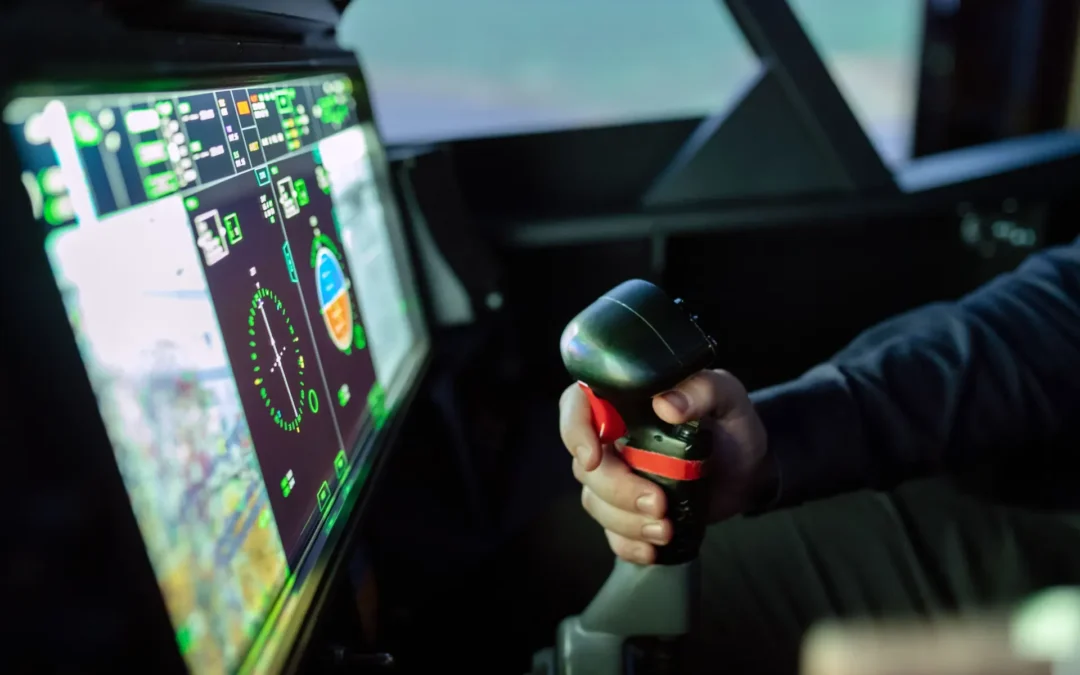
For a foreign-licensed pilot, pursuing an FAA airline credential in the United States involves more than reserving a simulator session. License verification, English proficiency, security screening, travel status, and the relationship between your home-country certificates and FAA requirements all need to be considered before you travel.
An ATP-CTP course Las Vegas for foreign pilots provides the FAA-required bridge between commercial pilot training and multiengine airline operations. It can satisfy the approved training component needed before the FAA multiengine ATP knowledge test. But completing the course does not automatically convert a foreign license, issue an FAA ATP certificate, or guarantee visa or TSA approval.
The most useful first step is to separate what the course delivers from the documentation and approvals you must arrange independently. Understanding the Part 142 framework and eligibility requirements makes that distinction clear.
Contact Las Vegas Flight Academy to discuss your ATP-CTP plans, documents, and timing before booking travel.
What Does an ATP-CTP Course in Las Vegas for Foreign Pilots Actually Do?
The Airline Transport Pilot Certification Training Program, or ATP-CTP, is the bridge between commercial pilot training and transport-category operations. For pilots preparing to pursue the FAA multiengine Airline Transport Pilot certificate, it is a mandatory training requirement, not an optional airline-preparation seminar. The FAA describes ATP-CTP as required for the multiengine ATP certificate.
Federal rules also specify where this training may be conducted. An ATP-CTP course must be delivered by an FAA-approved training center certificated under Part 142. Las Vegas Flight Academy is an FAA Part 142 training center, so its course is structured within that regulatory framework. The program is intended to build the knowledge and operational perspective needed for transport-category flying, including the transition from individual commercial-pilot tasks to airline-style systems and procedures.
Who can begin ATP-CTP?
Eligibility starts with the pilot’s existing qualifications. The FAA states that applicants must hold a commercial pilot certificate with an instrument rating, or an equivalent qualification. For a foreign pilot, that does not mean a home-country license automatically becomes an FAA certificate. The relevant credentials and pathway should be reviewed against current FAA requirements before training is scheduled.
- Purpose: Prepare a qualified commercial pilot for the multiengine ATP certification process.
- Regulatory setting: Complete the course through an FAA Part 142 training center.
- International planning: Confirm that the pilot’s qualifications are acceptable for the intended FAA pathway.
Most importantly, ATP-CTP completion is one step in certification. The course itself does not issue an FAA ATP certificate. It documents completion of the required training, while the FAA certificate remains dependent on the pilot completing the other applicable certification requirements and processes.
What Happens During LVFA’s Six-Day ATP-CTP Course?
LVFA’s six-day format combines the classroom instruction and simulator training required for an Airline Transport Pilot Certification Training Program (ATP-CTP). The structure is designed to move from foundational knowledge into practical, transport-category scenarios without changing the approved curriculum for an individual student’s background.
- Complete 32 hours of ground school. The classroom portion covers the technical subjects that support airline operations, including aerodynamics, aircraft automation, and transport-category operations. FAA guidance establishes a minimum of 30 hours of ATP-CTP ground training, so LVFA’s 32-hour program exceeds that baseline. The material gives pilots a structured framework for understanding the systems, performance considerations, and operating environment they will encounter in later simulator work. FAA ATP-CTP curriculum guidance outlines these ground-training expectations.
- Train for 4 hours in a fixed-base simulator. The fixed-base simulator phase provides a focused setting for applying ground-school concepts and developing procedures before moving into the full-flight simulator. It forms part of LVFA’s 10 total simulator hours. FAA standards require at least 10 hours of ATP-CTP simulator training, combining the fixed-base and full-flight portions.
- Complete 6 hours in a Level D Boeing 737-800 NG full-flight simulator. The final simulator component places the training in a high-fidelity airline environment. Scenarios include the required areas of stall prevention and recovery, as well as adverse-weather operations. These exercises connect technical knowledge with disciplined crew procedures and transport-category decision-making. The six-hour Level D session, together with the four-hour fixed-base session, meets the program’s 10-hour simulator structure.
For the current program details and enrollment planning, review LVFA’s ATP-CTP course. Foreign pilots should distinguish completion of this course from issuance of an FAA ATP certificate. The course is a required training step, while eligibility, documentation, testing, and certification involve separate FAA requirements.
How Do TSA Approval and Travel Documents Work for Foreign Pilots?
For a foreign pilot planning training in the United States, TSA screening is a planning gate, not a formality to handle after booking travel. The Alien Flight Student Program (AFSP) security-threat assessment applies to foreign nationals before flight training begins. TSA guidance indicates that the assessment may apply to initial certification, multiengine training, and type-rating training. So an existing license or previous aviation experience does not automatically remove the need to confirm the process.
Start by confirming that the training provider is approved to serve foreign nationals. Providers must be TSA-approved for this purpose, and the course itself must fit the provider’s approved training scope. Las Vegas Flight Academy can explain the provider-side process, but no school can promise that TSA will approve an individual applicant.
Processing times vary. TSA recommends initiating the security-threat assessment at least 30 days before training, which makes the screening timeline part of your course planning. Build in additional time if your travel schedule is fixed, your records require clarification, or another agency must verify information. Do not treat a course start date as confirmation that screening has been completed.
Which documents should you confirm before traveling?
Ask the school which current documents it needs for your file and which items TSA or the FAA may request. Depending on your situation, that conversation may include:
- A valid passport and identity information that match your application.
- Your home-country pilot license, ratings, and any FAA verification or authenticity documentation that may apply.
- Medical records or certification documents, including any additional material required for an international FAA medical application.
- Training records and prior course documentation that help the provider establish your training history.
These are items to confirm, not a guaranteed checklist for every pilot. Training centers must maintain records of each student’s ground and simulator instruction for FAA inspection, so provide accurate information and retain copies of submitted documents. Review LVFA’s international student pilot program information, then confirm your specific TSA, documentation, and timing questions with the academy before making travel arrangements.
Which Visa Pathway Fits ATP-CTP Training in Las Vegas?
Visa planning should happen before you book travel. The appropriate status depends on the purpose and structure of your visit, your nationality, your existing immigration history, and the current guidance that applies to your case. LVFA can explain course logistics, but it cannot determine your immigration eligibility, provide legal advice, or guarantee admission, visa issuance, or entry to the United States.
| Travel status | How to think about it | What to confirm before booking |
|---|---|---|
| M-1 vocational student visa | Some foreign pilots may use the M-1 visa category for vocational flight training. Whether it fits your ATP-CTP plans requires a case-specific review. | Ask whether the school and course structure support the intended vocational-study pathway, then follow current instructions from the appropriate U.S. authorities. |
| B1/B2 visitor visa | Do not assume that visitor status permits enrollment in this course. The permitted activities depend on the specific facts and applicable rules. | Obtain official guidance on whether your planned training is consistent with the purpose of your proposed visit. |
| ESTA travel authorization | ESTA is a travel authorization, not a blanket approval for vocational study or flight training. Eligibility to travel does not answer every training-status question. | Confirm whether your nationality, itinerary, and planned ATP-CTP activities are compatible with Visa Waiver Program requirements. |
For a starting point, review LVFA’s M-1 visa and SEVP steps, then verify the answer through current official immigration or consular guidance. Prepare your passport, course information, prior licenses, and travel timeline so the school and qualified authorities can assess the same facts. A careful review before departure is more reliable than relying on an assumption about B1/B2 or ESTA.
What English and Home-Country License Documents Should You Prepare?
Before traveling for training, organize the documents that establish who you are as a pilot and what you are seeking from the FAA process. The ATP-CTP course itself does not automatically convert a home-country license into an FAA Airline Transport Pilot (ATP) certificate. It is one approved training step within a broader certification pathway.
How is FAA English proficiency evaluated?
For airman certification, the FAA requires an applicant to be able to read, speak, write, and understand English. This standard applies to foreign pilots as well as US applicants. Review the FAA English proficiency requirements before you arrive, especially if your existing license uses a different English-language endorsement or assessment system. The FAA published guidance is the appropriate reference for determining how your documentation will be considered.
What license and verification records may be needed?
Foreign license holders may need FAA verification of the authenticity of their pilot certificate. Start that process early and keep copies of your current home-country license, ratings, passport, logbook records, and any correspondence or verification results. Exact requirements can depend on the certificate or rating you are pursuing, so confirm the current documentation list with the FAA and training provider before booking travel.
Some European pilots may use an EASA English Language Proficiency (ELP) endorsement as evidence of English capability, but it remains subject to FAA review. An endorsement should not be treated as an automatic approval. LVFA’s guide to EASA-to-FAA license conversion provides useful planning context, while the FAA makes the final determination.
What medical documentation should international pilots prepare?
Medical paperwork also deserves early attention. International applicants may need additional documentation or, in some cases, a special issuance for FAA medical certification. Bring complete records and ask an FAA-designated Aviation Medical Examiner about your circumstances. Separating medical certification, license verification, English proficiency, and ATP-CTP completion helps prevent one completed step from being mistaken for the FAA ATP certificate itself.
What Should Foreign Pilots Confirm Before Booking?
Before booking, separate the immediate ATP-CTP requirement from the longer certification and aircraft-training plan. Use this checklist to identify questions that should be answered before you travel:
- Eligibility: Confirm that your commercial pilot certificate, instrument privileges, or equivalent credentials meet the requirements for ATP-CTP entry. If your license was issued outside the United States, ask how FAA authenticity verification will be handled.
- Training records: Confirm that the provider will issue and retain the required ATP-CTP completion documentation. Under FAA guidance, graduates of an approved ATP-CTP may be eligible to take the ATP multiengine knowledge test. Review the FAA ATP guidance for the current requirements.
- Course scope: Ask what the course covers beyond examination preparation. ATP-CTP instruction addresses multi-crew cooperation and resource management, which are important parts of operating in a transport-category environment. It is not a promise of an ATP certificate, employment, or a subsequent aircraft qualification.
- Next aircraft step: If a Boeing 737 type rating is part of your later plan, confirm its separate eligibility, scheduling, documentation, and screening requirements. ATP-CTP completion does not automatically enroll you in or guarantee progression to a type-rating course. Review the 737 type rating for international pilots guide when planning that stage.
Before purchasing travel, send the training center your license, certificate, and proposed training objectives so it can confirm what still needs review.
Frequently Asked Questions
What should I prepare for an ATP-CTP course Las Vegas for foreign pilots?
Prepare your current pilot certificates, passport, medical records, and any documents requested for FAA review. Eligibility generally includes a commercial pilot certificate with an instrument rating or an equivalent qualification. A foreign license does not automatically become an FAA certificate, so plan for foreign-certificate authenticity verification with the FAA. The FAA outlines ATP-CTP eligibility and verification requirements.
How long is an ATP-CTP course Las Vegas for foreign pilots?
LVFA delivers the program over six days. The schedule includes 32 hours of ground training, four hours in a fixed-base simulator, and six hours in a Level D Boeing 737-800 NG full-flight simulator. The FAA curriculum requires at least 30 hours of ground school and 10 hours of simulator training. FAA Advisory Circular AC 61-138A describes the minimums.
What TSA approval is needed for an ATP-CTP course Las Vegas for foreign pilots?
Foreign nationals generally must complete the Alien Flight Student Program security-threat assessment before beginning covered training, and the provider must be TSA-approved. Processing times vary, so starting the process at least 30 days before training is a prudent planning step. Approval is not automatic, and requirements can depend on the training requested. TSA provides current AFSP guidance.
Which visa can I use for an ATP-CTP course Las Vegas for foreign pilots?
Some foreign pilots may use an M-1 visa for vocational flight training, but the appropriate status depends on the individual program and travel purpose. B1, B2, or ESTA questions require current guidance from the relevant consulate or qualified immigration professional. LVFA cannot guarantee visa eligibility, approval, or entry.
Can my home-country license support an ATP-CTP course Las Vegas for foreign pilots?
It may support eligibility when it is equivalent to the required commercial and instrument qualifications, but the FAA must review the details. You should also confirm English proficiency, including the ability to read, speak, write, and understand English. Some EASA pilots may present an ELP endorsement, subject to FAA review. FAA English proficiency guidance explains the standard.
Ready to Confirm Your ATP-CTP Training Plans?
Planning documents, eligibility, and travel timing in advance can help you identify the questions to resolve before booking your trip. Las Vegas Flight Academy can review the information you provide and explain which details to confirm for your situation.
Contact Las Vegas Flight Academy to discuss eligibility, required documents, course timing, and travel questions.