
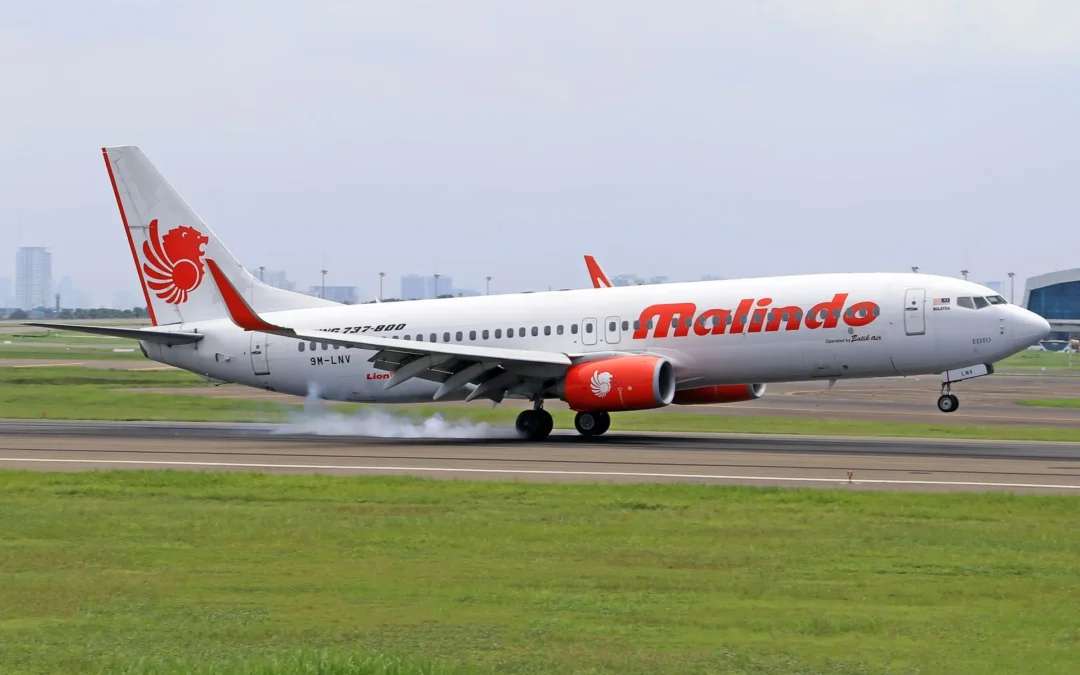
Las Vegas Flight Academy says its initial Boeing 737 type rating program typically runs approximately three to four weeks, depending on scheduling.
Review LVFA’s Boeing 737 type rating program and request current training dates.
The fixed FAA-approved curriculum moves from ground training into Level D simulator sessions and evaluation.
How long does a 737 type rating take at Las Vegas Flight Academy? The approved guidance for its initial program is approximately three to four weeks, depending on scheduling. During that period, pilots progress through ground training, procedures work, Level D simulator sessions, checkride preparation, and evaluation. Confirm current dates directly with Las Vegas Flight Academy before making travel plans.
Pilots must know how they will spend their time during these weeks of hard work. Since each school has its own plan, you should look at how each day is set up. We will look at the parts of the course to answer the question: How long does a 737 type rating take? The training starts with preparation, followed by ground training, simulator sessions, and evaluation.
How long does a 737 type rating take?
A Boeing 737 type rating course takes about three to four weeks to finish. This timeframe is for a full first program. Most pilots spend this month in a fast-paced learning setting. You will work through ground school first and then move into full-flight sims. Each day is full of new facts about the jet. While the course follows a set plan, your own prep and schedule can change the final dates.
The FAA needs a pilot type rating for any jet or large plane over 12,500 lbs. Because the 737 is a complex jet, the training must be thorough. You cannot skip steps or rush the safety checks. Most schools run these programs back-to-back to help you stay focused. This helps you keep the details fresh in your mind for the final checkride.
Ground school and sim phases
The first part of the course is ground training. During this phase, you learn about the 737 systems, including fuel, electrical power, flight controls, hydraulics, pneumatics, limitations, and procedures. This work prepares you to use simulator time effectively and connect each cockpit action with the underlying aircraft system.
The next phase is Boeing 737 type rating simulator training. You use Level D simulators to practice normal procedures, takeoffs, approaches, landings, and abnormal or emergency scenarios. These sessions require you to apply systems knowledge while managing the aircraft and working as a crew.
The evaluation is the final step of the course. You must demonstrate the required knowledge, procedures, and flight tasks to the applicable standard. Ask LVFA about the current course schedule and evaluation-day logistics when reserving your dates.
Factors that affect your schedule
Your own readiness plays a big role in the timeline. Pilots who study the manuals before they arrive often move faster. If you already know the cockpit layout, you will spend less time hunting for switches. The school’s schedule also matters. If the sims are busy, you might have small gaps between sessions. It is best to plan for a full month of focused work.
Prior experience matters as well. Pilots with jet experience may find the systems easier to grasp. But the FAA rules say everyone must do the same core course. No matter your past, you will sit through the same ground hours. The goal is to make sure every pilot meets the same high bar for safety. This helps keep the skies safe for all people.
After completing your type rating, the next milestone on your career path is serving as pilot in command. Learn about the pathway from type rating to captain in our 737 pilot-in-command course requirements guide.
| Training Type | Time to Finish | Primary Focus |
|---|---|---|
| First Type Rating | 3 to 4 Weeks | Full systems and first-time flight training. |
| Update Training | 2 to 4 Days | Review of systems and risk drills. |
| ATP-CTP Course | 6 to 7 Days | Jet basics and ground school for ATP exams. |
| Self-Study Prep | 2 to 4 Weeks | Reading manuals and learning memory items. |
What a Boeing 737 type rating covers
A Boeing 737 type rating is a formal certificate that the FAA adds to a pilot’s license. This rating lets a pilot fly as a crew member in the 737 jet series. Per the FAA, this rating is a must for any turbojet plane or any craft with a weight over 12,500 lbs. You can find these rules in the FAA Flight Standardization Board report. The rating shows that a pilot can safely manage the systems and flight rules of the 737 Next Generation (NG) series.
The FAA Part 142 course
Training at a Part 142 school follows a fixed path. This path makes sure every pilot meets the same high safety goals. The course includes ground school and time in a flight simulator. It also ends with a tough test. Because the 737 is a deep jet, many people call this rating a high degree for a plane. You can learn more about the initial 737 type rating process on our site.
The ground school part covers all the main parts of the jet. Pilots study the fuel lines, flight controls, and power units. They also learn how the oil and air systems work. This ground work builds the base of knowledge needed before a pilot enters the cockpit. It usually lasts for some days and has tests to show what the pilot has learned.
Advanced simulator training
The next part moves pilots into a full flight simulator. Pilots spend many hours in these machines to practice normal and emergency tasks. They learn how to fly the plane when parts fail. They also practice flying in bad weather. This part of the course is key for safety. Most schools use top machines for 737 simulator training to match the real jet as closely as they can.
How long does a 737 type rating take during this part? The time often depends on the specific course and the pilot’s past. Most full courses take about two to three weeks from start to end. This time includes all the ground work, simulator hours, and the final test. This tight plan keeps the facts fresh in the pilot’s mind. It helps them build the skills they need to fly a heavy jet with guests.
Entry rules and needs
Prerequisites depend on the certificate and rating sought, so do not rely on a generic checklist. Review LVFA’s Boeing 737 type rating requirements and have the school verify your certificates, ratings, documents, and eligibility before reserving travel.
The Boeing 737 type rating training timeline
Learning to fly a large jet takes time and hard work. Many pilots want to know how long does a 737 type rating take before they sign up. While the time can change, most pilots finish the full course in a few weeks. It is a fast-paced program that covers many systems in a short window. You should check the Boeing 737 type rating schedule with your flight school to plan your stay.
Prep and home study
Your training starts at home long before you reach the flight center. Most schools send you study guides and cockpit posters. You must learn the place of every switch and dial in the flight deck. This pre-study helps you feel ready for the fast ground school phase. Taking this time to prepare makes the rest of the course much easier to handle.
You must meet the applicable FAA and course prerequisites before joining a class. Because eligibility can depend on the certificate and rating sought, ask LVFA to verify your documents early. The FAA Flight Standardization Board report provides aircraft-specific training and checking information.
Ground school and systems
Once you arrive at the school, you start ground training. You study how the jet works from the inside out, including fuel, flight controls, hydraulics, electrical power, pneumatics, limitations, and procedures. This phase is the knowledge base for everything you will later apply in the simulator.
- Sign up: You enroll and show your pilot logs. The school checks that you meet all FAA rules first.
- Pre-study: You use home study tools to learn the jet’s layout and cockpit switches.
- Ground school: You spend about a week in class learning about the jet’s power and air systems.
- Simulation: You move into a Level D simulator to practice takeoffs, landings, and engine failures.
- Test prep: Your teacher helps you get ready for the final test with review flights.
- Final test: You take a checkride to add the rating to your pilot certificate forever.
Simulator sessions and the checkride
The simulator phase is the most intense part of the timeline. You spend many hours in a high-tech sim that feels like a real plane. This initial 737 type rating process focuses on how to stay safe. You will practice what to do if an engine stops or if the smoke alarms go off. These sessions build the skills you need to be a safe jet pilot.
The final step is the checkride. This is a tough test of all you have learned in the last few weeks. It has an oral exam and a flight test in the sim. The tester will watch how you handle stress and how well you know the jet. Once you pass, you have earned your place in the cockpit of a Boeing 737. Most pilots feel great pride when they finish this tough journey.
Ground training builds the core
The first step in your path starts with a deep dive in class. Before you ever step into a flight simulator, you must learn how the plane works on paper. Ground training is where you study the complex machines that make up the Boeing 737. This phase is key because it sets the stage for the rest of your course. Many pilots ask how long does a 737 type rating take, and the answer often starts with this hard week of study.
Mastering aircraft systems
During ground school, you will spend your time learning about all the main parts of the plane. You’ll study the electrical, hydraulic, and pneumatic systems in great detail. It is key to know how these systems work as one to keep the plane safe to fly. The FAA rules require pilots to know these systems before they can move to the next phase of training.
You will also cover flight controls and fuel systems. Knowing how to manage fuel and use the autopilot is a major part of the lessons. The goal is to make sure you can find any switch or gauge in the cockpit without thinking. This know-how helps you react fast if something goes wrong later in your work. Planning here makes the move to the initial 737 type rating process much smoother for new students.
Understanding performance and limits
Safety is the most important part of flying. In ground training, you learn the limits of what the Boeing 737 can do. You will study weight and balance to ensure the plane is safe for takeoff. You also learn about weather limits and how the plane handles different states. Knowing these rules is a key part of your Boeing 737 type rating and helps prevent errors.
You will use computer-based training (CBT) and class talks to master these facts. These tools help you see how the plane acts in high heat or cold air. Learning the speeds needed for each part of flight is also a big task. This part of school makes sure you know exactly what the plane can handle in any state. It builds the mental maps you will need once you get into the pilot seat.
Preparing for simulator sessions
Ground school is not just about books and tests. It is the best way to prepare for your time in the simulator. If you know the systems well, you can focus on flying the plane instead of looking for buttons. This saves time and helps you get more out of every hour in the sim. Pilots who study hard in ground school often find the flight portion more simple to finish.
Study in the class helps you practice steps before you face them in the air. You will learn the flows and checklists that every 737 pilot must follow. These habits are the core of safe airline flights. By the time you start your flight training, you will be ready to handle the plane with skill. This early work is the reason most type ratings only take a few weeks to complete.
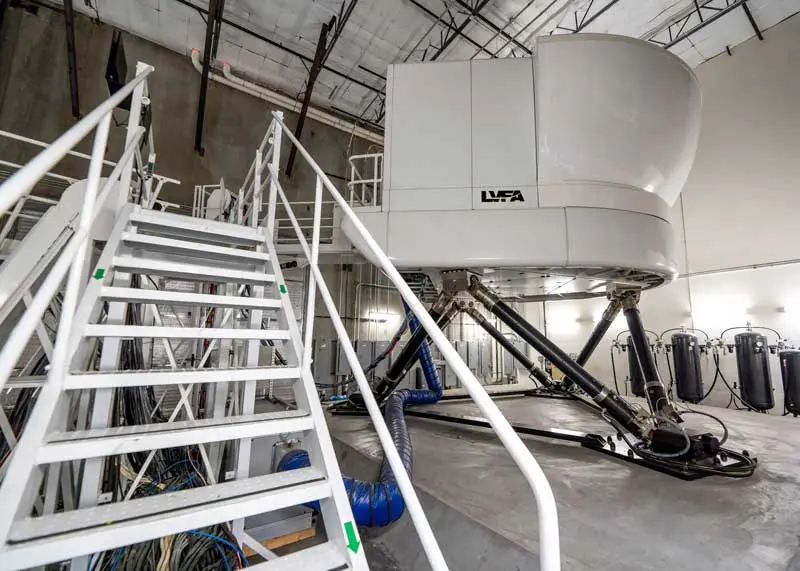
Simulator sessions turn knowledge into proficiency
The simulator phase is where the books meet the real world. After you finish your ground school hours, you move into the flight deck of a Level D simulator. This high-tech tool mimics the real Boeing 737 aircraft with great detail. You feel every bump on the ground and every shift in the wind during your Boeing 737 type rating course. This stage is vital for learning how to handle a complex jet in a safe space.
Practice normal and abnormal procedures
Training in a simulator lets you practice things that are too risky in a real plane. You will work on engine failures, hydraulic leaks, and pneumatic issues. These tasks help you build the muscle memory needed for safe flight. You also learn how to use the new digital flight instrument systems and expert avionics. The FAA outlines these strict training needs in files like the 737 FSB Report.
The simulator sessions cover a wide range of flight tasks. You will spend time on:
- Takeoffs and landings in heavy crosswinds.
- Handling system failures during the most busy phases of flight.
- Precision and non-precision instrument approaches.
- Rejected takeoffs and emergency descents.
Master crew resource management
A large jet needs a team to fly safely. Simulator sessions focus heavily on how you talk and work with your co-pilot. This is called Crew Resource Management or CRM. You will practice normal flows and checklists to ensure every step is done right. Learning how to handle a busy cockpit is a core part of your training. It helps you turn your book knowledge into true expert skill.
During these sessions, you learn to trust your crew and the aircraft systems. You will face tasks where clear talk is the only way to solve a problem. These drills prepare you for the real world of airline flying. They ensure you can lead a flight deck with calm and focus. This teamwork is just as important as knowing how to move the flight controls.
Training at our Las Vegas facility
Las Vegas Flight Academy has several on-site 737-800 Level D simulators. Having these tools in one place makes your training more focused and direct. You might wonder how long does a 737 type rating take when you reach this stage. Most pilots spend about two weeks in the simulator after their ground school is done. While the course is fixed by the FAA, our 737 simulator training provides the tools you need to succeed.
Our site is designed to help you stay focused on your goal. You do not have to travel to other sites to get your time in the seat. This single setup helps you keep your mind on the flight deck. It allows you to build skill through steady, daily practice. By the time you reach your checkride, you will feel at home in the 737 cockpit.

What can affect the calendar timeline?
Many pilots ask: how long does a 737 type rating take? The answer is not just a single number of days. While the flight time is set, the calendar days can change. Several things from outside the cockpit can speed up or slow down your path. Knowing these parts helps you plan your trip to Las Vegas.
Document and record checks
Your training cannot start until all your papers are clear. The FAA has clear rules for who can take this level of training. You must hold at least a private pilot certificate and an instrument rating before you begin. The FAA FSB report also lists the exact skills you must have. If you are a student from another country, you must meet the same high standards as U.S. pilots. Checking your records and flight logs takes time. The FAA wants to see that you have the right hours and papers. If there is a mistake in your records, it can delay your start by a week or more. It is smart to check your files months before you plan to fly. This gives you time to fix any errors with the FAA or your old school.
Simulator and school schedules
At Las Vegas Flight Academy, we follow a set Boeing 737 type rating course plan. This plan is fixed and we do not change it for each person. This ensures every pilot gets the same high level of training. One of the biggest parts of your schedule is simulator access. Full-motion simulators are complex and stay very busy. We work hard to book times that keep your work moving. But if a slot opens up late at night, your sleep and study times may shift. You can learn more about the 737 type rating cost and requirements. Most plans include about 32 hours of ground school before you ever touch the flight controls. This ground work is vital to passing your test on time.
Travel and stay logistics
Moving to a new city for a few weeks takes work. Your travel plans can affect your learning. If you fly in from far away, jet lag can slow your progress. We suggest getting here early so you can rest before classes start. Travel needs also include where you stay and how you get to the training center. Staying close to our site in Las Vegas saves time and cuts stress. This lets you spend more time on your books and less time on the road. We have housing options that make your stay easy. Even small delays in travel can push back your final test. Being ready for each step is the best way to keep your calendar on track. If you plan for these small details, your time in the simulator will be much more useful.
How should you prepare before training starts?
Planning is the best way to handle the tight schedule of a flight course. Many pilots ask, how long does a 737 type rating take to finish? While the course mostly lasts a few weeks, your work starts long before. You must set aside time to get your files and travel plans in order before you get to Las Vegas. Being ready on day one will help you stay on track and avoid delays.
Check your papers and skills
You must prove you meet all FAA rules before you start the flight part of the course. The FAA requires you to have a private pilot certificate and an instrument rating. You also need to meet the pilot type rating standards for the Boeing 737 series. Make sure your flight logs are up to date and easy to read. This helps you avoid issues during the sign-up phase.
Choosing an FAA Part 142 school ensures you get the best training. These centers follow strict rules to keep safety high. Check if you have enough hours as a pilot in command before you sign up. Some programs look for at least 100 hours of PIC time. You must also be able to read, write, and speak English well. If you have any doubts, ask the school staff for help with the initial 737 type rating process early on.
Use approved study tools
The Boeing 737 is a very complex plane with many systems. You will need to learn about hydraulic, power, and air systems in depth. A Boeing 737 type rating requires you to pass a tough oral exam. This test covers system failures and emergency plans. To prepare, use only the books and files given to you by the flight school.
The aircraft has modern digital flight tools and avionics. You will learn about hydraulic, electrical, and pneumatic systems during ground school. These systems are not part of basic multi-engine training. Understanding them is key to flying safely in a jet environment. Focus on memory items and flow patterns. These are the set steps you must do in the cockpit without looking at a list. Learning these items early will make your time in the simulator much easier.
Plan for rest and travel
Training in Las Vegas is fast and full of work. You will spend many hours each day in ground school or in the simulator. Good rest is as important as study time. When you are tired, it is harder to learn new skills or remember complex systems. Ask the school for a list of nearby hotels or housing options to find a quiet place to stay.
- Book your travel to Las Vegas at least two weeks early.
- Plan for a full day of rest before the first class starts.
- Bring a laptop or tablet to view your digital study files.
- Set aside a quiet space in your room for nightly review.
Keep in touch with the school to get the latest start dates. Schedules can change due to simulator use or staff needs. By planning well, you can focus on your goal of becoming a type-rated pilot.
Ask LVFA about current Boeing 737 type rating dates before booking your travel.
Frequently Asked Questions
How long does a 737 type rating take?
A Boeing 737 type rating course usually takes about three to four weeks to finish. This time includes deep ground school and high-level simulator sessions. The exact length can change based on the school and how much you have flown before. According to the Las Vegas Flight Academy, this intense course is a key step for pilots who want to fly large jets.
What are the minimum requirements for a B737 type rating program?
Pilots need a valid commercial pilot license with an instrument rating to start the course. Many schools also ask for a set number of flight hours as a pilot in command. You must also be able to read and speak English well to pass the FAA tests. These rules ensure that all pilots have the basic skills to handle a complex jet like the Boeing 737.
How much does a Boeing 737 type rating cost?
The cost for a Boeing 737 type rating often ranges from $15,000 to $40,000. This price covers ground school and the use of flight simulators. Some airlines may pay for this training when they hire a new pilot. Based on data from Wayman Aviation, the cost depends on the training site and the specific jet model.
How can I prepare efficiently for the 737 type rating?
Good prep involves studying the aircraft systems and memory items before the course starts. Many pilots find that using flashcards and system charts helps them learn faster. You should also read the flight manual early to understand how this jet flies. Proper study habits can help you succeed during the ground school and simulator phases of your training.
Ready to start your Boeing 737 type rating training?
Waiting to start your training can put your career on hold. Every week you delay is time you could spend earning a higher pay in a cockpit. Our Las Vegas program helps you finish your Boeing 737 type rating quickly. This allows you to move into the next part of your pilot career right away. Starting now means you can book your spot in the simulator before the schedule fills up. You will gain from expert teaching and hands-on practice that prepares you for airline standards. Do not let this chance to move your career forward pass you by while you wait.
Ready to move forward? Call 818-489-1738 to reserve dates for Boeing 737 type rating training.