
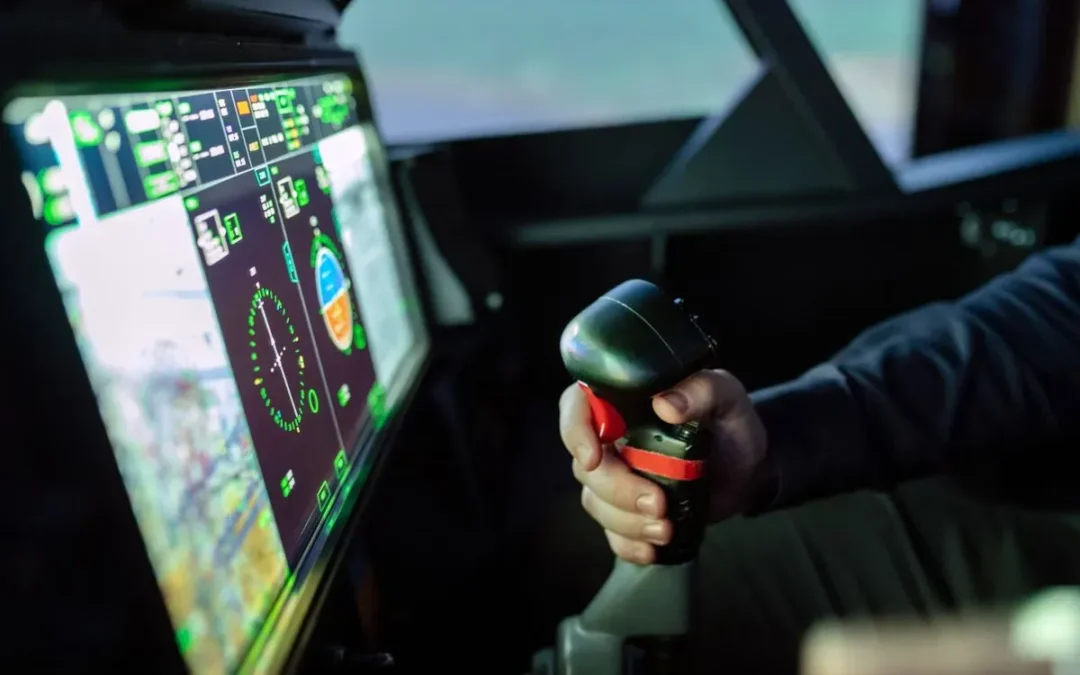
Maintaining a Boeing 737 type rating is a career-defining asset. When operational pauses, medical leaves, or corporate transitions cause your Pilot-in-Command (PIC) currency to lapse, returning to the left seat requires a structured regulatory path. Under 14 CFR Part 61 and Part 121 standards, reclaiming your landing currency is not a matter of a simple warm-up flight. Instead, pilots must complete FAA-approved 737 requalification training designed to systematically rebuild situational awareness, system knowledge, and manual handling skills. Depending on whether your PIC currency has been lapsed for 12 to 35 months or extends into a 36 to 59-month gap. The FAA mandates specific ground and flight training modules.
For professional aviators, choosing the right training environment is critical to an efficient return to service. Completing this training at an FAA Part 142 certification flight training center ensures that your curriculum is standardized, audited, and led by experienced line-oriented instructors. Utilizing advanced Level D full-flight simulators, modern requalification programs replicate high-fidelity aerodynamic responses and complex system malfunctions without the safety risks of aircraft time. Understanding the exact regulatory tracks, duration differences, and simulator expectations is the first step toward reclaiming your currency.
What Is 737 Requalification Training Under FAA Part 142?
Boeing 737 requalification training is an FAA-approved curriculum for pilots whose PIC currency on the 737 has lapsed. It is distinct from recurrent training, which maintains active currency. Requalification rebuilds systems knowledge, manual flying skills, and crew coordination from the ground up. Pilots complete this training entirely in Level D full-flight simulators at Part 142 certified centers such as Las Vegas Flight Academy.
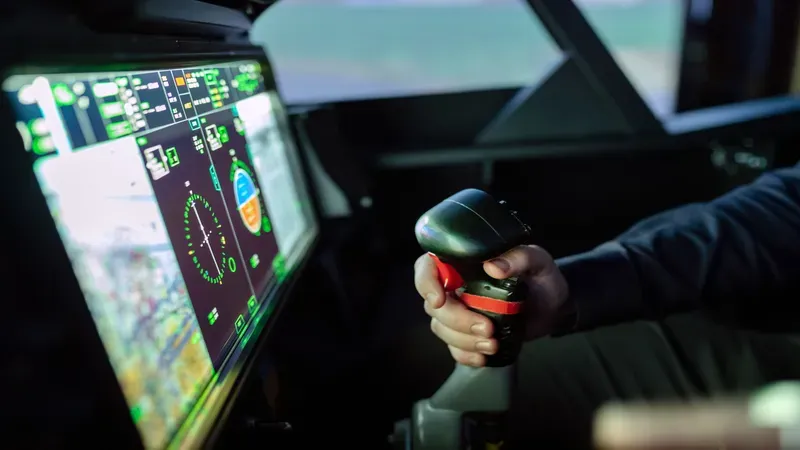
For professional aviators, maintaining PIC currency is both a regulatory necessity and a cornerstone of flight safety. Under the Federal Aviation Regulations, specifically 14 CFR 61.57, pilots must meet strict recent flight experience requirements to act as PIC of an aircraft. For type-rated aircraft like the Boeing 737, these requirements mandate three takeoffs and landings within the preceding 90 days. When a pilot transitions out of active line operations or experiences an extended break, this currency lapses and triggers the need for structured 737 requalification training.
The regulatory basis for reclaiming 737 PIC currency depends on the duration of the pilot’s absence. According to the FAA Flight Standardization Board (FSB) Report for the Boeing 737. There are no additional type-specific currency requirements beyond those in 14 CFR Parts 61, 121, 125, and 135. Once a pilot’s currency lapses beyond standard limits, they cannot simply perform three takeoffs and landings. Instead, they must complete a formal, approved requalification curriculum designed to restore both cognitive systems knowledge and practical proficiency.
To regain currency safely and efficiently, FAA Part 142 certificated training centers have become the definitive industry standard. Operating under strict FAA oversight. Part 142 centers use highly structured curricula to ensure that pilots return to line operations with the skills required to manage a transport category aircraft. Las Vegas Flight Academy (LVFA) operates under FAA Part 142 Certificate Number LVAX430K, delivering approved training from its facility in Henderson, Nevada.
A key reason Part 142 centers are the industry standard is their exclusive use of advanced flight simulation training devices (FSTDs). Requalification training is conducted entirely within FAA-qualified Level D full-flight simulators, with zero actual aircraft time required. This allows instructors to place pilots in complex scenarios including Upset Prevention and Recovery Training (UPRT), full stall recoveries. Severe icing conditions, and microburst windshear profiles that would be dangerous to replicate in a real aircraft.
What Are the Two Requalification Absence Tracks?
The FAA recognizes two primary absence intervals for 737 requalification. The 12-to-35 month track serves as an intensive refresher for pilots whose currency lapsed recently. The 36-to-59 month track expands both ground and simulator hours to address deeper cognitive fade. Each track has specific ground school hours, simulator profiles, and proficiency check requirements.
The 12-to-35 Month Absence Track
When a pilot with an existing Boeing 737 type rating has been away for 12 to 35 months, they fall into the standard requalification category. While your muscle memory and systems knowledge remain fundamentally intact, your regulatory currency under 14 CFR Part 61 has lapsed. To restore your PIC or SIC privileges, a structured curriculum is required. FAA Part 142 training centers provide the standard framework for this training.
The curriculum for the 12-to-35 month track is designed to refresh core operational competencies without requiring a complete rebuild. The training divides into two components: focused ground instruction and high-fidelity simulator sessions. Ground school typically covers 8 to 16 hours of instruction depending on the approved syllabus. Ground training concentrates on major aircraft systems, limitations, operational procedures, and updates to SOPs, FMC software, and FAA regulatory mandates.
Following ground instruction, pilots transition to the flight training phase conducted entirely in advanced flight training devices. For the standard track, pilots typically undergo 4 to 8 hours in Level C or Level D full-flight simulators, followed by a practical test. Simulator sessions rebuild manual flying skills and crew coordination. You will rotate roles as pilot flying (PF) and pilot monitoring (PM).
The simulator curriculum covers essential phases of flight under both normal and abnormal conditions. Pilots practice precision and non-precision instrument approaches, engine-out procedures, steep turns, and stall recovery. A key focus is handling complex emergencies such as engine failures at V1, rapid depressurizations, and windshear escape maneuvers. The final step is a simulator practical check where you must demonstrate PIC-level proficiency under an FAA Training Center Evaluator (TCE) or FAA inspector.
For pilots looking to complete this process efficiently, choosing an established training provider is vital. Reputable facilities offering comprehensive Boeing 737 type rating programs provide standardized, FAA-approved requalification curricula that minimize downtime.
The 36-to-59 Month Absence Track
For flight crews who have been away from the 737 flight deck for 36 to 59 months, reclaiming currency requires a more rigorous approach. At this stage, cognitive fade and perishable motor skills are significant regulatory concerns. Consequently, 737 requalification training for this track is designed to rebuild instinctual mastery of aircraft systems and multi-crew coordination.
The curriculum for the extended track is comprehensive, reflecting decay that can occur over three to nearly five years away from the aircraft. The training begins with intensive ground school covering advanced aircraft systems, normal and non-normal procedures, and operational subjects. Pilots must review cold-weather operations, high-altitude aerodynamics, and performance planning. Following ground school, trainees transition to Level D full-flight simulators for manual flight mechanics, instrument procedures, and CRM practice.
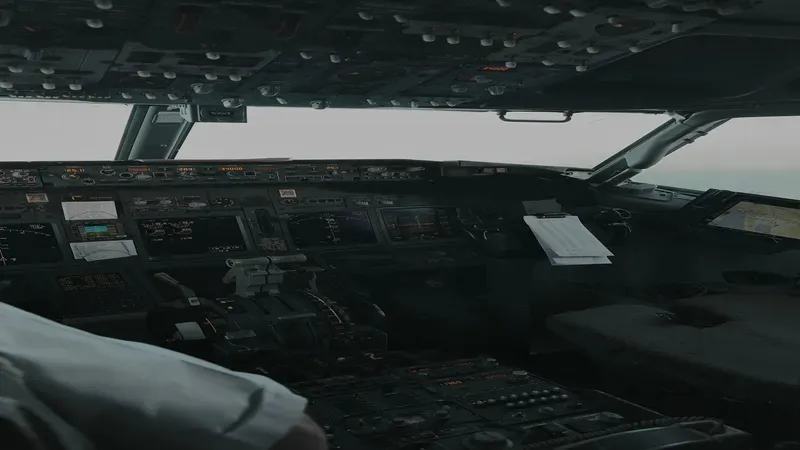
When contrasted with the standard track, the 36-to-59 month program demands increased classroom and simulator hours. The standard track serves as a refresher to reactivate recently dormant skills. The extended track assumes the pilot requires systematic re-instruction across every system from keypad entry units to electrical and hydraulic systems. Additional simulator sessions rebuild situational awareness and muscle memory before the final practical check.
The simulator curriculum for this track emphasizes demanding emergency maneuvers. Pilots undergo rigorous training in UPRT, full stall recognition and recovery, and severe windshear escape procedures. These maneuvers are practiced in Level D full-flight simulators that replicate the exact aerodynamic responses of the Boeing 737-800. By the time pilots reach their practical test, they have been thoroughly evaluated on managing complex system failures and executing precise instrument approaches.
Requalification vs. Recurrent Training: What’s the Difference?
Recurrent training is a routine annual requirement for active pilots. Requalification training is a remedial curriculum for pilots whose 737 PIC currency has lapsed for 12 months or more. Recurrent training refreshes existing skills. Requalification training rebuilds foundational proficiency across standard and extended absence tracks.
For Boeing 737 pilots managing their career logistics, understanding this difference is essential. While both programs verify proficiency and maintain FAA compliance, they target different levels of currency and distinct absence intervals. Recurrent training is a preventative measure under Part 121 or Part 135. Pilots often consult a 737 recurrent training checklist to prepare.
In contrast, 737 requalification training is a reactive curriculum required when currency has lapsed for 12 months or longer. If you have not operated the Boeing 737 within this timeframe, your currency is considered expired. Requalification is a more intensive process designed to rebuild system knowledge, refresh cockpit muscle memory, and satisfy the retraining mandates for safe return to line operations.
The table below outlines the key differences:
| Feature | Recurrent Training | 737 Requalification Training |
|---|---|---|
| Primary Purpose | Routine maintenance of active currency and FAA compliance. | Restoration of completely lapsed currency after an extended absence. |
| Target Absence Interval | Active or less than 12 months since last proficiency check. | 12 months to 59 months (or longer) since last 737 flight or checkride. |
| Typical Ground School Hours | 8 to 16 hours (variable by operator curriculum). | 8 to 16+ hours (scaled based on the length of absence track). |
| Typical Simulator Hours | 4 to 8 hours of Full Flight Simulator (FFS) time. | 8 to 12+ hours (minimum 8 hours of FFS across the standard 2-day structure). |
| Frequency | Required annually (or semi-annually depending on operation type). | As needed, triggered only by a significant lapse in currency. |
| Regulatory Focus | Standard maneuvers, emergency procedures, and recent regulatory updates. | Comprehensive systems review, CRM, and major emergency procedures to rebuild fundamental proficiency. |
What LVFA’s 737 Requalification Program Includes
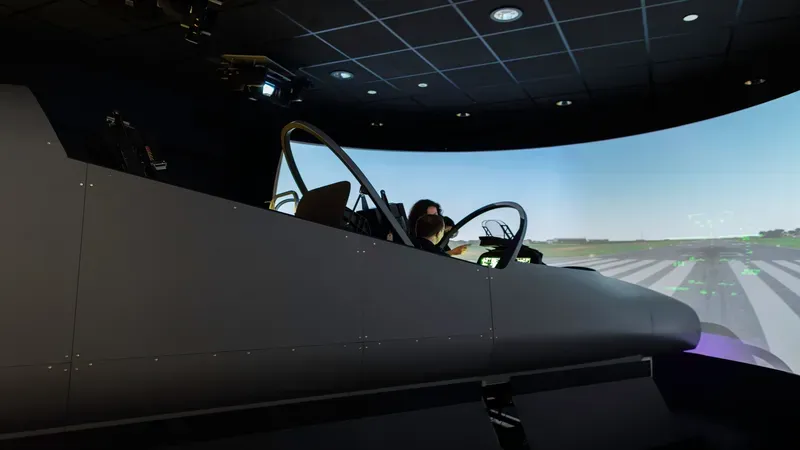
Las Vegas Flight Academy’s FAA Part 142 Boeing 737 requalification program follows a structured 2-day model. Day 1 covers 4 hours of ground instruction and 4 hours of simulator time for systems re-acclimation. Day 2 includes 4 hours of ground briefings on emergency procedures and 4 hours of intensive simulator sessions culminating in a formal proficiency check. The program uses two Level D B737-800 simulators (FAA IDs #1168 and #2104).
Operating out of our 40,000-square-foot training center in Henderson, Nevada, our curriculum is engineered to return you to the cockpit with absolute confidence. Our program is built around two fully certified B737-800 Level D full-flight simulators. These simulators offer 200×40 degree wrap-around visual displays and 6-degree-of-freedom (6-DOF) motion bases. Every hour of training is conducted under highly experienced, type-rated B737 instructors.
Day 1: Foundation and Systems Re-Acclimation
- Ground Instruction (4 Hours): A comprehensive classroom review of B737-800 systems, aircraft limitations, flight instruments, auto-flight systems (FMC/MCP), hydraulic systems, electrical configurations, and performance data. This session also covers regulatory updates and CRM principles.
- Simulator Session (4 Hours): Your first session in the Level D simulator focuses on cockpit setup, FMS programming, normal flight profiles, SOPs, and basic instrument departures and arrivals. Instructors will guide you through refreshing manual flying skills and basic system management.
Day 2: Advanced Maneuvers and Proficiency Check
- Ground Instruction (4 Hours): Pre-simulator briefing on emergency procedures, abnormal checklists, non-normal system configurations (engine failures, hydraulic losses, electrical failures), and checkride maneuver standards.
- Simulator Session (4 Hours): An intensive session dedicated to abnormal and emergency maneuvers. You will practice engine-out procedures, precision approaches under minimums, windshear recovery, and UPRT. The session culminates in a formal proficiency evaluation for PIC requalification.
Enrollment prerequisites:
- An FAA Airline Transport Pilot (ATP) or Commercial Pilot Certificate with an Instrument Rating.
- A valid FAA medical certificate (note that while an FAA medical is not required to complete training under Part 142. It is required when exercising your pilot certificate privileges).
- English language proficiency.
- An existing Boeing 737 Type Rating, or completion of LVFA’s B737-800 differences course within 60 days.
How to Prepare for Your 737 Requalification Training
Advance preparation directly affects how quickly you regain proficiency in the simulator. Focus on three key areas before Day 1: reviewing cockpit flows and callouts, studying aircraft limitations, and practicing instrument scan techniques. Pilots who invest 4 to 8 hours of pre-training study typically clear their proficiency check with fewer remediation cycles.
Entering an FAA Part 142 approved 737 requalification training curriculum requires more than showing up on Day 1. The density of systems information and the intensity of simulator checks mean that advanced preparation maximizes your training time. Consider these preparation steps:
- Review Core Flight Deck Flows and Standard Callouts: Before the simulator, review pilot-flying (PF) and pilot-monitoring (PM) flows, cockpit switch positions, and standard airline callouts. Re-acclimating to the MCP and FMS keypad layout saves valuable minutes during sessions.
- Study Aircraft Limitations and Systems: Re-memorize B737-800 limitations including maximum operating altitudes, wind limits, engine starter duty cycles, and APU parameters. A solid grasp of these numbers demonstrates preparation and reduces time spent on basic verification.
- Practice Your Instrument Scan: The transition back to glass cockpit instrumentation after a long absence can be disorienting. Review cross-check techniques, approach plate interpretation, and instrument arrival procedures before Day 1.
- Review Emergency and Abnormal Checklists: Systems knowledge fades faster than manual flying skills. Refresh memory item drills for engine failures, fire warnings, and rapid depressurization profiles. Knowing immediate action items frees cognitive bandwidth for complex scenarios.
Frequently Asked Questions About 737 Requalification Training
How long does 737 requalification training take?
The standard 737 requalification training program at Las Vegas Flight Academy is a 2-day course. Day 1 includes 4 hours of ground instruction and 4 hours of simulator time. Day 2 includes 4 hours of ground briefing and 4 hours of simulator training concluding with a formal proficiency check.
What is the difference between 737 recurrent and requalification training?
Recurrent training is an annual requirement for pilots who maintain active currency. It refreshes existing skills with standard maneuvers and regulatory updates. Requalification training is required when a pilot’s PIC currency has lapsed for 12 months or longer. It is more intensive with additional ground and simulator hours.
Can I complete 737 requalification entirely in a simulator?
Yes. FAA Part 142 approved requalification training is conducted entirely in Level D full-flight simulators. No actual aircraft time is required. These simulators provide full 6-degree-of-freedom motion, 200×40 degree wrap-around visual displays, and aerodynamic fidelity that meets FAA certification standards.
What are the prerequisites for 737 requalification training?
Pilots must hold an FAA Airline Transport Pilot (ATP) or Commercial Pilot Certificate with an Instrument Rating. They need a valid FAA medical certificate, demonstrated English language proficiency. And either a current Boeing 737 Type Rating or completion of LVFA’s B737-800 differences course within the preceding 60 days.
How do I know if I need the 12-to-35 month or 36-to-59 month track?
The track depends on how long your 737 PIC currency has been lapsed. If it has been 12 to 35 months since your last 737 flight or checkride, you qualify for the standard requalification track. If it has been 36 to 59 months, you must complete the extended track with additional ground school hours and expanded simulator profiles.
Ready to Reclaim Your 737 PIC Currency?
Las Vegas Flight Academy’s FAA Part 142 certified requalification program puts you back in the left seat with confidence. Our experienced instructor team, Level D simulators, and streamlined 2-day format minimize downtime while ensuring full regulatory compliance. Whether your absence falls into the 12-to-35 month or 36-to-59 month track, we have a structured path ready for you.