
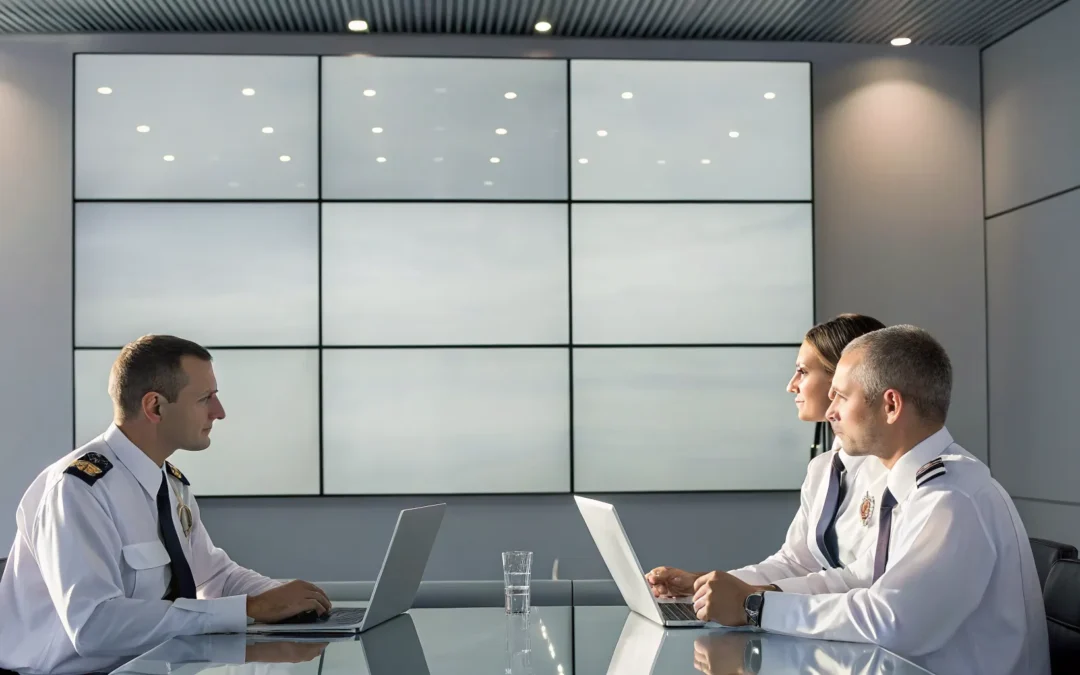
There’s a common myth that once a plane reaches cruising altitude, the autopilot takes over and the pilots can relax. That couldn’t be further from the truth. While technology is a powerful tool, the flight deck is a place of constant vigilance and active management. Have you ever wondered how airline pilots manage a flight from departure to arrival, especially during those long stretches at 35,000 feet? The job is a continuous cycle of monitoring systems, analyzing weather data, and coordinating with a team on the ground and in the cabin. This isn’t passive supervision; it’s a demanding cognitive task. Let’s explore what pilots are really doing at every stage of the flight.
Key Takeaways
- Master the entire flight cycle, not just the flight itself: Professional piloting involves a continuous loop of preparation, execution, and follow-up, from detailed pre-flight planning and inspections to post-flight debriefs that ensure safety for the next crew.
- Rely on procedures and your team for safety: Aviation safety is built on a foundation of standardized procedures, clear communication with air traffic control, and effective Crew Resource Management, ensuring every decision is methodical and collaborative.
- Treat training as your most vital tool: Your initial certificate is just the beginning; continuous education through recurrent simulator training and programs like the ATP-CTP is essential for staying proficient, managing emergencies, and advancing your airline career.
What Happens Before Takeoff?
A pilot’s job starts long before the aircraft pushes back from the gate. The moments leading up to takeoff are filled with critical checks and detailed planning to ensure a safe and smooth flight. These procedures are second nature for a professional pilot, built on a foundation of discipline and comprehensive training. From reviewing the flight path to coordinating with your team on the ground, every step is a deliberate part of a well-practiced routine. Let’s walk through what happens before you advance the thrust levers for takeoff.
Review the Flight Plan
Think of the flight plan as your roadmap in the sky. Before every flight, you’ll study the entire document in detail. This isn’t just about knowing the destination; it’s about understanding the specifics of the journey. You’ll review the planned route, cruising altitude, and total fuel requirements. A crucial part of this review is identifying alternate airports along the way. If weather or an unexpected situation requires a diversion, you’ll already have a plan in place. This level of preparation is a core skill developed during professional pilot training and is essential for every flight.
Check Weather Conditions
Weather is one of the most dynamic factors in aviation, so a thorough weather check is non-negotiable. Pilots meticulously analyze conditions at the departure airport, along the entire flight route, and at the final destination. This involves looking at wind speed and direction, cloud cover, temperature, and potential hazards like thunderstorms or turbulence. Understanding the complete weather picture allows you to make informed decisions and anticipate challenges. For pilots seeking training on the West Coast, this means being prepared for a wide variety of weather patterns to ensure the safety of everyone on board.
Calculate Fuel Requirements
Fueling an aircraft is a science. It’s not as simple as just filling the tanks. Pilots must perform precise calculations to determine the exact amount of fuel needed for the flight. This calculation considers the aircraft’s weight, the planned route and altitude, and current weather conditions. It also includes carrying enough reserve fuel to handle potential delays, rerouting to an alternate airport, and a final safety margin. Getting this number right is critical for both safety and operational efficiency, ensuring the aircraft has more than enough fuel for any contingency.
Coordinate with Dispatch
Flying a commercial aircraft is a team sport, and one of your most important teammates is the aircraft dispatcher. Before departure, you will coordinate closely with your dispatcher, who acts as your partner on the ground. Dispatchers help plan the flight and continue to monitor weather, air traffic, and other operational factors while you are in the air. This collaborative relationship ensures a second set of expert eyes is always supporting the flight’s progress. This coordination is a fundamental part of how an airline transport pilot operates and is key to maintaining safety and efficiency from gate to gate.
How Do Pilots Inspect the Aircraft?
A pilot’s responsibility for the aircraft begins long before the engines start. The pre-flight inspection is a methodical, hands-on process that confirms the plane is airworthy. It’s a critical sequence of checks that ensures every system is functioning correctly and the aircraft is physically sound for the journey ahead. This isn’t just a quick look-over; it’s a detailed examination that covers the aircraft from nose to tail, inside and out. As a pilot, you are the final line of defense in aviation safety, and it all starts with a thorough inspection. This process is a core component of the professional training you receive, reinforcing the discipline required for a career in the airlines. The skills learned during this phase are foundational to becoming a competent and reliable pilot.
Conduct the Walk-Around Inspection
Before every flight, pilots perform a walk-around inspection of the aircraft to visually check critical parts. This tactile check is an indispensable part of the pre-flight routine. You’ll start at a specific point, often the cockpit door, and follow a set path around the entire aircraft. This includes examining the wings for any signs of damage, checking the engines for leaks or foreign objects, and inspecting the landing gear for proper tire inflation and brake condition. You’re looking for anything out of the ordinary, like dents, loose panels, or fluid drips. This physical verification ensures the aircraft’s structural integrity and is a fundamental skill that our expert instructors emphasize as non-negotiable for flight safety.
Check Cockpit Systems
Once inside, pilots check the cockpit systems to ensure that all instruments and controls are functioning properly before takeoff. This involves powering up the aircraft’s electrical systems and methodically testing each piece of equipment. You will verify that navigation systems, communication radios, and flight controls are all operational. In a modern glass cockpit, this means confirming that all flight displays are active and showing correct information. This step is crucial for ensuring you have all the tools you need to manage the flight safely and efficiently. The comprehensive ATP-CTP course provides in-depth training on these complex systems, preparing you for the advanced cockpits used by commercial airlines.
Verify Weight and Balance
Ensuring the aircraft is properly loaded is a critical calculation made before every flight. Pilots must calculate the aircraft’s weight, runway length, weather conditions, and fuel load, which all affect how the aircraft will perform. An overloaded or improperly balanced aircraft can be difficult or even impossible to control during takeoff and flight. This calculation determines the aircraft’s center of gravity, which must be within specific limits for stable flight. This meticulous planning is a hallmark of a professional pilot and is a key area of focus in any FAA Part 142 certified training program, where safety and precision are paramount.
From the Gate to the Sky: Taxi and Takeoff
With all pre-flight checks complete, the journey from the gate to the air begins. This phase is a dynamic and precise operation, relying on clear communication, strict procedures, and expert aircraft handling. Every step, from pushing back to climbing into the sky, is carefully managed to ensure a safe departure for everyone on board. It’s where extensive training meets real-time execution, turning preparation into flight.
Communicate with Air Traffic Control
Once the aircraft pushes back from the gate, the first order of business is talking to the people in the tower. Pilots communicate with Air Traffic Control (ATC) using specific phraseology over VHF radios. Because these radios work by line of sight, their range is limited, which is why pilots talk to different controllers as they move through various phases of flight. On the ground, they receive taxi instructions, the cleared route to the runway, and traffic advisories from the ground controller. This constant dialogue is the backbone of airport safety, preventing collisions and keeping the complex flow of aircraft moving smoothly on the ground. Mastering this language is a fundamental skill for every pilot.
Follow Taxi and Runway Procedures
Getting from the gate to the runway isn’t just a simple drive. Pilots must carefully follow designated taxiway lines, obey all airfield signs and markings, and hold short of any active runways until cleared to cross or enter. This requires constant situational awareness to keep track of other aircraft, ground vehicles, and airport personnel. Pilots must be prepared to handle a wide range of challenging situations, and this is where training becomes critical. One of the most invaluable tools in a pilot’s training arsenal is the flight simulator, which allows for repeated practice of these exact procedures. This ensures that when you’re taxiing a real aircraft with passengers, every action is second nature.
Execute the Takeoff and Initial Climb
This is the moment it all comes together. After receiving takeoff clearance from the tower controller, the pilots line up the aircraft on the runway centerline. They perform final checks, advance the thrust levers, and the aircraft accelerates down the runway. Pilots undergo extensive technical and psychological training to develop their ability to think critically and make sound decisions under pressure, especially during this critical phase. As the aircraft reaches rotation speed, the pilot gently pulls back on the controls to lift off. During the initial climb, they retract the landing gear and flaps, monitor engine performance, and follow the flight path assigned by ATC, setting the course for the journey ahead.
What Does a Pilot Do at Cruising Altitude?
Once the plane reaches its cruising altitude, the intense physical work of takeoff and climbing is over. But this is far from a break time. The cruise phase is a period of active, cognitive management where pilots are constantly monitoring, communicating, and planning. Think of it as the strategic heart of the flight. While autopilot handles the moment-to-moment adjustments to stay on course, the flight crew is responsible for overseeing the entire operation. They ensure the aircraft is performing as expected, the route remains optimal, and everyone on board is safe. This requires a deep understanding of aircraft systems and procedures, the kind of expertise that is built through rigorous, scenario-based training.
Monitor Aircraft Systems
A smooth flight is the result of constant vigilance. Pilots continuously scan the flight instruments and system displays, checking everything from engine performance and fuel consumption to cabin pressurization and electrical systems. They are looking for any deviation from the norm, no matter how small. This proactive monitoring is key to catching potential issues before they become problems. Being ready for an in-flight emergency is a core part of the job. Through proper training and adherence to established protocols, pilots learn to confidently manage any potential emergency, whether it’s a system malfunction or unexpected weather, ensuring the safety of everyone on board.
Manage Navigation and Route
Even with a flight plan filed before departure, the journey requires active oversight. Pilots work with airline dispatchers to monitor weather patterns, air traffic, and other operational factors along the route. They are always thinking several steps ahead, confirming their position and ensuring the aircraft is following the most efficient path. This includes cross-referencing fuel burn with the flight plan to ensure they will have more than enough to reach their destination. They also maintain awareness of alternate airports along the way, ready to make a change in plans if conditions require it. This constant supervision is a critical part of what pilots actually do to ensure a safe and on-time arrival.
Practice Crew Resource Management
Flying a commercial aircraft is a team sport. At cruising altitude, pilots practice Crew Resource Management (CRM), which is a set of principles focused on clear communication, teamwork, and decision-making. The captain and first officer work together to share tasks and cross-check each other’s actions. They also maintain open lines of communication with the cabin crew, coordinating on everything from turbulence reports to passenger needs. In any situation, pilots are trained to stay composed and focused, working with their crew to ensure the safety and comfort of all passengers. This collaborative environment is essential for managing the flight deck effectively and is a cornerstone of modern aviation safety.
Use Onboard Technology and Data Links
Modern flight decks are packed with advanced technology, and pilots are experts at using these tools to maintain situational awareness. They use data links to receive real-time weather updates, text-based messages from air traffic control, and performance information directly from the airline. This constant flow of information allows them to make informed decisions and adjustments throughout the flight. To use these tools effectively, pilots must stay up-to-date with the latest technological advancements and best practices. This commitment to ongoing learning is a hallmark of a professional pilot and is a key focus of any high-quality training program.
How Do Pilots Handle In-Flight Challenges?
Even the most perfectly planned flight can encounter unexpected events. This is where a pilot’s training truly shines. Handling in-flight challenges isn’t about improvisation; it’s about applying rigorous training with a calm and methodical approach. From a sudden weather change to a system malfunction, your ability to assess a situation and act decisively is what separates a good pilot from a great one. The foundation for this confidence is built long before you ever face a real-world issue, through countless hours of study and practice.
Your job in the flight deck is to be a problem-solver. This means staying ahead of the aircraft, anticipating potential issues, and always having a backup plan. Whether it’s flying around a storm, managing a technical issue, or coordinating with your crew during a medical situation, you are the ultimate authority on the aircraft. The key is to rely on your procedures, trust your crew, and use every resource available to ensure a safe outcome for everyone on board. This level of preparedness is a core focus of advanced pilot training, ensuring you have the skills to manage any scenario with professionalism.
Respond to Live Weather Data
Weather is dynamic, and monitoring it doesn’t stop after the pre-flight briefing. Pilots continuously receive live weather data through onboard systems and communications with air traffic control. This allows you to see developing weather patterns along your route in real time. Instead of simply reacting, you can proactively request a different altitude or a course deviation to fly around storm cells or areas of turbulence. This constant analysis ensures you’re choosing the safest and most efficient path to your destination. The goal is always to stay ahead of the weather, not just fly through it, keeping the flight safe and the ride as smooth as possible for passengers.
Manage Turbulence and Passenger Safety
Turbulence is a normal and expected part of flying, but managing it is a key responsibility. When encountering rough air, pilots rely on their training to maintain passenger safety and comfort. The first step is often to slow the aircraft to its designated turbulence penetration speed, which reduces stress on the airframe and smooths out the ride. You’ll also work with air traffic control to find a smoother altitude. Just as importantly, you will communicate with the cabin crew to have them secure the cabin and ensure passengers are seated with their seatbelts fastened. While turbulence can be unsettling, modern aircraft are built to withstand it, and your calm, procedural response keeps everyone safe.
Follow Emergency Checklists and Procedures
In the rare event of an in-flight emergency, pilots don’t guess what to do next. They follow precise, standardized procedures. The guiding principle is always: aviate, navigate, communicate. First, fly the airplane. Then, figure out where you are and where you need to go. Finally, talk to air traffic control and your crew. For any specific malfunction, pilots use a Quick Reference Handbook (QRH) that contains checklists for every conceivable scenario. This is where intensive simulator training becomes critical. By practicing these emergencies repeatedly, your response becomes methodical and ingrained, allowing you to manage the situation calmly and effectively.
Coordinate with Cabin Crew
The flight deck and cabin crew operate as a single, cohesive team. Clear and concise communication between pilots and flight attendants is essential for handling any non-standard situation, from turbulence to a passenger medical issue. The pilots provide the flight attendants with the necessary information about the flight’s status, duration of turbulence, or a potential diversion. In turn, the cabin crew acts as the pilots’ eyes and ears in the cabin, managing passenger needs and providing critical information back to the flight deck. This teamwork, known as Crew Resource Management, ensures everyone works together to maintain a safe and secure environment for the entire flight.
The Final Approach: Descent and Landing
As the aircraft begins its descent, the flight deck becomes a hub of focused activity. This is one of the most demanding phases of any flight, requiring precise execution, clear communication, and a deep understanding of the aircraft’s systems. The hours of training and preparation all come together as the pilots guide the plane safely from cruising altitude to the airport gate. Every action is deliberate, from coordinating with air traffic control to configuring the plane for a smooth touchdown. This final approach is a testament to the skill and discipline that defines a professional pilot.
Coordinate with Approach Control
As you descend toward your destination, Air Traffic Control (ATC) will hand you off from the en-route controller to the Terminal Radar Approach Control, or TRACON. This is where you’ll receive your instructions for the final leg of the journey. Pilots communicate with ATC primarily by voice over VHF radios, which work by line of sight and have a limited range. The approach controller will provide key information, including the active runway, updated weather conditions, and the sequence of other aircraft arriving at the airport. Your job is to listen carefully, acknowledge all instructions, and fly the assigned headings and altitudes to ensure a safe and orderly flow of traffic into the airport environment.
Configure the Aircraft for Landing
Preparing the aircraft for landing involves more than just pointing the nose toward the runway. You need to transition the plane from a clean, aerodynamic state built for high-speed cruising to a configuration ready for low-speed flight and touchdown. This means methodically extending flaps and slats to increase lift and drag, and of course, lowering the landing gear. Throughout this process, you’ll run through checklists to confirm every system is set correctly. Comprehensive training ensures pilots can recognize any issues, like instrument malfunctions or avionics problems, and immediately switch to backup procedures. This careful, step-by-step process guarantees the aircraft is stable and ready for a safe landing.
Know the Difference: Instrument vs. Visual Approaches
Not all landings are the same. Depending on the weather, you’ll fly either a visual or an instrument approach. On a clear day, you might be cleared for a visual approach, where you use the sight of the runway and surrounding landmarks to guide you in. However, in poor visibility, you’ll rely on an instrument approach. This involves using the aircraft’s navigation systems to follow a precise, pre-defined path to the runway threshold. Mastering both requires extensive practice, as your training begins in the classroom where you study the details of different approach types long before you fly them. The ATP-CTP course, for example, heavily emphasizes these skills to prepare you for airline operations in all conditions.
Complete Post-Landing and Gate Arrival Procedures
A pilot’s job isn’t finished once the wheels touch the pavement. After a smooth touchdown, you’ll manage the aircraft’s deceleration, exit the runway at the designated taxiway, and contact ground control for taxi instructions to the gate. This phase still requires your full attention to navigate busy airport surfaces safely. Once parked, you’ll run through the parking and shutdown checklists, securing the aircraft and ensuring all systems are powered down correctly. By undergoing proper training and following established protocols, pilots can confidently and effectively manage every phase of flight, from takeoff to the final engine shutdown. This commitment to procedure is what ensures a safe and successful conclusion to every journey.
What Happens After the Plane is Parked?
A pilot’s responsibilities don’t stop once the plane is safely at the gate and the engines are off. The work that happens on the ground is just as crucial for safety and operational efficiency as the work done in the air. These post-flight duties ensure the aircraft is ready for its next journey, the crew is fit to fly, and that every flight serves as a learning experience. It’s a cycle of diligence that defines a professional aviator.
Complete Post-Flight Inspections and Paperwork
After every single flight, pilots conduct a post-flight inspection. This isn’t just a quick glance; it’s a methodical process to confirm the aircraft’s condition and identify any issues that need attention before it flies again. You’ll perform a final walk-around, looking for anything out of the ordinary, like fluid leaks, tire wear, or any signs of impact that might have occurred during the flight or taxi.
This is also when you complete the necessary paperwork. You’ll log the flight details in the aircraft’s maintenance logbook, noting any discrepancies or maintenance items that need to be addressed. This written record is essential for communicating the aircraft’s status to the maintenance team and the next flight crew, ensuring a seamless and safe handover.
Manage Rest, Fatigue, and Schedules
Once you’re off the clock, your job shifts to personal management. Professional pilots must manage their schedules carefully to get enough rest. Fatigue is a serious risk in aviation, and strict regulations dictate minimum rest periods between flights to make sure every pilot is alert and ready for duty. This isn’t just a suggestion; it’s a core component of maintaining a safe flight deck.
Learning to manage your sleep schedule, especially when crossing time zones, is a skill in itself. It means prioritizing rest over other activities and understanding your own personal limits. The goal is to always arrive for your next flight feeling prepared and sharp. Adhering to these rest requirements is a fundamental part of a pilot’s professionalism and commitment to safety.
Debrief and File Reports
After a flight, the crew participates in a debriefing session. This is where you and your co-pilot discuss the flight’s operations, review any challenges you faced, and share lessons learned. It’s a collaborative review that reinforces good practices and identifies areas for improvement. If there were any unusual events, like an instrument malfunction or unexpected weather, this is the time to analyze how they were handled.
This is also when you file any necessary reports. A strong safety culture depends on transparent reporting of all incidents or irregularities, no matter how minor they seem. This information helps the airline and aviation authorities track trends and prevent future issues. The communication and analytical skills needed for an effective debrief are exactly what you refine in advanced training, like the ATP-CTP course, which prepares you for these real-world airline procedures.
The Ongoing Training Behind Every Flight
Earning your pilot certificate is a huge milestone, but it’s just the beginning of your educational journey. A pilot’s work is never truly done, and a commitment to continuous learning is what defines a successful career in the cockpit. The aviation industry is always advancing, with new technologies, updated procedures, and refined safety protocols. Staying sharp isn’t just a good idea; it’s a requirement. This ongoing training ensures you’re always prepared, proficient, and ready for whatever comes your way.
This dedication to lifelong learning is at the core of what we do. At Las Vegas Flight Academy, we believe that the best pilots are the ones who never stop honing their craft. Whether you’re preparing for your ATP certificate or completing recurrent training, every session is an opportunity to become a safer, more confident aviator. This continuous cycle of learning, practice, and assessment is the bedrock of aviation safety and the key to a long and rewarding career.
Prepare for Emergencies with Simulator Training
You can’t practice an engine failure at 30,000 feet in a plane full of passengers, but you can in a simulator. This is why simulator training is one of the most powerful tools in a pilot’s education. Advanced flight simulators allow you to experience and manage a wide range of emergencies in a completely safe and controlled setting. From hydraulic failures and severe weather to complex instrument approaches, you can practice your response until it becomes second nature. This training builds critical muscle memory and decision-making skills, ensuring you can act calmly and effectively when it matters most. The hands-on experience you gain in the sim is a core part of the ATP CTP course and is essential for airline readiness.
Stay Current with FAA Regulations
The rulebook for pilots is always being updated for one simple reason: safety. The Federal Aviation Administration (FAA) continuously refines regulations to keep pace with new aircraft technology and evolving best practices. As a pilot, it’s your responsibility to stay current with these changes. This involves more than just memorizing rules for a checkride; it’s about understanding the “why” behind them and integrating them into your daily operations. Training centers play a crucial role here. As an FAA Part 142 certified school, we ensure our curriculum always reflects the latest standards, so you can be confident you’re receiving the most relevant and compliant training available.
Complete Recurrent Training and Proficiency Checks
Flying is a perishable skill. To ensure every pilot remains proficient, airlines and regulatory bodies require recurrent training and regular proficiency checks throughout a pilot’s career. Think of it as a scheduled tune-up for your skills. These sessions often involve both classroom instruction and simulator time, where you’ll review standard operating procedures, practice emergency maneuvers, and demonstrate your command of the aircraft. These checks confirm that you are still sharp and ready to handle your responsibilities in the cockpit. Completing this training isn’t just about checking a box; it’s a fundamental part of maintaining the trust that passengers and crew place in you on every single flight.
How ATP-CTP Prepares You for the Airlines
The journey from holding a Commercial Pilot Certificate to sitting in the right seat of an airliner involves a critical step: the Airline Transport Pilot Certification Training Program (ATP CTP). Think of it as the professional bridge that connects your existing skills to the complex, fast-paced world of airline operations. The FAA requires this course before you can take the Airline Transport Pilot knowledge test, and for good reason. It’s designed to ensure every new airline pilot has a solid foundation in the procedures and principles that govern modern air travel. This isn’t just another box to check; it’s a fundamental part of your professional development.
This isn’t just about logging more hours. The ATP CTP course is a specialized program that immerses you in the airline environment. It combines in-depth academic instruction with hands-on simulator training, focusing on how large, transport-category aircraft operate. You’ll learn to think, communicate, and problem-solve like a seasoned airline crew member. Completing this training is a major milestone that signals to airlines that you are prepared for the responsibilities of flying passengers and cargo. It’s the official starting point for your career in the flight deck of a commercial airliner, demonstrating your commitment to the highest standards of professionalism and safety. It shows you’re ready to move beyond single-pilot operations and integrate into a crew environment where teamwork is everything.
What the ATP-CTP Course Covers
The ATP-CTP curriculum is specifically designed to prepare you for the realities of airline flying. The academic portion covers topics that are essential for operating in a multi-crew environment, including high-altitude aerodynamics, complex aircraft systems, and managing adverse weather conditions. You’ll also spend significant time on professional development, leadership, and Crew Resource Management (CRM), which is the art of working together effectively in the cockpit.
This comprehensive program moves beyond theory and into practical application. The goal is to equip you with the knowledge to handle both normal and emergency situations with confidence. By the end of the course, you will have a deep understanding of air carrier operations and the safety culture that is central to the airline industry, setting you up for success in your ATP knowledge exam and beyond.
Why FAA Part 142 Training Matters for Your Career
When you see a flight school is “FAA Part 142 certified,” it’s a significant indicator of quality and rigor. This certification is the FAA’s highest level of approval for a flight training center, meaning the school operates under the same strict standards as the airlines themselves. For you, this means the curriculum, instructors, and simulators are all airline-grade and focused on preparing you for a professional career.
Choosing a provider that offers West Coast ATP-CTP training under Part 142 ensures your training is structured, standardized, and directly relevant to what airlines are looking for. It fulfills the specific requirements needed to qualify for the ATP certificate and demonstrates that you’ve been trained in a professional, airline-oriented environment. Airlines value this consistency, as it makes for a smoother transition when you begin their own new-hire training programs.
Related Articles
- Flight School Skills Every Pilot Needs | Las Vegas Flight Academy
- ATP CTP Course Requirements: The Ultimate Guide
- Pilot Training for International Students: Your 2026 Guide
Frequently Asked Questions
What are pilots really doing when the autopilot is on? Think of the autopilot as a very capable assistant, not the one in charge. While it handles the moment-to-moment task of keeping the plane on course, the pilots are actively managing the entire flight. They are constantly monitoring aircraft systems, checking fuel consumption against the plan, analyzing real-time weather data, and communicating with air traffic control. They are always thinking several steps ahead, planning for the descent, and maintaining a complete picture of the flight’s progress. The cruise portion of a flight is less about physical flying and more about strategic oversight and management.
How do pilots stay so calm during an emergency? It comes down to training, not a lack of nerves. A pilot’s response to an emergency is the result of practicing for that exact scenario dozens of times in a flight simulator. Instead of panicking, they are trained to rely on standardized procedures and checklists that provide a clear, step-by-step path to a solution. The guiding principle is always to fly the airplane first, then work the problem. This methodical approach, combined with effective teamwork and communication with the co-pilot and cabin crew, allows them to manage the situation with focus and professionalism.
Why is the ATP-CTP course so important for an airline career? The ATP-CTP is the essential bridge between being a commercial pilot and being a professional airline pilot. The FAA requires it because it specifically prepares you for the complexities of flying large, transport-category aircraft in a multi-crew environment. The course focuses on topics like high-altitude aerodynamics, advanced aircraft systems, and Crew Resource Management (CRM), which are all critical for airline operations. Completing this program demonstrates to airlines that you have the foundational knowledge and professional mindset needed to succeed in their demanding training programs and operate safely as part of a team.
Is a pilot’s training ever really “finished”? No, and that’s a core part of being a professional pilot. Earning your certificates is just the beginning. Throughout their careers, pilots must complete recurrent training and proficiency checks, usually every six to twelve months. These sessions involve both classroom learning and intensive simulator practice to keep skills sharp and ensure pilots are current on all procedures, especially for emergencies. Aviation is constantly evolving with new technology and safety protocols, so a commitment to lifelong learning isn’t just a good habit; it’s a requirement of the job.
How much of a pilot’s job is paperwork and planning versus actually flying? A significant portion of a pilot’s work happens on the ground before takeoff and after landing. The pre-flight phase involves detailed reviews of the flight plan, weather analysis, fuel calculations, and a thorough aircraft inspection. After the flight, there are post-flight inspections and logbook entries to complete. While the time spent flying is the most visible part of the job, the meticulous planning and administrative work are what make each flight possible and safe. The two are completely intertwined; one cannot happen without the other.