
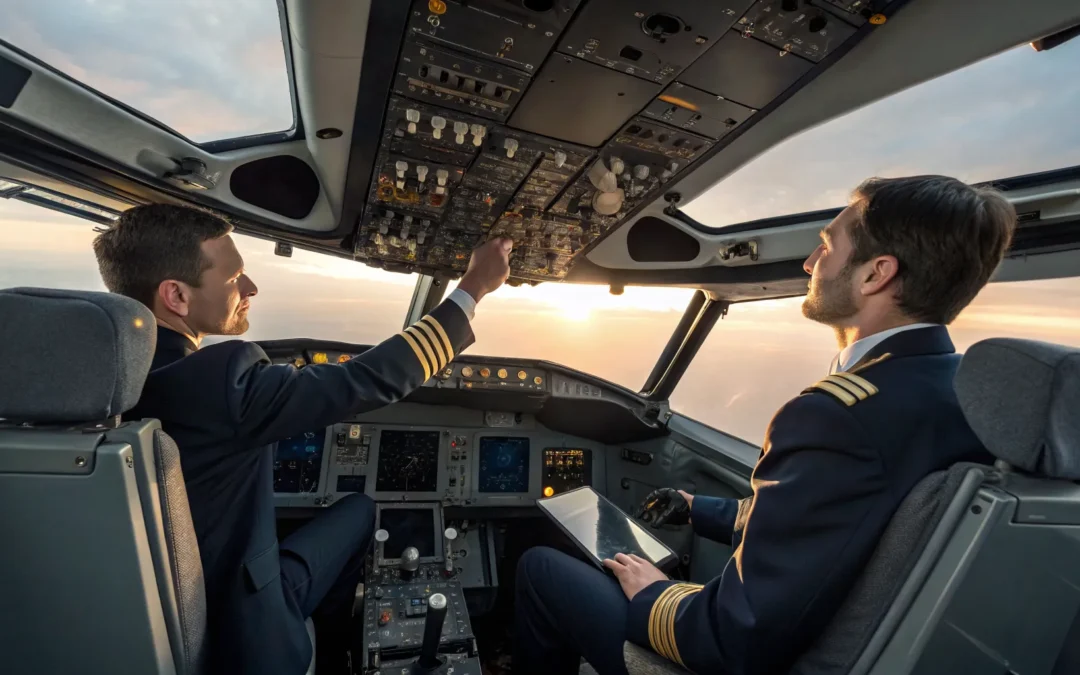
What happens behind the scenes when pilots prepare a commercial flight for takeoff? The answer is a masterclass in professional discipline, where advanced training is put into real-world practice. Every step, from the exterior walk-around to programming the flight management system, is a skill honed through repetition and a deep understanding of procedure. This is where pilots earn their stripes, demonstrating their readiness to take command. This guide gives you an inside look at the professional duties that turn a commercial pilot into a trusted airline captain, showing you exactly what our ATP-CTP course prepares you for.
Key Takeaways
- Flight Prep Is a Collaborative Effort: A safe departure depends on seamless teamwork. Pilots, dispatchers, cabin crew, and ground staff must all work together, communicating clearly to manage everything from the flight plan to final pushback.
- Procedures Follow a Strict Sequence: Pre-flight safety is a methodical process that moves from big-picture planning to hands-on checks. It starts with the dispatcher’s flight plan, continues with the pilot’s physical walk-around, and finishes with final checklists on the taxiway.
- Advanced Training Is Your Bridge to the Flight Deck: The skills for managing pre-flight operations are not learned overnight. An ATP-CTP course at an FAA Part 142 certified school provides the structured, airline-focused training needed to transition from a commercial pilot to a confident airline professional.
What Goes Into Planning a Flight?
Long before you see the pilots walk onto the plane, a detailed flight plan has been carefully crafted. This isn’t just about picking the shortest line between two cities on a map. It’s a complex process that involves a close partnership between the flight crew and a certified aircraft dispatcher. Together, they are legally responsible for the safety of the flight. The dispatcher does much of the groundwork, analyzing dozens of variables to create a comprehensive plan. This plan serves as the operational blueprint for the entire journey, ensuring every detail is accounted for, from fuel load to potential weather hazards. This foundational work is what allows the flight crew to focus on execution once they get to the airport.
The entire process is a testament to the meticulous nature of aviation. Every single flight, whether it’s a short regional hop or a long-haul international route, undergoes this same rigorous planning. Dispatchers collect and evaluate a wide range of information, including aircraft performance data, airport conditions, and air traffic control restrictions. They are essentially the mission planners of the airline world. The final output is a complete flight release package that the captain must review and sign, indicating their agreement with the plan. This shared responsibility ensures at least two sets of expert eyes have vetted every aspect of the flight for safety and compliance before the aircraft even leaves the gate. Our ATP-CTP course is designed to give you the foundational knowledge to understand and contribute to this critical process.
Plan the Route
The first step is to map out the flight path. Dispatchers work to determine the safest and most efficient route, taking into account factors like weather systems, wind patterns, and restricted airspace. They also manage the logistics of assigning a specific aircraft and crew to the flight. This process requires a deep understanding of government regulations and airline policies to ensure everything is compliant. For example, they must factor in crew duty time and required rest periods, which can influence both scheduling and routing decisions. The final route is a carefully optimized path designed for safety, efficiency, and passenger comfort.
Assess Weather and Fuel Needs
Weather is one of the most dynamic variables in aviation. A significant part of flight planning involves analyzing current and forecasted weather conditions along the entire route, at the destination, and at potential alternate airports. Dispatchers and pilots use sophisticated tools from sources like the Aviation Weather Center to check for turbulence, thunderstorms, icing, and other hazards. This weather analysis directly informs one of the most critical calculations: fuel requirements. The plan must account for enough fuel to complete the flight, handle potential delays, fly to an alternate airport, and still have a safe reserve.
Calculate Weight and Balance
An aircraft’s performance is directly tied to its weight and how that weight is distributed. Before every flight, the dispatcher must perform a precise weight and balance calculation. This involves adding up the aircraft’s empty weight, the weight of the fuel, the crew, the passengers, and all cargo and baggage. The goal is to ensure the aircraft’s total weight is within its certified limits and that its center of gravity is in the correct position for a safe and stable flight. An improperly balanced aircraft can be difficult or even impossible to control, making this a non-negotiable safety check.
File the Official Flight Plan
Once the route, fuel, and weight are all calculated, the information is compiled into a formal document and filed with Air Traffic Control (ATC). This official flight plan acts as a notification to the entire air traffic system about your intended flight path, cruising altitude, speed, and estimated time of arrival. Filing the plan is a key step in receiving your initial clearance from ATC. It allows controllers to track the flight, manage air traffic flow, and provide support throughout the journey. You can find detailed guidance on how to file a flight plan in the FAA’s Aeronautical Information Manual.
What Are a Pilot’s Pre-Flight Checks?
With the flight plan filed, the pilot’s attention turns from the route to the aircraft itself. This next phase is all about hands-on inspection. Pre-flight checks are a systematic and non-negotiable routine every pilot performs to verify the aircraft is airworthy and completely safe for the journey ahead. Think of it as a top-to-bottom physical exam for the airplane. This isn’t a solo task; it’s a carefully coordinated process involving the flight crew, cabin crew, and ground mechanics, all working together to ensure every detail is covered.
This crucial safety procedure involves several key steps. It starts with a physical walk-around to inspect the plane’s exterior, followed by a detailed setup of the complex systems inside the cockpit. Pilots also conduct a thorough review of the aircraft’s maintenance logbooks to confirm its history and current status. Finally, they verify that all emergency equipment is in place and ready for use. Mastering these professional-level procedures is a core component of advanced training, ensuring you are fully prepared for the responsibilities of the flight deck. The comprehensive ATP-CTP course is where you will gain the skills and confidence to execute these checks flawlessly.
Perform the Exterior Walk-Around
The first hands-on check is the exterior walk-around. This is a tactile inspection where the pilot physically circles the aircraft, looking for anything out of the ordinary. They run their hands over surfaces, peer into engine inlets, and methodically examine critical components. This includes checking the condition of the tires and brakes, ensuring all lights and antennas are secure, and inspecting the wings and control surfaces for any signs of damage, ice, or fluid leaks. It’s a deliberate and focused process. This visual and physical confirmation ensures the aircraft’s structural integrity and that all external parts are in perfect working order before the first passenger ever steps on board.
Set Up the Cockpit Systems
After inspecting the outside, the pilots move into the flight deck to power up the aircraft and bring its advanced systems to life. This is where the digital and electronic heart of the plane gets its pre-flight checkup. The crew methodically works through a checklist to test alarms, configure displays, and run diagnostics. A major part of this process is programming the Flight Management System (FMS) with the specific route, altitudes, and performance data for the flight. They verify that all navigation and communication radios are set and that every instrument is providing accurate readings. This ensures the aircraft’s brain is fully programmed and ready to execute the flight plan.
Review the Aircraft’s Logbooks
Every commercial aircraft has a maintenance logbook, which serves as its official technical and legal history. Before accepting the plane for a flight, pilots must carefully review this logbook. They are looking for any recent maintenance entries, deferred defects, or outstanding issues that could impact the flight’s safety. This review confirms that all required inspections are up to date and that the aircraft is officially considered airworthy by the maintenance team. By signing off on the logbook, the captain formally accepts responsibility for the aircraft. This step is a critical part of operating under the highest safety standards, like those required for an FAA Part 142 certified school.
Check All Emergency Equipment
Safety is the top priority, and a key part of pre-flight preparation is ensuring all emergency equipment is ready. In the cockpit, pilots check the availability and condition of their oxygen masks, fire extinguishers, and escape ropes. At the same time, they coordinate with the lead flight attendant, who is responsible for verifying all safety equipment in the cabin. The cabin crew checks the accessibility of first aid kits, defibrillators, life vests, and portable oxygen bottles. This shared responsibility ensures that if an emergency were to occur, the entire crew has immediate access to the tools they need to manage the situation effectively and protect everyone on board.
How Does the Crew Coordinate Before Takeoff?
A successful flight is a team sport, and the game plan is finalized long before the aircraft leaves the gate. While pilots are busy in the cockpit, a flurry of coordinated activity is happening all around them. Effective communication among the flight crew, cabin crew, ground crew, and air traffic control is the glue that holds the entire pre-flight process together. This collaboration ensures everyone is on the same page, working from the same playbook to get the flight underway safely and efficiently. It’s a carefully choreographed sequence where every member has a critical role to play.
From the captain’s briefing that aligns the entire crew to the final all-clear from the ground team, each step is a conversation. This constant loop of communication prevents misunderstandings and confirms that every checklist is complete, every piece of equipment is ready, and every person knows their part. Think of it as an orchestra where the pilot is the conductor, but every musician must play their part perfectly for the symphony to work. This seamless teamwork, built on clear and concise communication, is what transforms a complex set of procedures into a smooth and safe departure for everyone on board. It’s a testament to the professionalism and training that every member of the aviation community brings to their job each day.
Lead the Pre-Flight Crew Briefing
Before every departure, the captain leads a pre-flight briefing that brings the entire team together. Pilots and flight attendants gather to sync up on the day’s mission. This is where everyone gets aligned on the flight plan, flight time, and any expected turbulence or weather concerns. It’s also a crucial time to review safety and emergency procedures, ensuring the crew can act as a single, decisive unit if needed. Dispatchers and pilots often function as a unified team, reviewing these details to agree on the final plan. This meeting sets the tone for the flight and makes sure every crew member is prepared for the journey ahead.
Prepare the Cabin for Passengers
While the pilots focus on the flight deck, the flight attendants are busy preparing the cabin. Their pre-flight duties go far beyond getting the drink cart ready. The lead flight attendant’s profession centers on safety, so they conduct a thorough check of all emergency equipment, from fire extinguishers to oxygen masks and life vests. They confirm that the cabin is clean, secure, and fully stocked for the passengers. This process ensures that the passenger environment is not only comfortable but also meets all safety regulations before the first person steps on board. Their diligence is a critical layer of the pre-flight safety net.
Communicate with Air Traffic Control (ATC)
One of the first and most important conversations a pilot has is with Air Traffic Control (ATC). Before even thinking about pushing back from the gate, pilots must contact ATC to receive their official flight clearance. During this initial communication, known as “clearance delivery,” pilots confirm their flight plan and receive their assigned route, initial altitude, and departure frequency. This step formally integrates the flight into the complex airspace system. Understanding Air Traffic Control is fundamental for pilots, as these clear, concise instructions ensure a safe and orderly departure sequence among all aircraft in the area.
Work with the Ground Crew
The final phase of on-the-ground preparation involves close coordination with the ground crew. These are the ramp agents and technicians responsible for loading baggage, fueling the aircraft, and physically pushing it back from the gate. Pilots communicate with the ground crew through the aircraft’s interphone system to confirm that the cabin and cargo doors are secure and that the area around the plane is clear. They coordinate the engine start sequence and the pushback procedure, ensuring the aircraft moves away from the terminal safely. This dialogue is essential for a smooth transition from stationary at the gate to taxiing toward the runway.
What Are the Final Steps on the Runway?
After all the planning, checks, and briefings, the aircraft finally taxis toward the active runway. This is where everything comes together. The energy in the cockpit is focused and calm, a testament to the rigorous training every pilot completes. The final moments before the wheels leave the ground are governed by strict procedures and clear communication. These last two steps are non-negotiable, ensuring every departure is as safe as possible. It’s all about precision and following the plan you’ve worked so hard to create.
Run the Final Takeoff Checklist
Just before rolling onto the runway, the flight crew performs one last critical review: the final takeoff checklist. Following set procedures is essential for safety during takeoff. When pilots do things the same way every time, it helps them avoid missing important steps. This isn’t about memory; it’s about discipline. The crew methodically confirms flap settings are correct for takeoff, flight controls are moving freely, and takeoff speeds are correctly calculated and set. They verify that the systems are configured for departure, ensuring everything is ready for the transition from ground to air. This systematic process is a core part of the training you receive at an FAA Part 142 certified school, building the habits that keep flights safe.
Hold Short and Get Takeoff Clearance
With the checklist complete, the pilot taxis to the “hold short” line, a set of painted markings on the taxiway. This is the boundary you do not cross without permission. Here, the crew makes final contact with the air traffic controller in the tower. Before starting a flight, pilots must receive clearance from ATC. This is the moment of truth. The pilot will state their call sign and confirm they are ready for departure. The controller will then provide wind information and the magic words: “Cleared for takeoff.” Only after receiving this explicit instruction does the pilot advance the throttles and begin the takeoff roll. This precise communication is a skill honed extensively in our ATP-CTP course, preparing you for real-world flight deck operations.
How Our Training Gets You Ready for the Flight Deck
All the checklists, briefings, and split-second decisions we’ve covered are second nature to an experienced airline pilot. But how do you develop that level of instinct and precision? It all comes down to world-class training. The skills required to manage a modern flight deck are built through specific, intensive programs designed to prepare you for the real-world pressures of airline operations. This is where you make the critical transition from being a commercial pilot to becoming a true airline professional.
At Las Vegas Flight Academy, our entire focus is on providing this exact type of training. Our programs are not just about learning procedures; they are about developing the mindset, leadership skills, and technical expertise required to operate safely and efficiently in a multi-crew environment. We provide a clear, structured path that takes your existing experience and shapes you into the kind of pilot that airlines are looking for. Our instructors are seasoned professionals who have been in your shoes and know what it takes to succeed.
What to Expect in an ATP-CTP Course
The Airline Transport Pilot Certification Training Program, or ATP-CTP, is a mandatory step for any pilot who wants to fly for a commercial airline in the United States. Think of it as the official bridge between your commercial pilot license and your ATP certificate. Our ATP CTP course is a comprehensive program that covers both advanced academic knowledge and hands-on simulator training. You’ll study critical topics like high-altitude aerodynamics, air carrier operations, and professional leadership. Then, you’ll apply that knowledge in our full-motion simulators, practicing how to handle complex situations before you ever step onto a real flight deck. Successfully completing this course is your ticket to sit for the ATP multiengine written exam.
Why Choose an FAA Part 142 School
When you invest in your career, you want to know your training meets the highest possible standards. That’s why choosing an FAA Part 142 certified school is so important. This certification means the FAA has rigorously reviewed and approved our entire training program, from the curriculum and instructors to the simulators. Unlike other types of flight schools, a Part 142 training center provides a highly structured, airline-oriented environment. This ensures every student receives the same consistent, high-quality instruction. As one of the only Part 142 ATP-CTP providers on the West Coast, we offer a direct path to becoming the kind of professional, well-prepared pilot that airlines want to hire.
Related Articles
- How to Become an FAA Pilot: The Ultimate Guide
- How to Become a Pilot: Complete Step-by-Step Guide
- Pilot Training for International Students: Your Guide
Frequently Asked Questions
Who is ultimately responsible for the flight plan, the pilot or the dispatcher? Both the pilot in command and the aircraft dispatcher are legally responsible for the safety of the flight. The dispatcher does the initial groundwork, creating a comprehensive plan based on weather, routing, and aircraft performance. However, the captain must review that entire plan, agree with it, and formally accept responsibility by signing the flight release. It’s a true partnership with two sets of expert eyes on every detail.
Why is the weight and balance calculation so critical? An aircraft is engineered to fly safely only when its total weight is within limits and its center of gravity is in the correct position. An improper calculation can lead to a plane that is unstable and difficult or even impossible for the pilots to control. This step ensures the aircraft will perform predictably during critical phases of flight like takeoff and landing, making it a non-negotiable part of pre-flight safety.
Is the pre-flight process really this detailed for every single flight? Yes, absolutely. The discipline of following these detailed procedures for every single flight, no matter how short or routine, is the bedrock of aviation safety. This systematic approach ensures that nothing is overlooked and that the aircraft, crew, and flight plan are all perfectly aligned for a safe departure. This consistency is what makes commercial air travel one of the safest forms of transportation.
What makes an FAA Part 142 school different from other flight schools? An FAA Part 142 certification signifies that a training center meets the highest standards for airline-focused training. Unlike other schools, our curriculum, instructors, and simulators have been rigorously reviewed and approved by the FAA. This creates a highly structured environment that mirrors airline operations, ensuring every student receives the same consistent, high-quality training designed to prepare them for a professional flight deck.
Do I really need the ATP-CTP course before I can fly for an airline? Yes, completing an ATP-CTP course is a mandatory step required by the FAA. It is the official prerequisite that makes you eligible to take the Airline Transport Pilot multiengine written exam. Successfully passing that exam is necessary to earn your ATP certificate, which you must have to fly for a commercial airline in the United States. The course is the essential bridge from holding a commercial license to becoming a qualified airline pilot.