
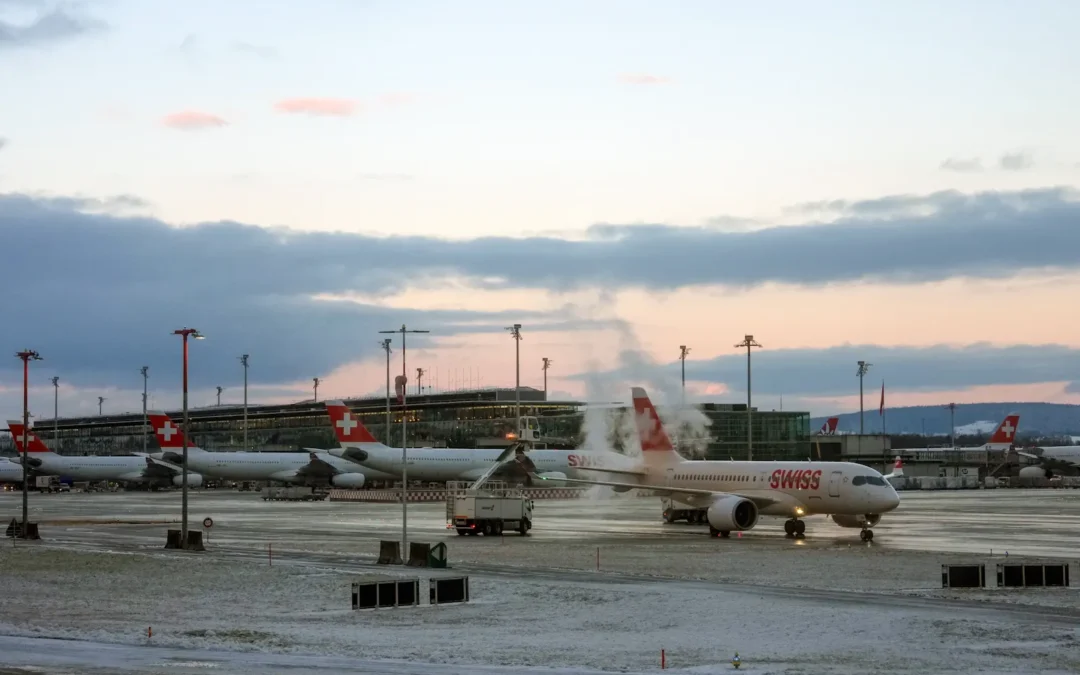
For Alaska pilots, ATP CTP training is not only a course decision. It is also a travel operation. The right plan must account for flights from Alaska, a six-day training window in Las Vegas, lodging, local transportation, and enough buffer to keep a delay from disrupting the course. Las Vegas Flight Academy provides ATP CTP training for Alaska pilots at its FAA Part 142 facility in Henderson, Nevada, giving pilots a focused West Coast option for completing the required curriculum in one trip.
Why Alaska pilots consider Las Vegas for ATP CTP
Alaska pilots often work with longer travel legs and fewer schedule alternatives than pilots in the Lower 48. That makes course location and trip planning especially important. Las Vegas is a practical option because the training can be completed during a single planned visit, without adding unnecessary travel between separate ground and simulator locations.
Las Vegas Flight Academy operates from Henderson, Nevada, near the Las Vegas metropolitan area. Its ATP CTP course follows the FAA-approved curriculum and includes 32 hours of ground training, four hours in a fixed-base training device, and six hours in a full-flight simulator. The course is completed over six days.
For an Alaska-based pilot, the benefit is straightforward: arrive with the required documents, complete the entire course sequence at one training location, and return home with the ATP CTP completion certificate. The completion certificate is the document needed before taking the ATP knowledge test. The course itself is not the knowledge test or an ATP practical test.
Is ATP CTP training for Alaska pilots a fit?
ATP CTP is intended for pilots pursuing an Airline Transport Pilot certificate with an airplane category multiengine class rating, or an ATP certificate issued concurrently with an airplane type rating. It is a standardized FAA-approved course, so the curriculum is not customized around a pilot’s individual experience level.
Before planning the trip, confirm that you meet an accepted enrollment pathway. These generally include:
- A commercial pilot certificate with an instrument rating;
- Qualifying military pilot experience under 14 CFR 61.73; or
- A qualifying foreign ATP or commercial pilot license with instrument privileges.
You must also be able to read, write, speak, and understand English. An FAA medical certificate is not required simply to take ATP CTP at a Part 142 training center, although a medical certificate may be required later when you take the practical test for the ATP certificate. If you are unsure whether your documents satisfy an enrollment pathway, ask LVFA to review the situation before you reserve flights.
For a detailed document and eligibility review, use the ATP CTP requirements checklist.
What happens during the six-day course?
The course moves from classroom concepts into simulator-based application. Ground training covers subjects relevant to large transport-category aircraft operations, including aerodynamics, meteorology, air carrier operations, leadership development, crew resource management, and safety. The simulator portions let pilots apply those concepts in a controlled training environment.
LVFA’s published ATP CTP curriculum includes:
| Course component | Published duration | Planning implication |
|---|---|---|
| Ground training | 32 hours | Expect full, structured classroom days. |
| Fixed-base training device | 4 hours | Simulator scheduling may differ from classroom hours. |
| Full-flight simulator | 6 hours | Keep your schedule flexible enough for assigned simulator periods. |
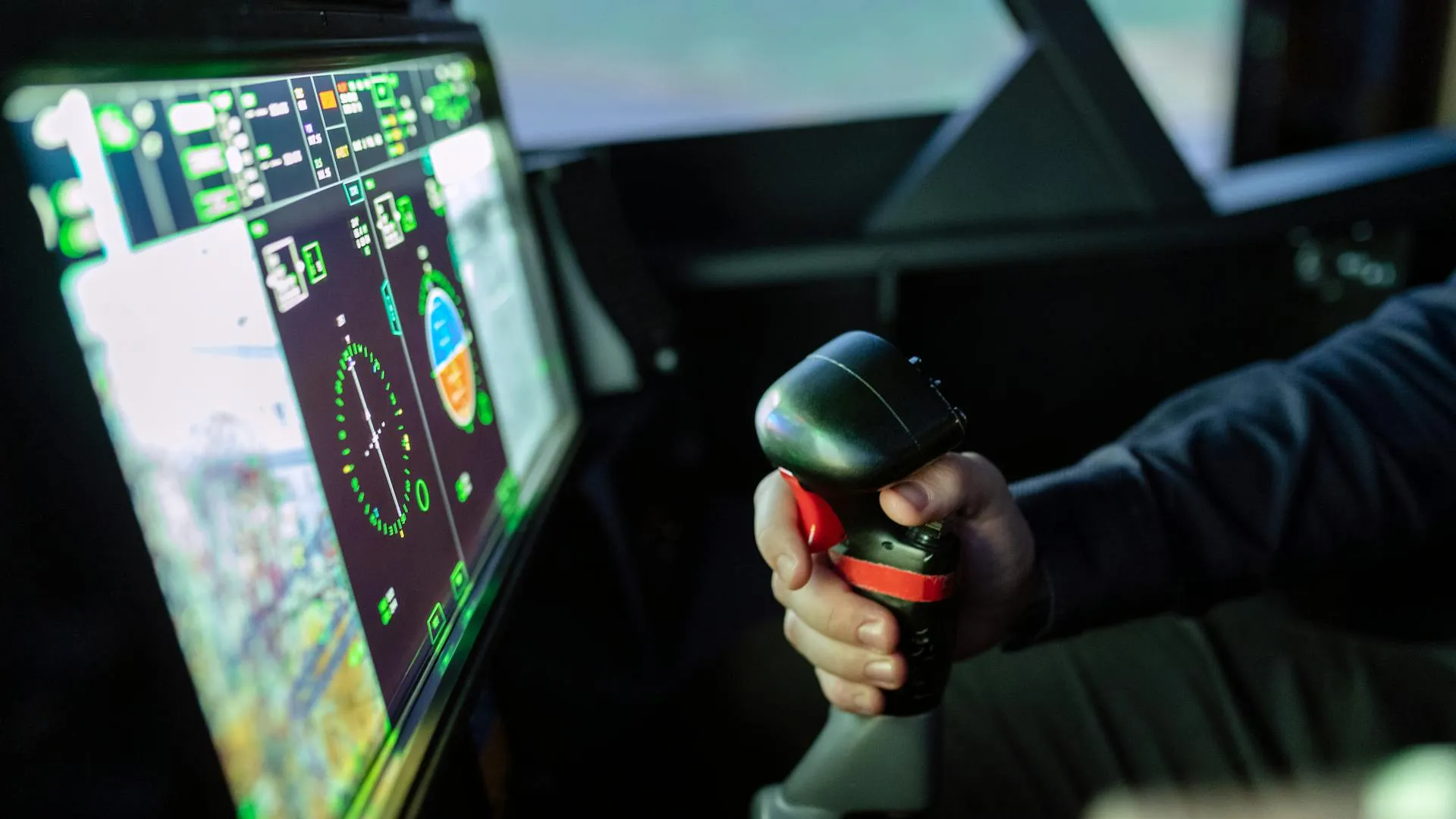
No advance study is required before arrival, but arriving rested and ready to learn matters. The simulator schedule can include periods outside a conventional daytime classroom schedule. Understanding the structure of the 32-hour ATP-CTP ground school helps Alaska pilots plan their daily schedule. Confirm the expected daily schedule directly with LVFA so you can plan sleep, meals, and transportation appropriately.
How should Alaska pilots plan travel to Las Vegas?
Treat the trip like a training assignment rather than a short vacation. Begin with confirmed course availability, then build flights, lodging, and local transportation around the training window. Review the ATP-CTP cost breakdown before committing to flights and lodging. Do not reserve nonrefundable travel based only on a preferred date.
1. Confirm your course window first
Start dates and seats depend on current availability. Contact LVFA, discuss your target timeline, and confirm what the academy needs from you before enrollment. Alaska pilots should be especially clear about where they are traveling from and whether they have limited return-flight options.
2. Plan to arrive before the first training day
Aim to reach Las Vegas at least one day before training begins. This creates a buffer for weather, aircraft changes, missed connections, baggage problems, or other travel disruptions. It also gives you time to check into your lodging, find the facility, and rest before class.
3. Avoid a tight departure after the final session
Do not assume the last training event will end early enough for a particular flight. Ask LVFA about the expected final-day schedule, then reserve a departure that leaves a realistic buffer. For many Alaska itineraries, departing the following day can be the lower-risk choice.
4. Consider the full route, not just the nonstop segment
Travel from Anchorage or another large Alaska airport may offer more options than travel beginning in a smaller community. If your trip includes an in-state connection, build extra margin into both directions. Weather at your origin can be very different from conditions in Las Vegas.
5. Choose lodging for reliable access to Henderson
LVFA is in Henderson, so compare lodging based on the daily trip to the training facility, not only proximity to the Las Vegas Strip. Before booking, confirm the facility address, your likely reporting times, parking arrangements, and whether a rental car or rideshare better fits your schedule.
A practical Alaska-to-Las Vegas planning timeline
The exact timeline will depend on your airline career goals, current eligibility, and travel options. This sequence helps prevent the common mistake of booking transportation before the training seat is confirmed.
- Several weeks before your target window: Review the course requirements, contact LVFA, and discuss available start dates.
- After availability is confirmed: Complete the academy’s enrollment steps and verify which identification and pilot documents you need to present.
- Before purchasing travel: Confirm the expected first-day reporting time and final-day schedule.
- After the course window is secured: Book flights, lodging, and transportation with reasonable change terms when possible.
- In the week before departure: Recheck flight status, weather, baggage needs, and all documents.
- On arrival day: Travel to Las Vegas, check in, locate the Henderson facility, eat well, and rest.
The ATP CTP start-date planning guide explains how to work backward from your career timeline while leaving enough time for the course and the steps that follow.
What should you bring to ATP CTP training?
Pack for both a professional training environment and a climate change. Alaska pilots may leave cool or wet conditions and arrive in Southern Nevada’s heat. Indoor classrooms and simulators can also feel cool, so light layers are useful.
Documents and training essentials
- Government-issued photo identification;
- Your applicable pilot certificate, military documentation, or foreign license documents;
- Any enrollment confirmations or forms requested by LVFA;
- A notebook, pens, and a simple system for organizing course materials;
- Prescription medication and other personal essentials for the entire trip;
- Phone and laptop chargers, if you plan to bring those devices.
Ask LVFA for the current document list before departure. Do not rely on a general packing list if the academy has requested additional records for your enrollment pathway.
Clothing and daily comfort
- Professional, comfortable clothing suitable for class and simulator sessions;
- A light layer for air-conditioned indoor spaces;
- Comfortable closed-toe shoes;
- Weather-appropriate clothing for the Las Vegas forecast;
- A refillable water bottle and practical snacks, if permitted.
Keep irreplaceable documents, medication, and at least one change of clothing in your carry-on. Checked-bag delays should not prevent you from reporting ready for training.
Build a travel buffer without adding unnecessary days
A buffer is most valuable where a delay would have the greatest effect. For Alaska pilots, the highest-risk point is usually the trip to Las Vegas before the first class. An arrival the day before training is a sensible minimum. If your route starts with a weather-sensitive in-state connection or has very few daily alternatives, a larger buffer may be appropriate.
On the return trip, the decision depends on the confirmed final-day schedule and available flights. A later departure or one extra hotel night can be less disruptive than missing a flight after training. The goal is not to lengthen the trip without reason. It is to prevent an optimistic itinerary from becoming the weakest part of the plan.
When comparing flight options, consider:
- The number and location of connections;
- How many later flights could recover a missed segment;
- Change and cancellation terms;
- Arrival time relative to the first reporting time;
- Ground transportation time between the airport, hotel, and Henderson facility.
What comes after ATP CTP?
After successful course completion, you receive an ATP CTP completion certificate. That certificate is required before you can take the ATP knowledge test, and it does not expire. ATP CTP does not itself prepare you for every question on the knowledge test, so plan separately for knowledge-test study and scheduling.
Completing ATP CTP also does not automatically issue an ATP certificate. You must still satisfy the applicable aeronautical experience and certification requirements, complete the knowledge test, and pass the required practical test. Keep your completion certificate secure with your other important pilot records.
Questions to ask before booking your trip
A short conversation with LVFA can eliminate uncertainty before you commit to travel. Ask:
- Which upcoming six-day course windows currently have availability?
- What documents should I submit or bring for my enrollment pathway?
- What are the expected first-day and final-day times?
- When are simulator sessions typically assigned?
- What facility address should I use when comparing hotels and transportation?
- Are there any current arrival instructions or course policies I should know?
Do not rely on an old price, a previously published date, or another pilot’s schedule. Confirm the current details directly with the academy.
Frequently asked questions about ATP CTP training for Alaska pilots
How long should I plan to be in Las Vegas?
LVFA’s ATP CTP course is completed over six days. Alaska pilots should plan their total trip around confirmed reporting and completion times, with an arrival buffer before training and a realistic departure buffer afterward.
Do I need an FAA medical certificate to take ATP CTP?
An FAA medical certificate is not required simply to take ATP CTP at a Part 142 training center. A medical certificate may be required later when taking the practical test for the ATP certificate.
Should I book flights before contacting LVFA?
No. Confirm current course availability and understand the expected daily schedule before committing to travel. This protects you from buying transportation for a date that is unavailable or does not fit your itinerary.
Does the ATP CTP completion certificate expire?
No. After successful course completion, the ATP CTP completion certificate does not expire. Keep it secure because it is required before taking the ATP knowledge test.
Can LVFA customize the course for my experience?
No. ATP CTP is a standardized FAA-approved course, and the curriculum is not customized around an individual pilot’s experience level.
Plan the trip around confirmed training
ATP CTP training for Alaska pilots is easier to manage when the sequence is clear: verify eligibility, confirm a course window, understand the daily schedule, and then reserve travel with appropriate buffers. LVFA’s Henderson location allows you to complete the required ground and simulator curriculum during one focused Las Vegas visit.
Start with the program details, ask the academy to confirm current availability, and build your itinerary only after the training window is secured. That approach protects both your travel investment and your airline-career timeline.