
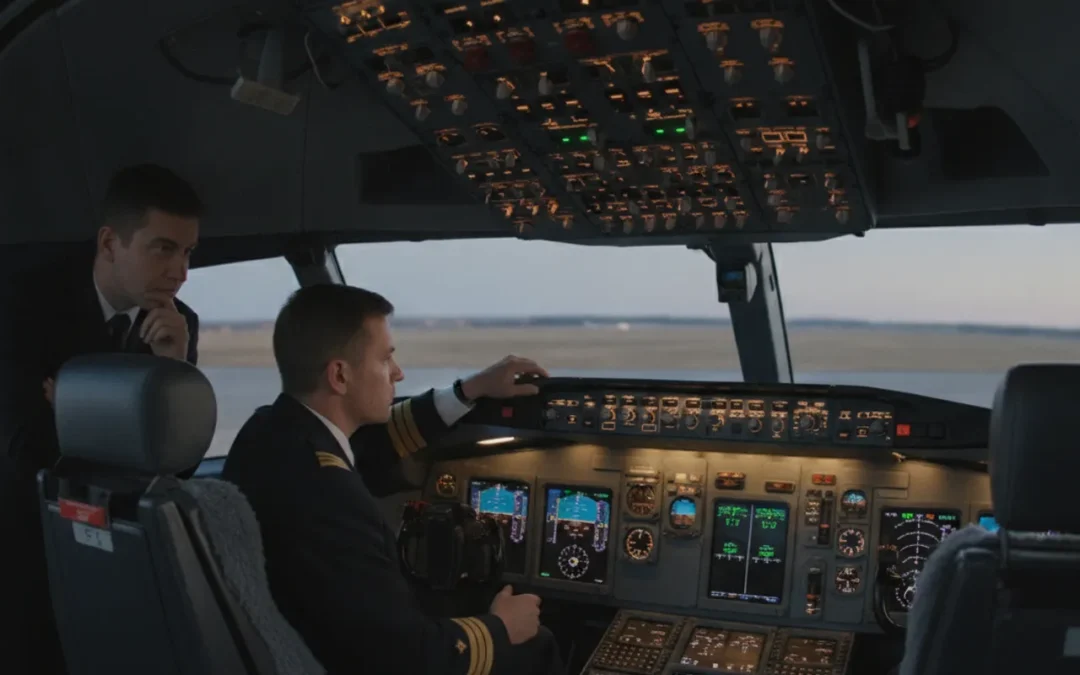
A flight training device can mean several kinds of ground-based equipment, from a basic procedure trainer to a full flight simulator. For pilots comparing courses, the important question is not simply whether a provider has a simulator. It is whether the device, its qualification, and the planned lessons match the training objective.
Contact Las Vegas Flight Academy about training options
What does flight training device mean?
In everyday aviation conversation, “flight training device” may be used broadly for equipment that helps pilots learn or practice without flying an aircraft. In more formal contexts, device labels matter. A training device may reproduce selected instruments, controls, procedures, or aircraft systems. A full flight simulator is a more comprehensive cockpit environment designed to represent a particular aircraft and its operation.
Do not assume that two devices with similar-looking screens provide the same training experience or regulatory credit. The model, configuration, qualification status, course approval, and training event all matter. A provider should be able to explain what device is used and how it fits the course. For current regulatory information and official FAA resources, begin at the Federal Aviation Administration website, then confirm the applicable requirements with your training provider or the relevant authority.
The practical takeaway is simple: identify the training outcome first, then ask what device is used to achieve it. A device can be useful for a specific task without being a substitute for every other form of instruction, aircraft experience, or required evaluation.
How do a flight training device and a full flight simulator differ?
Training equipment ranges in complexity. Some devices focus on a limited set of instruments or procedures. A full flight simulator offers a more complete flight-deck environment, with controls and systems that represent a specific aircraft. Depending on the simulator, it may also provide visual scenes and motion cues. The exact features vary, so the equipment name alone is not enough to determine what a session includes.
| Training setup | Basic procedural trainer |
|---|---|
| Typical focus | Selected instrument, checklist, or workflow practice |
| What to verify | Which controls, displays, and scenarios are represented? |
| Good question to ask | Which lesson objectives can I practice here? |
| Training setup | Flight training device |
| Typical focus | Structured practice in a representative cockpit or system environment |
| What to verify | Device model, configuration, qualification, and applicable course use |
| Good question to ask | What tasks and training credit does this device support? |
| Training setup | Full flight simulator |
| Typical focus | Integrated aircraft procedures and scenario-based practice |
| What to verify | Aircraft variant, simulator features, approval status, and instructor plan |
| Good question to ask | How does each session connect to my course objectives? |
| Training setup | Aircraft training |
| Typical focus | Experience in an operating aircraft, as required by a particular pathway |
| What to verify | Aircraft, instructor, syllabus, and applicable regulatory requirements |
| Good question to ask | Which parts of the objective must be completed in an aircraft? |
This comparison is a starting point, not a statement that every device fits one fixed definition. Formal classifications and the credit they permit depend on applicable rules and approvals. For a closer look at training-center terminology, read this guide to Part 142 training. It can help you separate the provider’s operating framework from the specific simulator or device used in a course.
Which questions should pilots ask before selecting a device?
Before paying a deposit or arranging time away from work, request clear answers to a few practical questions. Specifics help you compare providers on the training itself rather than on a broad label.
- What is the exact device or simulator? Ask for the aircraft type or device model and configuration. If the course is aircraft-specific, confirm that the equipment represents the relevant aircraft variant and systems.
- What is its qualification or approval status? Ask what qualification applies to the device and whether it is approved for the particular course or event you are considering. Do not infer this from the terms “simulator,” “training device,” or “Level D” alone.
- What objectives will each session cover? Ask for a syllabus or outline showing how lessons build from preparation through practice and evaluation. A well-described session has a purpose beyond simply occupying simulator time.
- Who will instruct and brief you? Clarify how instructor-led sessions work, what preparation is expected, and whether there is time to review performance afterward.
- What is included in the quoted course? Confirm the instruction, device time, study materials, assessments, and any additional requirements. Ask for current terms in writing rather than relying on an old web page or informal estimate.
- What documentation will you receive? Confirm what records or completion documents are provided and what they do—and do not—demonstrate. Do not assume the device session itself satisfies a separate certificate, endorsement, or eligibility requirement.
These questions are useful whether you are an individual pilot or arranging training for a group. A training buyer can also ask how scheduling, device availability, instructor continuity, and configuration changes are handled. Request a direct explanation if any answer uses unfamiliar terminology.
How should you match a flight training device to your goal?
Start with the outcome you need, not the most impressive equipment description. A pilot preparing for a course may need to become familiar with aircraft systems or practice procedures. A professional training buyer may be comparing capacity, configuration, and the provider’s ability to deliver a defined syllabus. Those are related needs, but they are not identical.
- Write down the objective. Name the course, qualification, aircraft transition, recurrent event, or procedure you are preparing for. If an employer, authority, or training program has set requirements, use its wording.
- List the requirements that affect device choice. Note aircraft type, device qualification, required instructor involvement, and any limits on what may be completed in a simulator. Verify uncertainties with the authority or organization that sets the requirement.
- Compare the syllabus with the device. Ask the provider to connect the planned sessions to your objective. Check whether the device represents the needed systems and whether the planned scenarios are relevant.
- Confirm the total commitment. Ask about course dates, preparation, attendance expectations, included materials, and what happens if a session must be rescheduled. Get current details directly from the provider.
- Choose based on fit. Prefer a program that can explain the relationship among the device, instructor, lesson plan, and expected outcome. The broadest or most advanced device is not automatically the right option for every goal.
If you are evaluating airline-oriented training, review the relevant ATP-CTP course information and the academy’s explanation of what ATP-CTP training covers. These pages describe specific training pathways; they are not a replacement for checking your own eligibility or confirming current requirements with the appropriate authority.
What should you know about simulator-based airline training?
Simulator-based training allows pilots to work through procedures and scenarios in a controlled environment. It can support deliberate practice, instructor feedback, and repeatable scenarios. Its value depends on how the sessions are designed and how well the training matches the course objective. A simulator is a training environment, not a guarantee of a particular credential or outcome.
Las Vegas Flight Academy describes its professional training as focused on advanced simulator-based instruction. The academy’s materials identify Boeing 737-800 Level D full flight simulators and offer Boeing 737 type-rating training information. Pilots considering that route should confirm the aircraft configuration, course scope, schedule, prerequisites, and current terms directly before making plans. Details can depend on the training program and should not be assumed from a general description.
For ATP-CTP, be precise about what the program is and what it is not. Check the current course page and ask the provider about the specific training and documents associated with its program. Do not assume that completing a simulator-based course by itself provides every certificate, test authorization, or other item needed for a separate application. Your circumstances and applicable rules determine what comes next. The FAA’s official resources and the relevant licensing authority are appropriate places to check regulatory questions.
Pilots who need a broader overview can read the academy’s Part 142 regulation guide and its overview of ATP minimums. Use those as orientation, then confirm current requirements for your own application rather than treating a general article as a personal eligibility decision.
How can you prepare to get more from simulator time?
Preparation makes a device session easier to use well. You do not need to arrive with every answer memorized, but you should understand the session’s purpose and know what you are expected to bring.
- Read the syllabus and pre-course instructions. Mark any unfamiliar systems or procedures for review.
- Bring the materials the provider requests and organize notes so you can find information quickly.
- Ask how the instructor wants you to prepare for each scenario and what standards will be used to discuss performance.
- During the briefing, clarify the scenario setup, your role, and the lesson’s main objective.
- After the session, record the feedback and identify a small number of items to practice or review before the next lesson.
Do not use informal practice as a substitute for required instruction, and do not assume that a consumer desktop simulator has the same qualification or approved use as professional training equipment. It may help with familiarity or study, but the provider and applicable authority determine what counts for a formal course or requirement.
What should training buyers compare across providers?
For a fair comparison, put each provider’s answer in the same categories. This helps expose differences that a headline claim can hide.
- Device and aircraft match: Is the equipment appropriate for the stated training objective and aircraft variant?
- Course structure: Are lessons, briefings, practice, and evaluations explained clearly?
- Instructor support: Can the provider explain who teaches, how feedback is given, and what preparation is expected?
- Requirements and records: Does the provider distinguish course completion from any separate regulatory or employer requirement?
- Logistics and terms: Are schedule, location, included items, rescheduling conditions, and current pricing clear in writing?
For a course comparison, review the academy’s ATP-CTP cost information and verify current amounts and terms with the academy before relying on them. For a different aircraft-specific objective, use the Boeing 737 training page as a starting point for questions. In either case, compare like with like: course scope, device, instructor plan, and what is included.
Call Las Vegas Flight Academy to discuss your training needs
Frequently asked questions about flight training devices
Does a flight training device count as flight time?
Not automatically. Whether a particular session can be credited toward a requirement depends on the applicable rules, the device’s qualification, the course or activity, and the pilot’s circumstances. Confirm the exact requirement with the authority or organization that will evaluate your records.
Can any simulator prepare me for an airline course?
A simulator or desktop tool may help you study concepts or become familiar with procedures, but equipment differs in fidelity and approved use. Ask the course provider what preparation is appropriate and whether the device you plan to use is relevant to its syllabus.
What should I ask about a flight training device before enrolling?
Ask for the device model and configuration, applicable qualification, course objectives, instructor plan, expected preparation, included items, and documents provided after training. If you need a specific form of regulatory credit, verify that separately with the authority responsible for the requirement.
How do I find out whether a device is appropriate for my course?
Share the exact course or training objective with the provider and request an explanation of how the device and syllabus support it. Then check any formal eligibility or credit requirements with the appropriate regulator or employer.
How can you take the next step?
Choose equipment by matching its documented capabilities and planned instruction to the goal you need to accomplish. If you are comparing professional simulator-based training at Las Vegas Flight Academy, send the academy your training objective and questions, or call +1 818-489-1738 to discuss the next step.