
For a type rating, the school’s location is only one part of the decision. California pilots also need to compare the exact course, applicable FAA authorization, simulator approval, schedule, and the time and logistics required to travel. An initial rating, PIC upgrade, recurrent course, or requalification may call for different training and eligibility checks. A school that is convenient to reach is not automatically the right fit, just as an out-of-state option is not automatically impractical. Check what the program includes, what documentation supports it, and how its dates fit your own work and travel constraints.
Contact LVFA to confirm program fit, available dates, prerequisites, and a current written quote.
A B737 type rating school California pilots consider should be evaluated against their specific goal and the documentation behind its training. Las Vegas Flight Academy is in Henderson, Nevada, so compare a Las Vegas option with nearby alternatives by verifying the course and simulator fit. Then plan the full trip rather than judging distance alone.
Start with the records that show what a school is authorized to provide and whether the relevant training device and course match your needs.
How Can You Verify a B737 School’s FAA Authorization?
Start by asking the provider for the FAA certificate or authorization it operates under. Then confirm the certificate holder’s legal name and the scope that applies to the training you plan to take. A school name on a website is not enough to establish that a particular course, aircraft variant, or simulator is covered. Ask for the documentation that connects those pieces, and clarify whether the proposed program is conducted under a Part 142 training-center certificate or another applicable approval. Part 142 is one framework, not a universal requirement for every pilot or provider. The FAA’s Part 142 overview is a useful starting point for understanding that framework.
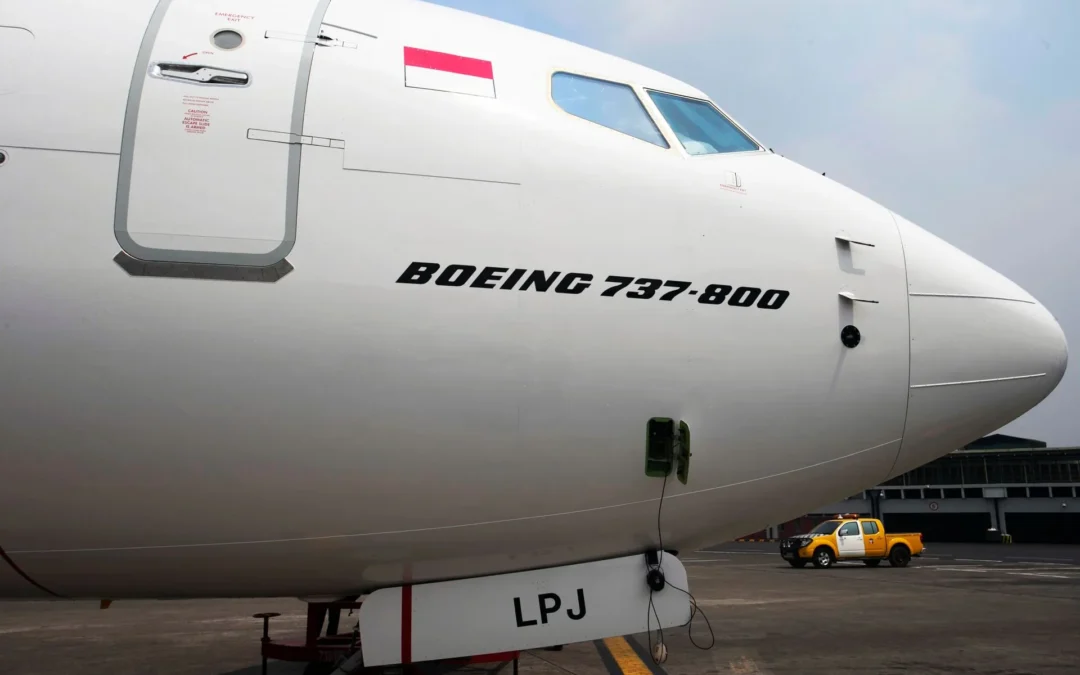
Match the course to your objective and aircraft. The FAA’s Boeing 737 Flight Standardization Board report identifies the 737 Next Generation models, including the 737-800, within the B-737 pilot type-rating grouping. It also describes the FAA Aircraft Evaluation Groups’ role in determining type ratings and flightcrew training, checking, currency, and operational-suitability requirements. Use those references to ask about the model group, training purpose, and qualification you expect, rather than assuming every course bearing a 737 label is interchangeable.
Simulator approval needs the same specificity. Request evidence that the device proposed for your course is qualified for the relevant aircraft type or model and the training and checking tasks involved. Ask the provider to identify the simulator by its exact device designation and to explain which course and maneuvers its approval covers. A general statement that a simulator is Level D, or that a facility holds a training-center certificate. Does not by itself answer whether the particular device and course fit your intended training. Before paying a deposit, compare the documents with the written course proposal and confirm that the documentation remains current for your planned dates.
How Can California Pilots Choose a B737 Type Rating School?
Start with the qualification you actually need, not the course label. An initial type rating is for a pilot seeking the B-737 type rating for the first time. A PIC upgrade addresses a different operating role and training objective. Recurrent training is for a pilot maintaining proficiency, while requalification may apply when a pilot needs to regain a qualification after a lapse or other change in status. Differences training addresses relevant differences between aircraft variants or configurations. These paths are not interchangeable, so ask a school to identify the exact course and eligibility basis in writing. If you already hold a B-737 rating, describe your current seat, recent training history, and the qualification you must regain or maintain. For a first rating, ask which prerequisites, knowledge preparation, ground-school components, and practical test arrangements apply to your background. The right answer depends on your records and intended operation, not simply on the broad label used in an advertisement.
Then match the aircraft variant and training device to your intended operation. The FAA’s Boeing 737 Flight Standardization Board report identifies the 737-600 through 737-900ER as NG models and lists the B-737 pilot type rating. It separately identifies the 737-8 and 737-9 as MAX models. A shared type-rating designation does not mean every course, aircraft configuration, or simulator session is equivalent. Confirm which variant the curriculum covers and whether any required differences training is included.
Simulator details need the same scrutiny. Ask for the device’s current qualification and approval scope for the aircraft variant, training tasks, and course you plan to take. A Level D label describes a simulator category, but by itself does not establish that the specific device is currently approved for your intended training and checking. Also clarify what takes place in the simulator and what is covered in ground instruction; simulator time is not aircraft flight time.
Las Vegas Flight Academy is located in Henderson, Nevada. Its customer-provided training information describes FAA Part 142 operations and B737-800 NG Level D full-flight simulators, and lists initial ratings, PIC upgrades, recurrent, requalification, and differences training. Treat those as a starting point for your inquiry, not confirmation of present availability or device status. Ask LVFA to confirm current approval, course scope, variant coverage, prerequisites, and schedule for your case.
Review LVFA’s Boeing 737 type-rating programs and its FAA requirements for a Boeing 737 type rating, then use those details to frame questions before comparing travel options from California.
What Should You Compare in Training, Instructors, and Scheduling?
A course outline is useful only if it shows how preparation, instruction, simulator work, and checking fit together. Ask how the sequence fits your training goal, then compare the answers in writing. Programs with the same label may use different preparation methods or schedules.
How is preparation delivered?
Find out which material is assigned before arrival, whether ground instruction is remote or on site, and what must be completed before simulator sessions begin. Ask how instructors identify knowledge gaps and whether there is time to address them before the checking event. Clarify which study materials are included, what equipment or software you need, and who to contact if you have trouble accessing the material. If you are traveling from California, a remote preparation component may affect when you need to arrive. But confirm the actual plan rather than assuming it reduces the on-site schedule.
Who teaches, and who conducts the check?
Ask about instructor assignment, relevant B737 variant experience, and how training is adapted to your background without changing required standards. Request a clear explanation of who evaluates your performance and whether the instructor and examiner roles are separate for your course. Confirm the checking event, its expected sequence, and what happens if additional preparation is recommended. These details help you assess the process. An advertised instructor-hour average or a general claim of airline experience does not by itself explain who will teach or evaluate you.
Can you get a workable simulator schedule?
Ask for the proposed simulator dates and daily start and finish windows, including any ground sessions between simulator periods. Confirm how simulator slots are assigned, whether sessions are paired or individual where relevant, and how much notice you receive if a slot changes. Clarify the planned order of ground, simulator, and checking activities so you can understand whether each stage depends on completing the prior one. Avoid booking nonrefundable travel around an unconfirmed date.
Finally, get the rescheduling and contingency terms before paying. What happens if illness, a device issue, or an examiner conflict disrupts the plan? Ask whether the school can offer a replacement slot, what fees or added days may apply, and whom you should contact after hours. Build a personal buffer around the confirmed schedule, especially if you have a fixed return flight or work commitment. Compare the written answers, not just the headline course duration.
How Should California Pilots Plan a Las Vegas Training Trip?
A Las Vegas training option should be compared door to door, not only by the simulator schedule. LVFA is based in Henderson, Nevada, near Harry Reid International Airport. So map the arrival point to the training location and lodging before deciding how many days to set aside. The useful comparison is the full time and cost commitment from leaving home through returning, including the possibility that travel plans or training dates change.
Start with the confirmed course calendar. Ask when you must report, whether any preparation or briefing takes place before the first simulator session. And when you can reasonably plan to depart after the final training or evaluation event. Do not assume the published training days include travel, or that an early arrival can replace a required briefing. Compare that schedule with your work roster, family obligations, and any employer approval you need.
Build a realistic door-to-door plan
- Transportation: Compare available ways to reach Las Vegas from your home airport or city, then account for the trip from the airport to Henderson. Verify current routes and ground-transport arrangements directly; do not rely on a connection or transfer that leaves little margin.
- Lodging and local travel: Identify where you will stay and how you will get to training each day. Consider whether a longer commute or a change in lodging would complicate an early start or late finish.
- Meals and time away: Include meals and the practical cost of being away from home or work. These are individual planning items, not fixed costs that can be assumed from a course listing.
- Arrival buffer: Decide whether arriving before training begins is prudent for your route and schedule. Leave enough flexibility to manage a delayed or disrupted trip rather than planning to arrive immediately before a required session.
- Contingency: Ask what happens if a flight is delayed, you miss a session, or a training slot must move. Clarify rescheduling and cancellation terms, and consider whether your return plan allows for an added night if the schedule changes.
Put the confirmed schedule, travel arrangements, lodging, local transport, meals, and contingency allowance in one trip estimate. Then compare that total with the practical burden of a nearer option, including time away rather than airfare alone. If your goal is a PIC upgrade, the related B737 PIC training in Nevada guide may help you frame the course-specific questions. Confirm all dates and logistics with the school before booking nonrefundable travel.
How Can You Compare Total Cost Without Guessing?
A tuition figure is only useful when you know what it covers. Compare offers for the same training objective, aircraft variant, eligibility assumptions, and training or checking arrangement. Ask each provider for a current written quote that separates included items from optional services and costs billed separately. If the course scope differs, the quotes are not like-for-like, even if both are described as a B737 type rating.
Build a trip budget alongside the training quote. For a California pilot traveling to a school such as LVFA in Henderson, Nevada, include the full door-to-door commitment, not just the time in the classroom or simulator. The table gives you a consistent set of questions to take to each provider.
| Budget category | What to confirm |
|---|---|
| Tuition and written quote inclusions | List the course, variant, instruction, simulator sessions, study materials, checking, and included fees. Ask which items are billed separately. |
| Travel | Estimate transportation to and from the training location, including the schedule and any connection or ground-transfer needs. |
| Lodging | Plan for the nights required by the confirmed schedule, plus any additional night you choose to allow for an early start or delayed departure. |
| Local transport | Include travel between lodging, the training facility, and other required locations. Confirm whether any transport is provided or arranged. |
| Meals | Account for meals during the full period away from home and check whether the quote includes any meals. |
| Time away | Consider work or other commitments affected by travel, preparation, training, and the return trip. Compare the entire schedule, not simulator time alone. |
| Buffer and contingency | Set aside flexibility for travel disruption or a schedule change. Keep this separate from confirmed provider charges. |
| Rescheduling and cancellation | Request the written terms for moving or cancelling a session, including any notice requirements and charges that may apply. |
Use the same assumptions for every option, then compare estimated trip expenses separately from quoted training charges. Do not treat an unlisted item as included; ask the school to clarify it in writing. For LVFA’s course scope, use its Boeing 737 type-rating program details as a starting point, then request a current quote matched to your circumstances. This makes the comparison specific without relying on outdated figures or assumptions about what another provider charges.
What Should You Confirm Before Booking a B737 Type Rating?
Before paying a deposit or arranging time away from work, get the course scope and booking terms in writing. That keeps your training and travel plans aligned.
- Match the course to your goal and aircraft variant. Confirm whether you need an initial rating, PIC upgrade, recurrent, requalification, or differences training, and ask which B737 variant the course covers. Review LVFA’s Boeing 737 type-rating programs as a starting point.
- Confirm eligibility and records. Ask the school to review your certificates, ratings, experience, recent training, and any employer-specific requirements before enrollment. Use the FAA requirements for a Boeing 737 type rating as a reference, then confirm which documents the school needs and when to submit them.
- Verify authorization and simulator applicability. Request the training provider’s certificate and confirm its scope covers your course. Ask for the simulator’s applicable qualification or approval for the aircraft variant and training tasks involved. Do not assume a device’s past or general approval establishes its current suitability for your course.
- Get the curriculum and delivery plan. Clarify what is completed remotely and on site, the sequence of ground preparation and simulator sessions, who provides instruction, and how checking is arranged. Ask what preparation materials and assessments are included, and what completion records you will receive.
- Pin down dates and daily timing. Get confirmed start and end dates, simulator slot timing, and the plan if a session moves. For a trip from California to Henderson, include a practical arrival buffer and avoid scheduling an inflexible return immediately after the final planned session.
- Request a written, itemized quote. Confirm what tuition includes, what costs extra, and the total amount due under the stated scope. Separately estimate transport, lodging, local travel, meals, time away from work, and contingency. Do not treat a verbal estimate as an all-in trip total.
- Read cancellation and rescheduling terms. Ask about deadlines, fees, deposit treatment, and how the school handles changes by either party. Save the answers with your enrollment paperwork.
- Close the paperwork loop. Confirm enrollment documents, payment schedule, records to bring, and whom to contact with questions. Keep the scope, quote, schedule, and policies together.
Contact LVFA to confirm course fit, eligibility, dates, and a current written quote.
Frequently Asked Questions
When comparing a “B737 type rating school California” search result, what should I verify?
Ask the school to identify the course that matches your goal. The aircraft variant and simulator used, applicable approval, eligibility requirements, available dates, and what the quoted fee includes. Request the cancellation and rescheduling terms in writing, along with any records or preparation materials you must provide or complete.
Can I train in Nevada if I live in California?
Yes. Your home state does not prevent you from evaluating an out-of-state training option. LVFA is in Henderson, Nevada, so compare the full door-to-door plan, including travel, lodging, local transportation, time away from work, and a buffer for schedule changes. Confirm course fit and dates directly before booking travel.
Does a B737-800 course automatically cover every 737 variant?
No. Do not infer course coverage from the aircraft family name alone. The FAA’s 737 Flight Standardization Board report groups multiple Next Generation models, including the 737-800. Under the B-737 pilot type rating, but you should confirm the specific course and simulator scope with the provider. FAA 737 Flight Standardization Board report.
How should I estimate the cost of training away from home?
Start with a written quote for the same course and inclusions, then estimate transport, lodging. Local ground travel, meals, time away from work, and any extra night or rescheduling contingency. These vary by personal itinerary, so calculate them separately rather than relying on a general estimate.
Contact Us to Discuss Your B737 Training Plans
Choosing a Las Vegas program involves more than the simulator course itself; your training goal, prerequisites, schedule, and travel plan all need to fit together. A direct conversation can help you clarify those details before making arrangements. Contact Las Vegas Flight Academy to discuss program fit, current prerequisites, schedule availability, and request a current written quote through the LVFA contact page.