
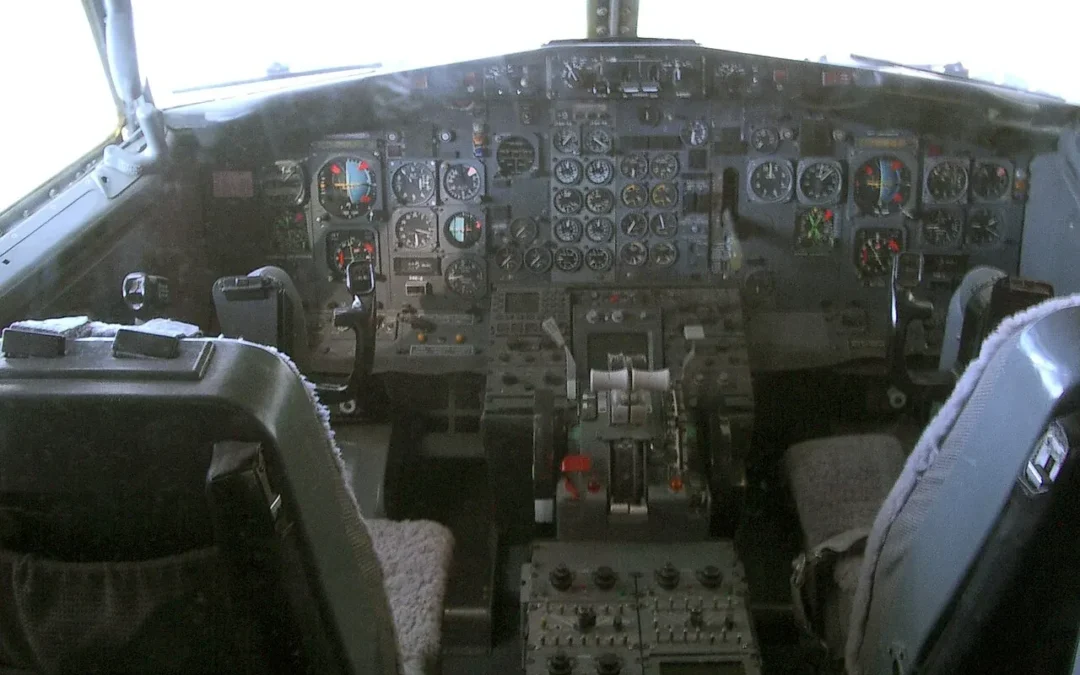
Advanced airline training is easier to plan when each requirement has a defined purpose. ATP-CTP fulfills a required training component for an eligible pilot pursuing the ATP Knowledge Test and introduces the operational demands of an airline environment. It is not a written-exam study course. A B737 type rating addresses the systems, procedures, and aircraft-specific standards required for the Boeing 737.
Discuss your ATP-CTP and 737 type rating path with Las Vegas Flight Academy
The ATP-CTP and 737 type rating path combines two distinct credentials. ATP-CTP fulfills the required course component before the applicable ATP knowledge-test step. The type-rating course develops B737-specific proficiency and leads to the aircraft rating. Separate study resources are used to prepare for the written exam. Completing both through one FAA Part 142 Aviation Training Center can simplify coordination, but neither credential replaces the other or waives the pilot’s applicable FAA requirements.
That distinction matters when reviewing prerequisites, scheduling simulator time, and deciding which training steps should come first. The clearest starting point is to separate what each credential covers and how the two fit together.
What Does Each Credential Cover in the ATP-CTP and 737 Type Rating Path?
ATP-CTP and a B737 type rating address different parts of a professional pilot’s qualification path. The ATP-CTP, or Airline Transport Pilot Certification Training Program, is a required training component for applicable ATP applicants before the ATP knowledge-test step. Its purpose is to develop the aeronautical knowledge and skills needed for airline operations, including the higher workload and operating environment associated with transport-category flying. LVFA’s course page notes that separate online study courses are needed for written-exam preparation. The FAA describes the program’s purpose in Advisory Circular 61-138.
Completing ATP-CTP does not add a B737 qualification to a pilot’s certificate. It fulfills a required part of the ATP pathway and supports the knowledge-test step, subject to the pilot meeting the applicable FAA requirements. It does not replace separate written-exam study. The program is therefore broader than one aircraft model. It addresses the operational foundation a pilot needs before pursuing airline-level certification.
A B737 type rating is aircraft-specific. The associated training focuses on operating the Boeing 737, including aircraft systems, procedures, automation, performance, normal operations, and non-normal or emergency response. The training and evaluation are built around demonstrating competence in that aircraft, rather than establishing the broader aeronautical foundation covered by ATP-CTP. Pilots can review the applicable details in LVFA’s guide to FAA 737 type-rating requirements. For a plain-language overview of the course component, see what ATP-CTP training covers before comparing it with the aircraft-specific rating.
These credentials can fit into one coordinated training plan, but neither substitutes for the other. ATP-CTP completion is not itself a type rating, and a B737 type rating does not replace the ATP-CTP requirement before the ATP knowledge test. Treating them as separate credentials makes the path easier to plan: first confirm the applicable ATP eligibility requirements. Then coordinate the ATP-CTP and B737-specific training sequence with the Aviation Training Center.
What Should You Have Ready Before Combining ATP-CTP and 737 Type Rating Training?
Before scheduling advanced training, confirm that your pilot experience and documentation support the certificate and rating path you intend to pursue. ATP eligibility is governed by 14 CFR Part 61, while the experience requirements for an Airline Transport Pilot certificate are addressed specifically in 14 CFR 61.159.
For a standard ATP pathway, applicants generally need 1,500 hours of total pilot time, along with the other experience requirements established by the applicable regulation. That number should be treated as a starting point for verification, not as a complete personal eligibility determination. The details of your logbook, certificates, ratings, prior training, and intended operating privileges all matter.
Which documents should you review first?
Have your pilot certificates, instrument rating information, training records, and current logbook available for review. Organize the experience that may be relevant to ATP eligibility so an instructor or training provider can identify missing details before your course begins. If your background includes military flying, international credentials, unusual training history, or another potentially applicable pathway, do not assume that an exception or substitution applies. Confirm it through the FAA or with the Aviation Training Center before booking.
The same principle applies to personal eligibility documents and testing steps. Requirements can depend on your circumstances, and this article does not establish whether a particular medical, citizenship, English-language, or flight-hour provision applies to you. Ask for a document review when you discuss combining ATP-CTP and 737 type rating training. That conversation can clarify which records are needed, which steps must be completed first, and whether the proposed itinerary matches your actual FAA pathway.
How Do LVFA’s 32 Hours, FBS, and FFS Fit Into the Path?
LVFA’s ATP-CTP structure is designed to move from airline-focused academic preparation into guided simulator application. The program includes 32 hours of ground training, followed by 4 hours in a fixed-base simulator (FBS) and 6 hours in a full-flight simulator (FFS). The FFS portion uses a Level D B737-800 NG simulator context, giving pilots a structured environment to apply procedures and manage airline-style workload.
What does the ground training establish?
The ground segment provides the airline-oriented training foundation needed to approach advanced simulator work with a common framework. It is not a substitute for a separate ATP written-exam study course. FAA Advisory Circular 61-138 describes ATP-CTP as training intended to provide the aeronautical knowledge and skills required to operate in an airline environment. That scope is broader than learning one aircraft’s systems. It includes the operational thinking and technical foundation that support the ATP pathway and later aircraft-specific study.
How do the FBS and FFS sessions support preparation?
The FBS session allows pilots to work through procedures and cockpit flows without the motion environment of a full-flight simulator. The FFS sessions then add a higher-fidelity setting in which workload, coordination, and procedural discipline can be practiced in the B737-800 NG context. This exposure may help pilots become more familiar with airline procedures before beginning a dedicated type-rating course.
That familiarity is preparation, not automatic regulatory credit. Completing ATP-CTP does not itself grant a B737 type rating, and the same simulator hours should not be assumed to satisfy every requirement of a later type-rating course. LVFA should confirm the applicable course sequence and any credit questions based on the pilot’s records and training plan.
For the aircraft-specific next step, review the FAA 737 type-rating requirements and the details of 737 initial type rating training. These resources help distinguish ATP-CTP preparation from the ground, simulator, and evaluation work associated with earning the aircraft type rating.
Should You Complete ATP-CTP or the 737 Type Rating First?
There is no universal order for every pilot. The sound approach is to establish eligibility first, then sequence the training around your documents, knowledge-test status, aircraft objective, and available course dates. ATP-CTP and a B737 type rating serve different purposes, so completing one does not automatically replace the other.
- Confirm ATP eligibility and required documents. Review your applicable requirements under 14 CFR Part 61, including the flight experience pathway that applies to you. Standard ATP applicants generally need 1,500 hours of total pilot time, but individual circumstances can differ. Confirm your situation with the Aviation Training Center or the FAA before booking. Have your certificates, logbook records, identification, and other required documentation ready for review.
- Complete ATP-CTP. ATP-CTP fulfills the airline-oriented training requirement that applies before the ATP knowledge-test step. Applicants should use separate study resources for written-exam preparation. At Las Vegas Flight Academy, the specified structure includes 32 hours of ground training, 4 hours in a fixed-base simulator, and 6 hours in a full-flight simulator. This stage builds the regulatory, operational, and high-altitude foundation for the next steps.
- Complete the ATP knowledge-test step, as applicable. Once ATP-CTP requirements are satisfied, schedule or complete the ATP knowledge test according to your eligibility and FAA pathway. Confirm the timing with your training provider so the result, endorsements, and documentation align with the remainder of your plan.
- Prepare for the B737 type rating and checkride. Move into B737-specific ground training, systems and procedures review, simulator preparation, and checkride readiness. The ATP-CTP simulator experience can help you approach airline-style workload with more context. But it is not itself a B737 type rating, and its hours should not be assumed to satisfy every type-rating requirement. Review this ATP-CTP and 737 sequencing guide for related planning context, then confirm the exact integrated itinerary with LVFA.
Some pilots may coordinate ATP-CTP and B737 type-rating training in one itinerary. The practical order still depends on eligibility, scheduling, course scope, and provider confirmation. A combined plan should be coordinated, not assumed.
What Should You Confirm Before Booking the Combined Training Path?
A combined itinerary can be practical when your eligibility, aircraft objective, and schedule are already clear. Las Vegas Flight Academy is an FAA Part 142 Aviation Training Center in Henderson, Nevada, offering ATP-CTP and B737 type-rating training from one advanced-training facility. Before reserving a course, confirm what you need, what the course includes, and what remains after training.
| Decision area | What to confirm | Why it matters |
|---|---|---|
| Eligibility | Your ATP pathway, flight-time status, medical qualification, and any applicable FAA requirements. | Training does not waive eligibility rules or replace required FAA steps. |
| Aircraft goal | That your objective is a B737 type rating, and whether the B737-800 NG simulator context matches your plan. | Aircraft variant and rating objectives should align before you book. |
| Course scope | Which ATP-CTP ground, fixed-base simulator, full-flight simulator, type-rating, and checkride-preparation elements are included. | ATP-CTP and a type rating are separate credentials, even when training is coordinated. |
| Schedule | Course dates, sequencing, simulator availability, and the time needed for the ATP knowledge-test step, if applicable. | A combined itinerary still depends on eligibility and provider availability. |
| Documents and budget | Required identification, pilot records, certificates, medical documents, and separate costs for training, testing, travel, and lodging. | Complete records and a category-level budget reduce avoidable delays and surprises. |
| Realistic outcome | What completion documentation you receive and which remaining steps lead to your intended operating or employment goal. | Training supports readiness, but it cannot guarantee a checkride result, job, or airline placement. |
Ask the Aviation Training Center to review your personal circumstances and confirm any simulator credit or course sequencing before you commit. That conversation helps ensure the combined path fits your eligibility and aircraft goal rather than assuming that shared facilities make every requirement interchangeable.
Confirm your eligibility and training sequence
Frequently Asked Questions
Do I need both atp-ctp and 737 type rating training?
They address different requirements. ATP-CTP fulfills the applicable required training component before the ATP knowledge-test step, while a B737 type-rating course focuses on aircraft-specific knowledge, simulator performance, and the checkride. Separate study resources address written-exam preparation. Completing one does not automatically satisfy the other.
What does atp-ctp and 737 type rating training cover?
ATP-CTP covers advanced airline-oriented aeronautical knowledge and includes structured ground and simulator training. The type-rating portion applies that foundation to the B737-800 NG and evaluates aircraft-specific proficiency. The exact course scope and sequencing should be confirmed with the Aviation Training Center.
Is atp-ctp and 737 type rating the same as an ATP certificate?
No. ATP-CTP is a required training component before the ATP knowledge exam for applicable applicants, but it is not an ATP certificate or a B737 type rating. ATP eligibility remains subject to the applicable FAA requirements in 14 CFR Part 61, including the pathway that applies to the pilot.
Can atp-ctp and 737 type rating training be completed in one itinerary?
It may be possible to coordinate both at one facility, but the practical order depends on eligibility, documentation, course availability, and the provider’s scheduling. Confirm the itinerary before booking so each training and testing step is correctly sequenced.
Does ATP-CTP simulator time automatically count toward the type rating?
Not automatically. Simulator exposure can build familiarity with airline procedures and workload, but credit toward a specific B737 type-rating requirement depends on the approved course structure and provider confirmation. Ask how the 32-hour ground, 4-hour FBS, and 6-hour FFS ATP-CTP structure connects to the planned type-rating course.
Ready to Plan Your ATP-CTP and 737 Type Rating Path?
Confirming your eligibility and course sequence before booking can help you prepare the right documents and understand how ATP-CTP and B737 type-rating training fit together. Contact Las Vegas Flight Academy to discuss your training path, course sequencing, and current availability. Contact Las Vegas Flight Academy or call 818-489-1738 to get started.