
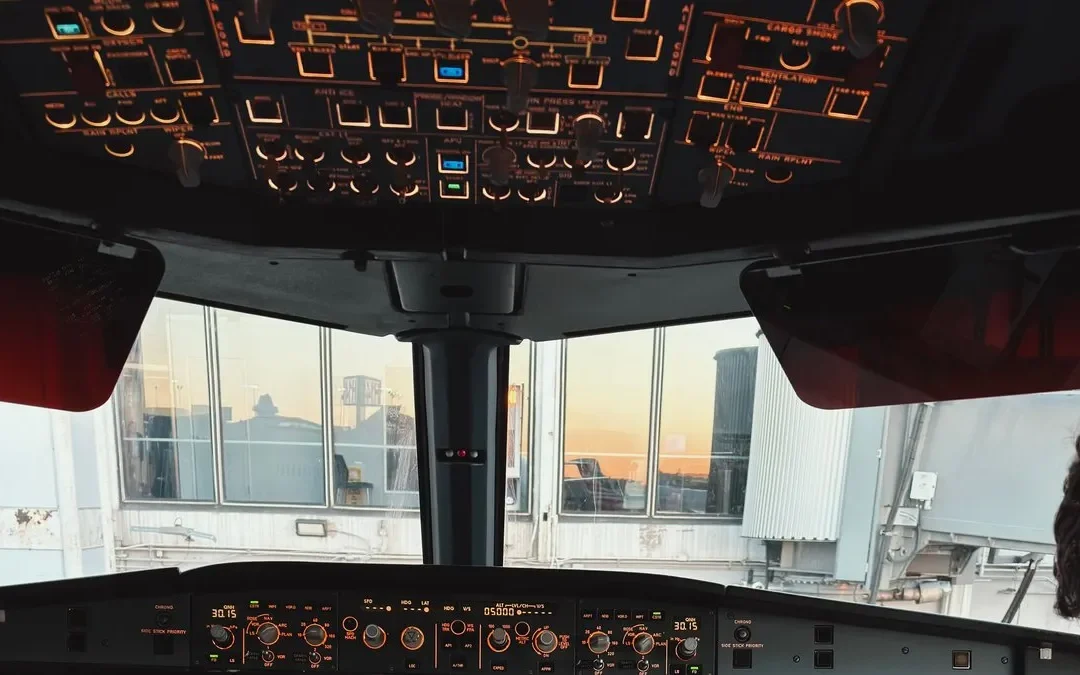
Modern regional carriers reject hundreds of applicants who pass written exams but fail simulator evaluations. Recruiters now look beyond basic certificates to find pilots with strong procedural habits. You must prove you can manage complex cockpits under pressure.
Standard regional airline hiring requirements 2026 demand an Airline Transport Pilot (ATP) certificate. This license needs 1,500 flight hours, or a Restricted ATP with up to 1,250 hours. Beyond these standard FAA hours, airlines focus heavily on background checks, multi-engine ratings, and first-class medical exams. Candidates must pass technical panel interviews and simulator flight tests that check crew teamwork and basic instrument flying under heavy workloads. Airlines also pull full flight histories and checkride records directly from the federal database to check past training performance. Succeeding in this screening process needs deep procedural skills, solid safety habits, and clear communication that go far beyond just holding a certificate. These tough tests make sure that only the most prepared pilots make it to the line.
What does it take to stand out in this competitive field and secure a job offer? Knowing how the airline screening boards work is only half the battle. Understanding What Regional Airline Hiring Requirements 2026 Actually Include is how you begin.
What Regional Airline Hiring Requirements 2026 Actually Include
Entering the flight deck of a US regional carrier starts with clearing a strict screening process. To succeed, you must know how the baseline standards operate. The core regional airline hiring requirements 2026 demands are built around federal flight hour minimums, specific certificates, and background checks. Understanding these parts is the first step toward getting a seat in a commercial cockpit.
Flight Hour Thresholds
| Pathway | Flight Hours |
|---|---|
| Standard ATP | 1,500 |
| R-ATP, four-year degree | 1,000 |
| R-ATP, two-year degree | 1,250 |
| Military transition | 750 |
The major hurdle for most pilot candidates is the total flight time. The FAA mandates 1,500 total hours of flight time for a full Airline Transport Pilot (ATP) certificate. But structured pathways can lower this number. If you want to fly for a carrier, you should review the general airline pilot requirements to see how your hours compare.
These other pathways are known as Restricted ATP (R-ATP) options. A pilot with a four-year degree from an approved aviation program can qualify at 1,000 hours. Those with a two-year associate degree can qualify at 1,250 hours. Military pilots can transition even sooner, often needing just 750 hours of military flight time to join a regional line.
Essential Certificates and Ratings
Enough flight hours alone will not get you hired. You must hold a commercial pilot certificate with a multi-engine rating. An instrument rating is also a hard requirement. You must show you can fly in low visibility and control a heavy aircraft in complex weather. Most carriers look for solid multi-engine time to prove you can handle a twin-engine jet.
A candidate must also hold an FAA first-class medical certificate to perform ATP line operations. You do not need to have your first-class medical in hand before you begin your ATP-CTP course. But airlines will require a current medical to clear you for actual line flights. Keeping this certificate in good standing is vital throughout your career.
The Background Screening Stack
The background check is a major part of the hiring stack. Under FAA rules, airlines must check a pilot’s past training and safety records. The FAA Pilot Records Database (PRD) is a key tool for this search. Carriers use it to review any past checkride failures or safety issues. This system ensures only qualified pilots make it to the flight deck.
Besides the database search, airlines must check your full drug and alcohol testing history. They pull these records from your past employers to meet federal safety laws. Also, carriers operating under Part 121 must follow a new policy called OpSpec A134. This rule focuses on merit-based pilot hiring. It means airlines must evaluate your skills and character on a fair, structured scale.
A clean training record is vital to passing this strict screening. Checkride failures will not always stop your career, but they do require explanation. Regional airlines look for candidates who show steady progress and a high level of professionalism. Preparing thoroughly for each phase of your flight training ensures you meet these standards and stand out.
How the Regional Airline Hiring Landscape Is Shifting in 2026
Hiring momentum and market demand
The regional airline hiring landscape is shifting fast as market demands change. In January 2026, the Aircraft Owners and Pilots Association noted renewed hiring momentum (AOPA). This shift has a direct impact on the ATP career roadmap for many aspiring commercial pilots. As major airlines adjust their goals, they need to fill seats to meet their growth plans for the future.
Industry groups show a growing gap between pilot supply and the needs of major airlines. For example, a major industry report from Oliver Wyman expects a shortfall of about 24,000 pilots in 2026 (Oliver Wyman). This big gap means that airlines need to hire nonstop to keep up with flight schedules. Ready pilots will find many open paths as airlines recruit from a wider pool of talent.
Retirement waves and pilot shortfalls
A major cause of the pilot gap is the high number of older pilots leaving the workforce. The National Air Carrier Association expects that over 12,000 airline pilots will reach mandatory retirement in the next five years (AOPA). Federal flight rules set the mandatory retirement age for commercial pilots at 65. When these senior pilots retire, they leave key jobs open that regional carriers must fill as soon as possible.
Fewer flight students and more older pilots leaving create a severe long-term shortage. Indeed, experts project a gap of more than 28,000 pilots by 2030 (AOPA). Meeting the regional airline hiring requirements 2026 is now a vital step for fast career growth. This planning helps pilots secure jobs with regional carriers that are eager to hire new flight crews.
Major airlines and new-hire classes
To address this gap, major carriers are hiring at a rapid pace throughout 2026. American Airlines plans to hire 1,500 pilots this year to support its fleet (AOPA). United Airlines plans near-record hiring with 2,500 new pilots to meet demand (AOPA). Delta also plans to add 600 pilots in the first quarter of this year (AOPA), showing that demand stays high.
This swift hiring pace builds on strong groundwork from the past year. In late 2025, these airlines ran weekly new-hire classes that brought in about 500 pilots per month combined (AOPA). This high demand flows down to regional partners who need ready pilots to step up. Earning your ratings now prepares you to join these classes and start your airline career without delay.
Beyond the ATP: What Airlines Actually Screen For
Getting your ATP certificate is a major milestone. But meeting the regional airline hiring requirements 2026 takes more than a license. A solid ATP career roadmap can help you plan each step to the cockpit. Carriers must see how you handle stress. They look at your background and your training history. A clean flight record and a professional attitude are just as key as your total logbook hours. To do this, airlines run deep background checks and skills tests.
Federal background checks and database queries
Before you sit in a regional cockpit, carriers must review your entire flight history. They do this to ensure safety. Under 14 CFR part 111, airlines must search your past work in the Pilot Records Database. This system holds all training logs, checkride failures, and certificate actions. A bad checkride is not always a deal-breaker. But you must show what you learned from that event.
Along with FAA records, hiring teams look at other safety history. Carriers must get your drug and alcohol testing records from all past DOT-regulated employers. This rule is set by 49 CFR 40.25 and cannot be skipped. Under a newer rule known as OpSpec A134, Part 121 carriers must follow a fair, merit-based hiring plan. This plan means your skills, records, and character are all graded on a clear scale. These strict checks keep the public safe.
Technical and simulator-based evaluations
The next step in the process is the technical test. Logbook hours are not enough. Airlines will put you in a simulator to check your flying skills in real time. Most regional carriers use advanced simulators to see how you handle emergency events. You must show deep knowledge of flight rules. You must also control the jet well under a heavy workload. If you have never flown a large jet, this test can feel tough. Reviewing the ATP-CTP training requirements before your interview is a great way to prepare.
During a simulator trial, examiners look at your basic hand-flying skills and your instrument scans. They often set up scenarios with engine failures or low-visibility approaches. They want to see how you manage tasks when the workload gets high. If you can stay calm and follow standard steps, you will show them that you are ready for airline training.
Crew resource management and soft skills
While stick-and-rudder skills are vital, airlines also focus on how you work with others. Modern airline flying is a team effort. This is why recruiters screen for Crew Resource Management (CRM) skills during your interview panel. They look for clear speech, active listening, and strong decision-making under stress. A pilot who has great flight skills but poor team skills will not get the job. Showing professional conduct and a calm attitude will help you stand out.
ATP-CTP and 737 Type Rating as Your Hiring Edge
Meeting bare minimum hours is no longer enough. You must stand out under regional airline hiring requirements 2026. In the past, reaching 1,500 hours was a near-guarantee of a job. Today, carriers look for advanced skills that show you are ready for a fast-paced flight deck. Regional hiring goes beyond basic ATP certification. Carriers often use simulator-based screening to test your readiness before they offer you a class date. By finishing your ATP-CTP training requirements, you show carriers you can handle complex systems. This advanced training gives you a major edge.
Ground school training
The ATP-CTP is your first major step in this shift. This course includes a 30-hour ground school that you need before taking the ATP written test. During this class, you learn about high-altitude aerodynamics, bad weather, and crew resource management. You learn to think like an airline captain. This training builds the deep knowledge you need to pass your carrier checkrides.
Ground training focuses heavily on how jet engines and swept-wing aircraft behave at high altitudes. You will study how to prevent aerodynamic stalls and recover from odd flight attitudes. Learning these concepts in a classroom makes you a safer pilot before you ever step into a jet simulator. Regional airlines want to see that you understand these complex systems. Proving you can master this ground school shows you are ready for airline-level training.
Type rating benefits
Adding a Boeing 737 type rating to your resume gives you a clear edge. It shows deep system knowledge. This rating proves you can learn new, complex flight decks. For carriers, hiring a type-rated pilot cuts training costs and lowers training risk. They know you can handle their training programs because you have already passed a type rating checkride.
Hiring data shows that structured training pathways have a big impact. One major program placed 983 pilots with regional, major, and corporate operators in 2025 (AOPA). These paths also helped raise major airline hiring by 30 percent. When you hold a type rating, you display the same level of preparation. It shows carriers you are serious about your flying career.
Level D simulator preparation
Most airlines use simulator tests to check your hand-flying, teamwork, and quick thinking. Preparing in a Level D simulator matches the exact conditions you will face during interviews. To help you get ready, Las Vegas Flight Academy offers focused simulator training in Las Vegas. This city is a great base for quick, high-quality prep. You can train in a modern center and focus entirely on your flying skills.
Carriers also look closely at your past training history and overall record. Under federal rules, airlines must check your history through the FAA Pilot Records Database. A clean record and solid simulator skills give you the best chance of success. By training in a full-motion simulator, you build the confidence needed to pass your checkrides and secure your spot with a regional airline.
Flight Hours, Type Ratings, and a Clean Training Record
Earning your ratings is only the first step on your flight career. Regional airlines look for a strong, clean flight history that proves you are ready for a multi-crew cockpit. Mixing your flight hours with extra ratings will help you stand out. This is a key part of the regional airline hiring requirements 2026.
Many pilots focus only on reaching their hour goals. But airlines check more than just the numbers on a page. They want to see how you built those hours and how you handled your training.
FAA hour and rating milestones
You must track your progress toward your flight hour goals. This tracking helps you meet the rules on your ATP career roadmap. For most pilots, the main goal is 1,500 total hours of flight time. But your path might let you apply with fewer hours if you meet the rules for restricted options.
While building hours, you should also focus on your multi-engine and instrument skills. These skills form the core of your future airline flight work. Getting solid time in multi-engine planes will prepare you to fly a regional jet.
The role of checkride history
Your training record is a major factor during the hiring process. Airline hiring teams will check your past tests to see how you handle training stress. Under federal rules, airlines must query the FAA Pilot Records Database to inspect your training history. This database shows every checkride failure and training event in your past.
Having checkride failures on your record can delay your hiring. To prevent this, you must prepare for each test with great care. Keeping a clean record is vital for your success in the aviation industry.
- Verify your hour progress. Ensure you meet the FAA flight hour limits. A standard ATP needs 1,500 total hours. Restricted options allow 1,000 or 1,250 hours under FAR Part 61 rules.
- Build a strong multi-engine foundation. Gain high-quality multi-engine and instrument hours. These hours prepare you for the heavy workload of flying a regional jet in complex weather.
- Add a Boeing 737 type rating. Earn a jet rating to show you can master large aircraft systems. This rating reduces the training burden for your future employer.
- Keep your training history clean. Protect your record by passing checkrides on your first attempt. Hiring teams closely review your past training events and checkride history.
- Document all hours and endorsements. Keep clean, clear logs of all flight time. You must present these files to prove you meet all airline pilot requirements during your interview.
A 2026 Action Plan to Position Yourself for a Regional Airline Offer
To secure a seat in a commercial flight deck today, you must plan ahead. Meeting basic licensing rules is no longer enough to stand out in a tough job market. You need a clear path that matches your own flight goals with current airline demands. Using a structured ATP career roadmap helps you track your progress and see where you stand. By planning for the screening process early, you show regional airlines that you are ready for the demands of their fleet.
Your current pilot credentials
Before you apply, you must review your total flight hours and ratings. Regional jet airlines look closely at the depth of your training. In 2026, the gap between a basic pilot license and a regional jet cockpit is wider than before. Airlines want to see that you can handle complex aircraft systems. Most carriers look for advanced training that prepares you for high-workload flight decks. Getting hands-on practice in a simulator is one of the best ways to bridge this gap.
Steps to prepare for airline screening
You can use this six-step plan to prepare yourself for a regional offer:
- Check your flight logs. Review your flight hours against FAA rules to find any gaps early. Knowing your exact hours helps you plan your flight time.
- Complete your airline training. Finish your ATP-CTP training requirements and pass the FAA written exam. This training is a key requirement for modern regional hiring.
- Earn a jet rating. Pursuing a Boeing 737 type rating shows carriers that you can pass tough jet school. It helps you prepare for simulator-based airline screenings.
- Keep a clean record. Under federal rules, airlines must check your background in the Pilot Records Database to make hiring choices. A clean record is vital.
- Practice crew work. Work on crew resource management (CRM) and practice cockpit talk. Airlines value pilots who work well in two-pilot teams.
- Track active hiring windows. Watch carrier updates and submit your forms as soon as hiring paths open up in 2026.
Closing the screening gap
Modern airlines use strict standards to check pilots. Under new rules, Part 121 carriers must follow merit-based hiring under FAA OpSpec A134. In addition to a database query, carriers must get drug and alcohol tests from your past employers. Preparing with advanced simulator training helps you meet these high hiring bars. Training on a Boeing 737 or a Level D simulator makes you a strong candidate.
Frequently Asked Questions
What are the baseline regional airline hiring requirements 2026 applicants must meet?
To meet the basic standards, you need an Airline Transport Pilot (ATP) certificate or restricted hours. You also need a first-class medical certificate, a multi-engine rating, and a clean safety record. Because the screening is so tough, you should prepare early. You can reach out to Las Vegas Flight Academy to discuss your training path.
Do regional airlines review a candidate’s past flight training records?
Yes. Under FAA rules, airlines must check your history using the Pilot Records Database (PRD) before they hire you. This tool tracks checkride failures, certificate actions, and past training history. Airlines look for strong patterns of safety and skill. A clean training record shows you are ready for a fast-paced airline program.
What do airlines look for during the simulator screening process?
Airlines use simulator tests to see how you perform under pressure. They look at your basic hand-flying skills, how you manage flight deck duties, and how you work with your crew. They want to see that you can follow complex steps and stay calm in tough situations. Training in a Level D simulator helps you build these skills before your evaluation.
Is ATP certification alone enough to secure a regional airline job?
No. While holding an ATP certificate is required, airlines look for much more during the hiring process. They want pilots who show strong crew coordination, deep technical knowledge, and excellent decision-making skills. You must pass a panel interview and a simulator flight test. Extra training, like a Boeing 737 type rating, can help you stand out from other applicants.
Ready to book your professional airline pilot prep training?
The hiring landscape at regional airlines moves very fast in 2026, meaning that an empty training slot today can delay your pilot career for many months. If you wait to finish your training, you risk losing your seniority place to other ready pilots who are taking action to secure their career. Starting your prep course today keeps you on the fastest path to the flight deck, securing a top seat with a major airline of your choice.
Call (818) 489-1738 to schedule your ATP-CTP and 737 type-rating consultation today.
Our expert team will help you select the ideal start date for your training and guide your next step to the flight deck.