
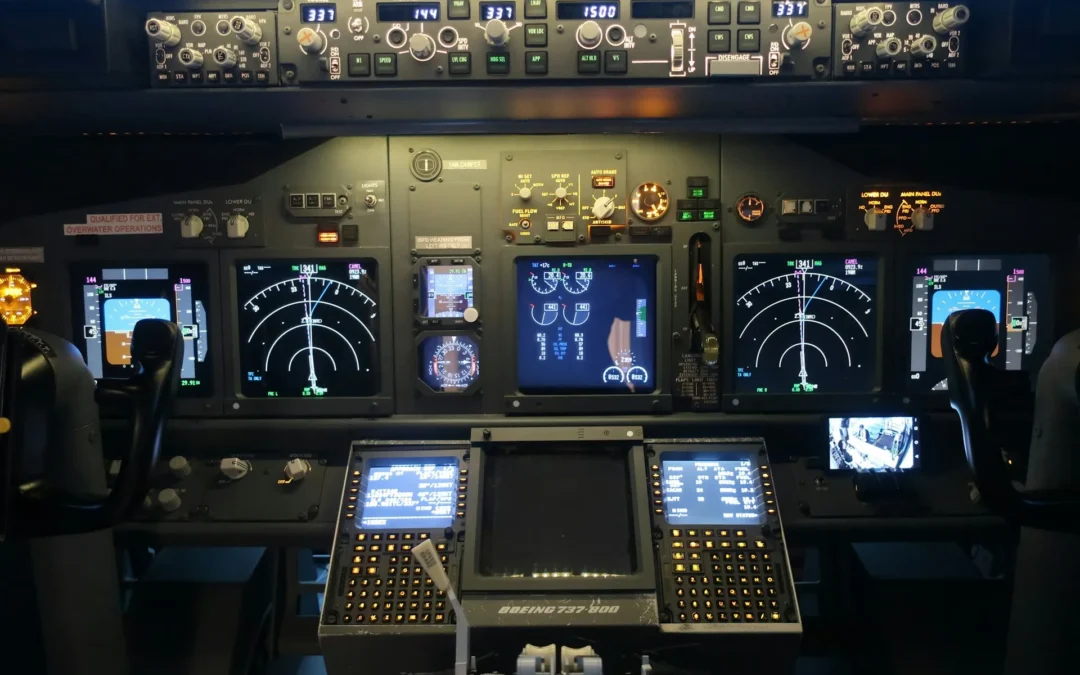
Success on the B737 type rating checkride requires total command over complex emergencies and airline procedures. This final test checks your mental strength and physical flying skills. You are now ready for a jet cockpit.
Talk with Las Vegas Flight Academy about your B737 type rating checkride preparation.
The B737 type rating checkride is a full FAA practical test where a pilot shows total skill in the Boeing 737-800 jet. To pass, you must show a deep grasp of aircraft systems, learn all memory items, and fly exact moves in a Level D flight simulator. According to industry experts at RTC Pilot, examiners look for how you manage tough moments and stay ahead of the jet. This includes a hard oral exam and a simulator session that feels like a real flight. By following standard rules and talking clearly, you can meet the legal rules of 14 CFR Part 61. Success takes treating training as practice for this career step.
Getting a passing grade means you must focus on the areas where examiners often see mistakes. While you are preparing for your B737 type rating checkride, you must prove you can lead a crew through high pressure without pausing. You should start by looking at What the B737 Type Rating Checkride Actually Tests. This base helps you study vital moves and systems. The path begins with.
What the B737 Type Rating Checkride Actually Tests
The B737 type rating checkride is the final test in your path to fly a common jet. This FAA flight test checks how well you can fly an exact plane model. It focuses on your skill with aircraft systems and standard flight steps. Under FAA rules, a type rating goes beyond basic flight training. It needs you to learn how to manage complex jet systems and emergency tasks with high skill. A checkride tests a pilot based on their knowledge of the plane and how they act under stress.
The Oral Exam Phase
The checkride starts with an oral exam on the ground. This part of the test probes your depth of knowledge about the 737. You will answer questions about aircraft systems like fuel, power, and fire safety. The tester also looks at your ability to use the Minimum Equipment List. You must show that you know the rules and limits for the plane by heart. This talk ensures you have the mental tools to fly before you ever enter the flight deck.
During the oral phase, you must explain how each system works. You should know what to do if a pump fails or if a light comes on. Pilots who are preparing for your B737 type rating checkride often study with a partner to get ready. The goal is to show that you are an expert on the 737 NG series. Testers want to see that you can find data in the flight manual quickly and with ease.
The Simulator Flight Test
After the ground work, you will move to a Level D sim for the flight test. This stage usually takes about three hours to finish. You must complete the skill test within six months of starting your training. You will perform air work, flight landings, and emergency drills. The test includes moves like steep turns and stall sets. You will also need to show that you can fly the plane by hand and with the flight system. Testers watch for smooth teamwork and the use of standard callouts at all times.
The flight test checks your skill in real life cases. You may face an engine fire or a loss of cabin air. The tester wants to see if you can stay calm and follow the right steps. This part of the test follows the rules set by the FAA in the Flight Standardization Board Report. Each move must meet tight limits to ensure you can keep the jet safe and on track.
ATP Standards and Flying Limits
Many pilots ask about the gap between a pure type rating and an ATP checkride. In most cases, the flying tasks are almost the same. Both tests use the same tight limits for height, heading, and air speed. You must fly the 737 with exact skill to pass. Even if you do not seek an ATP badge yet, the tester will hold you to that high level of skill. This ensures that every 737 pilot in the sky meets the same top safety goal.
The checkride also tests your choice making. It is not just about moving the controls. You must prove you can manage a crew and handle threats before they become big problems. You can learn more about the B737 checkride process to prepare. The FAA sees these ratings as a key step in an airline pilot’s career. By passing this test, you show you are ready for the high stakes of commercial flight.
| Checkride Phase | Duration | What Is Tested | Common Pitfall |
|---|---|---|---|
| Oral Exam | 1-2 hours | Aircraft systems, limitations, MEL/CDL, regulations, weather | Weak systems knowledge on electrical and hydraulic schematics |
| Simulator Flight Test | ~3 hours | Steep turns, stalls, instrument approaches, engine failures, circling | Poor CRM and non-standard callouts |
| Emergency Procedures | Integrated | Engine fire, cabin pressure loss, windshear, rejected takeoff | Hesitation on memory items or incorrect flow sequence |
Understanding this structure helps you allocate your study time. The oral phase demands deep systems knowledge. The simulator phase demands smooth execution and crew coordination. Knowing what each phase requires is the first step to passing your B737 type rating checkride.
Simulator Maneuvers That Make or Break Your Checkride
The simulator phase is the heart of your check. During a B737 type rating checkride, examiners look for more than just plane skill. They want to see that you can follow standard steps while doing many tasks at once. Preparing for your B737 type rating checkride helps you build the muscle memory needed for every move.
High-Stress Flight Moves
Steep turns test your skill to keep the plane level and at the right speed. In the 737, you must hold a 45-degree bank while staying within tight height limits. This move shows the examiner you have a good feel for the flight controls and trim. It is a core test of your basic flying skills when things get hard.
You will also face a series of stalls. These include stalls in both clean and landing setups. Examiners watch how you find the stall and how fast you fix it. You must use the right pitch and power to get lift back without losing much height. The FAA standard reports list these as main tasks for the B737 type rating. Following the exact steps in your book is a must for a pass.
Approach and Landing Accuracy
One of the hardest parts of the check is the engine failure after V1. This happens just as the plane leaves the ground. You must keep the plane straight with the rudder and climb out on one engine. This move tests your speed and your calm mind. You have very little time to act, so your training must be solid. Standard maneuvers during this phase include:
- Precision and non-precision approaches.
- Engine failures at various flight phases.
- Circling approaches and missed approaches.
- Full stall and windshear recovery.
These tasks need good planning and clear talk with your crew. Examiners check how you use the autopilot and when you fly by hand. Accuracy is key. Being off by just a few feet or knots can lead to a bad grade. Good CRM is as vital as stick-and-rudder skill here.
The Value of Level D Simulators
To pass these tests, you need training in a top-tier space. Las Vegas Flight Academy uses FAA Level D simulators with IDs #1168 and #2104. These machines offer the most real feel. They use a six-degree-of-freedom motion system to copy real flight forces. You feel every bump and turn just like in a real cockpit.
The visual system is also high-end. With a 200×40 degree view, you get a full look at the runway and the sky. This helps with training for icing and windshear. Practicing in these sims helps you build the skills for a successful checkride. High-quality training makes the real check feel like just another day of work.
Common Oral Exam Mistakes to Avoid
The oral part of preparing for your B737 type rating checkride sets the tone for the full test. Part 142 examiners look for more than just facts. They want to see you use technical data in real flight tasks. Many pilots fail when they treat the oral like a quiz instead of a briefing. To pass, you must show deep knowledge of aircraft systems and FAA rules.
Gaps in Aircraft Systems Knowledge
A weak grasp of Boeing 737 systems is a top cause of failure. Examiners focus on electrical, hydraulic, and pneumatic systems because they are key to safety. You must be ready to explain how these systems work during a parts failure. For example, you should know which hydraulic pump moves the landing gear. You also need to know how standby power works if the main lines fail.
To avoid these gaps, use flashcards and group study. These tools help you learn complex data better than just reading. You should also teach these ideas to other pilots. Talking through a system helps you find and fix what you do not know. This work builds the trust you need for a good the B737 checkride process.
Confusion Over MEL and CDL Rules
Mixing up the Minimum Equipment List (MEL) and Configuration Deviation List (CDL) is a big mistake. Examiners check if you can tell if a plane is safe to fly with broken parts. You must know the difference between these lists and their time limits. Taking too long here suggests you might fly an unsafe jet. Per FAA standards, pilots must show they can use technical data to make safe flight choices.
Hesitation with Memory Items
Memory items are steps you must take fast without a list. Any delay or error in these steps can end your test. Common slips include mixing up the steps for an engine fire or a quick loss of air. Practice these until they are second nature. Mock oral exams with a peer are great for testing your speed under stress. These sessions help you give sharp answers and stay calm when an examiner asks a hard question.
Last, stay up to date with all FAA regulations and steps. Rules change, and using old data shows a lack of care. A clear study plan is your best tool for covering all topics before you start.
CRM and Crew Coordination During the Checkride
The B737 type rating checkride is more than a test of stick-and-rudder skills. In a multi-crew flight deck, your ability to manage your team is just as vital as your ability to fly the aircraft. Examiners look for proficiency in standardized procedures and your use of crew resource management (CRM) during every phase of flight. At Las Vegas Flight Academy, our instructors bring an average of 20,000 airline and military hours to your training. They focus on the teamwork needed to pass the checkride under FAA Part 142 standards.
Mastering standard callouts
Clear talk is the spine of a safe cockpit. During your checkride, the examiner will watch how you use standard callouts to confirm aircraft state and plans. These callouts must be crisp, timely, and exact. Whether you are the pilot flying or the pilot monitoring, your role is to keep the other crew member informed. Missing a single callout during a flight path change can show a lack of focus. Professional training helps you build the muscle memory needed to make these callouts second nature.
Managing threats and errors
A B737 type rating checkride tests your decision-making in real-world scenarios through threat and error management. Pilots must find risks, such as bad weather or system failures, before they become problems. If an error occurs, the examiner wants to see how the crew works together to fix it. Do not try to hide a mistake or fix it alone. Instead, use the crew to check changes and confirm new plans. This shows the examiner that you can manage a complex jet while staying ahead of the plane.
Effective non-flying duties
The pilot monitoring role is just as important as the one at the controls. Examiners check how well you help the pilot flying by handling radios, reading checklists, and watching systems. If you find your current skills need an update, you may benefit from checkride preparation tips for training. Strong crew work ensures that no single pilot gets too busy during a crisis. By using all tools, you show the skill and leadership needed for a Boeing 737 pilot.
How to Prepare in the Days Before Your Checkride
The final days before your B737 type rating checkride should focus on refining your knowledge and building confidence. Successful pilots begin their preparation with a structured study plan tailored to their specific rating. This plan should include daily time for system review and procedure practice. You should also ensure you have a deep grasp of the aircraft technical data and the operating handbook to strengthen your base.
Mastering System Knowledge and Limitations
You must know the 737 electrical, hydraulic, and pneumatic systems well. Most pilots use active learning tools like flashcards or quizzes to solidify complex system facts. You should focus on memory items and limitations that will be tested in both the oral and simulator phases. Knowing these facts by heart allows you to focus on flying when things get busy in the sim.
Our training center provides Computer Based Training (CBT) and oral review tools to help you study at your own pace. You can also use our oral and preflight prep training to bridge the gap between ground school and the checkride. Using these high quality resources is one of the best ways to ensure a pass. This prep helps you manage both technical facts and the practical use of procedures.
Mock Orals and Simulator Flows
Practice is key to a smooth checkride. You should partner with a fellow pilot to conduct mock oral exams. This helps you gain confidence and refine how you answer tough questions from the examiner. While studying, you can use these checkride preparation tips to stay on track. Speaking the answers out loud makes the real exam feel much more natural.
You should also spend time chair flying your flows and callouts. Visualizing each step of a maneuver helps build the muscle memory you will need in the cockpit. Reviewing the B737-800 cockpit layout and flows ensures you are ready for any task the examiner assigns. Proper rest and logistics planning are also vital so you can arrive at the facility ready to perform.
Your Pre-Checkride Prep Checklist
- Review systems knowledge: Focus on electrical, hydraulic, and pneumatic schematics. Know what each component does and what happens when it fails.
- Master memory items: Practice engine fire, cabin pressure loss, and windshear procedures until they are automatic. Any hesitation here can end the checkride.
- Chair fly your flows: Sit in a chair and walk through each phase of flight. Verbalize every callout and checklist item out loud.
- Conduct mock oral exams: Partner with a fellow pilot and take turns asking systems and regulation questions. This builds confidence and sharpens your answers.
- Rest and plan logistics: Get a full night of sleep before the checkride. Arrive early at the training center with all required documents ready.
Contact Las Vegas Flight Academy to prepare for your B737 type rating checkride.
Frequently Asked Questions
Is there a checkride for a B737 type rating?
Yes, you must pass a practical test to earn your B737 type rating. This test has two main parts: an oral exam and a simulator flight test. A Federal Aviation Administration (FAA) examiner will check your skills in a Level D simulator. They watch how you use aircraft systems and follow standard steps. You must also show you can handle emergency tasks with ease.
What happens during a B737 type rating checkride?
The checkride starts with an oral exam that covers plane systems and flight rules. You will need to answer questions on the electrical, fuel, and hydraulic systems. Next, you will go to a simulator for the flight part. You will perform steep turns, stalls, and many types of landings. Examiners look for skill in standard steps and safe choices. This part tests how you fly with and without the autopilot.
How long is a B737 type rating simulator checkride?
A B737 type rating simulator checkride usually lasts about three hours. This time allows the examiner to see you do all the required flight tasks. You will fly through normal and emergency cases in a Level D simulator. Many pilot training centers use this block of time to test your skills. You should be ready to work hard for the full three hours to show you can fly safely.
What is the most common reason for failing a B737 checkride?
The most common reasons for checkride failure are poor systems knowledge and weak teamwork. Many pilots fail to explain the 737’s complex electrical or hydraulic parts during the oral exam. In the simulator, failures often happen when a pilot does not use proper callouts or fails to manage the flight deck well. According to the FAA, following standard steps is key to success. You must work well with your crew and know your plane well.
Ready to Ace Your B737 Type Rating Checkride?
Waiting to prepare for your checkride can stall your career and keep you from a top job. The cost of a failed test is high, both in time and in money. Starting your prep now ensures you are ready to meet the standards set by your examiners. You will gain the skills and the poise to handle any emergency in the simulator. Do not let this chance to move up in your field pass you by because you were not ready. Our team in Las Vegas is here to help you book your training and start your next path. We offer the pro sessions you need to feel sure of yourself on the flight deck.
Ready to start? Call (818) 489-1738 to schedule a free consultation.