
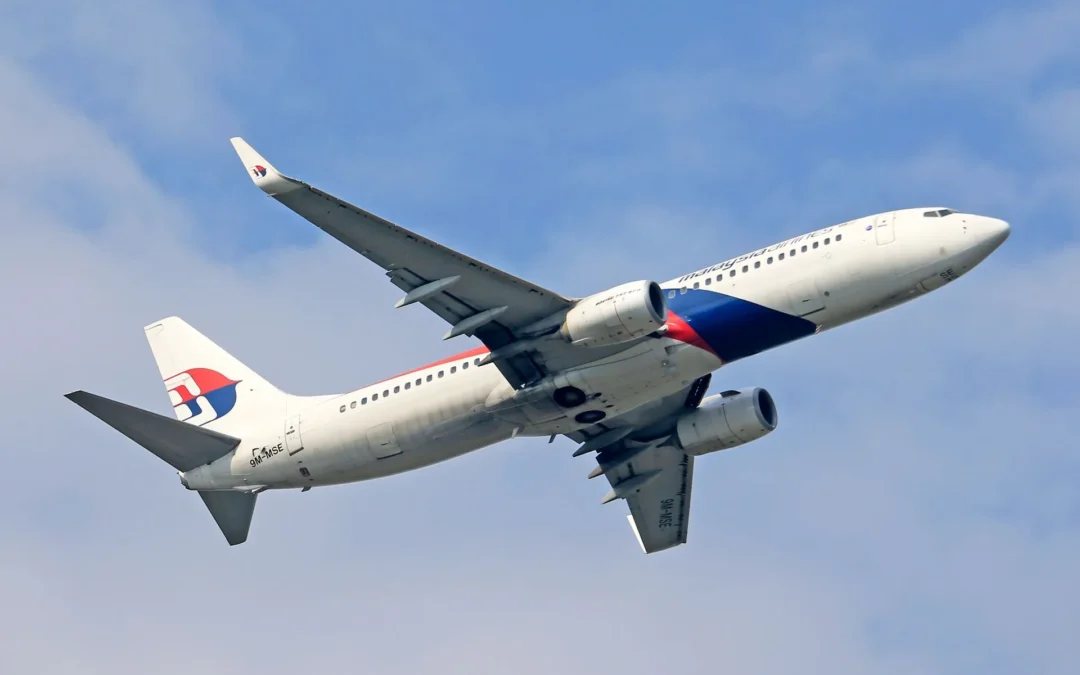
Pursuing a Boeing 737 type rating for international pilots in the United States takes more than choosing a course date. Before traveling, a pilot needs a verified eligibility review and the correct school and government documentation. A realistic travel plan is also essential, along with a clear understanding of what a training provider can and cannot promise.
Review the Boeing 737 NG type rating program before planning your U.S. training trip.
Las Vegas Flight Academy is an FAA Part 142 training center in Henderson, Nevada, offering Boeing 737 NG type rating training. International pilots should contact the academy before booking flights or lodging. The team can review the information supplied by the pilot, explain current course requirements, and describe its verified SEVP support. Immigration decisions remain with the appropriate U.S. government authorities.
This guide organizes the practical questions to ask before training in Las Vegas, from credentials and documents to arrival planning and provider comparisons.
What is a Boeing 737 type rating for international pilots?
A type rating is an authorization tied to a specific large or complex aircraft type. For an international pilot considering U.S. training, the important question is not simply whether the pilot has airline experience. The training provider must review the pilot’s current certificates, instrument privileges, experience, and objective against the requirements of its FAA-approved course.
Focus on the exact aircraft and course
Las Vegas Flight Academy’s offering focuses on the Boeing 737 NG. Pilots should confirm the exact course and aircraft variant in writing before enrolling. LVFA does not offer 737 MAX training, so applicants should not assume that a general reference to a Boeing 737 includes MAX training.
The academy’s Boeing 737 type rating page is a useful starting point, but a direct review is still necessary. Regulations, course availability, and an applicant’s circumstances can affect the appropriate pathway.
Do not confuse a type rating with ATP-CTP
A Boeing 737 type rating and ATP-CTP training are different training objectives. ATP-CTP prepares eligible pilots for the ATP knowledge-test pathway, while a type rating addresses qualification in a specific aircraft type. A pilot considering either or both should ask the academy to explain the applicable prerequisites and sequence. Avoid assuming that completing one automatically satisfies every requirement for the other.
International pilots should also verify how an FAA credential fits their career plans with their employer and the aviation authority that governs their home-country license. A U.S. training provider can explain its FAA-approved program, but it cannot promise how every foreign authority or airline will treat the credential.
Can an international pilot qualify for U.S. 737 training?
International pilots may be eligible for FAA-approved Boeing 737 NG training, but eligibility must be reviewed before enrollment. Las Vegas Flight Academy should examine the credentials and details supplied by each applicant. A pilot should never book travel based only on a general webpage or another student’s experience.
Information to provide for an initial review
- Current pilot certificates or licenses and issuing authority
- Instrument privileges and any relevant ratings
- Recent experience and accurate logbook records
- English-language ability for training and testing
- The pilot’s intended course and professional objective
For related FAA training pathways, qualifying credentials can include a commercial pilot certificate with instrument rating. Qualifying military experience, or qualifying foreign ATP or commercial pilot credentials with instrument privileges. The academy must confirm which prerequisites apply to the selected type rating course.
Ask what must happen before enrollment
Foreign credentials may require additional review or verification. The exact process depends on the credential and training objective, so pilots should ask the academy for a written list of required steps. Do not assume that a foreign license must always be converted in the same way, or that a review will follow a fixed timeline.
Training eligibility, permission to travel, and permission to enter the United States are separate questions. An academy may confirm that an applicant meets course requirements while a government process is still pending. Wait for the appropriate confirmations before making nonrefundable commitments.
Review our detailed guide on FAA type rating requirements for the Boeing 737 for a complete overview of eligibility criteria, documentation, and prerequisites.
Which documents should you prepare before booking?
Start with a document list supplied by Las Vegas Flight Academy. Requirements can differ according to nationality, credentials, course objective, and government processes. Keep clear digital copies for planning, then ask which original records must be presented.
A practical preparation sequence
- Submit pilot credentials for review. Provide current licenses, certificates, instrument privileges, and requested experience records.
- Confirm identity and travel documents. Check passport validity and ask which identity documents the academy requires.
- Request the international-student checklist. Ask which school documents and government steps apply to your situation.
- Obtain written course confirmation. Verify the exact course, variant, reporting date, and payment terms.
- Organize records for travel. Carry required originals and keep secure backup copies separately.
Keep school and immigration roles separate
Las Vegas Flight Academy can explain its training and verified school-support process. It cannot guarantee a visa, admission to the United States, or an immigration outcome. Pilots who need legal advice should consult a qualified professional or official government source.
Be cautious with generic online checklists. A statement that applies to one visa category, nationality, or certificate may not apply to another pilot. The safest planning document is a current written checklist tied to your reviewed application.
Review LVFA’s verified international-student process and request a current document checklist.
How does SEVP and visa support work?
Las Vegas Flight Academy is SEVP-certified, which allows it to support eligible international students through the applicable school process and documentation. That support is valuable, but it is not a promise that a visa will be issued or that a traveler will be admitted to the United States.
What the academy can explain
After reviewing an applicant and the intended training, the academy can describe the school-side steps that apply. It can identify information it needs from the pilot and explain which documents it can issue when the applicable requirements are met. Review LVFA’s SEVP information, then contact the team for current guidance connected to your course.
What remains a government decision
Visa applications, interviews, issuance, entry, and immigration status are controlled by U.S. government authorities. Processing times and outcomes can vary. The academy cannot guarantee an approval or provide legal advice. Use official government instructions and qualified immigration guidance when needed.
Do not purchase nonrefundable travel solely because a school has discussed a possible training date. Confirm the academy-side process and complete the required government steps first. Keep the academy informed about relevant progress so scheduling decisions are based on accurate information.
How should you plan your training timeline?
Build the timeline around confirmed milestones rather than an assumed number of weeks. International planning involves credential review, academy documentation, government processes, travel, and the fixed requirements of an FAA-approved course. Any one of these can affect the final start date.
Before selecting a travel date
- Ask the academy to review your pilot credentials and intended course.
- Receive the current document checklist and complete applicable school steps.
- Follow official instructions for any required government processes.
- Confirm the exact training schedule and what the written quote includes.
- Review cancellation, rescheduling, and refund terms.
Allow for travel and rest
Long-haul flights and major time-zone changes can affect concentration. Ask when you must report, then plan an arrival buffer that allows for immigration, baggage, local transportation, and rest. Avoid assuming that a missed session can be moved without affecting the course.
Protect the return itinerary
Ask the academy what date range to reserve and whether the schedule has any foreseeable dependencies. Flexible travel arrangements may reduce the financial impact of an unexpected change. Never rely on an unverified fixed duration or another student’s itinerary when planning your own trip.
Once dates are confirmed, keep all academy contacts, travel confirmations, and required documents in one secure place. Reconfirm reporting instructions shortly before departure and notify the academy promptly about material delays. If questions remain, use the academy’s contact page to confirm the next step before making nonrefundable commitments.
Planning your training trip to Las Vegas
International pilots should treat the trip as an operational plan, not simply an airline reservation. Las Vegas Flight Academy is located at 1771 Whitney Mesa Drive in Henderson, Nevada, near the Las Vegas metropolitan area. Harry Reid International Airport is the primary commercial gateway, but the time needed to clear immigration, collect baggage, and reach Henderson will vary.
Build an arrival buffer into your schedule
Long-haul travel, time-zone changes, and disrupted connections can affect concentration. Plan to arrive early enough to rest before the first scheduled training event. Do not assume that a late arrival can be absorbed into an FAA-approved course schedule. Ask the academy when you must report and work backward from that time.
Before buying a nonrefundable ticket, confirm that your credentials have been reviewed, your training dates are available, and any required student documentation has been issued. Keep copies of the academy’s confirmations with your other travel records.
Confirm lodging and ground transportation
Compare lodging by total trip cost, not room rate alone. A lower nightly rate may cost more if it requires a long daily commute. Check the route from a prospective hotel to the Henderson training location, and account for traffic, parking, rideshare availability, and early reporting times. Ask Las Vegas Flight Academy for current logistical guidance, but verify reservations and cancellation terms directly with each provider.
For a complete breakdown of tuition, simulator fees, and what is included in the program price, see our Boeing 737 type rating cost breakdown.
Your trip budget should cover airfare, lodging, meals, local transportation, travel insurance when appropriate, and a contingency for disruptions. It should also distinguish tuition or quoted training charges from personal travel expenses. Request a written explanation of what the academy’s quote includes before committing funds.
Prepare for the training environment
Bring the original documents the academy asks you to present, plus secure copies stored separately. Pack any normal professional materials you were instructed to bring, and confirm dress expectations. Avoid filling every free hour with tourism or business meetings. Rest and preparation should remain the priority during a demanding simulator-based program.
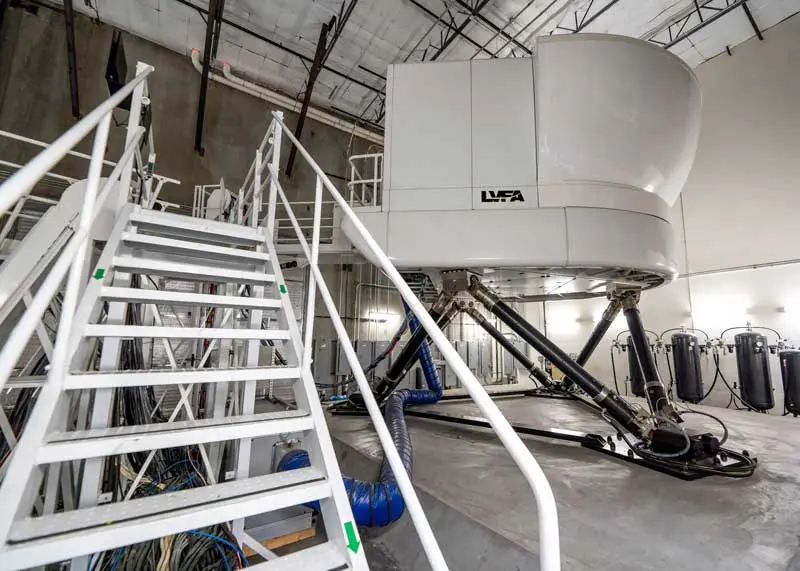
International pilots can reduce avoidable surprises by using a single checklist for travel, required documents, academy contacts, and emergency numbers. Share the itinerary with a trusted contact, keep the academy informed of material travel delays, and reconfirm reporting instructions shortly before departure.
Questions to ask before choosing a training provider
A Boeing 737 type rating is a significant professional and travel commitment. International pilots should compare providers on verified regulatory fit, equipment, support, scheduling, and total trip cost. A polished website is not a substitute for a written conversation about your specific credentials.
Compare the details that affect your training
| Question | Why it matters | What to verify |
|---|---|---|
| Is the provider FAA Part 142 certificated for the course? | The approval and course must match your objective. | Provider identity, exact course, and current approval. |
| Which 737 variant does the course cover? | Equipment and training objectives must align. | Confirm Boeing 737 NG details and do not assume MAX training. |
| Will the school review foreign credentials before booking? | Eligibility depends on the documents you actually hold. | Ask what must be submitted and when. |
| What international student support is available? | School documentation and immigration decisions are separate matters. | SEVP process, required steps, and limits of school support. |
| What does the quote include? | Travel and related costs can materially change the total budget. | Written inclusions, exclusions, payment terms, and change policies. |
Request answers in writing
Send the provider a concise summary of your objective, nationality, current pilot credentials, instrument privileges, recent experience, preferred dates, and any deadlines. Ask the school to identify any additional records it needs for an eligibility review. Do not rely on assumptions made from another pilot’s experience, since documents and circumstances can differ.
International pilots should also ask what happens if travel authorization is delayed or an airline itinerary changes. Review cancellation, rescheduling, and refund terms before making nonrefundable travel commitments. A provider cannot promise a visa decision, so be cautious of any language that suggests guaranteed entry to the United States.
Why consider Las Vegas Flight Academy?
Las Vegas Flight Academy is an FAA Part 142 training center in Henderson focused on professional pilot training in Las Vegas, including Boeing 737 NG type ratings. Its location near a major international travel destination can simplify planning for visiting pilots. Review the academy’s 737 type rating programs, then contact the team for a credential review and current course details.
Pilots from India can also review the academy’s training information for international pilots. Other international candidates should contact the academy directly rather than assume that country-specific information applies to them.
Frequently asked questions
Can a foreign pilot earn an FAA Boeing 737 type rating?
Potentially, but eligibility depends on the pilot credentials and privileges you hold, the FAA-approved course, and the academy’s review. Submit your documents to Las Vegas Flight Academy before booking travel or training. Do not assume that one pilot’s pathway will apply to another.
Does Las Vegas Flight Academy guarantee a U.S. visa?
No. The academy’s SEVP certification allows it to support eligible international students with the applicable school process and documentation. Visa issuance and admission to the United States are government decisions. Review the academy’s SEVP information and seek qualified immigration guidance when needed.
Does the academy offer Boeing 737 MAX training?
No. Las Vegas Flight Academy’s 737 training content focuses on the Boeing 737 NG. Confirm the exact variant and course objective with the academy before enrolling.
When should an international pilot book flights?
Book only after the academy has reviewed your credentials, confirmed training availability, and explained the documents required for your circumstances. Allow time for government processes, travel disruption, and rest after a long-haul flight.
What costs should I include in my plan?
Request a current written training quote and ask what it includes. Separately budget for airfare, lodging, meals, ground transportation, insurance when appropriate, and travel contingencies. Never rely on an old price or another student’s package.
Ready to plan your Boeing 737 type rating in the U.S.?
Start with a direct credential review rather than assumptions about eligibility, documentation, or travel timing. Las Vegas Flight Academy can explain its FAA-approved Boeing 737 NG course, confirm the school-side steps that apply, and provide current scheduling details. Immigration decisions and entry to the United States remain with the appropriate government authorities.
Review the Boeing 737 NG program, then call 818-489-1738 to discuss your credentials and next steps with Las Vegas Flight Academy.