
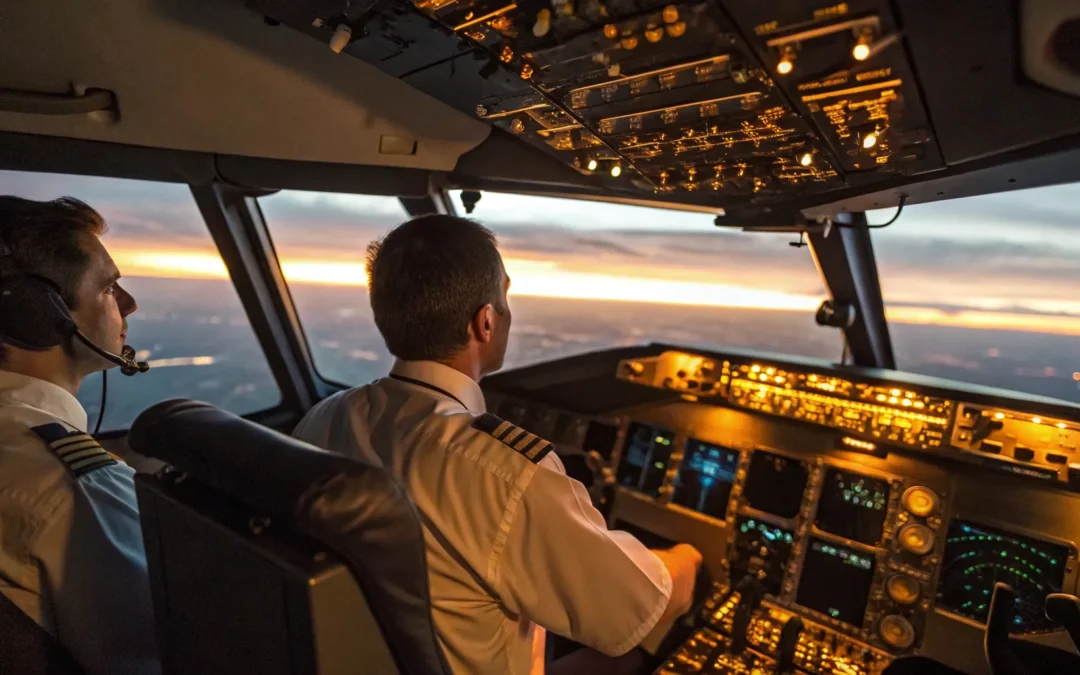
The technology inside a full flight simulator is nothing short of amazing. These devices are complex engineering marvels, combining powerful hydraulics, high-fidelity visuals, and intricate software to create a convincing experience. For pilots on the West Coast looking to advance their careers, understanding this technology is key. So, how realistic is it to fly an airliner in a professional flight simulator? The realism is found in the details: every switch functions, the aircraft responds exactly as it should to control inputs, and the motion system mimics the physical sensations of flight. This is why simulators are the backbone of our West Coast ATP-CTP training, providing a platform to master a complex aircraft in a safe, repeatable environment.
Key Takeaways
- Master Your Procedures: Use simulators to drill checklists, emergency responses, and instrument flying until they become second nature in a safe, repeatable environment.
- Understand the Simulator’s Role: Recognize that simulators are for mastering procedures, while real aircraft are for learning to manage physical forces and real-world pressures.
- Train with Intention: Make every session count by having a specific goal, whether it’s practicing difficult scenarios or building the cockpit muscle memory for your flows.
What Makes a Flight Simulator Feel So Real?
If you’ve ever wondered how a grounded box can replicate the experience of flying, it’s not magic. It’s a sophisticated blend of hardware and software designed to trick your brain and train your hands. The incredible realism of modern flight simulators, especially those used in professional training, comes down to three key areas. These elements work together to create a convincing experience that builds real-world piloting skills.
Authentic Cockpit and Controls
The moment you step into a professional flight simulator, you’re in a perfect replica of an actual cockpit. Every switch, button, and display is exactly where it should be and functions just as it would in the air. This one-to-one accuracy is crucial for building muscle memory. You can practice everything from pre-flight checklists and instrument scans to complex emergency procedures without the pressure of being airborne. This level of detail is essential in advanced training programs where you need to master the intricate systems of a specific aircraft before you ever leave the ground.
Realistic Flight Dynamics and Performance
Beyond the physical controls, simulators use powerful software to replicate an aircraft’s unique flight characteristics. The program models how a specific plane, like a Boeing 737, responds to your inputs and changing environmental factors. You’ll feel how the controls react differently at various speeds and altitudes, and how the engines perform during climb-out versus final approach. This is why simulators are indispensable for earning a B737 Type Rating, as they allow you to learn the aircraft’s specific handling and performance quirks in a safe, controlled setting. It’s the closest you can get to feeling the plane’s personality.
Immersive Visuals, Motion, and Weather
To complete the illusion, simulators engage your senses with immersive sights and sounds. High-resolution, wrap-around screens display a realistic world outside, from familiar airports to challenging terrain. You can fly through a clear day, a foggy morning, or a turbulent storm on command. Full flight simulators are mounted on hydraulic legs that create the physical sensations of flight. You’ll feel the push of acceleration on takeoff, the bumps of turbulence, and the deceleration on landing. Having access to this technology is a huge advantage, and our West Coast ATP-CTP training center makes it accessible for pilots ready to advance their careers.
What Kinds of Simulators Do Airline Pilots Use?
When we talk about flight simulators, it’s not a one-size-fits-all situation. The device a student pilot uses to practice basic maneuvers is worlds away from the multi-million dollar machine an airline captain uses for recurrent training. The FAA categorizes these devices based on their level of realism and the type of training they can be used for. For professional pilots, training is centered around three main categories of simulators, each serving a distinct purpose in building and maintaining the skills needed to fly commercial aircraft safely.
Understanding these different levels helps you appreciate the structured approach to pilot education. Each device is a tool, and using the right tool for the job is key to effective training. From mastering cockpit flows in a static device to handling complex emergencies in a full-motion sim, every hour spent is a deliberate step toward becoming a more competent and confident pilot. At Las Vegas Flight Academy, we use the highest level of simulation to ensure pilots are prepared for the real world, which is a requirement for our FAA Part 142 certification.
Full Flight Simulators (FFS)
A Full Flight Simulator, or FFS, is the gold standard of simulation technology. These are the devices you see in movies, with a complete, functional cockpit replica mounted on a powerful motion platform. An FFS is designed to replicate a specific aircraft model, like a Boeing 737, down to the smallest detail. The experience is incredibly immersive, with realistic sounds, dynamic motion that mimics turbulence and acceleration, and a wrap-around visual display. This is where pilots practice complex emergency procedures and maneuvers that would be too dangerous to attempt in a real aircraft. This level of realism is why an FFS is required for pilots to complete an ATP CTP course and earn a type rating.
Flight Training Devices (FTDs)
One step below an FFS is a Flight Training Device, or FTD. An FTD also features a realistic, enclosed cockpit with functional instruments and controls, but it typically lacks a motion system. While you won’t feel the physical sensations of flight, FTDs are exceptionally useful for practicing procedures, checklists, and instrument flying. They allow you to build muscle memory and familiarity with a specific aircraft’s systems without the higher operating cost of a full-motion simulator. Many airlines and training centers use FTDs for systems integration training and to prepare pilots for their time in the more advanced FFS, making them a critical part of the overall training curriculum.
Aviation Training Devices (AATDs and BATDs)
Aviation Training Devices are generally used earlier in a pilot’s career. They are split into two categories: Basic Aviation Training Devices (BATDs) and Advanced Aviation Training Devices (AATDs). A BATD provides a foundational experience, helping new pilots get comfortable with aircraft controls and basic instrument readings. An AATD offers a more complex environment, often including GPS systems and the ability to practice certain emergency procedures. While not as immersive as an FTD or FFS, these devices are invaluable for building a strong foundation in instrument flying and procedural discipline before you move on to more complex aircraft and training scenarios.
How Does Simulator Flying Compare to the Real Thing?
If you’ve spent any time with a home flight simulator, you’ve probably wondered how it stacks up against the real deal. And if you’re pursuing a career as a pilot, you know that professional simulators are a huge part of your training. While modern sims are incredibly advanced, there are still fundamental differences between flying in a simulator and flying in an actual aircraft. Understanding these differences helps you get the most out of your training and appreciate what each environment offers.
What Simulators Get Right: Procedures and Systems
This is where simulators truly shine. They are fantastic tools for learning and mastering aviation procedures. Think of it as your procedural playground. You can practice everything from pre-flight checklists and takeoffs to complex navigation and instrument flight rules (IFR) without the pressure of being in the air. Modern simulators accurately model how an aircraft performs and reacts to your controls, different weather conditions, and air traffic control communications. This is why they are a cornerstone of the ATP CTP course, allowing you to build a strong foundation in systems knowledge and procedural fluency in a controlled, repeatable environment. You can run the same scenario over and over until it becomes second nature.
What Simulators Can’t Replicate: Physical Forces and Feel
For all their realism, simulators can’t fully recreate the physical sensations of flight. The most noticeable missing piece is the feeling of G-forces, that push and pull you experience during turns, climbs, and descents. In a real aircraft, you feel the plane’s movements through your body, often called flying by the “seat of your pants.” This physical feedback is a subtle but important part of situational awareness. While advanced full flight simulators use motion systems to mimic some of these sensations, they can’t perfectly replicate the forces on your body. It’s one of the simple truths of aviation that our experienced instructors help pilots understand as they transition between the sim and the aircraft.
The Psychological Difference: Real-World Stakes
The biggest difference might be the one in your head. In a simulator, you know you can always hit the reset button. This is great for practicing emergency procedures, but it can’t replicate the genuine stress and responsibility of managing a real-world situation. The knowledge that you are truly in command of an aircraft, with real consequences, changes the dynamic entirely. There’s a level of focus and decision-making that can only be honed when the stakes are real. That said, the procedural mastery you gain in the simulator is what frees up your mental capacity to handle that real-world pressure. It’s why training under the highest FAA Part 142 certification standards is so critical; it bridges the gap between practicing procedures and applying them flawlessly under pressure.
Understanding a Simulator’s Limitations
While modern flight simulators are incredibly powerful tools, it’s just as important to understand their limitations. Knowing what a simulator can and can’t do helps you use it effectively, without developing a false sense of security. Think of it this way: a simulator is where you build the foundation of knowledge and procedure, but the real aircraft is where you learn to apply it under real-world pressures. The best pilots know how to use the sim to its full potential for what it does best, like mastering complex systems and running emergency checklists.
The goal of professional training is to bridge the gap between the simulated environment and the real cockpit, ensuring the skills you practice translate seamlessly when it counts. This is why a structured, instructor-led program is so critical for taking your abilities to the next level. It’s not just about logging hours; it’s about getting targeted feedback and learning to integrate what you know with what you feel. A simulator is an exceptional classroom, but the sky is the ultimate test.
The Missing Physical Cues
The most significant difference between a simulator and a real aircraft is the feeling. Simulators, even full-motion ones, can’t fully replicate the physical forces of flight. You won’t feel the sustained G-forces pulling on you in a steep turn or the subtle vibrations of the airframe that tell you how the plane is performing. While a sim can jolt and tilt to mimic turbulence, it can’t copy the true “seat-of-the-pants” sensations that experienced pilots rely on. This is why simulators are perfect for mastering procedures and building cockpit workflows, but the true muscle memory for handling an aircraft is best developed in the air.
Simulating True Unpredictability
In a simulator, you can practice for almost any situation, but there’s one thing it can’t replicate: genuine surprise. When you’re training, you often know an emergency scenario is part of the lesson plan. This mental preparation is a luxury you don’t have in the real world. Simulators are excellent for helping you practice dangerous scenarios like engine failures or severe weather in a completely safe environment. However, they can’t reproduce the spike of adrenaline and the psychological stress of a true, unexpected event. The key is to use that safe environment to drill procedures until they become second nature, so you can execute them flawlessly if the unexpected ever happens.
Why Real Flight Hours Still Matter
Because simulators lack certain physical cues and the element of true surprise, nothing can completely replace time spent in a real aircraft. Flying a real plane is where you learn to integrate your procedural knowledge with the dynamic, ever-changing environment of the sky. It’s also where the guidance of an instructor becomes invaluable. While practicing at home can be helpful, it can’t replace the expert feedback you get in a structured FAA-approved program. An instructor can spot and correct bad habits, push you to refine your technique, and teach you the nuances of flight that a machine simply can’t.
How to Maximize Your Simulator Training
A simulator is more than just a practice tool; it’s a training environment where you can build and sharpen the skills you need in the flight deck. Getting the most out of your time in the sim comes down to your approach. When you treat every session with the same focus and discipline as a real flight, you transform practice hours into valuable experience. Here are four key areas to concentrate on to make every minute in the simulator count.
Master Your Procedures and Checklists
Flight simulators are the perfect place to learn and practice your procedures until they become automatic. This is your chance to drill everything from pre-flight sequences and takeoffs to complex instrument approaches and landings without any real-world pressure. Use your sim time to get completely comfortable with your checklists and flows. The goal is to know the sequence of actions so well that you can perform them smoothly and accurately every time. This procedural fluency is a cornerstone of the ATP CTP course and is essential for operating safely and efficiently in a multi-crew environment. Approach each session with a clear objective, whether it’s perfecting a specific maneuver or running through your normal checklists.
Practice for Emergencies and Bad Weather
One of the greatest advantages of simulator training is the ability to practice dangerous situations without any real risk. This is where you can face an engine failure on takeoff, handle a rapid decompression, or fly through severe weather conditions in a completely controlled setting. These are scenarios you hope to never encounter in the air, but you must be prepared for them. A simulator lets you experience these high-stakes events, work through the appropriate emergency checklists, and build the confidence to manage a real crisis. This type of training is a critical part of earning a B737 type rating and ensures you are ready to handle the unexpected.
Build Your Instrument Flying Skills
When you’re flying under Instrument Flight Rules (IFR), your instruments are your entire world. Simulators are an incredibly effective tool for building instrument proficiency. They teach you how to fly the aircraft solely by reference to the flight displays, communicate effectively with air traffic control, and execute precise instrument approaches in low-visibility conditions. Because you can eliminate outside distractions, you can fully concentrate on your scan and interpretation of the instruments. For pilots seeking their ATP certificate, this is a non-negotiable skill, and our West Coast ATP-CTP training dedicates significant time to honing these exact abilities in our advanced simulators.
Develop Cockpit Muscle Memory
While simulators are excellent for procedural memory, it’s important to understand their role in developing physical muscle memory. Knowing the flow of a procedure is different from feeling how the aircraft responds to your control inputs. True muscle memory for the “feel” of flying is best built in an actual aircraft. However, the simulator is where you develop cockpit muscle memory. This means knowing exactly where every switch, button, and lever is without having to search for it. You build the mental map and the physical habit of reaching for the right control at the right time. This is a core part of our training philosophy, which combines simulator training with real-world application.
Related Articles
- What is FAA Part 142? A Pilot’s Guide
- 14 CFR Part 142: The Ultimate Pilot’s Guide
- Boeing 737 MAX Differences Training: A 2026 Guide
Frequently Asked Questions
Can I earn a pilot certificate using only a simulator? No, you cannot. While simulators are an essential part of modern flight training, they are designed to supplement, not replace, time in a real aircraft. The FAA requires a certain number of real flight hours for every certificate. Simulators are where you build procedural knowledge and practice emergencies, but the sky is where you learn the true feel of the aircraft and apply those skills in a dynamic environment.
What’s the main difference between a home flight simulator and a professional one? The biggest differences are certification and fidelity. A professional Full Flight Simulator is an FAA-certified, exact replica of a specific aircraft cockpit, from the software to every physical switch. It’s mounted on a motion platform to mimic the sensations of flight. This level of accuracy allows the time to be officially logged for training and checkrides. Home simulators are great for practicing general concepts, but they don’t have the certified accuracy or systems modeling required for professional pilot training.
Why is simulator training a mandatory part of the Airline Transport Pilot (ATP) course? Safety and complexity are the main reasons. The ATP certificate is the highest level of pilot certification, and it involves operating large, complex aircraft. Simulators provide a safe, controlled environment to practice and be evaluated on emergency scenarios that would be far too dangerous to attempt in a real airplane, such as engine failures on takeoff or severe system malfunctions. It ensures pilots can manage high-stakes situations before they ever face them with passengers aboard.
Is it possible to fail a simulator checkride? Yes, absolutely. A checkride in a simulator is just as serious as one in an actual aircraft. You are expected to perform to the same high standards, demonstrating mastery of the aircraft’s systems, adherence to procedures, and sound decision-making. The instructor or examiner is evaluating your performance, not the simulator’s capabilities. Poor performance or a failure to meet the required standards will result in an unsuccessful checkride.
How can I make sure I get the most out of my simulator time? The best approach is to treat every session like a real flight. Show up prepared by studying your procedures and having a clear objective for what you want to accomplish. Use the time to focus on your weaknesses and practice scenarios you can’t safely replicate in the air. Instead of just flying around, actively work on mastering your checklists, instrument scans, and emergency responses until they become second nature.