
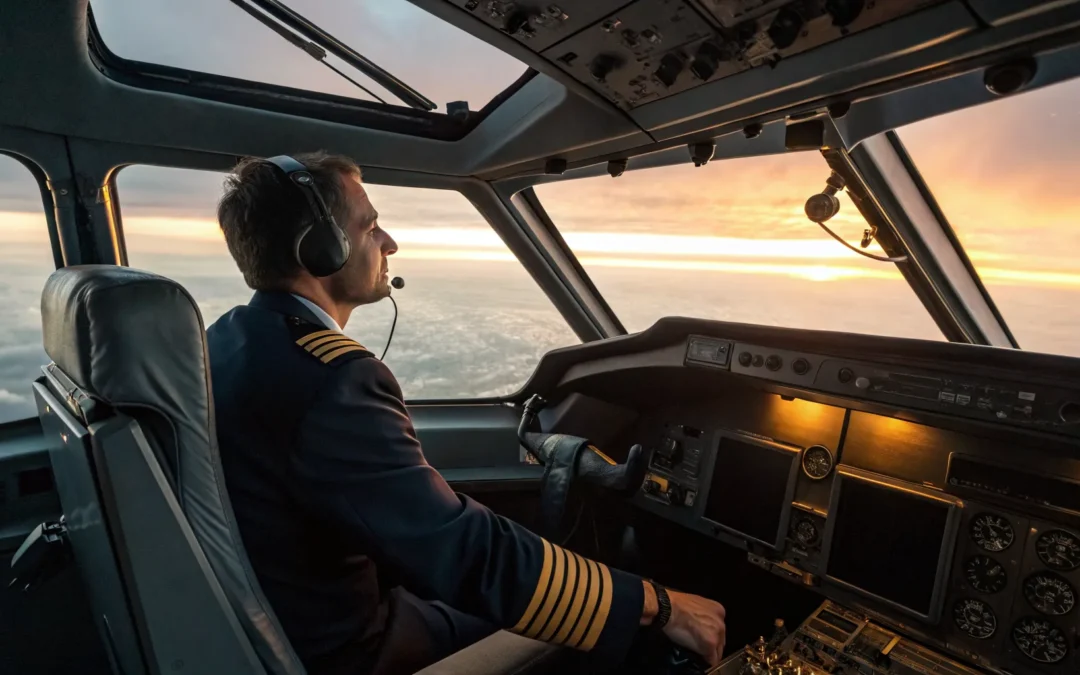
The image of an airline captain is powerful: crisp uniform, calm authority, and an office with a view that spans continents. Have you ever wanted to see the world from the perspective of an airline captain? It’s a dream many share, fueled by images of global travel and adventure. While those elements are certainly part of the job, they represent just one side of the coin. For every breathtaking sunrise viewed from 37,000 feet, there are countless hours of meticulous preparation, long nights in hotels, and the immense weight of responsibility for hundreds of lives. This career is a unique blend of the extraordinary and the routine, a lifestyle that demands as much as it gives.
Key Takeaways
- Evaluate the lifestyle, not just the job: A captain’s career offers excellent pay and travel perks, but it also requires significant time away from home and the ability to handle high-pressure situations. A successful career depends on whether this unique balance fits your personal life and goals.
- Develop skills beyond the cockpit: While technical flying ability is essential, great captains are defined by their leadership, clear communication, and sharp problem-solving skills. Focus on building these qualities to effectively manage your crew and handle any unexpected challenges.
- Follow a structured path to the left seat: Becoming a captain is a long-term goal achieved through a clear progression of certifications and experience. The journey involves logging 1,500 flight hours and completing the mandatory ATP-CTP course, which is the final step before you can join an airline.
What Is Life as an Airline Captain Really Like?
The image of an airline captain is one of authority and adventure, jet-setting across the globe from the best seat in the house. While there’s truth to that picture, it’s only one side of the story. Being a captain is a deeply rewarding career, but it’s also a demanding profession that requires discipline, resilience, and a genuine love for aviation. It’s a lifestyle that blends incredible highs with the daily grind of a highly technical and responsible job. Let’s look at what you can really expect from life in the left seat.
The Glamour vs. The Grind
There’s no denying the unique benefits that come with the captain’s uniform. You get to see the world from a perspective few others ever will, with an office view that changes by the hour. The job offers incredible travel opportunities, allowing you to experience new destinations and cultures. Many pilots find immense satisfaction in the challenge and responsibility of their work, and the perks of being a pilot often include travel discounts for family and friends.
However, for every breathtaking sunrise over the clouds, there’s a pre-flight check in the dark, a delay on the tarmac, or a long night spent in a hotel room. The grind is real. The job demands constant focus, long hours, and significant time away from home. It’s a career built on procedure, safety checks, and managing complex systems, which requires a level of dedication that goes far beyond just enjoying the view.
Common Myths About the Job
One of the biggest myths is that pilots lead a life of constant vacation. While you do travel for a living, your ability to explore cities depends entirely on the length of your layover. A 12-hour layover in a new city might just mean enough time to get to the hotel, eat, and get enough rest for your next flight. Longer layovers that allow for sightseeing are a great benefit, but they aren’t guaranteed on every trip.
Another common misconception is that the job is always exciting. Like any career, it can feel like work. There will be days when you’re tired, dealing with difficult weather, or simply not in the mood to fly. The passion for aviation is what carries pilots through these moments. Understanding this reality from the start helps you build the mental resilience needed to thrive as a captain, appreciating both the adventure and the routine.
A Day in the Life of an Airline Captain
Forget the fast-paced movie scenes of pilots running through airports. A real day in the life of an airline captain is a structured blend of meticulous planning, intense focus, and quiet professionalism. The responsibility is immense, and the routine is designed to ensure safety and efficiency on every single flight. Your day starts long before passengers board and doesn’t end until the aircraft is secured and ready for its next journey.
This structured lifestyle is built on a foundation of world-class training and a deep understanding of procedure. From the moment you wake up, your focus is on the flight ahead. The process can be broken down into three main phases: the critical preparations you make on the ground, the management of the flight from the cockpit, and the essential duties you perform after landing. Each part of the day requires a different set of skills, but all of them demand the calm, decisive leadership that defines a great captain. It’s a career that requires discipline and dedication, but the unique experiences and sense of accomplishment are unlike any other job in the world.
Your Morning: Briefings and Pre-Flight Checks
Long before you step into the cockpit, your workday has already begun. The morning of a flight is dedicated to a rigorous pre-flight preparation process. This isn’t just a quick once-over; it’s a detailed review of every variable that could impact the flight. You’ll start by analyzing the flight plan and cross-referencing it with the latest weather forecasts for your route and destination.
Next, you’ll conduct a thorough walk-around inspection of the aircraft to ensure it’s in perfect condition. Once satisfied, you’ll meet with your first officer and cabin crew. This crew briefing is essential for building teamwork and making sure everyone is aligned on the day’s procedures and prepared for any potential emergencies. This level of professional coordination is a core component of the ATP-CTP course, which prepares you for a seamless transition into the airline environment.
In the Cockpit: Managing Hours of Flight Time
Once you’re airborne and have reached cruising altitude, the nature of the job shifts. Long-haul flights are often described as hours of routine punctuated by moments of intense focus. During the cruise phase, your primary role is to monitor the aircraft’s systems, manage the flight path, and maintain communication with air traffic control. While it might seem quiet, this is a period of active vigilance, not passive observation.
This steady routine is often rewarded with moments that make the job truly incredible. You might witness a stunning sunset over the clouds, see the Northern Lights from a perspective few will ever experience, or execute a perfect landing in challenging weather. These are the moments that remind you why you fell in love with flying. Mastering the aircraft to handle both the long, quiet hours and the demanding moments is exactly what a B737 Type Rating prepares you to do.
After Landing: Post-Flight Duties and Turnarounds
The work isn’t finished just because the plane has landed. After taxiing to the gate, you’ll oversee the shutdown procedure and complete necessary post-flight paperwork. This includes logging flight times, noting any maintenance issues, and debriefing with the crew on how the flight went. If you have a quick turnaround for another flight, this process is done with maximum efficiency to stay on schedule.
On layovers, the reality is often less glamorous than you might think. Especially on short domestic trips, like those common for pilots on the West Coast, there’s often just enough time to get to the hotel, eat, and get the rest required for the next day’s flight. While longer international layovers can offer a chance to explore, the priority is always to be well-rested and sharp for your next duty period. This disciplined approach to rest is a non-negotiable part of the job.
How Captains Prepare for a Flight
A captain’s responsibility for a flight begins long before the aircraft doors close. The calm and control you see in the cockpit are the direct results of meticulous groundwork. Every single flight, from a short hop to a long-haul international journey, is preceded by a detailed preparation sequence. This process ensures the highest levels of safety and efficiency, turning potential uncertainties into a clear, actionable plan. It’s a non-negotiable part of the job that involves analyzing the route, inspecting the aircraft, and planning for any possibility. Let’s break down what that looks like.
Plan the Route and Assess the Weather
The first step is a comprehensive review of the entire flight plan. This goes far beyond simply mapping a course from A to B. Captains and their dispatchers analyze detailed weather reports for the departure airport, the destination, and the entire route in between. They also identify suitable alternate airports in case of a diversion. This stage of pre-flight preparation includes checking for any Notices to Airmen (NOTAMs) that might affect the flight, such as runway closures or navigation aid outages. Based on all this information, they calculate the precise amount of fuel needed, always including reserves for holding, diversions, and unforeseen delays.
Conduct Safety Checks and Brief the Crew
Once the planning is complete, the focus shifts to the aircraft and the team. The captain or first officer performs a thorough walk-around inspection of the aircraft’s exterior, looking for any signs of damage or mechanical issues. Inside the cockpit, they run through extensive checklists to verify that every system is operating correctly. Just as important is the crew briefing. The captain meets with the first officer and the lead flight attendant to discuss the flight plan, weather conditions, flight time, and any potential challenges. This ensures everyone is synchronized and prepared to work as a cohesive team. Clear and standard ATC communication is also reviewed to ensure smooth coordination with air traffic controllers from gate to gate.
Prepare for the Unexpected
While pilots plan for a perfect flight, they prepare for an imperfect one. A huge part of a captain’s job is contingency planning. This means mentally rehearsing how to handle anything that could go wrong, from a minor instrument failure to a medical emergency or severe weather. This preparation is built on an encyclopedic knowledge of the aircraft’s systems and a mastery of standard operating procedures. Captains always have a Plan B, C, and D, including knowing the exact procedures for diverting to their chosen alternate airports. Using official resources like the Aeronautical Information Manual (AIM) ensures their knowledge and phraseology are always sharp, allowing them to manage any situation with confidence and control.
What Are the Biggest Challenges for an Airline Captain?
While the view from the captain’s seat is incredible, the responsibilities that come with it are demanding. The role is much more than just flying a plane; it’s about leadership, problem-solving, and managing a unique lifestyle. Understanding the challenges ahead of time is the best way to prepare for a long and successful career in the cockpit. It’s not about being discouraged, but about going in with your eyes wide open.
The biggest hurdles for an airline captain often fall into three main categories: the immense pressure of the job, the demanding and irregular schedule, and the time spent away from home. Excelling as a captain means learning to handle these realities with professionalism and resilience. The right training, like an ATP CTP course, is designed to give you the foundational skills to face these situations confidently. It’s about building the mental fortitude and technical expertise to not just fly the plane, but to lead the crew and deliver passengers safely, no matter what comes your way.
Make High-Stakes Decisions Under Pressure
As a captain, you are the final authority on the aircraft. This means you’re responsible for making critical decisions that can have significant consequences, all while maintaining a calm and collected demeanor. Whether it’s dealing with a sudden mechanical issue, navigating severe weather, or handling an inflight medical emergency, everyone in the cockpit and cabin looks to you for guidance. The weight of that responsibility is immense. This is where your training truly comes into play. Learning to systematically assess a situation, communicate clearly with your first officer and crew, and execute a plan under pressure is a skill that is built and refined over thousands of hours of experience and rigorous training.
Manage Fatigue and Irregular Schedules
The life of a pilot doesn’t follow a 9-to-5 schedule. You’ll be crossing time zones, flying at all hours of the day and night, and dealing with the fatigue that comes with it. While the job offers a unique kind of work-life balance with several days off in a row, the trade-off is that you will inevitably miss holidays, birthdays, and important family events. Some days, it will feel like a job, and the constant adjustment to changing schedules can be draining. Managing your sleep, nutrition, and personal time becomes a critical skill in itself. Successful pilots learn to create routines that help them stay rested and sharp, ensuring they are always at their best when they step into the cockpit.
Handle Time Away From Home and Family
The idea of traveling the world is a major draw for many pilots, but the reality is often more complex. While you do get to see new places, you don’t always get to explore cities in depth. Short layovers might only give you enough time to eat and rest before your next flight. This constant travel also means significant time away from your family and friends. The lifestyle can put a strain on relationships, and having a strong support system at home is incredibly important. Open communication with your partner and family about the demands of your schedule is key to making it work. It’s a career that requires understanding and sacrifice from both you and your loved ones.
What Skills Make a Great Captain?
Earning your stripes and mastering the technical aspects of flying a commercial airliner is a huge accomplishment. But the skills that separate a good pilot from a great captain go far beyond the cockpit controls. The best captains possess a unique blend of leadership, sharp thinking, and mental fortitude. These are the qualities that ensure every flight is not just successful, but safe, and that the entire crew operates as a single, cohesive unit. Developing these skills is just as important as logging your flight hours.
Leadership, Communication, and Teamwork
As a captain, you are the final authority on the aircraft. This role demands more than just confidence; it requires a deep sense of professionalism and an unwavering commitment to the safety of every soul on board. You set the tone for the entire crew, from your first officer to the flight attendants. Clear, concise communication is the foundation of this leadership. You must effectively brief your team, coordinate with air traffic control, and keep passengers informed. Great captains foster an environment where every crew member feels respected and empowered to speak up, because teamwork is the bedrock of aviation safety.
Attention to Detail and Problem-Solving Skills
A captain’s job is 99% preparation and 1% execution. Long before you push back from the gate, you are deep into the details. This involves a meticulous pre-flight preparation process, where you review every aspect of the flight plan, analyze weather patterns, and conduct thorough checks of the aircraft. This obsessive attention to detail is your first line of defense against potential issues. When the unexpected does happen, whether it’s a maintenance snag or a sudden weather change, your problem-solving skills take over. A great captain can calmly assess a situation, weigh the options, and make a decisive call under pressure.
Mental and Emotional Resilience
Life as an airline captain is a study in contrasts. You’ll experience hours of relative calm on long-haul flights, followed by moments of intense focus during takeoff, landing, or when managing an unforeseen event. This rhythm requires incredible mental and emotional resilience. You need the discipline to stay vigilant even when the job feels routine and the composure to remain level-headed when stress levels are high. The lifestyle also demands personal sacrifice, including managing fatigue and spending significant time away from home. But the rewards, like witnessing a sunrise from 35,000 feet or nailing a perfect landing, are what many pilots find truly awesome.
The Perks of the Job: Seeing the World
One of the most famous benefits of being an airline captain is the chance to travel the globe. While the reality is a bit more complex than just getting free vacations, the opportunity to see new places and experience different cultures is a very real and rewarding part of the job. This lifestyle, full of new horizons, is a major reason many people feel drawn to the flight deck. The journey to this career begins with foundational training, and for many, that means completing an ATP-CTP course to get started. This certification is your ticket to the right seat, and eventually, the left seat where these perks become your reality.
Enjoy Breathtaking Views and New Destinations
Few professions offer an office window like a pilot’s. The view from 37,000 feet provides a unique perspective of the world, from sprawling city lights at night to the serene beauty of a sunrise over the clouds. Beyond the cockpit, the job allows you to touch down in cities you might have only dreamed of visiting. One of the most exciting parts of the job is the opportunity to explore new destinations and immerse yourself in different cultures. While not every trip is a long vacation, the constant change of scenery and the thrill of arriving somewhere new keeps the work interesting and dynamic. It’s a career that truly broadens your horizons, one flight at a time.
The Truth About Layovers and “Free Travel”
It’s important to have a realistic picture of what “seeing the world” looks like. The ability to explore a city depends entirely on the length of your layover. Many layovers are short, giving you just enough time to get to the hotel, eat, and get the rest you need for the next flight. However, longer layovers, especially on international routes, can provide a full day or more to be a tourist. This is when you can truly experience the local culture, visit landmarks, and try new foods. So, while you will not be on a permanent vacation, you will have incredible opportunities to explore on the company’s dime, which is a fantastic perk.
Use Travel Benefits for Family and Friends
One of the most valuable benefits is the ability to share your love of travel with the people you care about. Most airlines offer generous travel discounts, often called non-revenue or standby travel, for pilots and their immediate family. Some even extend these benefits to a certain number of friends. This means your loved ones can join you on adventures or take their own trips for a fraction of the normal cost. Flying standby requires flexibility, as you only get a seat if one is available, but it opens up a world of travel possibilities. Sharing these experiences can be one of the most fulfilling aspects of the job.
Is the Paycheck Worth It? A Look at Captain Salaries
Let’s talk about one of the biggest questions on every aspiring pilot’s mind: the salary. The financial rewards of becoming an airline captain are significant, but it’s a journey with different stages. Your income will grow substantially as you gain experience, seniority, and the right qualifications. While a six-figure salary is a powerful motivator, it’s not the only reason pilots love their jobs. The compensation package for a captain goes far beyond the paycheck, including unparalleled travel opportunities and unique lifestyle benefits that are hard to find in any other profession.
Understanding the full picture, from your first year’s salary to the incredible perks you’ll enjoy, helps you see why so many pilots find this career path incredibly rewarding. It’s about building a life that combines financial stability with adventure. The path to becoming a captain requires dedication, but the destination is well worth the effort, both in terms of what you’ll earn and how you’ll live.
Starting Salaries vs. Senior Captain Pay
When you first start your career, your salary will likely be as a first officer at a regional airline. As you build flight hours and seniority, your income grows. The real financial rewards come when you take the captain’s seat at a major airline. Experienced airline pilots, especially captains flying international routes for major carriers, can earn annual salaries of $500,000 or more when you factor in bonuses and overtime. Reaching this level takes years of dedication and the right credentials. Completing your ATP-CTP training is a critical step on this path, setting you up for the certifications you need to advance your career and unlock your full earning potential.
Explore Benefits Beyond the Salary
While the salary is impressive, the perks of being a captain are what truly define the lifestyle. One of the biggest advantages is the chance to travel the world and experience new destinations and cultures, all while getting paid. Your office has unbeatable views that change every day. Beyond your own travels, airlines offer generous travel discounts for your family and friends, making it easier to share your adventures with loved ones. Many pilots also value the clear line between work and personal time. When your flight duties are done, your work stays at work, giving you the freedom to fully enjoy your time off. This combination of adventure, flexibility, and shared experiences makes being a captain more than just a job.
How Do You Become an Airline Captain?
Becoming an airline captain is the ultimate goal for many pilots, but it doesn’t happen overnight. The path is a marathon, not a sprint, built on a foundation of specific certifications, flight hours, and advanced training. It’s a structured progression where each step prepares you for the next, culminating in you taking command in the left seat. Think of it as a career ladder, with each rung representing a new skill, a new certificate, and a deeper level of responsibility. Let’s walk through the key milestones on your journey to becoming a captain.
Get the Right Hours, Certifications, and ATP
The pinnacle of pilot certification in the United States is the Airline Transport Pilot (ATP) certificate. This is the license you must hold to act as a captain for a commercial airline. To be eligible, you need to be at least 23 years old and have logged a minimum of 1,500 flight hours. This hour requirement isn’t just a number; it represents the extensive real-world experience needed to handle the complexities of airline operations. The FAA sets clear qualifications for airline pilots to ensure every pilot in the cockpit has the judgment and proficiency to maintain the highest safety standards. Earning your ATP certificate is the final step before you can be considered for a first officer position at an airline, which is the direct path to the captain’s seat.
Chart Your Path from Student Pilot to Captain
Your journey begins long before you think about the ATP certificate. It starts with earning your Private Pilot License (PPL), which allows you to fly on your own and with passengers. From there, you’ll get an Instrument Rating (IR) to fly in a wider range of weather conditions, followed by a Commercial Pilot License (CPL), which lets you get paid to fly. Most pilots then build the required 1,500 hours by working as a flight instructor or flying for smaller regional or charter operations. This entire process, from your first flight lesson to meeting ATP requirements, is a critical phase of your development. You will become a pilot by following a structured training path that builds your skills, confidence, and decision-making abilities one flight at a time.
How ATP-CTP Training Fits into Your Career
Before you can take the ATP written exam, the FAA requires you to complete the Airline Transport Pilot Certification Training Program (ATP-CTP). This course is the essential bridge between being a commercial pilot and being ready for the airlines. It’s not about learning to fly all over again; it’s about learning to operate in a complex, multi-crew airline environment. The program focuses on high-altitude aerodynamics, advanced automation, air carrier operations, and leadership. At Las Vegas Flight Academy, our ATP-CTP course provides this foundational training, preparing you for the final knowledge test and giving you the skills to succeed as a professional airline pilot. Completing this program is a non-negotiable step on your path to the flight deck.
Is Becoming an Airline Captain Right for You?
Becoming an airline captain is more than a job; it’s a lifestyle. Before you commit to the rigorous training path, including the essential ATP-CTP course, it’s worth asking if that lifestyle truly fits you. The allure is undeniable: the corner office is a cockpit with breathtaking views, and your workdays involve traveling to new cities and experiencing different cultures. For many, the job satisfaction that comes from safely guiding hundreds of people across the globe is a reward in itself. The career offers a unique sense of freedom and adventure that few other professions can match.
However, the role demands significant personal sacrifice. The irregular schedules, long hours, and time spent away from family are real challenges you’ll face. You need to be someone who can handle pressure with a calm demeanor and make critical decisions in seconds. It requires a deep sense of responsibility and an unwavering commitment to safety. The question is, does that sound like you? Do you find the idea of a flexible schedule and the chance to see the world more appealing than a traditional 9-to-5? The perks, like discounted travel for you and your family, are fantastic, but they are just one part of the equation. Ultimately, the decision rests on whether the unique demands and incredible rewards of a captain’s life align with who you are and what you want from your career.
Related Articles
- How to Become an Airline Pilot: The Ultimate Guide – Las Vegas Flight Academy
- Pilot Training 101: Your Ultimate Guide
- The Ultimate Commercial Pilot Flight Training Guide – Las Vegas Flight Academy
Frequently Asked Questions
How long does it realistically take to become an airline captain? The journey from your first flight lesson to the captain’s seat is a long-term commitment. After getting your initial licenses, you will spend a few years building the 1,500 flight hours required for your ATP certificate. Once hired by an airline, you will start as a first officer and build seniority. The entire process often takes between five and ten years, depending on your career path and the needs of the airline industry.
Do captains actually get to enjoy the cities they fly to? The honest answer is that it depends entirely on the trip. Many domestic routes have short layovers that only allow for a meal and a good night’s sleep before the next flight. However, longer trips, especially international ones, can include layovers of 24 hours or more. These are the trips that give you a fantastic opportunity to explore a new city, try local food, and be a tourist on the company’s dime.
What’s the single most important skill for a captain, beyond just flying the plane? If I had to pick just one, it would be decisive leadership. Your technical flying skills are the price of entry, but what truly defines a great captain is the ability to remain calm and make clear, confident decisions under pressure. It involves leading your entire crew, communicating effectively, and taking ultimate responsibility for the safety of every person on board, no matter the circumstances.
How does the salary progression work? Do I start making six figures right away? The impressive salaries you often hear about are for senior captains at major airlines, which is a goal you work toward over many years. Your career will likely begin with a more modest salary as a first officer at a regional airline. Your income grows steadily as you gain experience and seniority. With each step up the ladder, from first officer to captain and from a regional to a major carrier, your earning potential increases significantly.
I have my flight hours and licenses. Why is the ATP-CTP course a required next step? The ATP-CTP course is the essential bridge between being a commercial pilot and being ready for an airline career. The program is not about teaching you how to fly again; it is about teaching you how to operate as part of a professional crew in a complex airline environment. It focuses on teamwork, advanced aircraft systems, and the specific procedures used by air carriers, which is why the FAA requires it before you can take your final ATP written exam.