
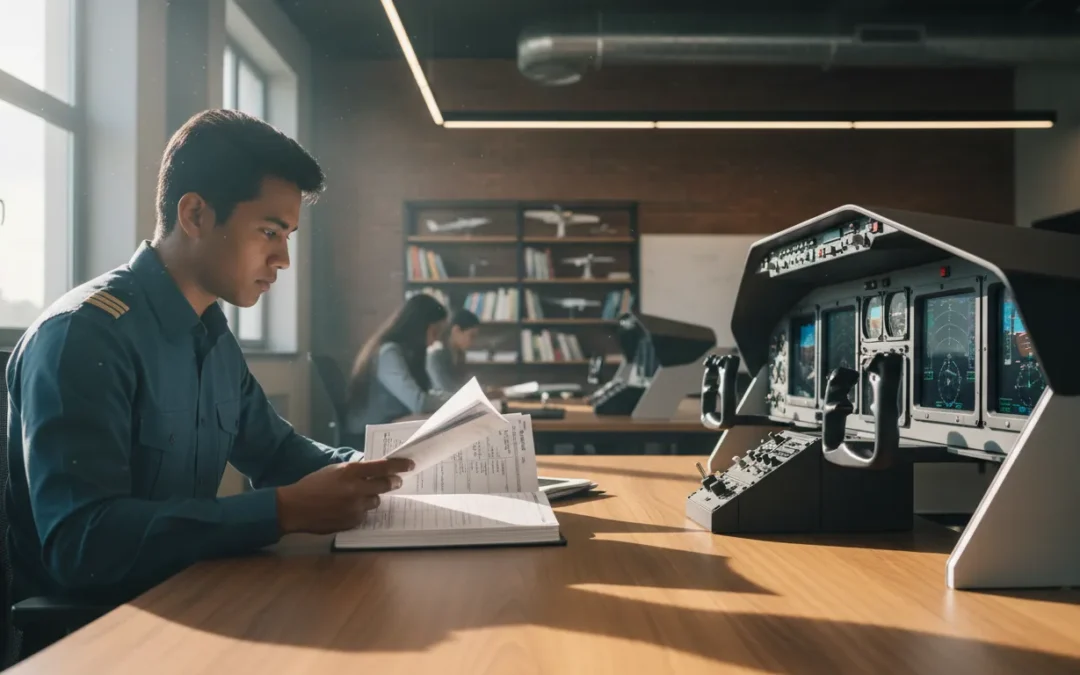
International pilots planning M-1 visa flight training USA need more than a training date and a flight itinerary. The process starts with an SEVP-certified school, Form I-20, I-901 SEVIS fee timing, visa planning, and documents that clearly match the pilot training goal.
Have an international pilot training question? Contact Las Vegas Flight Academy about SEVP pilot training before choosing dates or booking travel.
Quick answer: M-1 visa flight training USA is the vocational student path international pilots use for eligible training at an SEVP-certified U.S. school. After acceptance, the school Designated School Official can issue Form I-20. The student then pays the I-901 SEVIS fee, applies for the M-1 visa, prepares for the visa interview, and seeks admission at the U.S. port of entry. LVFA asks international students to contact its DSO at least 60 days before the intended program start date.
This guide explains the high-level sequence, the documents pilots should prepare, where SEVP pilot training questions usually arise, and when to contact LVFA. It is educational content, not legal advice. Immigration decisions depend on the applicant, the program, the consulate, and current government rules.
M-1 visa flight training USA: what pilots need to know first
M-1 status is designed for vocational or nonacademic study in the United States. For pilots, that can include approved flight training at an eligible school. It is different from a tourist visit, and it is not a general permission to train anywhere or work in the United States.
The school matters because the M-1 path depends on SEVP certification. A prospective student first applies to an approved school and program. If accepted, the school’s Designated School Official, often called the DSO, can issue Form I-20 for the specific course of study.
That sequence is important. A pilot should not assume that a visa can be handled after arrival, or that a flight training booking alone is enough. The Form I-20, SEVIS ID, fee receipt, and visa application details must align.
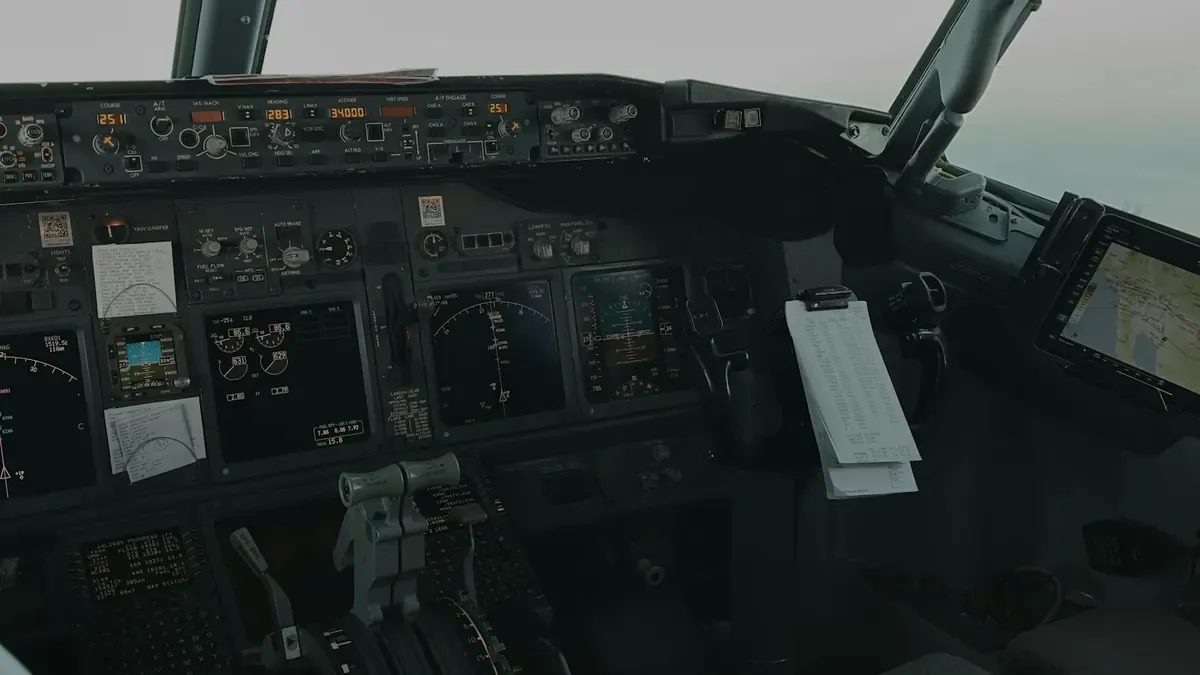
Las Vegas Flight Academy is an FAA Part 142 training center and maintains SEVP certification for international student training. Prospective students can begin with LVFA’s SEVP international student services page, then contact the school before selecting travel dates.
Why SEVP certification matters
The Student and Exchange Visitor Program manages school certification and student records for F, M, and J nonimmigrant categories. For M-1 flight training, SEVP certification allows an eligible school to enroll international students and create the Form I-20 record needed for the visa process.
That does not mean the school can guarantee a visa or admission to the United States. A visa is issued through the U.S. Department of State, and admission is decided by U.S. Customs and Border Protection at the port of entry. The school’s role is to manage the training program and student record correctly.
How the SEVP pilot training path works
The SEVP pilot training path is a sequence, not a single application. Pilots should treat it like a checklist with dependencies. Each step affects the next one, and errors in names, dates, or SEVIS numbers can slow the process.
-
Choose an eligible training program. Confirm that the school can support international students for the course you want. For LVFA, start with flight training for international students.
-
Apply to the school. Submit the materials the school requests. Be ready to explain your current certificates, flight experience, training objective, and timing.
-
Receive acceptance and Form I-20. If accepted, the DSO issues Form I-20. Review the spelling of your name, date of birth, program dates, school information, and SEVIS ID.
-
Pay the I-901 SEVIS fee. Pay the fee after Form I-20 is issued. The SEVIS ID on the receipt should match the SEVIS ID on Form I-20.
-
Apply for the M-1 visa. Follow the instructions from the U.S. embassy or consulate that handles your case. Bring records that support your purpose, funding, and return plans.
-
Coordinate travel and arrival. A visa allows travel to request admission. It does not guarantee entry. Keep school records, visa documents, and training details available when you travel.
The official SEVP student guidance explains the federal student record framework. Pilots should also review instructions from the embassy or consulate where they apply.
Mid-planning checkpoint: If your training date, I-20 date, or travel plan is uncertain, ask LVFA’s international student team what must be in place before you proceed.
Where TSA clearance can enter the plan
Some flight training activities may require security review or training clearance before instruction begins. The correct requirement depends on the type of training and the student’s circumstances. Do not leave this question for the week of arrival.
Ask the school which security, identity, or training authorization steps apply to your course. Keep those timelines separate from the visa timeline, then make sure both timelines support the same training start date.
What documents should international pilots prepare?
Documentation is where many preventable delays begin. The school may request one set of records for admission and Form I-20. The consulate may request additional records for the visa interview. A training clearance process may request its own identity or training documents.
Use the following list as a preparation guide, not a guarantee of what any agency will require:
-
Valid passport with enough validity for travel and training plans.
-
Completed school application and program selection.
-
Evidence of prior flight training, pilot certificates, ratings, logbook totals, or licenses.
-
Financial documents showing how the course and living expenses will be covered.
-
Contact information and address records that match the application.
-
Form I-20 after school acceptance.
-
I-901 SEVIS fee receipt with the correct SEVIS ID.
-
Visa appointment confirmation and DS-160 confirmation page, if applicable to the current process.
-
Training purpose statement that explains why the U.S. program fits your career path.
Keep names consistent across every document. If a passport uses multiple surnames, initials, or a different spelling order, ask the DSO how the school record should be entered. Small inconsistencies can create large administrative problems later.
Questions to ask before Form I-20 is issued
Before the school issues Form I-20, ask which course dates are realistic, what tuition or deposit steps apply, and whether any additional approvals are needed before training. Also ask whether the school needs translated documents or certified copies.
For LVFA, international pilots should also confirm whether their goal fits ATP-CTP training, Boeing 737 training, or another advanced training route. The visa path should match the actual training purpose.
M-1 vs. F-1 flight training: which visa fits your goal?
Many pilots search for student visa information and see both F-1 and M-1 categories. The difference matters. M-1 is generally tied to vocational or technical training. F-1 is generally tied to academic study at approved schools.
| Question | M-1 flight training | F-1 academic study |
|---|---|---|
| Primary purpose | Vocational or technical training | Academic study |
| Common pilot use | Eligible flight training programs | Degree or academic programs at approved institutions |
| School document | Form I-20 from an SEVP-certified school | Form I-20 from an SEVP-certified school |
| Work expectations | Strictly limited and not a general work route | May have different academic training options, subject to rules |
| Best next step | Ask the school DSO whether the flight program supports M-1 status | Ask the academic institution’s international office |
The right category is not based on preference alone. It depends on the school, the program, and the applicant’s purpose. For aviation students, the safest first question is simple: does this exact training program support M-1 enrollment?
If you are comparing simulator-based training, type rating training, or ATP-CTP preparation, ask LVFA which programs can support international student processing. Pilots interested in Boeing training can also review LVFA’s Boeing 737 type rating information.
How LVFA supports international pilot inquiries
Las Vegas Flight Academy is built for advanced pilot training rather than basic discovery flights. The academy operates as an FAA Part 142 training center with Level D Boeing 737-800 full flight simulator capability. That matters for international pilots who need structured, professional training in a focused environment.
LVFA’s international student process begins before travel. The school asks international students to contact the Designated School Official at least 60 days before the intended program start date. This gives both the student and the school time to review the training goal, document needs, and scheduling limits.
What LVFA can help clarify
-
Whether the requested training path fits the school’s international student process.
-
What information is needed before Form I-20 can be reviewed or issued.
-
How the training date should be coordinated with visa and SEVIS timing.
-
Which LVFA pages or contacts apply to the student’s course objective.
-
What the student should confirm with official government sources.
LVFA cannot promise a visa outcome, provide legal advice, or override government requirements. What it can do is help prospective students understand the school’s process and avoid training-date assumptions that conflict with visa timing.
Ready to ask a program-specific question? Use LVFA’s SEVP contact path and include your target course, current pilot qualifications, citizenship, and preferred training window.
Common timing and compliance mistakes to avoid
The biggest M-1 visa flight training USA mistakes usually come from rushing. International pilots often focus on flight schedules and airline goals, then underestimate the administrative sequence that must happen first.
Booking travel before documents are aligned
Do not book nonrefundable travel before the school confirms what is realistic. Your Form I-20 dates, visa appointment timing, training clearance questions, and class availability should support the same plan.
Confusing visa approval with U.S. admission
A visa allows a traveler to request admission to the United States. It does not guarantee entry. Bring the records that explain your purpose and keep the school contact information available during travel.
Using inconsistent records
Names, dates, addresses, course titles, and SEVIS IDs should match. If something is wrong on Form I-20 or the SEVIS fee receipt, ask for help before moving to the next step.
Assuming M-1 status allows work
M-1 status is for study, not general employment. Do not make job plans based on assumptions. Review official guidance and ask qualified immigration counsel if your plans include any work-related question.
Waiting too long to contact the DSO
LVFA asks international students to make contact at least 60 days before the program start date. Earlier is better when embassy appointments, document review, or training clearance questions are unpredictable.
Frequently Asked Questions
These answers summarize common SEVP pilot training questions for international students. Requirements can change, so use them as preparation points and confirm details with the school DSO and official government sources.
What are the financial requirements for an M-1 visa for flight school?
Applicants should be ready to document that they can pay for the approved course of study and related living costs. The exact records may vary by school and consulate. Ask the DSO which current bank letters, sponsor documents, or other funding records are needed before Form I-20 is issued.
How long does the M-1 visa process take for flight training?
The timeline depends on school review, Form I-20 issuance, I-901 SEVIS fee payment, embassy appointment availability, and any training clearance requirements. LVFA asks international students to contact the DSO at least 60 days before the program start date, but earlier contact is often safer.
Can I work in the United States after completing M-1 visa flight training?
M-1 status is for vocational study and carries strict work limits. It should not be treated as a general U.S. employment path. If your plans include work, practical training, airline hiring, or a future status change, review official guidance and speak with qualified immigration counsel.
What should I expect during an M-1 visa interview for pilot training?
A consular officer may ask about your training purpose, funding, current pilot qualifications, ties to your home country, and plans after training. Bring documents that match your Form I-20 and SEVIS record. Answer clearly and avoid overstating what the visa category allows.
Ready to Plan Your M-1 Visa Flight Training?
International pilot training works best when the school conversation starts early. If you are evaluating M-1 visa flight training USA options, gather your pilot records, identify your target training program, and contact LVFA before choosing final travel dates.
Contact Las Vegas Flight Academy about SEVP pilot training to ask what documents and timing details should be reviewed for your international pilot inquiry.