Flying a modern jetliner like a Boeing 737 requires a level of skill that can’t be learned solely in the air. That’s where advanced flight simulators come in, providing a safe and controlled environment to master complex systems and emergency procedures. The FAA has a specific set of rules that govern the schools providing this high-tech instruction. This brings us to the central question: what is Part 142? It is the federal regulation that outlines the standards for certified training centers that rely heavily on simulators for advanced courses like type ratings and the Airline Transport Pilot Certification Training Program (ATP-CTP). This guide explains how this simulator-focused approach works and why it’s the most effective way to prepare for the flight deck.
Key Takeaways
- Understand its purpose: Part 142 training is for career-focused pilots who need advanced certifications, like type ratings or the ATP-CTP, not for those just starting their flight journey.
- Embrace simulator training: The core of Part 142 is its use of advanced simulators, which allow you to safely master complex aircraft systems and practice emergency procedures in a realistic, controlled setting.
- Recognize the quality guarantee: An FAA Part 142 certification means the school is held to the highest standards, ensuring your curriculum, instructors, and equipment are all approved and consistently inspected for excellence.
What is 14 CFR Part 142?
As you advance your career as a pilot, you’ll frequently encounter the term “Part 142.” So, what does it actually mean for you and your training? In simple terms, 14 CFR Part 142 is a specific set of regulations from the Federal Aviation Administration (FAA) that governs certified training centers. These aren’t your typical flight schools; Part 142 centers are designed for advanced training, often focusing on airline-style operations, type ratings, and proficiency checks.
This certification is a mark of quality and standardization. It means a training center has met the FAA’s highest standards for curriculum, instructors, equipment, and facilities. For pilots, choosing a Part 142 center means you’re stepping into a structured, FAA-approved environment where every detail is geared toward helping you master complex aircraft and procedures safely and efficiently. It’s the gold standard for professional pilot development, ensuring you get the focused, high-caliber instruction needed to take your skills to the next level.
The Official Definition and Framework
Let’s look at the official side of things. Think of 14 CFR Part 142 as the FAA’s comprehensive rulebook for advanced training centers. This regulation outlines the exact requirements these centers must follow to earn and maintain their certification. The rules are incredibly detailed, covering everything from general operations and personnel to the specifics of training curriculums and record-keeping.
The framework ensures consistency and quality across the board. It specifies how training programs must be designed, how instructors must be qualified, and what standards the flight simulators and other training devices must meet. This structured approach guarantees that every pilot receives a consistent, high-quality training experience that is fully documented and approved by the FAA.
The FAA’s Role and Oversight
A Part 142 certificate isn’t just a one-time approval; it signifies ongoing and rigorous oversight from the FAA. The administration plays a very active role in ensuring these centers maintain the highest standards. Before a center can even open its doors, the FAA must carefully approve all its training programs, courseware, and equipment, including advanced flight simulators.
This oversight continues long after the initial certification. The FAA conducts regular inspections and audits to ensure the center consistently adheres to its approved programs and safety protocols. As a premier Boeing 737 West Coast FAA Approved Part 142 Training Center, Las Vegas Flight Academy operates under these strict guidelines. This commitment ensures that pilots training with us receive instruction that is not only effective but also fully compliant with the industry’s most demanding safety and quality standards.
What Kind of Training Happens Under Part 142?
Part 142 isn’t for initial flight training; it’s where professional pilots go to sharpen their skills and earn advanced qualifications. The training is highly specialized, focusing on the kind of complex aircraft and operations found at major airlines. Because these centers are FAA-approved, you can trust that the curriculum, instructors, and equipment meet the highest standards. The programs are designed to prepare you for real-world challenges in a controlled environment. Let’s look at the specific types of training you’ll find at a Part 142 center.
Advanced Flight Simulator Training
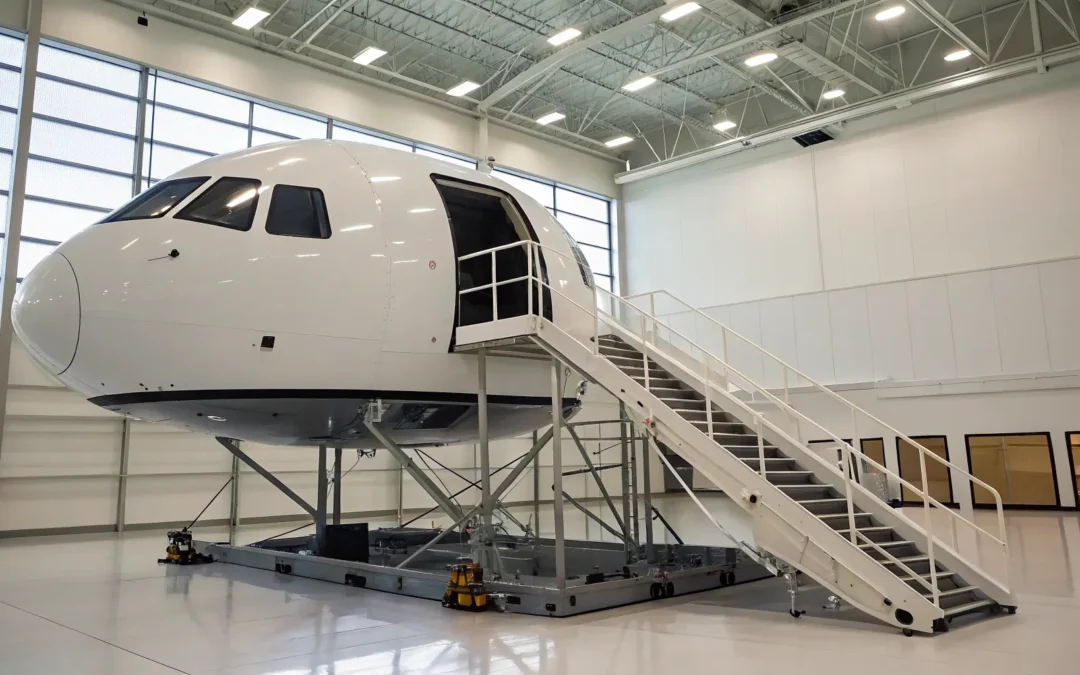
This is the core of Part 142 training. Instead of logging all your hours in an actual aircraft, you’ll spend significant time in full flight simulators (FFS). These aren’t desktop games; they are Level-D devices that replicate the cockpit and flight dynamics of a specific aircraft with incredible accuracy. At Las Vegas Flight Academy, we train on Boeing 737 Level-D simulators, allowing pilots to practice everything from normal procedures to complex emergencies in a safe, controlled setting. This technology is essential for mastering an aircraft before you ever step into the real cockpit.
Type Rating Programs
If you want to fly a large aircraft like a Boeing 737, you need a type rating on your pilot certificate. This certification proves you’re proficient in that specific model. Part 142 training centers are the primary providers of these programs. The curriculum combines ground school with intensive simulator sessions to get you comfortable with the aircraft’s systems, performance, and handling characteristics. Completing a B737 Type Rating program opens the door to airline careers and demonstrates a high level of professional competence.
ATP-CTP Certification Courses
Before you can take the Airline Transport Pilot (ATP) knowledge test, you must complete an Airline Transport Pilot Certification Training Program (ATP-CTP). This course is a mandatory prerequisite and is only offered at Part 142 centers. The program covers aerodynamics, automation, adverse weather conditions, and air carrier operations. It includes both academic instruction and time in a simulator to bridge the gap between theory and practice. Our 6-day ATP-CTP course is designed to efficiently prepare you for the next step in your airline career without requiring any actual aircraft time.
Recurrent and Proficiency Training
A pilot’s license is a license to learn, and staying sharp is a career-long commitment. Airlines and corporate flight departments require their pilots to complete regular recurrent training to maintain proficiency. Part 142 centers provide this essential service, offering structured programs that review procedures, practice emergency scenarios, and cover any new regulations or operational changes. This ongoing training ensures pilots remain current and confident in their skills. It’s a critical part of maintaining the highest safety standards in the aviation industry.
Crew Resource Management (CRM) Training
Flying a modern airliner is a team effort. Crew Resource Management (CRM) training is designed to improve communication, teamwork, and decision-making in the cockpit. It focuses on how pilots, flight attendants, and dispatchers work together to manage a flight safely and efficiently. Rather than being a separate class, CRM principles are woven into every aspect of simulator training. You’ll learn how to manage workloads, resolve conflicts, and use all available resources to handle any situation that arises. This training is fundamental to the culture of safety at every major airline.
Part 142 vs. Part 141: What’s the Difference?
When you’re mapping out your pilot career, you’ll often hear about Part 141 and Part 142 flight schools. While both operate under the FAA’s strict oversight, they serve very different purposes. Think of it this way: Part 141 schools are excellent for building your foundational skills, like earning your private pilot license. Part 142 training centers, on the other hand, are where you go to specialize and master the complex aircraft that define a professional airline career. One isn’t better than the other; they are simply different stages of a pilot’s journey. Understanding which one you need at your current stage is key to making the right training decisions.
Key Differences in Training Methods
The most significant difference between these two pathways lies in their training approach. Part 141 schools follow a highly structured curriculum that integrates ground school with extensive in-air training in single or multi-engine aircraft. This method is perfect for learning the fundamentals of flight from the ground up. In contrast, Part 142 training centers specialize in advanced qualifications. While they also use FAA-approved courses, the training is primarily conducted in sophisticated flight simulators. This focus allows pilots to train for specific, high-performance aircraft and practice complex procedures in a controlled environment, which is essential for advanced certifications.
Simulator-Focused vs. In-Air Training
Part 142 centers are built around simulator technology for a good reason. When you’re learning to fly a commercial jet like the Boeing 737, training in the actual aircraft is incredibly expensive and impractical. Advanced simulators perfectly replicate the cockpit and flight dynamics, allowing you to master normal operations, emergency procedures, and complex systems without ever leaving the ground. This is why Part 142 is the standard for obtaining a B737 Type Rating or completing recurrent training. It provides a safe, effective, and cost-efficient way to gain the specific skills needed to operate large, complex aircraft in the airline industry.
Flexibility and Customization Options
While Part 141 programs are known for their rigid, sequential structure, Part 142 training centers often offer more flexibility. Their programs are designed for working pilots who need to complete specific training efficiently. For example, courses like the ATP-CTP are structured in intensive, focused blocks that respect a pilot’s busy schedule. This efficiency is a major advantage for pilots who are traveling for their training. At Las Vegas Flight Academy, we’ve designed our West Coast ATP-CTP training to be a streamlined and accessible option for pilots coming from California, Arizona, Utah, and other neighboring states, allowing them to get certified and back to their careers quickly.
Comparing Regulatory Requirements
The terms “Part 141” and “Part 142” come directly from the Code of Federal Regulations. Part 141 outlines the rules for “Pilot Schools,” which focus on initial certifications. Part 142, however, governs “Training Centers.” These centers are held to a different and often more stringent set of standards, particularly regarding the fidelity of their flight simulators, the qualifications of their instructors, and their quality management systems. Becoming an FAA Part 142 Certified training center is a rigorous process that guarantees the highest level of instruction for advanced pilot training, ensuring that every graduate meets the demanding standards of the airline industry.
What Does It Take to Become a Part 142 Center?
Earning a Part 142 certification from the FAA is no small feat. It’s a rigorous, demanding process designed to ensure that a training center meets the highest possible standards for safety, quality, and effectiveness. This certification isn’t just a piece of paper; it’s a testament to a deep commitment to excellence in pilot training. For you, the pilot, it’s a guarantee that you’re receiving instruction that is structured, verified, and held to an exacting federal standard. Let’s walk through what it takes for a flight school to achieve and maintain this elite status.
The FAA Application and Approval Process
First, an organization must submit a detailed application to the FAA. This isn’t a simple form. The application must prove that every aspect of the proposed training center complies with specific federal regulations. The FAA then conducts an exhaustive review of the training programs, curriculum, facilities, and equipment. They scrutinize every detail to confirm that the center can provide the structured, high-caliber training that Part 142 demands. This certification isn’t just handed out; it’s earned through a meticulous FAA approval process that leaves no stone unturned, ensuring the school is ready to train pilots to the highest level of proficiency.
High Standards for Facilities and Equipment
Part 142 centers are required to have top-tier facilities and equipment. This means using FAA-approved training devices that provide incredibly realistic scenarios. For example, training for a Boeing 737 Type Rating must be conducted in advanced simulators, like Level D full flight simulators, that perfectly mimic the experience of flying the actual aircraft. These facilities must also adhere to strict safety and operational standards. All equipment undergoes regular inspections and maintenance to ensure it’s always in perfect working order. This focus on high-quality tools means you get to train in an environment that is as close to the real thing as possible.
Strict Qualifications for Instructors
The instructors at a Part 142 center are held to an equally high standard. They must meet stringent qualifications, which include holding specific certifications and having significant real-world experience in the aircraft type they teach. It’s not enough for them to be great pilots; they have to be exceptional teachers. To ensure they stay at the top of their game, instructors are required to complete regular training and evaluations. This process confirms they have the skills and knowledge needed to provide effective, modern instruction. You can feel confident knowing the team of seasoned pilots guiding you are true experts in their field.
Quality Assurance and Record-Keeping
Accountability is a core principle of Part 142. Every certified center must implement a robust quality assurance program. This system continuously monitors the effectiveness of the training and ensures ongoing compliance with all FAA regulations. It’s a way of double-checking that the instruction is not only meeting the standard but also producing competent, confident pilots. Meticulous record-keeping is another key requirement. Every part of your progress in a course like the ATP CTP program is carefully documented. This creates a clear and accurate history of your training, demonstrating that all requirements have been successfully met.
Ongoing FAA Inspections
Achieving Part 142 certification is just the beginning. To maintain it, a training center must consistently uphold the FAA’s standards. The FAA conducts regular, unannounced inspections to ensure that compliance is a continuous practice, not a one-time event. During these visits, inspectors assess everything from the quality of the training programs and the condition of the simulators to the qualifications of the instructors. This ongoing oversight guarantees that the center operates at the highest level day in and day out. It’s a commitment to excellence that ensures every pilot who walks through the doors of the training center receives the world-class education they expect.
Why Choose a Part 142 Training Program?
When you’re investing in your aviation career, you want to know you’re getting the highest quality instruction available. Choosing a Part 142 training center isn’t just about checking a box; it’s a strategic move that gives you access to a level of training that’s hard to find elsewhere. These programs are built around a core of FAA-approved curriculum, advanced simulator technology, and highly qualified instructors. This combination creates a focused, efficient, and incredibly effective learning environment.
For pilots aiming for the airlines or corporate flight departments, a Part 142 program offers a direct path to mastering complex aircraft systems and procedures. The training is standardized, rigorous, and designed to prepare you for the real-world demands of the flight deck. From initial type ratings to recurrent training that keeps your skills sharp, this path is all about precision, proficiency, and professionalism. Let’s look at some of the specific advantages you’ll gain.
Train for Any Scenario in a Safe Environment
One of the biggest benefits of Part 142 training is the extensive use of full-flight simulators. These aren’t video games; they are sophisticated devices that replicate the cockpit and flight dynamics of an aircraft with incredible accuracy. This technology allows you to practice maneuvers and emergency procedures that would be far too dangerous to attempt in a real plane. Simulators give you a space where you can learn from mistakes and push your limits without any real-world consequences. You can experience an engine failure on takeoff, a cabin depressurization, or a complete electrical failure, all while safely on the ground. This builds the kind of confidence that only comes from hands-on experience.
Get More Value from Your Training Budget
Time is money, especially in aviation. Part 142 programs are designed for maximum efficiency, which helps you get more from your training investment. Because so much of the curriculum is completed in a simulator, you save significantly on the costs associated with flying a real aircraft, like fuel, maintenance, and wear and tear. The training is also highly structured, meaning every lesson has a clear objective and your time is never wasted. This focused approach allows you to master complex skills in a condensed timeframe, getting you back to your career faster. Programs like the ATP CTP course are built to deliver essential knowledge and certification efficiently, respecting both your schedule and your budget.
Master Emergency Procedures with Confidence
When an emergency happens at 30,000 feet, you don’t have time to consult a manual. Your reactions need to be immediate and correct. Part 142 training is designed to build that instinct. Instructors will repeatedly expose you to a wide range of challenging scenarios, from system malfunctions to severe weather encounters. This type of repetitive, high-stress training helps you develop the muscle memory and clear thinking needed to handle tough situations calmly and effectively. By practicing these procedures over and over in the simulator, you’ll be prepared to act with confidence if you ever face them in the real world.
Access the Most Advanced Simulator Technology
Part 142 training centers are required by the FAA to use certified, high-fidelity simulators. This means you’ll be training on the most advanced technology available, providing a truly immersive experience. At Las Vegas Flight Academy, we are the only West Coast ATP-CTP provider with multiple Level-D Boeing 737 full-flight simulators. These top-tier devices feature realistic motion, sound, and visuals that make you feel like you’re actually in the cockpit. Training on this level of equipment ensures that the skills you learn in the simulator transfer seamlessly to the actual aircraft, giving you a significant advantage as you advance in your career.
Benefit from Potential Insurance Advantages
The quality of your training is recognized by more than just the FAA. Aviation insurance companies also understand the high standards of Part 142 programs. Pilots who complete their training at a certified center are often seen as a lower risk, which can lead to lower insurance premiums. For some high-performance or turbine aircraft, completing a formal Part 142 training program may even be a requirement to get insured at all. This benefit not only saves you money but also adds another layer of professional credibility to your pilot certificate, showing that you’ve committed to the industry’s highest standards of safety and proficiency.
Who is Part 142 Training For?
Part 142 training isn’t for the pilot just starting their journey. Instead, it’s designed for aviators at a pivotal point in their careers. This advanced training is the bridge between holding a commercial pilot license and sitting in the right seat of a jet airliner. It’s for the dedicated pilot ready to master complex aircraft, the international student seeking world-class certification, and any professional who wants to reach the highest levels of the aviation industry. If you have your sights set on a specific career path, a Part 142 program provides the focused, specialized training you need to get there.
Requirements for Professional Pilots
If your goal is to fly for a major airline or a corporate flight department, Part 142 training is a critical step. This is where you go beyond general aviation and learn to operate a specific large aircraft. These programs are heavily focused on advanced flight simulators, allowing you to gain proficiency in a controlled environment. This is the standard pathway for earning a B737 Type Rating, which certifies you to fly one of the most popular airliners in the world. This training is for pilots who have already built a solid foundation and are ready to specialize. It’s about moving from being a pilot to being an aircraft systems expert.
A Pathway for International Students
Aviation is a global industry, and an FAA certificate is respected worldwide. Part 142 training centers offer a clear pathway for international students to earn these valuable credentials. As an international student, you can enroll in programs like the ATP-CTP course, which is a prerequisite for the Airline Transport Pilot certificate. Training centers like ours are authorized to help you through the required government approvals, including the SEVP process for student visas. By choosing an FAA-approved school, you ensure your training meets an internationally recognized standard of excellence, opening up career opportunities both in the U.S. and back home.
How It Can Advance Your Aviation Career
Completing a Part 142 program is a powerful signal to potential employers. It shows you’ve been trained under a curriculum meticulously approved by the FAA and are committed to the highest standards of safety and professionalism. This level of training can also have practical financial benefits, as some insurance providers may offer lower premiums to pilots who have completed Part 142 recurrent training. Ultimately, this certification makes you a more competitive and competent candidate. It’s the kind of credential that helps your resume stand out and proves you have the skills to handle the demands of flying sophisticated, multi-crew aircraft.
Debunking Common Myths About Part 142 Training
When you’re planning the next step in your aviation career, you’ll hear a lot of opinions about different training paths. Part 142 programs, in particular, are often misunderstood. It’s easy to get caught up in chatter that doesn’t quite capture the full picture. These programs are specialized, highly regulated, and designed for a specific purpose: to provide advanced, standardized training for professional pilots. Let’s clear the air and look at some of the most common myths surrounding Part 142 training centers. By separating fact from fiction, you can make a more informed decision about whether this path is the right fit for your goals. We’ll break down the four biggest misconceptions so you can see the true value of this training framework.
Myth: It’s Only Simulator Training
One of the most persistent myths is that Part 142 training happens exclusively in a simulator. While it’s true that these programs make extensive use of advanced flight simulators, they are far from the only component. A Part 142 curriculum is a complete package that includes rigorous ground school instruction to build your theoretical knowledge. The simulator is a powerful tool, especially for advanced training like a B737 Type Rating, where you can practice complex procedures and emergencies safely. However, it’s part of a blended learning environment designed to produce well-rounded, competent pilots, not just simulator operators.
Myth: It’s Always More Expensive
The sticker price for a Part 142 program can sometimes seem higher than other options, leading people to believe it’s the most expensive route. This view often overlooks the long-term financial benefits. Because the training is so standardized and thorough, completing a Part 142 course can actually lead to lower insurance costs once you’re flying. For certain high-performance aircraft, insurers may even require this type of training. Think of it as an investment. The focused, efficient nature of the training can also mean you complete your certification faster, saving you money and getting you into your career sooner.
Myth: The Curriculum is Rigid
Because Part 142 programs operate under strict FAA approval, some pilots assume the curriculum is completely inflexible. While these programs follow a structured, FAA-approved syllabus to ensure consistency and quality, that doesn’t mean they are one-size-fits-all. The framework allows for training to be adapted to meet specific student needs and objectives. This structure ensures every pilot meets a high standard, but instructors can still focus on areas where you might need extra attention. The goal is to create a proficient pilot, and the approved courses are designed with enough built-in flexibility to achieve that.
Myth: The Technology Isn’t Realistic
There’s a lingering misconception that flight simulators are just sophisticated video games. This couldn’t be further from the truth, especially at a Part 142 center. These facilities are required to use state-of-the-art equipment that provides an incredibly realistic experience. For example, our ATP-CTP course utilizes Level-D full-flight simulators, the highest level of certification, which replicate the aircraft’s flight characteristics, cockpit environment, and sensory inputs with stunning accuracy. This technology allows you to train for scenarios you hope to never face in the real world, building muscle memory and decision-making skills in a controlled setting.
How Part 142 Certification Guarantees Quality Training
When you see that a flight school is Part 142 certified, it’s more than just a label. It’s a seal of approval from the FAA that signifies a commitment to the highest standards of pilot training. This certification isn’t easy to get or maintain, and it directly translates into a better, safer, and more effective learning experience for you. The rigorous oversight means every aspect of your training, from the curriculum to the instructors, is designed to prepare you for the realities of the flight deck. Let’s break down exactly what this guarantee of quality means in practice.
FAA-Approved, Structured Curriculums
A Part 142 training center can’t just create a course on the fly. Every single training program must follow a strict set of federal regulations and receive explicit approval from the FAA. This process ensures the curriculum is comprehensive, logically structured, and completely up-to-date with the latest industry practices and safety protocols. You can be confident that the material you’re learning is not only relevant but also meets the highest standards set by the governing body of aviation. This structured approach eliminates guesswork and ensures you cover every critical skill needed for your certification.
Consistent Facility and Program Inspections
Achieving Part 142 certification is just the beginning. To maintain it, training centers are subject to regular and thorough FAA inspections. These aren’t just quick check-ins; officials review everything from the condition of the flight simulators and classroom facilities to the content and delivery of the training programs themselves. This consistent oversight ensures the school continuously upholds the FAA’s demanding requirements. For you as a student, this means the quality you experience on day one will be the same high standard you can expect throughout your entire program.
High Standards for Every Instructor
The instructors at a Part 142 center are held to an incredibly high bar. They are not only seasoned pilots but also skilled educators who have been thoroughly vetted and trained to handle complex training scenarios. A huge part of their job is to prepare you for the unexpected by simulating emergencies like engine failures, hydraulic system issues, or sudden weather changes. Their expertise in creating a challenging yet controlled learning environment is what helps you build the confidence and muscle memory to manage real-world situations calmly and effectively.
Monitoring for Real-World Effectiveness
The quality of Part 142 training is recognized far beyond the classroom. The skills and proficiency you gain are so valued that they can have tangible benefits in your career, such as potentially lower insurance costs for aircraft. Some insurance providers even require pilots to complete Part 142 recurrent training to qualify for coverage on certain aircraft. This industry-wide recognition underscores the real-world value of this certification. It’s proof that the training doesn’t just help you pass a test; it makes you a safer, more competent pilot.
How to Choose the Right Part 142 Training Center
Selecting a Part 142 training center is a major step in your aviation career. To make a confident decision, you need to look beyond the brochure and evaluate a few key areas. This simple checklist will help you find a training partner that fits your goals and sets you up for success.
Verify Their FAA Certification
First, confirm any center you consider is FAA-certified. This isn’t just a formality; it’s a guarantee that the facility, instructors, and curriculum meet the highest standards for safety and quality. This oversight ensures your training is effective and recognized by airlines. A premier Boeing 737 West Coast FAA Approved Part 142 Training Center demonstrates this commitment to federal standards. Always ask to see their certification.
Look for Program Specializations
Every pilot has a unique career path, so find a center that specializes in what you need. Are you aiming for an airline career and need your ATP-CTP, or are you seeking a specific type rating? Some centers offer a broad range of courses, while others focus on a niche. Finding a school with a trusted ATP-CTP program can make a huge difference for aspiring airline pilots. Aligning the center’s expertise with your goals ensures your investment pays off.
Consider Location and Accessibility
You’ll spend a lot of time at your training center, so location matters. Consider travel ease and what the area offers. A convenient location reduces stress, while good amenities make downtime more enjoyable. Training is intense, and having opportunities to relax is important for performance. Choosing a center in a world-class city like Las Vegas means you’ll have endless entertainment and dining options, making your training experience both productive and memorable.
Ask About Class Size and Instruction Quality
The quality of your training often comes down to the attention you receive. This is where class size plays a huge role. In smaller classes, you get more direct interaction with instructors, allowing you to ask questions and get personalized feedback. Before enrolling, ask about the student-to-instructor ratio. A center that prioritizes small class sizes and personalized instruction is invested in your success. This approach ensures you get the dedicated support needed to excel.
Related Articles
- United States FAA 142 School Archives – Las Vegas Flight Academy
- FAA Part 142 Flight School in Las Vegas | Las Vegas Flight Academy
- 8 Best Aviation Schools in USA for International Students – Las Vegas Flight Academy
- FAA Approved Flight School & Pilot Training Academy in Las Vegas USA
- Boeing 737 Type Rating | West Coast Part 142 Training | Las Vegas Flight Academy
Frequently Asked Questions
What’s the simplest way to understand the difference between Part 141 and Part 142? Think of it like this: Part 141 schools are where you build your foundation, learning the fundamentals to earn your private and commercial pilot licenses. Part 142 training centers are where you go to specialize for a professional career. This is where you master a specific, complex aircraft, like a Boeing 737, primarily using advanced flight simulators to prepare for an airline or corporate job.
Is Part 142 training only for pilots who want to fly for major airlines? While it is the standard path for airline pilots, Part 142 training is essential for anyone who operates complex aircraft. This includes corporate and charter pilots who need type ratings or want to complete recurrent training to stay sharp. The training focuses on mastering a specific aircraft and its systems, a skill set that is valuable across many sectors of professional aviation.
Why is so much of the training done in a simulator instead of a real aircraft? Using simulators is safer, more efficient, and incredibly effective for advanced training. It allows instructors to safely replicate and repeat emergency scenarios, such as engine failures or hydraulic malfunctions, that would be far too dangerous to practice in a real jet. This method also significantly reduces costs related to fuel and maintenance, which makes this high-level training more accessible.
Do I need to complete Part 141 training before I can enroll in a Part 142 program? You don’t have to come from a Part 141 school specifically, but you absolutely need the required foundational licenses and flight hours before starting a Part 142 course. These centers are for advanced qualifications, so you must have your earlier certifications, like a commercial pilot license, completed before you can enroll in a program like the ATP-CTP or a type rating course.
How can I be sure a training center is actually Part 142 certified? A legitimate Part 142 center will be transparent about its certification. You can always ask to see their official FAA Training Center Certificate, which is often displayed at their facility. You can also verify their status through the FAA’s public databases online. A reputable school will have no problem providing this proof, so don’t hesitate to ask for it.