Let’s get straight to it: a B737-800 type rating is a serious investment, and you deserve to know exactly where your money is going. When you start researching programs, you’ll see a wide spectrum of prices, which can be confusing. The complete boeing 737 800 type rating cost is influenced by everything from the school’s FAA certification to the specific curriculum inclusions. This article is your financial co-pilot. We will break down the costs of ground school, simulator hours, and checkride fees, and we’ll also cover smart ways to pay for your training, including aviation loans and potential discounts, so you can plan your budget with confidence.
Key Takeaways
- Focus on Your Career Goals: Earning a B737-800 type rating directly qualifies you to fly one of the most common aircraft in airline fleets, making you a more competitive candidate for top pilot jobs.
- Look Beyond the Price Tag: When comparing programs, evaluate the true value by considering key factors like FAA Part 142 certification, simulator quality, and location, as these elements greatly impact the quality of your training.
- Prepare for Success: Before you enroll, confirm you meet all prerequisites, such as completing an ATP-CTP course and holding a current medical certificate, and research financing options early to make the investment manageable.
What Is a Boeing 737-800 Type Rating?
Think of a type rating as a specialized license for a specific kind of aircraft. Just as you need a motorcycle endorsement on your driver’s license to ride a bike, you need a type rating to act as pilot in command of a large or complex aircraft. The FAA mandates this certification for any aircraft with a maximum takeoff weight of over 12,500 pounds or any turbojet-powered aircraft. The Boeing 737-800 certainly fits that description.
Getting a B737-800 type rating means you’ve completed an intensive, FAA-approved training program that proves your proficiency in that specific aircraft. This isn’t just about general flying skills; it’s about mastering the B737-800’s unique systems, emergency procedures, and flight characteristics. The training dives deep into everything from the flight management computer to hydraulic systems and engine-out scenarios. It’s a rigorous process that combines classroom instruction with hands-on simulator sessions, culminating in a practical test known as a checkride. Earning this rating is a major milestone that tells airlines you have the specific skills needed to safely operate one of the most popular commercial jets in the sky. Our B737 Type Rating program is designed to get you there efficiently.
Why You Need a Type Rating
So, why focus on the B737 specifically? It comes down to opportunity. The Boeing 737 family is one of the most successful and widely used airliners in history. Major airlines and cargo carriers around the globe rely on this aircraft as the backbone of their fleets. When you earn a B737 type rating, you instantly become a more attractive candidate for these companies.
It signals to hiring managers that you can step into the right seat of their most common aircraft with a shorter transition time, saving them time and money on training. It’s a direct investment in your career that opens doors to more job prospects and demonstrates your commitment to becoming a professional airline pilot. It’s less about just getting a license and more about getting the right license for the current job market.
A Look at the B737-800
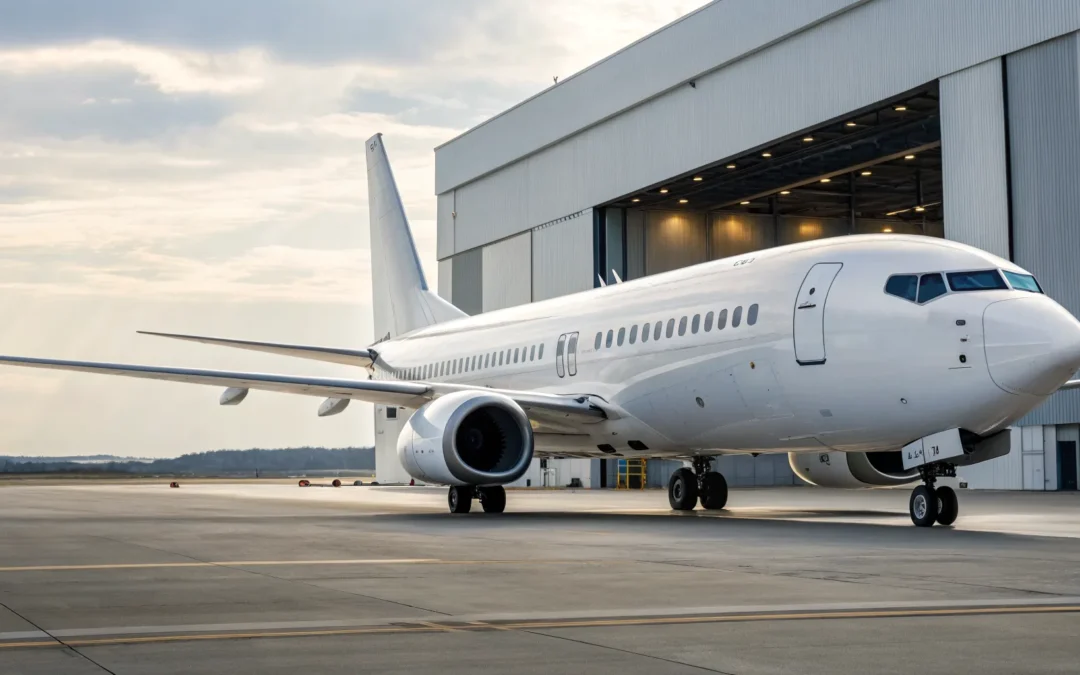
The B737-800 is a key member of Boeing’s “Next Generation” (NG) series, and it’s a fantastic aircraft to build your career on. Known for its reliability, fuel efficiency, and advanced avionics, the B737-800 is a favorite among pilots and airlines alike. It features a modern glass cockpit that prepares you for the flight decks you’ll find at major carriers.
The training to master this aircraft is comprehensive and challenging. You can expect to spend several weeks immersed in intensive ground school, where you’ll learn every system inside and out. This is followed by many hours in a full-motion simulator, practicing normal operations, handling malfunctions, and flying in various weather conditions. This hands-on experience is critical for building the confidence and competence required to pass your checkride and safely fly the real thing.
How Much Does a B737-800 Type Rating Cost?
Investing in a B737-800 type rating is a significant step in your aviation career, and one of the first questions on every pilot’s mind is about the price. The total cost can vary quite a bit, generally ranging from around $12,000 to over $30,000. This isn’t a random number; it’s a comprehensive figure that covers the intensive, specialized training required to safely operate a complex aircraft like the Boeing 737.
The final price depends on several factors, including the flight school’s location, the quality of its simulators, and the structure of the course. Think of it less as a single purchase and more as a package of services, each with its own associated cost. Understanding what goes into the total price helps you compare programs and find the best value for your investment. The key is to look for a transparent program that clearly outlines what’s included, so you can plan your budget without any surprises.
Breaking Down the Total Cost
When you see a price for a B737 type rating, it’s not just for a few hours in a simulator. The total cost is a bundle of three core components: ground school, simulator training, and the final checkride with its associated fees. Each part is a critical building block in your training. Some schools list one all-inclusive price, while others might itemize the costs. Knowing how to read the fine print and see how these elements are priced will help you make a much more informed decision about where to complete your training.
Ground School Fees
Before you ever step into the cockpit, you need to know the aircraft inside and out. That’s where ground school comes in. This portion of your training fee covers the extensive classroom instruction needed to master the B737’s complex systems, performance calculations, and operational procedures. You’ll spend days with experienced instructors, working through manuals and computer-based training modules. The ground school fee pays for the expert instruction, course materials, and the foundational knowledge you need to succeed once you get into the simulator.
Simulator Training Costs
The most significant portion of your type rating cost will almost always be the simulator training. You’ll spend many hours in a Level D Full Flight Simulator, which is an exact replica of the B737-800 cockpit with incredibly realistic motion and visuals. These machines are multi-million dollar devices that are expensive to operate and maintain. This fee covers your time in the simulator as well as one-on-one instruction from a certified flight instructor. It’s here that you’ll practice everything from normal takeoffs and landings to handling complex emergency scenarios in a completely safe environment.
Checkride and Exam Fees
The final step to earning your type rating is the checkride, which is your practical exam. This fee covers the cost of the examiner’s time and the use of the simulator for the test itself. An FAA-designated examiner will conduct an oral exam followed by a flight evaluation in the simulator, where you’ll have to demonstrate your proficiency and knowledge of the aircraft. Passing this checkride is the culmination of all your training, and this fee ensures you have a certified professional to validate your skills. You can review the official Airman Certification Standards to get a better idea of what the FAA expects.
What Factors Influence the Cost?
When you start shopping for a B737-800 type rating, you’ll notice that prices can vary quite a bit from one flight school to another. This isn’t random; several key factors contribute to the final cost. The school’s reputation, its location, the quality of its simulators, and the specifics of the course curriculum all play a significant role in the price you’ll pay. Understanding these elements will help you look beyond the sticker price and evaluate the true value of a training program. A cheaper option might have hidden costs or offer a lower quality of instruction, while a more expensive program could provide a more comprehensive and valuable experience that pays off in your career. It’s all about finding the right balance of quality, cost, and convenience for your specific goals as a pilot.
School Reputation and FAA Certification
A flight school’s reputation and official certifications are huge factors in determining cost. Well-established training centers with a long history of successfully training pilots for major airlines often invest more in their instructors, curriculum, and facilities. This commitment to quality is reflected in their pricing. Most importantly, you should look for a school with an FAA Part 142 certification. This certification means the school meets the FAA’s highest standards for curriculum, personnel, and equipment. Choosing a Part 142-certified school ensures you receive structured, approved training that airlines trust, making it a worthwhile investment in your career.
Location and Facility Quality
Where a flight school is located directly impacts its operating expenses, and in turn, your tuition. A training center in a major aviation hub might have higher costs, but it can also offer better networking opportunities. For pilots on the West Coast, choosing a school in a convenient location like Las Vegas can significantly reduce travel and lodging expenses. A school like Las Vegas Flight Academy provides close training proximity for pilots from states like California, Arizona, and Washington. The quality of the facilities also matters. Modern classrooms, comfortable study lounges, and a professional atmosphere contribute to a better, more focused learning environment.
Simulator Quality
The flight simulators used in your training are one of the biggest line items in the cost of a type rating. The gold standard is a Level D full flight simulator, which provides an incredibly realistic experience that mirrors the actual aircraft’s cockpit and flight dynamics. These simulators are expensive to purchase, operate, and maintain, so schools that use them will have higher course fees. However, the quality of training you receive in a Level D simulator is unmatched. It allows you to practice normal and emergency procedures in a safe, controlled environment, ensuring you are fully prepared for the checkride and your future role as a B737 pilot.
Course Length and Inclusions
When comparing prices, it’s essential to look at what’s actually included in the training package. A comprehensive initial type rating course typically takes a few weeks and covers intensive ground school, simulator sessions, and the final practical test. Some programs might seem cheaper upfront but could have extra fees for training materials, examiner fees, or additional simulator time if you need it. A transparent, all-inclusive price ensures you know exactly what you’re paying for. Always ask for a detailed breakdown of the course curriculum to understand how many hours of instruction and simulator time are included, so you can make an accurate comparison between different schools.
What Are the Prerequisites for B737-800 Training?
Before you enroll in a B737-800 type rating program, you need to have a solid foundation of experience and qualifications. Think of these prerequisites as your ticket to entry. Meeting these requirements ensures you’re prepared for the fast-paced and intensive training environment of a professional flight academy. It’s not just about ticking boxes; it’s about setting yourself up for success from day one. Let’s walk through exactly what you’ll need to have in order before you start your journey to the right seat of a Boeing 737. This checklist will help you confirm you’re ready for this exciting next step in your aviation career.
Your Required Certificates and Ratings
First things first, you need the right paperwork. The baseline requirement for starting a B737 type rating course is a current commercial pilot certificate with multi-engine and instrument ratings. This isn’t entry-level training; it’s an advanced qualification built upon the skills you’ve already mastered. Your commercial certificate proves you have the fundamental stick-and-rudder skills and aeronautical knowledge, while the instrument rating shows you can handle complex procedures and fly in challenging weather. These certificates are non-negotiable and form the bedrock of your eligibility for type rating training. Make sure all your ratings are current and you’re ready to present them when you apply.
Minimum Flight Hours
While there isn’t a specific flight hour requirement to simply start a type rating course, your total time becomes critical when you pair the training with your Airline Transport Pilot (ATP) certificate. Most pilots complete their type rating checkride and their ATP practical test at the same time. To do this, you must meet the flight hour requirements for an ATP certificate, which is typically 1,500 hours for an unrestricted ATP. Some pilots may qualify for a restricted ATP with fewer hours. The key is to have your ATP knowledge test completed before you begin, which allows you to seamlessly merge your type rating training with your final ATP certification.
ATP-CTP Completion
Before you can even sit for the ATP knowledge test, the FAA requires you to complete an Airline Transport Pilot Certification Training Program (ATP-CTP). This program is designed to bridge the gap between your commercial pilot experience and the knowledge required to operate in an airline environment. It covers topics like aerodynamics, automation, adverse weather conditions, and crew resource management. Completing an ATP-CTP course is a mandatory prerequisite and a crucial step in your professional development. It provides the theoretical foundation you’ll build upon during your hands-on simulator training for the B737 type rating. Having this done ahead of time streamlines your entire training process.
Your Medical Certificate
Your health and fitness to fly are just as important as your certificates and flight hours. You must hold a current First- or Second-Class FAA Medical Certificate to begin your B737 type rating training. Since this training prepares you to act as pilot-in-command in a multi-crew environment, a valid medical is essential. Don’t let an expired medical certificate delay your training. It’s always a good idea to check the expiration date and schedule your renewal well in advance of your course start date. This simple step ensures there are no last-minute hurdles to clear before you step into the simulator and begin your training.
Comparing Your Training Options and Costs
When you start looking at different flight schools, you’ll notice that not all B737 type rating programs are structured the same way. The price tag often reflects the type of training you’re signing up for, how it’s paced, and what’s included. Understanding these differences is key to finding a program that fits your career goals and your budget without any last-minute surprises. Let’s break down the most common training options you’ll encounter.
Initial vs. Recurrent Training
First, you need to know if you’re seeking an initial or recurrent type rating. An initial type rating is your first time getting certified on the B737. This is a comprehensive, in-depth course covering all the aircraft systems, procedures, and flight characteristics from the ground up. Because it’s so thorough, it’s the more significant investment of time and money. On the other hand, recurrent training is for pilots who already hold a B737 type rating. It’s a periodic course, usually taken annually, to ensure you remain proficient and up-to-date on procedures. These courses are much shorter and less expensive than the initial training.
Fast-Track vs. Standard Pacing
Training centers often offer different timelines to complete your course. A fast-track program condenses the entire curriculum into a very short period, sometimes as little as two weeks. This immersive approach can be intense, but it gets you certified quickly and can reduce your expenses for things like hotels and transportation. A standard-paced program spreads the lessons out over a longer period, which might be a better fit if you prefer more time to absorb the material between sessions. The total cost of the course itself may be similar, but the pacing affects your other expenses and how you manage your personal training schedule.
Wet vs. Dry Training Costs
You might see the terms “wet” and “dry” when looking at simulator costs. A “wet” rate typically includes the full flight simulator and a qualified instructor from the training center. For most individual pilots seeking their initial type rating, this all-inclusive package is the standard. A “dry” rate, however, is just for the simulator rental. This option is more common for airlines or pilot groups who bring their own certified instructors to conduct the training. Las Vegas Flight Academy offers both dry and wet training options to accommodate different needs, giving you flexibility depending on your situation.
Airline-Sponsored Programs
The most affordable way to get a type rating is to have someone else pay for it. Many airlines will sponsor the cost of a type rating for their new hires, though this usually comes with a training contract that requires you to stay with the company for a set period. Beyond direct sponsorship, it’s worth looking into scholarships. Organizations like Women in Aviation and the National Gay Pilots Association offer financial aid. You can also find specific Type Rating Scholarships from groups like ISA+21. A little research can go a long way in reducing the financial burden of your training.
How Can You Pay for Your Training?
A B737-800 type rating is a major step in your career, and it comes with a significant price tag. The good news is you don’t have to pay for it all at once or out of pocket. Many pilots use a combination of financing options to cover the cost of their training. From specialized loans to group discounts, let’s look at some of the most common ways you can fund your type rating and make this important investment in your future.
Aviation Loans and Payment Plans
One of the most straightforward ways to finance your training is through an aviation loan. Unlike a standard personal loan, these are designed specifically for flight training expenses. Many private banks and credit unions offer them, and you can often apply online. These loans can cover everything from ground school and simulator time to exam fees, giving you a clear path to payment. It’s always a good idea to research different lenders to find the best rates and terms that fit your financial situation. Many pilots find that a dedicated aviation loan makes the investment much more manageable.
Group and Crew Discounts
If you know another pilot who also needs a B737 type rating, you could save money by training together. Many flight schools offer a discount for pilots who enroll as a crew. This not only reduces the cost for both of you but also gives you a dedicated study partner throughout the program. When you contact a training center, make it a point to ask if they have any group or crew pricing available. It’s a simple question that could lead to significant savings. This approach is perfect for colleagues from the same airline or friends looking to advance their careers at the same time.
Military and Veteran Benefits
If you are a veteran or an active member of the military, you may have access to educational benefits that can help cover your training costs. Programs like the GI Bill® can be a huge help, though you’ll need to confirm that the flight school you choose is approved to accept these funds. It’s worth checking the U.S. Department of Veterans Affairs website for the most current information on eligibility and approved institutions. Some training centers also have specific resources or testing facilities for military clients, so be sure to mention your service when you inquire about programs.
Special Offers and Seasonal Pricing
Timing can play a role in how much you pay for your type rating. Flight schools occasionally run special promotions or offer seasonal pricing to fill classes during slower periods. You might find a discount for enrolling in a winter class or as part of a new year’s promotion. The best way to catch these deals is to follow your preferred schools on social media or check their websites regularly. Don’t hesitate to call and ask an admissions advisor if there are any upcoming offers you should know about. A little flexibility in your start date could end up saving you money.
What’s Included in B737-800 Type Rating Training?
A B737-800 type rating program is more than just a few lessons; it’s a structured, intensive course designed to make you a proficient and confident pilot in one of the world’s most popular airliners. The training is typically broken down into three distinct phases that build on each other, ensuring you develop a complete understanding of the aircraft. First, you’ll start with a comprehensive ground school to learn the B737’s systems, performance, and procedures inside and out. This academic portion lays the critical groundwork for what comes next and is essential for safe operation.
After mastering the theory, you’ll move into a full-flight simulator. This is where you apply your knowledge in a realistic, hands-on environment. You’ll practice everything from normal pre-flight checks and takeoffs to complex instrument approaches and emergency scenarios, all without leaving the ground. Finally, your training culminates in a checkride, which is a practical exam conducted by an FAA-approved examiner. This final evaluation confirms you have the skills and knowledge to safely operate the B737-800. Every part of a quality B737 Type Rating curriculum is designed to meet rigorous standards, ensuring you receive the highest quality instruction from start to finish.
Ground School Curriculum
The ground school portion of your training is where you build the foundational knowledge for flying the B737-800. This isn’t just about memorizing facts; it’s about developing a deep understanding of the aircraft’s complex systems. You’ll cover everything from the flight controls and hydraulics to the electrical systems and avionics. The curriculum also focuses heavily on aircraft performance, limitations, weight and balance, and standard operating procedures. Think of it as learning the aircraft’s complete personality before you ever step into the cockpit. This in-depth instruction ensures you’re fully prepared to handle any situation that might arise and is a key component of our comprehensive aviation programs.
Simulator Hours and Scenarios
This is where the real fun begins. Simulator training moves you from the classroom to a highly realistic cockpit environment. You’ll spend significant time in a Level D Full Flight Simulator, which perfectly replicates the look, feel, and flight dynamics of a B737-800. During these sessions, you’ll practice normal procedures like takeoffs, landings, and instrument approaches. More importantly, you’ll work through a wide range of abnormal and emergency scenarios in a safe, controlled setting. This includes engine failures, system malfunctions, and challenging weather conditions. The training often includes Line-Oriented Flight Training (LOFT), where you fly a simulated “real” flight from gate to gate, putting all your skills together.
Checkride Prep and Testing
The final piece of the puzzle is your checkride. This is the official evaluation where you demonstrate your proficiency to an FAA-approved examiner. The checkride consists of two parts: an oral exam and a practical test. During the oral portion, the examiner will quiz you on aircraft systems, limitations, and procedures to confirm your theoretical knowledge. Afterward, you’ll head to the simulator for the practical test. Here, you’ll be asked to perform various maneuvers and handle simulated emergencies to prove you can operate the aircraft safely and to FAA standards. Many pilots can even complete their ATP-CTP course requirements concurrently with their type rating, making the process more efficient.
How Long Does the Training Take?
Earning your B737-800 type rating is a significant commitment, but it doesn’t have to take over your life for months on end. The training is intensive and designed to be completed in a relatively short, focused period. While every pilot’s journey is a bit different, you can generally expect to be on-site for several weeks of dedicated study and simulator practice.
The key is to find a program that fits your schedule and learning style. Some pilots prefer a standard pace that allows more time to absorb the material, while others thrive in an accelerated environment. Understanding the typical timeline and the factors that can influence it will help you plan your training, budget, and time away from home or work effectively. Let’s look at what you can expect.
The Typical Training Timeline
Most B737-800 type rating programs take about three to four weeks to complete from start to finish. This timeframe generally includes all your ground school, simulator sessions, and the final checkride. Some training centers also offer fast-track options that can condense the training into as little as 12 to 14 days. These accelerated courses are intense and demand your full attention, but they are a great option if you need to get certified quickly. The right timeline for you depends on your personal learning pace and how much time you can dedicate solely to training. Remember, this is a crucial step that builds on your ATP CTP course knowledge, so choosing a pace that ensures you master the material is essential.
What Can Affect Your Training Timeline?
Several variables can stretch or shorten your training schedule. The flight school you choose is the biggest factor. A well-organized, FAA Part 142 certified center with modern equipment and experienced instructors can keep you on track. Conversely, schools with older simulators or limited instructor availability might experience delays. Your own preparation and aptitude also play a role; coming in with a solid understanding of instrument procedures and complex aircraft systems will help you move through the curriculum smoothly. Finally, the course structure itself matters. An integrated program that seamlessly blends ground school with simulator sessions is often more efficient than one where they are scheduled separately.
Why Choose Las Vegas Flight Academy for Your B737-800 Type Rating?
Earning your B737-800 type rating is a major step in your aviation career, and choosing the right training center is just as important as the training itself. You need a school that not only prepares you to pass your checkride but also equips you with the confidence and skills to command a modern jetliner. It’s a significant investment of both time and money, so you want to be sure you’re getting the highest quality instruction, using top-tier equipment, and receiving real value. The right academy will feel like a true partner in your success, providing the resources and support you need to excel.
At Las Vegas Flight Academy, we’ve built our programs around these exact principles. We combine a rigorous, FAA-approved curriculum with a supportive learning environment and a location that’s both convenient and exciting. We understand what pilots are looking for because our academy is run by experienced airline pilots who have been in your shoes. From our certification standards to our transparent pricing, every detail is designed to help you succeed. Let’s look at what sets our B737-800 type rating program apart and why so many pilots trust us with this critical phase of their training.
The Advantage of FAA Part 142 Certification
When you see that a school is FAA Part 142 certified, it means they meet the highest standards set by the Federal Aviation Administration for flight training centers. This isn’t just a piece of paper; it’s a guarantee of quality. The FAA has meticulously reviewed and approved our curriculum, instructors, simulators, and operational procedures. This ensures you receive a structured, consistent, and effective training experience that major airlines recognize and trust. Choosing a Part 142 academy means you’re investing in a program designed for professional airline pilots, with no shortcuts.
Our Convenient West Coast Location
Your training should be focused, not stressful. Our location in Las Vegas offers a major advantage for West Coast pilots, providing easy travel from states like California, Arizona, Oregon, Washington, and Utah. This proximity minimizes your travel time and expenses, allowing you to concentrate on your coursework. Plus, training in a world-class city like Las Vegas means you have plenty of options to relax and recharge during your downtime. After a long day of ground school or simulator sessions, you can enjoy incredible dining, entertainment, and activities just minutes away from the academy.
Transparent Pricing for Comprehensive Training
We believe in clear and honest communication, especially when it comes to cost. You’ll find no hidden fees or surprise charges in our B737-800 type rating program. We provide a detailed breakdown of all costs upfront so you can plan your finances accordingly. At our facility, you’ll train in state-of-the-art Boeing B737-800 Level D full flight simulators, the same level of technology used by major airlines for their own pilot training. We offer both wet and dry training options to fit different needs and budgets, ensuring you get comprehensive, high-value instruction that prepares you for the flight deck.
Related Articles
- Boeing 737 Type Rating | West Coast Part 142 Training | Las Vegas Flight Academy
- Boeing 737 Type Rating School in Las Vegas | LVFA
- How Long Does It Take to Become an Airline Pilot in 2025? – Las Vegas Flight Academy
- FAA Part 142 Flight School in Las Vegas | Las Vegas Flight Academy
Frequently Asked Questions
Do I need to complete my ATP written exam before starting the type rating course? Yes, it is the most efficient way to approach your training. Having your ATP knowledge test passed before you begin allows you to combine your B737 type rating checkride with your Airline Transport Pilot practical test. This streamlines the entire process, saving you both time and money by completing two major qualifications in a single evaluation.
Will getting a B737 type rating guarantee me a job at an airline? While no single rating can guarantee a job, earning a B737 type rating makes you a significantly more competitive candidate. It shows airlines that you are serious about your career and have already invested in the specific skills they need. This can reduce an airline’s training time and cost, making you a more attractive new hire and opening up more opportunities in the job market.
How much preparation should I do before the first day of class? The most important thing is to arrive well-rested and ready to fully immerse yourself in the training. Our program is designed to give you all the materials and instruction you need to succeed. However, if you want to get a head start, it never hurts to review your instrument procedures and refresh your knowledge of complex aircraft systems. This will help you feel more comfortable with the fast pace of the ground school curriculum.
I’m an international pilot. Can I get my B737 type rating with you? Absolutely. We have extensive experience working with pilots from all over the world and are an SEVP-approved school. The process for international students involves a few extra steps, such as securing the proper visa and TSA approval. We can guide you through these requirements to ensure your enrollment process is as smooth as possible.
What happens if I need more simulator time than what’s included in the course? Our course is structured to provide the time and instruction necessary for a proficient pilot to succeed. However, everyone learns at a different pace. If you find you need additional instruction or simulator time, we can arrange it for you. We believe in transparent pricing, so any costs for extra training would be clearly discussed and agreed upon beforehand.