
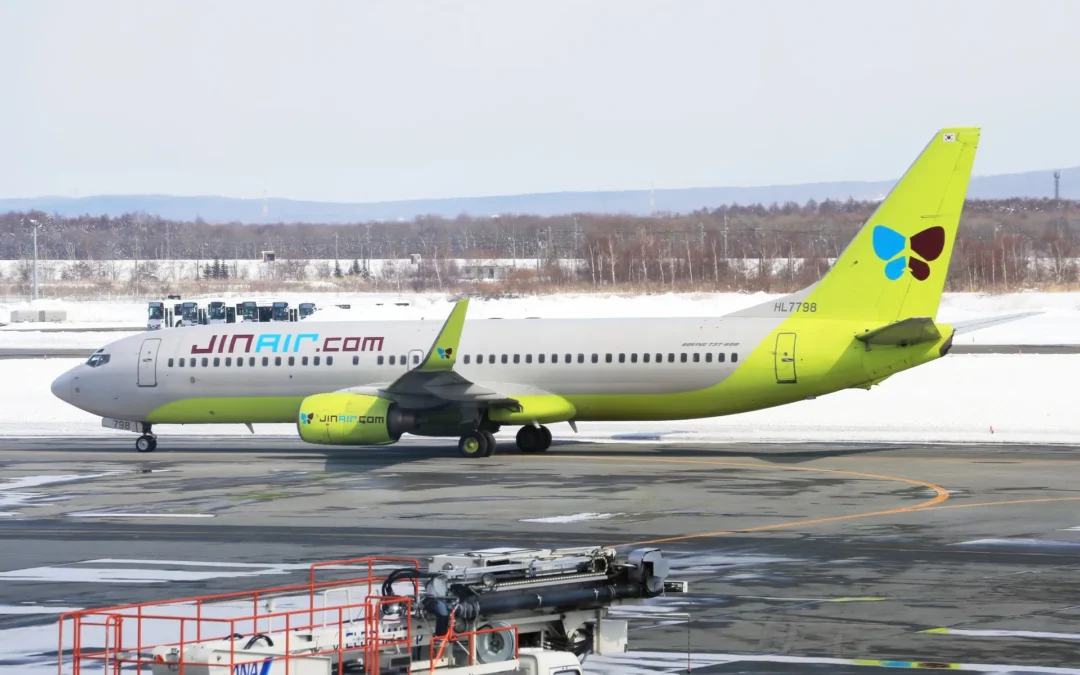
Choosing a flight school for your next certificate is more than just finding the lowest price. A 737 type rating cost is shaped by location, instructor skill, and the tech inside the simulator. Every pilot must understand these factors before signing a contract.
The 737 type rating cost usually falls between $10,000 and $30,000 based on the school and the exact course you need. This wide price range exists because training centers set fees on things like school location and the high cost of using Level D flight simulators. Based on data from the FAA, labor rates and training costs can shift based on business areas and where the school is located. Pilots must look for quotes that include ground school, simulator time, and checkride fees to avoid extra costs that increase the total bill. A clear price helps you stay on budget while getting the flight training you need to move up in your career.
You must know exactly what you are paying for before you commit to a training program. Low initial prices often do not include items like manuals or examiner fees. Start by comparing what each quote covers.
What does a 737 type rating cost quote actually cover?
Finding the true 737 type rating cost is more than just looking at a single number. Many flight schools show a low base price to grab your eye. But that price might only cover a small part of what you need to finish. You must look at the scope of the quote to see if it is a good deal. A clear breakdown helps you avoid hidden fees that can add up fast.
Core training parts
To understand what drives price variations, read our breakdown of what drives 737 type rating costs and how different factors impact your total investment.
The biggest part of your price is the ground school and simulator hours. Ground school is where you learn about the systems and flight rules for the jet. You will spend many hours in a full flight simulator to master the controls. Top-grade full 737 type rating training uses Level D simulators to match real flight. Per the FAA, a 737 type rating is needed to fly any variant of the plane. Make sure your quote includes all the sim sessions you need to be ready.
Hidden fees and extra costs
Some schools keep their quotes low by leaving out vital items. The fee for the FAA examiner is one of the most common extras. You might also have to pay for your own training books, charts, or digital apps. These small costs can add hundreds of dollars to your final bill. Labor costs and training rates often change based on the city where you train. If you have to travel, you must also plan for hotel stays and daily meals. Knowing these facts upfront lets you compare quotes fairly between other flight centers.
| Expense Type | Standard Quote | Full Cost Fact |
|---|---|---|
| Ground School | Usually in the base price. | In-person or online study time. |
| Simulator Time | Fixed number of hours. | Extra hours if you need more. |
| Examiner Fee | Often an extra out-of-pocket cost. | Paid to the examiner directly. |
| Course Tools | May require a separate fee. | Books, apps, and checkride prep. |
| Travel and Housing | Rarely in the quote. | Hotel, airfare, and meals for weeks. |
| Retest Fees | Not in the first price. | Extra cost if you fail a check. |
When you get a quote, ask if it follows a fixed FAA-approved plan. Part 142 centers must follow strict rules to keep training high. A cheap quote might use older simulators or offer less face-to-face time with teachers. It is better to pay for a full package than to face new bills every day. Always ask for a list of everything that is not in the quote before you sign.
Rating scope changes the price before training begins
A comprehensive 737 type rating training program cost depends on what you need to do in the cockpit. Pilots often check prices without looking at the training scope. Each path has its own set of rules and time in the simulator. You must know if you need a full rating or a shorter course to keep your skills fresh. Making a mistake here can lead to a bill that is higher than you planned for your career.
The total cost for flight training can also vary by where you train. Labor rates and training costs shift based on the part of the country and the pilot’s own level of experience. Most Part 142 training centers use set plans to make sure each student learns the same core skills. This structure helps keep the training fair and clear for every pilot who walks through the door.
Pilot in command vs second in command
If you’re deciding between second-in-command and captain credentials, our SIC vs PIC type rating comparison explains the cost and career implications of each path.
The biggest cost gap sits between Pilot in Command (PIC) and Second in Command (SIC) roles. A PIC rating allows you to act as the captain of the aircraft. This path requires more ground school hours and more time in the flight deck. It is the full rating needed to lead a crew on a jet. Because it takes more work to teach, the price is higher.
An SIC rating is often cheaper because it covers fewer tasks. It is designed for pilots who will act as the co-pilot. The FAA requires a type rating for anyone who wants to fly these large jets. But the depth of that training changes the final bill. You should check which one your future job needs before you sign up for a class.
Recurrent and requalification training
You might already have a 737 rating but need to stay current. Recurrent training is a shorter check to keep your skills sharp. It costs less than a full course because it assumes you already know the basics of the jet. These sessions focus on emergency tasks and landing skills. Most airlines want to see these checks done every six to twelve months.
Requalification is for pilots who have let their rating lapse for a long time. If you have not flown the 737 in years, you will need more hours than a simple check. These programs take more time than a recurrent check but less than the initial 737 type rating process. This middle path helps you get back into the cockpit without starting from zero.
Learning the differences between models
The 737 has many models that share the same basic rating. This includes the older Classic jets and the newer 737 Next Generation (NG) fleet. Pilots often move from one to the other as they change jobs. This path is called differences training. It focuses on what has changed in the cockpit layout or the electrical systems. It is a fast way to add a new model to your skills.
This training is faster than a full type rating course. It is vital to compare prices for the exact type of training you need. You do not want to pay for a full course if a few days of differences training will work. Always ask the training center for a clear list of what is in their scope before you pay. This helps you get the right training for the right price.
- Initial type rating for new 737 pilots
- Recurrent checks for active crew members
- Differences training between aircraft models
- Requalification for pilots with lapsed ratings
Simulator access can change the real cost
When you look at the total 737 type rating cost, the price on paper is just one part of the story. The quality and use of the flight simulator often decide the final value. Some flight schools offer lower rates but lack steady access to high-end tech. This can lead to delays that increase your housing and travel spend. To get the best value, you must look at the level of the machine and the training plan.
The Level D gold standard
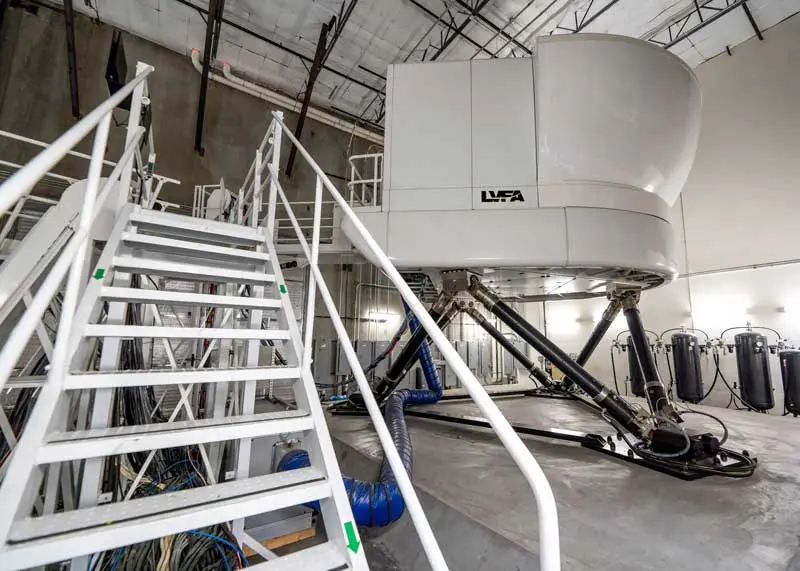
The FAA requires a type rating for pilots to fly any version of the Boeing 737. Not all training tools are the same. Las Vegas Flight Academy uses B-737-300 and B-737-800 Level D full flight simulators. These machines offer the highest level of realism. They move and feel like a real jet. Training on lower-tier gear might seem cheap, but it does not prepare you as well for the flight deck. Choosing a Part 142 center ensures you get a fixed FAA course that meets strict safety rules.
Asking about simulator uptime
Before you sign up, ask the school how they manage their machines. Some centers act as “training factories” where they book too many slots. If a simulator breaks down, you might wait days for a new spot. This delay adds to the labor hours you spend on the ground. The FAA notes that labor costs and time spent can vary a lot by place and program. A small school like LVFA focuses on a single site. This helps keep the training on track and limits the risk of hidden costs from missed sessions.
Expert instructor guidance
The simulator is only as good as the person teaching you. High-quality training relies on pilots who have spent many hours in the air. Good instructors know the small details of the 737 systems. They help you master the checkride without needing extra hours. Extra simulator time is a major cost driver that many schools do not list up front. By working with skilled staff, you can finish your training in the set time. This keeps your total spend within your planned budget.
Travel and schedule costs belong in the budget
When you plan for your **737 type rating cost**, do not just look at the class fee. You must think about all the costs that come with it. Many pilots forget to track their travel and living costs. This can lead to a big surprise when the bill comes due.
You will need to pay for your flight to the school. Once you arrive, you will need a place to stay. You will also need to eat every day. Local travel like a rental car or a taxi will also cost money.
Look at the full price
Budgeting for a new rating means looking at more than just the price of the course. You should list every cost before you start. Airfare is often one of the biggest items on that list. If you book early, you can save a lot of cash.
You also need a way to get around town. Some pilots use a rental car, while others use a rideshare app. Do not forget to add up the cost of food for a week or more. Small daily costs can grow into a large sum fast.
Manage your time and schedule
Training takes time. You are not just paying for a class. You are also not working during those days. This missed pay is a real part of your total cost.
The FAA labor cost data shows that pay can vary based on your skill and where you work. If you miss a week of work, that is a big loss. You also need to plan for delays.
If a simulator has a tech issue, you might stay longer. Each extra day means more money for your hotel and food. Always have a small fund for these extra needs to keep your stress low while you learn.
Find a good home base
The school’s site matters for your budget. A spot that is hard to reach will cost more in time and airfare. Las Vegas is a big city with many flights. This makes it a great spot for your initial 737 type rating process.
You can often find low-cost flights from many hubs. This helps you get to class without spending too much. You should also check if the school has housing or deals with local hotels. Some places offer a better rate for pilots in training.
Comparing your options
When you look at different schools, try to compare them fairly. Some schools might seem cheap at first. But they might not include ground school or all your simulator time. You want to see the full price up front.
Look for a school that uses Level D simulators. This is the top standard for pilot training. It ensures you get the best work for your money. You want a partner who is clear about all the fees.
This way, you can pick the best path for your flight career. Learn more about our comprehensive 737 type rating training options. We show you the path to fly and keep your budget safe.
How to compare 737 type rating cost quotes
Finding the right 737 type rating cost can be a challenge. Many flight schools list their prices in different ways. Some quotes include all fees, while others have hidden costs that show up later. To make a smart choice, you must look at every part of the training plan. Comparing quotes with a clear process helps you avoid surprises and find the best value for your career.
Check for hidden training costs
A low price on a website may not tell the whole story. Some schools only show the cost for ground school or a few hours in a simulator. You need to know if the quote covers the full course from start to finish. FAA research shows that labor and training costs vary based on where you train and your past flight time. Always ask for a full list of every item you are paying for before you book your spot. You must check these facts with each school to make sure the price is right.
You should also look for a comprehensive 737 type rating training that fits your needs. This means checking if the school gives you study tools and flight manuals at no extra cost. Small fees for books or online tools can add up fast. A good school will be open about these items from the first day.
- Review written inclusions. Ask for a list of every service in the quote. This must include ground school, flight hours, and all study materials.
- Check the certificates earned. Make sure the course leads to the exact FAA certificate you want. Verify that the school is a certified training center.
- Look at simulator quality. Ask about the level of the simulators used in the course. High-level simulators provide better training and meet strict FAA rules.
- Include examiner fees. Many schools do not include the cost of the checkride in the main quote. Ask if you must pay the examiner separately.
- Add travel and housing. Check if the school offers a deal on hotels or travel. If not, you should add these costs to your total budget.
- Ask about retest rules. Find out what happens if you do not pass a test. Some schools charge more for extra training or a second checkride.
Check simulator access and fees
The time you spend in a simulator is a large part of the total cost. Most schools use high-tech simulators that act just like a real plane. You should ask if the school owns its sims. When a school owns its sims, they can often give you more time for a lower price. If they rent time from a third party, your schedule might change at the last minute. This can make your training take longer and cost more.
You should also ask about the level of the simulator. For 737 training, Level D simulators are the top standard. They offer the most real flight feel. Using the best tools helps you pass your checkride on the first try. This saves you from the high cost of paying for extra test sessions.
Plan your travel and training time
Your time is worth a lot of money as a pilot. A course that is spread out over many weeks can keep you away from your job. This leads to lost pay that you must add to the training cost. When you get a quote, ask for a full training schedule. A good school will show you exactly when you will be in class and in the simulator.
Where you train also plays a big role in your total spend. If you have to fly across the country, your travel costs will be high. Choosing a school with easy access to a major airport can save you hundreds of dollars. Look at the full picture of travel, time, and fees. This is the only way to find the true cost of your 737 type rating.
When does ATP-CTP affect the total investment?
The Airline Transport Pilot Certification Training Program (ATP-CTP) is a key step for pilots moving toward an airline career. While not always bundled with a 737 type rating cost, it is a needed first step for the ATP certificate. Some schools offer it alone, while others group it with type rating training to help pilots save time and money.
The training path
At a Part 142 center, the ATP-CTP course follows a fixed, FAA-approved path. This 6-day program includes 32 hours of ground school to cover high-altitude flight and weather. Pilots also spend 4 hours in a fixed-base simulator and 6 hours in a full-flight simulator. These Part 142 centers use set lessons to help each student meet the same high standard before their test.
Why costs vary
The total price for flight training can change based on the school’s location and the simulators they use. High-quality Level D simulators are the top choice but often cost more to run. Since training costs vary by area, pilots should look for schools with clear, upfront rates. Picking a school in a hub like Las Vegas can also help lower travel and hotel costs during the week.
Course rules
You must finish the ATP-CTP course before you can take the ATP multi-engine knowledge test. You do not need an FAA medical certificate to take this course at a Part 142 school. But you will need a valid medical certificate later for your actual flight check. Planning the timing of these steps is key to keep your total training cost within your budget.
Choose a program by value, not the lowest number
When you look at the 737 type rating cost, it is easy to focus only on the price tag. But the lowest quote often hides missing items that you will need later. A true value choice looks at the full package of training, tools, and results. You should check if the school has clear pricing or if they add fees for ground school, manuals, or checkrides. High-quality comprehensive 737 type rating training will always list these items up front.
Check for simulator quality
The type of simulator used has a big impact on your learning. FAA Part 142 centers often use Level D full flight simulators, which are the gold standard. These tools provide the most realistic flight feel and motion. If a school uses lower-level gear, the cost may be less, but the training quality will drop. You should ask if the FAA type rating requirements are met using top-tier motion sims that match the real jet.
Look at instructor experience
Who teaches you matters as much as what you fly. Good teachers have many hours in the actual aircraft, not just the sim. They bring real-world wisdom that helps you pass your checkride on the first try. While cheap programs might use newer pilots to teach, seasoned pros help you build the skills you need for a long career. The FAA notes that labor costs vary by experience and location, so a higher price often pays for a better teacher.
Ask about extra fees
A low base price can quickly grow with hidden costs. Some schools charge extra for scheduling, study guides, or even the room you stay in. You should ask for a full list of what is in the price before you pay. A good school will give you one clear price that covers everything from start to finish. This helps you plan your budget and avoid stress during your training week. It also shows that the school values honesty and clear talk with its pilots.
Frequently Asked Questions
How much does a Boeing 737 type rating cost?
A Boeing 737 type rating often costs between $10,000 and $30,000. The final price is based on the training center and the exact course you choose. As seen with the FAA, labor rates and training costs vary by place and work field. Some programs may include more ground school hours or simulator time than others. It is key to compare what each package offers to avoid extra fees later in the process.
What is the cost of a 737 type rating with ATP-CTP?
If you need both an ATP-CTP course and a 737 type rating, deals often cost between $13,000 and $16,000. These programs help pilots meet FAA rules for airline jobs in one trip. Linking these courses can save you money compared to taking them alone. Schools like Las Vegas Flight Academy provide these FAA approved programs to ensure steady results. Always ask if the price includes the written exam fee and all simulator sessions before you sign up.
Does 737 type rating pricing vary by location?
Yes, the cost of training can change based on where the school is placed. Schools in the United States often have other prices than those in Europe or Asia. Things like local labor rates and simulator upkeep costs play a big role in these gaps. The FAA notes that pilot training costs can vary a lot by the local area. You should also think about travel and housing costs when you look at schools in other cities.
Do airlines pay for 737 type ratings?
Many airlines do pay for type ratings as part of their hiring process. This is common when you join a large carrier or a local airline. Some firms use a training bond where you agree to stay for a set time. Others might offer a pilot cadet program that covers all training from the start. If you pay your own way, compare the cost of getting the rating now versus waiting for an airline to pay.
Ready to book your Boeing 737 type rating training in Las Vegas?
Waiting to book your training means you risk missing out on key hiring waves and losing thousands of dollars in pilot pay for each month. If you start your course today, you can gain the skills you need to reach the flight deck faster and secure your spot for success. Our team helps you see the costs for your full 737 type rating training so there are no hidden fees as you move forward today.
Ready to contact Las Vegas Flight Academy to discuss Boeing 737 training options? Contact our team today to book your 737 course. Start your new journey in the sky today and move your career forward.