
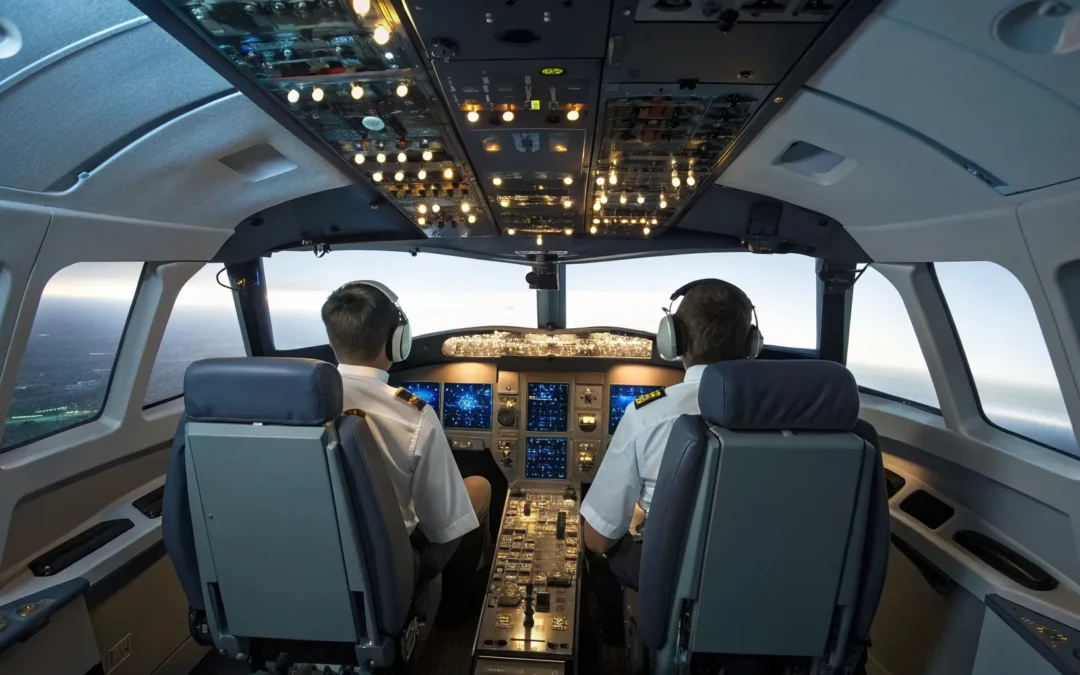
Viewing your flight training as a series of investments is smart, and the 737 type rating is one of the most important investments you’ll make in your career. Holding this rating makes you a far more attractive candidate to airlines, as it shows you’re already qualified on the equipment they fly. This can shorten your path to getting hired and increase your long-term earning potential. This article breaks down the real value of a 737 initial type rating. We’ll cover not just the training costs but also the return on your investment, funding options, and how to choose a school that prepares you for success. For a comparing 737 type rating costs across providers, see our cost comparison guide.
Key Takeaways
- Treat your 737 type rating as a direct career investment: Holding this certification makes you a highly attractive candidate to airlines, as it demonstrates your readiness to fly one of the most popular commercial aircraft in the world.
- Understand the path to getting your rating: The process is structured and demanding, starting with essential prerequisites like your commercial certificate and moving through comprehensive ground school, hands-on simulator training, and a final checkride.
- Choose your training provider carefully: Your success hinges on the quality of your school, so prioritize FAA Part 142 certified centers that offer experienced instructors, advanced simulators, and transparent pricing.
What is a 737 Type Rating (And Why It Matters)?
If you’re aiming for a career with the airlines, you’ll eventually need to master a specific type of aircraft. Think of a type rating as your specialized degree for a particular jet. It’s an official endorsement on your pilot certificate that says you have the skills and knowledge to safely operate a complex aircraft like the Boeing 737. For many pilots, earning a B737 type rating is a major career milestone that signals you’re ready for the right seat. It’s more than just another box to check; it’s a key that opens the flight deck door.
Defining the 737 type rating
So, what exactly is a type rating? The FAA requires this special certification for any aircraft that is turbojet-powered or has a maximum takeoff weight over 12,500 pounds. The Boeing 737 checks both boxes. A type rating proves you’ve completed intensive, aircraft-specific training that goes far beyond your initial pilot licenses. This training must be done at an FAA Part 142 certified center and covers the plane’s complex systems, performance characteristics, and specific flight procedures. It’s a deep dive that ensures you know the aircraft inside and out.
Career doors a 737 rating opens
In a competitive job market, holding a Boeing 737 type rating gives you a significant advantage. The 737 is one of the most popular commercial aircraft in the world, flown by countless major and low-cost airlines. When an airline sees this rating on your resume, they know you’re a qualified 737 pilot who can be brought online with less training time and expense. This makes you a much more attractive candidate and can put your application at the top of the stack. It shows a serious commitment to your career and opens up job opportunities.
Busting common type rating myths
There are a few common misconceptions about type ratings worth clearing up. First, you don’t need a separate rating for every version of the 737. A single B-737 type rating covers the entire family, from the classics to the NG and MAX series. For pilots interested in the specific NG variant, our 737-800 type rating guide covers the complete training pathway. You’ll just need to complete differences training to move between variants, which is much simpler than a full rating course. Another myth is that airlines will always pay for your training. While some do, getting the rating yourself can make you a more desirable hire. It’s a proactive step that shows you’re invested in your career.
Are You Ready for a 737 Type Rating? The Prerequisites
Earning a Boeing 737 type rating is a major milestone in any pilot’s career. It’s the certification that says you have the skills and knowledge to safely operate one of the most popular airliners in the world. But before you can step into the simulator, you need to have a solid foundation of experience and qualifications. Think of it like building a house; you can’t put up the walls and roof without first laying a strong foundation. This preparation phase is just as important as the training itself.
Meeting these prerequisites isn’t just about checking boxes on a form. Each requirement is designed to ensure you’re fully prepared for the intensity and complexity of jet training. From your existing pilot certificates to your flight hours, every step you’ve taken in your career so far has been preparing you for this moment. The training is fast-paced and demanding, and having these qualifications in place means you can focus entirely on mastering the 737, not on catching up on fundamentals. Let’s walk through exactly what you’ll need to have in your logbook and your wallet before you start your B737 type rating training. This will help you map out your path and make sure you arrive ready to succeed from day one.
Pilot certificates and ratings
First things first, you need the right paperwork. To begin 737 type rating training, you must hold at least a commercial pilot certificate with an instrument rating. The commercial certificate proves you have the stick-and-rudder skills and aeronautical knowledge to fly professionally. The instrument rating is just as critical, as it confirms your ability to fly the aircraft solely by reference to instruments, a fundamental skill for airline operations in all weather conditions. These certifications are the bedrock of your professional flying career, demonstrating you’ve mastered the essentials before moving on to more complex aircraft systems and procedures.
Flight hours and experience
Beyond certificates, you need practical experience. While there isn’t a single, universal flight hour minimum to start a type rating course, you need enough experience to be comfortable in a high-performance environment. The goal of logging flight hours isn’t just to build numbers; it’s to develop sound judgment, situational awareness, and decision-making skills. This real-world experience is what you’ll draw upon when you’re learning the intricate systems of the 737. Many pilots pursue their type rating as part of their Airline Transport Pilot Certification Training Program (ATP-CTP), which has its own flight hour requirements and prepares you for the demands of an airline career.
Medical and English proficiency
Your health and communication skills are also key. You must hold a current FAA medical certificate, which ensures you meet the health and fitness standards required to safely operate an aircraft. Just as important is your ability to communicate clearly. English is the international language of aviation, so proficiency is mandatory for all pilots. Whether you’re talking to air traffic control or your first officer, clear and concise communication is essential for safety. This is a standard we uphold for all our students, including the many foreign pilots who train with us from around the world.
Age and other qualifications
Finally, let’s cover a few other qualifications. While you need to be at least 18 years old to hold the commercial pilot certificate required to start, there is no upper age limit for earning a type rating. As long as you can maintain your medical certificate, you can continue to fly. The type rating itself is the ultimate qualification. It’s a specific endorsement added to your pilot certificate that is legally required to act as pilot-in-command of a large aircraft like the Boeing 737. It signifies that you have successfully completed a rigorous, FAA-approved training program and checkride, proving your competency in that specific aircraft.
Inside Your 737 Type Rating Training
Earning your 737 type rating is an intensive, structured process that combines deep theoretical knowledge with practical, hands-on experience. The training is designed to build your skills methodically, starting with the aircraft’s fundamental systems and progressing to complex, real-world flight scenarios. Each phase builds on the last, ensuring you develop the confidence and competence needed to command a Boeing 737. This journey is broken down into four key stages: ground school, simulator training, procedural practice, and the final checkride. Think of it as learning the language of the aircraft before you can have a conversation with it in the air.
At a certified training center like Las Vegas Flight Academy, this entire process is streamlined to get you proficient and confident. You’ll move from textbooks and diagrams to a full-motion simulator that feels just like the real thing. The goal isn’t just to teach you how to pass a test; it’s to prepare you for the dynamic environment of an airline cockpit. By the end, you won’t just know how to fly the plane; you’ll understand its personality, its quirks, and how to work with it as a seamless extension of your own skills. This comprehensive approach ensures you are not just type-rated, but truly ready for the right seat.
Ground school: Mastering aircraft systems
Your journey begins in the classroom with ground school. This is where you build the foundational knowledge for everything that follows. A B737 type rating course is a specialized program designed to give pilots the specific knowledge and skills needed to operate a particular aircraft. For the 737, this means diving deep into its complex systems, including hydraulics, pneumatics, electrical systems, and advanced avionics. You’ll learn the aircraft’s limitations, performance characteristics, and standard operating procedures. This phase typically combines self-paced, computer-based training with instructor-led sessions, allowing you to absorb the material thoroughly before you ever step into a simulator.
Simulator training and proficiency checks
Once you have a solid grasp of the theory, it’s time to apply it. Simulator training moves you from the classroom to a highly realistic cockpit environment. The training includes studying at home on a computer, classroom lessons led by an instructor, and practice in a high-tech Level D flight simulator. These advanced simulators, certified under the FAA’s National Simulator Program, are so accurate that they replicate the look, feel, and flight dynamics of the actual 737. Here, you’ll practice everything from pre-flight checks and takeoffs to handling in-flight emergencies and system failures, all under the guidance of an experienced instructor. Regular proficiency checks ensure you’re mastering the required skills at every stage.
Standard operating procedures and CRM
Flying a modern airliner is a team effort, which is why a major part of your training focuses on Standard Operating Procedures (SOPs) and Crew Resource Management (CRM). SOPs are the standardized methods for handling every phase of flight, ensuring consistency and safety. CRM is the practice of using all available resources, including your co-pilot, flight attendants, and air traffic control, to ensure a safe outcome. Throughout your type rating course, you’ll be expected to demonstrate a thorough understanding of applicable regulations. This knowledge is put into practice through effective Crew Resource Management, which is essential for clear communication and decision-making in the cockpit.
Passing your checkride
The final step in earning your rating is the checkride. This is your practical exam, administered by an FAA examiner, and it consists of two parts: an oral exam and a practical test in the simulator. The oral portion tests your systems knowledge, while the simulator session assesses your ability to handle the aircraft through various maneuvers and emergency scenarios. Completing a type rating course is an essential step after your ATP-CTP training for pilots seeking employment with airlines or other commercial operators, as it demonstrates proficiency in flying specific aircraft types. Passing your checkride is the ultimate validation of your hard work and the key that opens the door to your career as a 737 pilot.
How to Fund Your 737 Type Rating
Let’s talk about the financial side of earning your 737 type rating. It’s a significant investment, but it’s also one of the most important steps you can take for your career as an airline pilot. The good news is you don’t have to figure it all out on your own. Many pilots have walked this path before, and there are established routes to help you manage the costs.
Thinking about the expense can feel overwhelming, but breaking it down into manageable steps makes it much more approachable. From understanding the total cost to finding scholarships and exploring loans, you have several options. The key is to do your research, create a solid plan, and view this as a direct investment in your future earning potential. With the right strategy, you can make the financial aspect of your training a smooth part of your journey to the flight deck of a 737.
Breaking down the training costs
Your 737 type rating is a comprehensive package that includes ground school, extensive simulator training, and your final checkride. When you receive a quote from a flight school, make sure you understand exactly what’s included. Does it cover all required materials, simulator hours, instructor fees, and the examiner’s fee for the checkride? Getting a detailed breakdown helps you compare programs accurately and avoid any surprise expenses. Flight training is a major financial commitment, so clarity is key. Many schools recognize this and offer various financing options to help pilots manage the investment.
Finding scholarships and financial aid
Before you look into loans, spend some time searching for scholarships. You might be surprised by how many organizations want to help pilots succeed. For example, the International Society of Women Airline Pilots (ISA+21) awards B737 type rating scholarships each year. The Boeing Company also offers a B737-NG type rating certificate to qualified pilots. These are just two examples, so dedicate some time to researching aviation scholarships. Every dollar you secure through a scholarship is a dollar you don’t have to borrow or pay out of pocket.
Exploring payment plans and loans
Aviation-specific loans are a common way to fund a type rating. Some lenders offer flexible options designed for flight training. For instance, certain non-secured loans can be used at any flight school for any certificate or rating, giving you the freedom to choose the best program for your needs. It’s also a great idea to speak directly with the admissions team at any flight school you’re considering. They can often walk you through their specific payment plans or point you toward lending partners they trust and have worked with before.
Calculating your return on investment
Investing in your ATP and B737 Type rating can pay off substantially throughout your career, opening doors to higher salaries and more opportunities. Think of it less as a cost and more as the foundation for your entire career as an airline pilot. The quality of your training provider plays a huge role in this return. A school with experienced instructors, well-maintained simulators, and a supportive atmosphere doesn’t just get you through the checkride; it prepares you to be a confident and competent professional pilot, which is the best return on investment you can ask for.
Choosing the Right 737 Training Provider
Selecting a flight school for your 737 type rating is one of the most significant investments you’ll make in your career. It’s more than just a line item on your resume; it’s the foundation for your confidence and competence in the cockpit of one of the world’s most popular airliners. The right provider offers a blend of experienced instruction, advanced simulator technology, and a supportive learning environment. Your goal is to find a school that not only prepares you to pass your checkride but also equips you with the skills to excel as a professional airline pilot. Think of this decision as choosing a long-term career partner. You want a program that is transparent, reputable, and genuinely invested in your success from day one.
Our comprehensive 737 program
A top-tier training provider offers more than just a path to a rating. Look for a comprehensive program that caters to pilots at different stages of their careers. This includes initial type ratings for those new to the aircraft, as well as recurrent training to help seasoned pilots stay sharp and current. The best programs are designed to accommodate both individual pilots and larger groups, like airline crews. At Las Vegas Flight Academy, our B737 Type Rating courses are structured to provide the in-depth knowledge and hands-on experience you need, whether you’re upgrading your qualifications or getting back into the flight deck after a break. A flexible and thorough curriculum is a sign of a school that understands the real-world demands of aviation.
What to look for in a flight school
When you start comparing schools, your first checkpoint should be their certification. An FAA Part 142 certified training center operates under the highest standards of federal regulation, ensuring a structured and approved curriculum. Next, consider the people. The quality of your training is directly tied to the expertise of your instructors. Seek out schools where the instructors are experienced airline pilots who can share practical knowledge that goes beyond the textbook. Finally, think about location and value. A conveniently located school can save you time and money on travel, while transparent pricing helps you budget effectively without any last-minute surprises.
Evaluating instructors and simulators
The two pillars of your type rating training are the instructors and the simulators. Don’t hesitate to ask about the background of the instructional staff. You want to learn from pilots who have extensive time in the 737 and a passion for teaching. Their real-world stories and operational insights are invaluable. Equally important is the equipment. Your training should take place in a high-fidelity, Level D full-flight simulator. This technology provides a completely immersive experience that accurately replicates the aircraft’s behavior, allowing you to safely practice normal, abnormal, and emergency procedures. The combination of expert guidance and realistic simulation is what builds true proficiency and confidence.
Key questions to ask any provider
Before you commit, get on the phone and ask some direct questions. A reputable school will be happy to provide clear answers. Start with these:
- What is the total cost of the program, and what does it include (e.g., training materials, simulator time, checkride fee)?
- What is your first-time pass rate for the 737 checkride?
- What is the instructor-to-student ratio in the classroom and the simulator?
- How do you support students who may need extra instruction or simulator time?
- Can you connect me with a recent graduate to talk about their experience?
Getting answers to these questions will help you gauge the school’s transparency and commitment to student success, ensuring you find the perfect fit for your training.
Why Las Vegas Flight Academy for Your 737 Initial Type Rating?
Review LVFA’s Boeing 737 type rating program for initial, recurrent, and differences training options in Las Vegas.
Not all type rating programs are built the same. Las Vegas Flight Academy is one of only ~40 FAA Part 142 certified training centers in the United States authorized to issue Boeing 737 type ratings — and one of the very few on the West Coast. That matters because Part 142 certification requires direct FAA oversight, approved syllabi, and the highest simulator fidelity standards — protections that Part 61 programs simply don’t offer.
Training takes place in our 40,000 sq. ft. Henderson, Nevada facility, using two Boeing 737-800 Level D full-flight simulators — the highest fidelity rating the FAA grants. With small class sizes, 1:2 simulator-to-instructor ratios, and flexible scheduling including weekend and evening sessions, you’ll complete your initial type rating on a timeline that works for your career — not a crowded training center’s calendar.
Ready to get started? Call us at 818-489-1738 or email sales@lasvegasflightacademy.com to check availability.
Related Articles
- How Much Does a 737 Type Rating Cost in 2026?
- How to Find the Cheapest 737 Type Rating (Safely)
- B737 800 Type Rating Cost: A Complete Breakdown
Frequently Asked Questions
Do I need a separate type rating for the 737 MAX if I already have one for the NG? No, you don’t. A single B-737 type rating covers the entire family of aircraft, from the original models to the newer NG and MAX series. Instead of completing a whole new rating course, you’ll just need to complete “differences training.” This is a much shorter, more focused training program that gets you familiar with the specific systems and handling characteristics of the new variant.
Is it better to get my type rating on my own or wait for an airline to pay for it? This is a strategic decision that depends on your career goals. Paying for your own type rating is a significant investment, but it can make you a much more competitive candidate in the job market. Airlines often prefer pilots who are already qualified on the aircraft, as it reduces their own training costs and time. Waiting for an airline to sponsor your training is also a valid path, but it may narrow your options to specific carriers.
How much flight time do I really need before starting the course? While there isn’t a strict FAA minimum to begin the training itself, the quality of your experience matters more than the raw number. You should be completely comfortable with instrument flying and operating in a complex, fast-paced environment. The training moves quickly, so having a solid foundation of experience allows you to focus on mastering the 737’s systems instead of struggling with basic airmanship.
What happens if I don’t pass the checkride on the first try? It’s not the end of your career, so don’t panic. Reputable training centers have procedures in place for this. Typically, you and your instructor will review your performance to identify areas that need improvement. You will then receive targeted, additional training before you make another attempt. This is why it’s so important to ask any potential school about their pass rates and how they support students who need extra help.
Can I complete my ATP-CTP and my 737 type rating at the same time? While they are two distinct qualifications, many pilots complete them back-to-back as part of their journey to an airline career. The Airline Transport Pilot Certification Training Program (ATP-CTP) is a prerequisite for taking the ATP knowledge test. After completing the ATP-CTP, you can then move directly into the 737 type rating course, which often culminates in the practical test for your ATP certificate.