
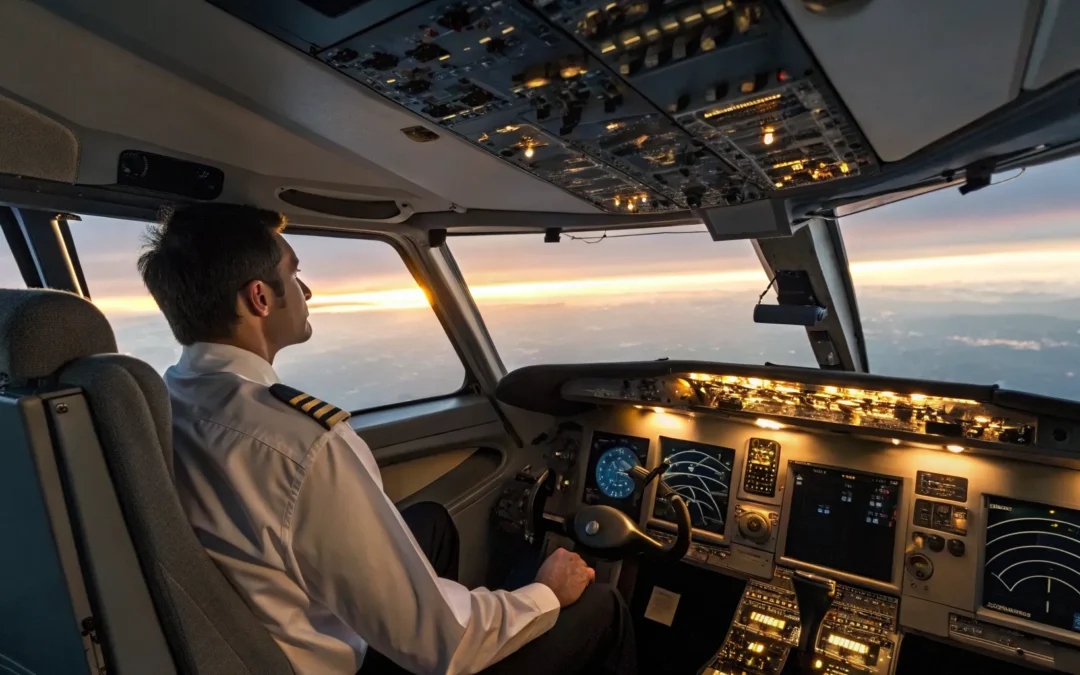
The Boeing 737 is the workhorse of the skies, connecting cities on every continent. For a pilot, this means one thing: opportunity. Earning your 737 type rating doesn’t just qualify you for jobs at home; it makes you a valuable candidate for airlines all over the world. It’s a globally recognized qualification that proves you have the skills to command a key aircraft in nearly any fleet. A 737 pilot in command course is your passport to an international career. In this article, we’ll cover the entire training process and explore the exciting career paths that open up, from major commercial airlines to corporate and charter operations across the globe.
Key Takeaways
- Qualify for top airline jobs: Earning your 737 PIC rating makes you a highly desirable candidate for major airlines, charter companies, and international carriers that operate this popular aircraft.
- Prepare with comprehensive training: A successful program combines in-depth ground school to master the 737’s complex systems with intensive practice in a full-flight simulator, ensuring you are ready for real-world operations.
- Select a certified and supportive school: Look for an FAA Part 142 certified training center with experienced airline instructors and robust support systems, especially if you are an international student, to ensure you receive high-quality training.
What is a 737 Pilot in Command Course?
A 737 Pilot in Command (PIC) course is your ticket to the captain’s seat of one of the world’s most popular airliners. This specialized training program is designed to give you the skills, knowledge, and certification required to operate the Boeing 737 as the pilot in command. It’s an intensive program that goes far beyond basic flight training, focusing entirely on the specific systems, procedures, and handling characteristics of this iconic aircraft. Think of it as the master class for a specific plane, where every lesson is tailored to making you an expert on that one airframe.
The course is typically broken down into two main components: a comprehensive ground school and hands-on simulator training. In ground school, you’ll get into the nitty-gritty of the 737’s complex systems, from its avionics and hydraulics to its flight management computer. Then, you’ll apply that knowledge in a full-flight simulator, where you’ll practice normal operations, handle simulated emergencies, and master the skills needed to fly the aircraft safely and efficiently. Completing a B737 Type Rating course is a major milestone in any pilot’s career, opening doors to opportunities with airlines across the globe. It’s the final step that proves you have what it takes to command this incredible machine and is a key part of your journey toward the airline transport pilot certificate.
What is a Boeing 737 Type Rating?
So, what exactly is a type rating? Think of it as a specialized license endorsement. A Boeing 737 Type Rating is the official certification added to your pilot license that proves you are qualified to fly any aircraft in the Boeing 737 family. The FAA requires a type rating for any aircraft with a maximum takeoff weight of over 12,500 pounds, and the 737 certainly fits that bill. This isn’t just a formality; it’s a confirmation that you’ve completed rigorous, aircraft-specific training and have demonstrated your proficiency to an examiner. To be eligible, you’ll generally need to hold a valid Airline Transport Pilot License (ATPL) or at least a Commercial Pilot License (CPL) with the necessary instrument and multi-engine ratings.
How a 737 PIC Course Advances Your Career
Earning your 737 PIC rating is one of the most strategic moves you can make for your aviation career. The Boeing 737 is a workhorse for airlines all over the world, which means pilots with this type rating are always in demand. Completing this training significantly expands your job prospects, making you a much more attractive candidate to major carriers in North America, Europe, and Asia. It shows airlines that you’ve already invested in mastering a key aircraft in their fleet. This certification isn’t just about getting a job; it’s about building a long-term career with clear pathways for advancement. Many pilots find that having the 737 type rating accelerates their journey to the captain’s seat and opens up more lucrative flying opportunities.
What Are the Prerequisites for a 737 PIC Course?
Before you can take your seat in the captain’s chair of a Boeing 737, you need to build a solid foundation of experience and qualifications. A 737 Pilot in Command (PIC) course is an advanced step in your aviation career, and training providers have specific prerequisites to ensure you’re ready for the challenge. Think of these requirements not as hurdles, but as stepping stones that prepare you for success in a complex, high-performance aircraft. Meeting these standards shows you have the fundamental skills and knowledge needed to master the 737. Let’s walk through exactly what you’ll need to have in your logbook before you enroll.
Licenses and Certifications You’ll Need
First things first, you need the right license. To begin a 737 PIC course, you must hold either a valid Airline Transport Pilot License (ATPL) or a Commercial Pilot License (CPL). These certifications are non-negotiable, as they prove you’ve already mastered the principles of flight, navigation, and aircraft operations to a professional standard. The intensive training for a B737 Type Rating builds directly on the skills you developed while earning these licenses. Your CPL or ATPL demonstrates that you have the airmanship and decision-making abilities necessary to handle the responsibilities that come with commanding a commercial jet.
The Required Flight Experience
Flight hours are your currency in the aviation world, and you’ll need a certain amount before starting your type rating. The specific flight time required can vary depending on the aviation authority you’re licensed under. For example, pilots under India’s DGCA have different PIC hour requirements than those under EASA. For pilots training under FAA regulations, you don’t need a specific number of PIC hours for the type rating itself, but you must hold a CPL, which requires a minimum of 250 flight hours. This experience ensures you have practical, hands-on skills in the cockpit that you can apply during your simulator training.
Meeting Medical and Age Standards
Your health is just as important as your flight skills. To legally act as a Pilot in Command, you must hold a current first-class medical certificate. This certificate, issued by an Aviation Medical Examiner, confirms you meet the health and fitness standards required to safely operate an aircraft. It’s a critical piece of your qualification puzzle that you must maintain throughout your career. Along with your medical certificate, you’ll need to ensure all your endorsements and ratings are current. These prerequisites confirm you are physically ready and legally qualified to take on the demanding, yet rewarding, training for the 737.
What Does 737 Pilot in Command Training Involve?
Earning your 737 Pilot in Command (PIC) rating is a structured process that combines deep theoretical knowledge with intensive, hands-on practice. Think of it as two sides of the same coin: you first learn the “what” and “why” in the classroom, then you apply it in a highly realistic simulator. This comprehensive approach ensures you’re not just memorizing procedures but truly understanding the aircraft inside and out.
The training is designed to build your skills progressively, starting with the fundamentals of the aircraft’s systems and moving toward complex, real-world flight scenarios. Each phase prepares you for the next, culminating in a final checkride where you demonstrate your proficiency. You’ll cover everything from normal operations to handling unexpected emergencies, all within a supportive and professional environment. This journey is about transforming you into a confident and competent captain, ready to lead a flight crew and safely manage one of the world’s most popular airliners.
Mastering Systems in Ground School
Your journey to the captain’s seat begins in ground school, where you’ll build the essential foundation for operating the Boeing 737. This is far more than just reading manuals; it’s an in-depth study of the aircraft’s complex systems. You’ll cover everything from hydraulics and electrics to the flight management computer (FMC) and autopilot. The goal is for you to understand how every component works together, so you can make smart, informed decisions in the cockpit. This theoretical knowledge is a core part of the ATP CTP course and is critical for developing the judgment required of a Pilot in Command.
Training in a Level D Full Flight Simulator
This is where theory meets practice. After ground school, you’ll step into a Level D full flight simulator, the most realistic flight training device available. These simulators replicate the B737 cockpit perfectly, complete with accurate flight dynamics, visuals, and sound. At Las Vegas Flight Academy, you’ll train in simulators that mimic actual flight conditions, allowing you to practice everything from standard takeoffs and landings to complex instrument approaches. This hands-on experience is invaluable, as it lets you build muscle memory and gain confidence operating the aircraft in a safe, controlled setting before you ever step into a real one.
Handling Emergency Procedures and Safety Protocols
A key part of your training is learning to manage the unexpected. The simulator is the perfect place to practice emergency procedures that would be too dangerous to replicate in a real aircraft, such as engine failures, cabin depressurization, or severe weather encounters. You’ll run through checklists and practice your response to various non-normal situations until it becomes second nature. This rigorous training ensures you remain calm under pressure and can effectively lead your crew through any challenge. It’s this commitment to safety and proficiency that defines an FAA Part 142 certified program.
Preparing for Your Checkride
All your training culminates in the checkride, which is your final exam. To prepare, you’ll complete a Line Oriented Flight Training (LOFT) session. A LOFT is a simulated, real-time flight from gate to gate that challenges you to apply all the skills you’ve learned. You’ll handle flight planning, crew coordination, and any issues that arise along the route. This session is designed to mirror the conditions of your practical test with an FAA examiner. Passing your checkride is the final step to earning your B737 Type Rating, officially qualifying you to act as Pilot in Command of a Boeing 737.
How Much Does a 737 Pilot in Command Course Cost?
Investing in a Boeing 737 Pilot in Command course is a significant step in your aviation career, and understanding the financial commitment is key. The total cost can vary quite a bit depending on the flight school, its location, and exactly what the training package includes. While it might seem like a large upfront expense, earning your type rating opens the door to higher-paying jobs with major airlines, making it a valuable long-term investment.
When you start comparing programs, you’ll notice that some schools bundle everything into one price while others list costs separately. It’s important to get a detailed breakdown so you know what you’re paying for. Look for transparency in pricing for ground school, simulator hours, instructor fees, and exam costs. A reputable academy will be upfront about all potential expenses, helping you budget effectively and avoid surprises down the line. Thinking through these details will help you find a program that fits both your career goals and your budget.
Breaking Down Program Costs
The core price of a 737 PIC course typically covers ground school instruction, simulator sessions, and course materials. Costs can range from several thousand to tens of thousands of dollars. For example, some international programs might offer a 30-day course for around €12,000. This usually includes dozens of hours in a full flight simulator and comprehensive classroom instruction. However, it’s crucial to check what isn’t included. Some packages may exclude “base training,” which involves flights in the actual aircraft, or the final checkride fee. When you request a quote, ask for a line-by-line breakdown to see exactly where your money is going.
Exploring Financing and Payment Options
Funding your 737 type rating requires careful financial planning. Many pilots use a combination of personal savings, personal loans, or specialized aviation loans to cover the costs. For international students, the process involves a few extra steps. To get an M-1 student visa in the United States, you’ll need an I-20 form from your flight school. As part of this process, you must provide proof that you have enough funds to cover the full cost of your training and living expenses for the duration of your stay. Las Vegas Flight Academy provides support for foreign students to help them manage these requirements and begin their training in the U.S.
What Are the Additional Costs?
Beyond the tuition fee, there are other expenses to factor into your budget. You’ll need to cover the cost of your travel to the training center and your accommodation for the length of the course. Other potential costs include FAA written exam fees, the examiner’s fee for your checkride, and any required study materials not included in the program. It’s also important to think about the long-term costs of maintaining your certification. If you don’t renew your rating on time, you will need to complete extra training to regain currency, which can be an unexpected expense. Planning for these additional costs ensures you have a realistic financial picture from the start.
What Challenges Will You Face During 737 PIC Training?
Earning your 737 Pilot in Command rating is an incredible achievement, but it’s also a demanding process that will test your skills and dedication. It’s completely normal to face a few hurdles along the way. Think of these challenges not as roadblocks, but as opportunities to grow into the confident, competent captain you’re meant to be. The training is designed to push you, refine your abilities, and ensure you’re prepared for any situation in the flight deck.
The biggest adjustments for most pilots involve getting comfortable with the sheer complexity of the aircraft, performing under pressure in the simulator, and managing the intense study schedule. You’ll also be shifting your mindset from that of a crew member to a leader, which requires a new level of communication and decision-making. Every pilot who has sat in the left seat of a 737 has gone through this same process. With the right training program and a focused mindset, you can meet these challenges head-on and come out stronger on the other side.
Mastering Complex Aircraft Systems
The Boeing 737 is a sophisticated machine, and your type rating course will require you to learn its systems inside and out. This goes far beyond basic flight principles. You’ll need to develop a deep theoretical knowledge of its hydraulics, electrics, pneumatics, and advanced avionics. The goal is to build a complete mental model of the aircraft so you can make smart, safe decisions. This includes extensive hands-on simulator training to translate that knowledge into practical skill. Your instructors will guide you through the flight manuals and procedures until they become second nature, ensuring you have the comprehensive flight training needed to operate the B737 with confidence.
Managing Stress and Simulator Performance
The first time you step into a Level D full flight simulator, it can feel a bit overwhelming. You’re learning complex procedures, checklists, and flight maneuvers all at once, and the pressure is on. Many pilots initially make common mistakes like over-controlling the aircraft or fixating on one task while forgetting to monitor engine instruments. This is a perfectly normal part of the learning curve. The key is to trust your training, listen to your instructor, and learn to manage your workload. With each session, your confidence will grow as you learn to stay ahead of the airplane, even when handling simulated emergencies.
Balancing Study Demands and Time
A 737 type rating course is a significant time commitment. The academic pressure is real, and you’ll need to dedicate considerable time to studying systems, memorizing limitations, and preparing for your oral exam and checkride. For many pilots, especially those who aren’t in a full-time university program, the biggest challenge is simply budgeting enough time for effective study. It requires discipline and a solid plan. Make sure you create a consistent study schedule and stick to it. Carving out dedicated, uninterrupted time each day will make the material much more manageable and set you up for success.
Developing Crew Resource Management Skills
As Pilot in Command, you’re not just flying an airplane; you’re leading a crew. This requires excellent Crew Resource Management (CRM) skills. You’ll need to master clear and concise communication, teamwork, and situational awareness to manage the flight deck effectively. For many pilots, this is a big shift. You’ll be coordinating with your First Officer, communicating with air traffic control, and making critical decisions, all while managing the aircraft. Your training will focus heavily on developing these leadership abilities, helping you excel in managing complex situations and fostering a safe, collaborative environment in the cockpit.
How Do You Choose the Right 737 Training Provider?
Picking a flight school for your 737 type rating is a major step in your career. It’s an investment of time and money, so you want to make sure you’re choosing a partner that will set you up for success. The right provider doesn’t just teach you to fly the plane; they prepare you for the right seat of an airliner. When you’re comparing programs, it’s easy to get lost in the details. To simplify your search, focus on a few key areas: official certifications, the quality of the instruction, practical considerations like location, and support systems, especially if you’re an international student. These factors will help you find a school that not only meets but exceeds your expectations.
Look for FAA Part 142 Certification
This is the first thing you should check. An FAA Part 142 certification is non-negotiable. This certification means the training center meets the FAA’s highest standards for curriculum, personnel, facilities, and equipment. It ensures you’re entering a structured, regulated, and professional learning environment. A Part 142 school is held to a different standard, which translates directly to the quality of your training. For example, a top-tier program will offer advanced courses like the ATP-CTP, which is a prerequisite for the ATP certificate. Choosing a certified school guarantees you’re getting a legitimate, high-caliber education that airlines respect.
Evaluate Training Quality and Instructor Experience
The quality of your training comes down to the people teaching you. Look for a program with instructors who have significant airline experience, especially time spent in the cockpit of a 737. These pilots bring invaluable real-world knowledge that you just can’t get from a textbook. They can share practical insights, operational tips, and career advice that will stick with you long after your checkride. A school that invests in knowledgeable instructors who can provide thorough ground training on the complex systems of the Boeing 737 is investing in your success as a future captain.
Consider Location and Scheduling Flexibility
Type rating training is intense, so where you do it matters. A training center in a city like Las Vegas offers more than just a place to study; it gives you a chance to decompress and have some fun during your downtime. Having access to entertainment and dining can make a huge difference in managing the stress of a demanding program. Beyond the location, ask about scheduling flexibility. A school that can work with your timeline shows that they understand the commitments pilots often juggle. The right environment can make your training experience not just successful, but also enjoyable.
Check for International Student Support
If you’re coming from outside the United States, this is a critical step. Navigating the visa process can be complicated, so you need a school that has experience with international students. Look for a provider that is SEVP-certified and can guide you through the F-1 visa application. The best programs offer dedicated support to help you with the paperwork and requirements. Some flight training programs are even structured to help foreign students find work as pilots in the U.S. for a period after graduation. This kind of support can be a game-changer for launching your international aviation career.
What Career Opportunities Open Up After Your 737 PIC Rating?
Earning your Boeing 737 Pilot in Command (PIC) rating is a major milestone that significantly expands your career horizons. This isn’t just another certificate to hang on the wall; it’s a key that opens doors to some of the most sought-after jobs in aviation. With this rating, you demonstrate the skill and expertise needed to command one of the world’s most popular commercial aircraft. Airlines, charter companies, and corporate flight departments all recognize the value of this qualification. It signals that you’re ready for the next level of responsibility and prepared to take on challenging and rewarding roles across the globe. Let’s look at the specific paths that become available once you have your 737 PIC rating.
Pursuing a Commercial Airline Career
The most direct path for many pilots with a 737 PIC rating is a career with a commercial airline. Major carriers are actively seeking qualified pilots to meet growing travel demands. This rating makes your resume stand out because it shows you’re already proficient in a fleet type used by countless airlines worldwide. The salary and career progression at major airlines are substantial. First officers can expect to earn a strong starting salary, with a clear path to becoming a Captain, where earnings can increase significantly over time. This career offers stability, excellent benefits, and the chance to fly established routes.
Exploring Charter and Corporate Flight Opportunities
If the structured schedule of a major airline isn’t for you, your 737 rating also makes you a prime candidate for charter and corporate flight operations. These roles often provide more variety and flexibility, flying executives, sports teams, or private clients to diverse destinations around the world. The Boeing Business Jet (BBJ) is a popular corporate aircraft based on the 737 airframe, making your type rating directly applicable. These positions can offer competitive pay and a unique lifestyle, appealing to pilots who enjoy a less predictable schedule and a more personal flying experience. It’s a dynamic corner of the business aviation industry with plenty of room for growth.
Finding International Flying Positions
A 737 PIC rating is recognized and respected globally, opening up exciting opportunities to fly for international airlines. As carriers expand their routes and modernize their fleets, the demand for type-rated pilots continues to grow, particularly in rapidly developing aviation markets. The Boeing 737 is a workhorse for airlines on every continent, so your skills are highly transferable. This path allows you to experience new cultures, see the world from the flight deck, and build a truly international career. For pilots with a sense of adventure, pursuing an international flying career can be an incredibly rewarding experience.
Understanding Salary and Career Growth
Obtaining your 737 PIC rating is an investment in your long-term earning potential. The aviation industry is known for its structured pay scales, where experience directly translates to higher income. As you accumulate flight hours and seniority, your salary grows substantially. A first officer at a major airline might start with a six-figure salary, but a senior Captain can earn two to three times that amount. This clear trajectory provides financial security and makes aviation a stable and lucrative long-term career choice. The demand for qualified pilots ensures that this trend of strong compensation and career growth will continue for years to come.
What Training Materials and Support Lead to Success?
Earning your 737 PIC rating is a huge accomplishment, and the right resources make all the difference. Your success isn’t just about your own hard work; it’s also about the quality of the training materials and the support system you have. A top-tier program provides a blend of foundational knowledge, hands-on practice, expert mentorship, and flexible learning tools. Let’s look at the key components that will help you succeed in your training and prepare you for the flight deck.
Using Flight Manuals and Study Guides
Think of flight manuals and study guides as your foundation. Before you ever step into a simulator, you need a deep understanding of the Boeing 737’s systems and operations. These comprehensive materials give you the essential theoretical knowledge to operate the aircraft safely and efficiently. Mastering the information in these guides is the first step to building confidence. It ensures you know the “why” behind every procedure, switch, and callout. This bookwork is critical because it prepares you to apply that knowledge when you’re in the captain’s seat, even if it’s just a simulation for now. Strong study habits are key to absorbing this complex information.
Accessing Advanced Simulator Technology
This is where theory meets practice. Advanced simulator technology is crucial for your training because it lets you apply what you’ve learned in a realistic, zero-risk environment. At Las Vegas Flight Academy, you’ll get hands-on experience in our Boeing B737-300 and B737-800 Level D full flight simulators. These aren’t simple computer games; they replicate the flight deck and flight dynamics with incredible accuracy. This allows you to practice normal procedures, handle complex malfunctions, and run through emergency scenarios until they become second nature. You get to experience the feeling of flying the aircraft and making command decisions, which is invaluable preparation for your checkride and your career.
Getting Guidance from Experienced Instructors
The right instructor can completely shape your training experience. Learning from seasoned pilots who have extensive airline experience is invaluable because they bring real-world context to every lesson. They don’t just teach from a book; they share insights from their own careers. A great instructor provides thorough ground training to help you understand the complex systems of the Boeing 737, building a solid foundation for your practical simulator sessions. They act as mentors, guiding you through challenges, answering tough questions, and preparing you for the realities of airline operations. Their expertise ensures you’re not just learning to pass a test, but learning to be a competent and confident Pilot in Command.
Leveraging Online and Digital Learning Tools
Your training doesn’t stop when you leave the classroom. Modern flight schools use online and digital tools to help you study more effectively. Resources like computer-based training (CBT) modules for the Boeing 737 allow you to review aircraft systems and procedures on your own schedule, from anywhere. This flexibility is perfect for reinforcing complex topics you covered in ground school or for preparing for your next simulator session. Having 24/7 access to these materials makes it easier to manage your study time and master the information at your own pace. These tools are a powerful supplement to instructor-led training, helping you arrive prepared and confident for every lesson.
Related Articles
- How Much Does a 737 Type Rating Cost in 2026?
- The Real Boeing 737 Type Rating Cost in 2026
- Boeing 737 Type Rating | West Coast Part 142 Training | Las Vegas Flight Academy
- Boeing 737 Type Rating & Recurrent Training | Las Vegas
- B737 800 Type Rating Cost: A Complete Breakdown
Frequently Asked Questions
How is a 737 type rating different from the pilot license I already have? Think of your Commercial or Airline Transport Pilot License as your general degree in professional flying. It proves you have the foundational knowledge and skill to be a pilot. A type rating, on the other hand, is like your specialized major. It’s an official endorsement on your license that certifies you to fly a specific large aircraft, in this case, the Boeing 737. It shows you’ve completed intensive, aircraft-specific training on its unique systems and handling.
Do I need to have flown a 737 before starting this course? Not at all. The purpose of a 737 Pilot in Command course is to teach you how to fly the aircraft from the ground up. The prerequisites, like holding a CPL or ATPL and having a certain number of flight hours, ensure you have the core airmanship and experience needed to succeed in an advanced training environment. The course itself will provide all the specific knowledge and simulator time required to master the 737.
What’s the most common challenge pilots face during this training? The biggest adjustment for most pilots is the sheer volume and pace of information. You are learning incredibly complex aircraft systems in ground school and are expected to apply that knowledge almost immediately in a high-fidelity simulator. It can feel like drinking from a firehose at first, but the training is designed to build your skills progressively. Learning to manage your study time and trust the process is key to overcoming this initial challenge.
How long does a typical 737 PIC course take from start to finish? While it can vary slightly between training providers, most full-time 737 type rating programs are quite intensive and can be completed in about a month. This timeframe typically includes all the required ground school, simulator sessions, and preparation for your final checkride. It’s a focused and demanding period, but it’s structured to get you qualified efficiently so you can move on to your next career step.
I’m an international pilot. What’s the first step I should take to train in the U.S.? Your first and most important step is to find a flight school that is SEVP-certified, which means it’s authorized by the U.S. government to enroll non-immigrant students. A certified school can issue you the Form I-20, a critical document you’ll need to apply for your M-1 student visa. Working with a school that has experience guiding international students through this process will make your journey much smoother.