
Choosing a flight school often brings up a key comparison: Part 61 versus Part 142. While both are legitimate paths governed by the FAA, they serve very different purposes. Part 61 offers flexibility, which is great for initial ratings, but when your goal is the airline cockpit, the conversation shifts. Part 142 centers provide the highly structured, standardized, and efficient training that airlines look for. They operate under a rigorous FAA certificate that covers everything from the syllabus to the simulators. To truly understand your options, you first need to know what is a part 142 training center. Let’s explore the unique advantages of this professional training environment and why it’s the gold standard for advanced certifications.
Key Takeaways
- Part 142 is the FAA’s gold standard for airline-focused training: This certification signifies a school meets the highest requirements for advanced programs, making it the designated path for earning an ATP certificate or a specific type rating.
- Expect a highly structured and efficient learning environment: Part 142 centers combine a strict, FAA-approved curriculum with advanced flight simulators to provide consistent, high-quality training that prepares you for the realities of the flight deck.
- Choose a center that matches your specific career goals: Look beyond the certification and evaluate a school’s program offerings, simulator technology, and location to find the best fit for your professional ambitions.
What Exactly Is a Part 142 Training Center?
If you’re mapping out your path to the flight deck, you’ve likely come across the term “Part 142.” It sounds technical, but understanding what it means is a key step in choosing the right training environment for your career goals. Think of it as a specific designation given by the Federal Aviation Administration (FAA) to flight schools that meet an exceptionally high standard for curriculum, technology, and instruction. These centers are designed to provide the kind of specialized, structured training required to fly complex, multi-crew aircraft for commercial airlines.
What They Are and Why They Exist
A Part 142 training center is an FAA-certificated facility that specializes in advanced pilot training, often using sophisticated full-motion simulators. These centers exist to offer a highly regulated and standardized training environment. Instead of the more flexible approach you might find elsewhere, a Part 142 school follows a strictly approved curriculum for every course. This structure ensures that every pilot receives consistent, high-quality instruction that meets the rigorous demands of the airline industry. The focus is on preparing pilots for the real world by providing training for larger, more complex aircraft in a controlled setting.
Their Role in Your Pilot Career
For an aspiring airline pilot, training at a Part 142 center is a significant step forward. This is where you’ll complete essential certifications like the Airline Transport Pilot Certification Training Program (ATP-CTP) and earn specific aircraft type ratings. The FAA’s Part 142 certificate is essentially a stamp of approval, signaling that the center has excellent training programs, top-tier course materials, and a robust operational structure. Graduating from a Part 142 program shows airlines that you’ve been trained to the highest standards, which can give you a real edge in a competitive job market.
What Makes a Part 142 Training Center Unique?
When you step into a Part 142 training center, you’re entering a different league of flight instruction. These centers aren’t just another place to log hours; they operate under a specific, rigorous set of FAA standards designed for advanced, career-focused training. This certification means you can expect a level of structure, technology, and quality that is tailored to getting you airline-ready. It’s this commitment to a higher standard that truly sets them apart and makes them the go-to choice for pilots pursuing type ratings and ATP certificates.
Access to Advanced Simulators
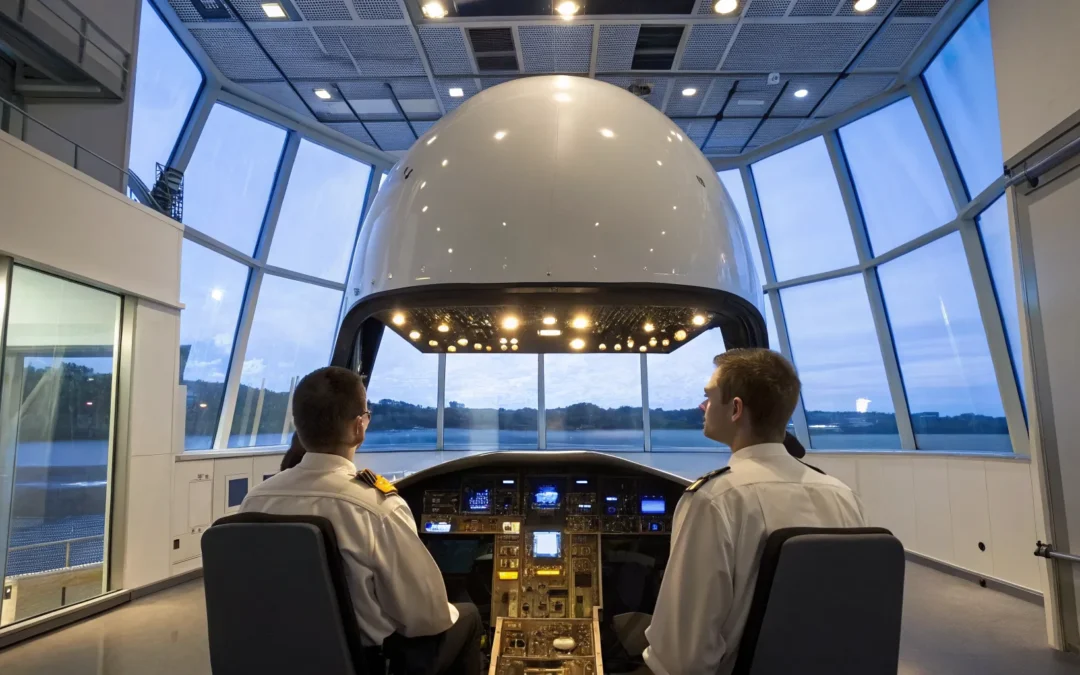
One of the biggest advantages of a Part 142 center is the equipment. These facilities often feature advanced Level C/D full-motion simulators that replicate the cockpit of a commercial airliner with incredible accuracy. Instead of just learning theory, you get to apply it in a realistic environment where you can practice everything from normal procedures to complex emergencies without ever leaving the ground. This hands-on experience is invaluable for building the muscle memory and decision-making skills you need to confidently handle the aircraft. It’s the closest you can get to flying the real thing, making it a cornerstone of effective ATP-CTP training.
FAA-Approved, Specialized Curriculum
Unlike the more flexible approach of a Part 61 school, a Part 142 center uses a curriculum that has been thoroughly reviewed and approved by the FAA. Every lesson, simulator session, and ground school module is part of a structured, integrated program designed to meet specific training objectives. This ensures a consistent, high-quality learning experience for every student. The curriculum is built to meet the requirements of the Federal Aviation Regulations, so you can be sure you’re receiving the most relevant and effective instruction to prepare you for your checkride and your career.
Strict Regulatory Compliance
To earn and maintain their status, training centers must be certificated under Part 142, which means they are held to strict operational and safety standards by the FAA. This isn’t a one-time approval; these centers undergo regular audits and continuous oversight to ensure they are consistently meeting every requirement. For you as a pilot, this certification is a mark of quality and reliability. It means the facility, its equipment, its curriculum, and its records have all been vetted at the highest level, giving you peace of mind that you’re investing in a legitimate, top-tier training program.
Highly Qualified Instructors
The instructors at a Part 142 center are more than just pilots; they are seasoned professionals who meet specific FAA requirements for aeronautical experience. Many are active or retired airline captains who bring a wealth of real-world knowledge from thousands of hours in the cockpit. Learning from these highly qualified professionals gives you access to insights and mentorship you simply can’t get from a textbook. They’ve managed the flights, handled the emergencies, and know exactly what it takes to succeed at the airlines, providing you with practical wisdom that will serve you throughout your career.
Part 142 vs. Part 61: What’s the Difference?
When you’re looking at flight schools, you’ll see two terms pop up constantly: Part 142 and Part 61. These aren’t just random numbers; they refer to specific sections of the Federal Aviation Regulations (FARs) that dictate how a flight school can operate. Think of them as two different paths to the same destination. Your choice between them really comes down to your career goals, your timeline, and the type of training you need. While both can get you certified, their structure, oversight, and overall approach are quite different.
Training Structure and Approach
The biggest distinction between the two is the training environment. Part 61 offers a more flexible, one-on-one style of training. It’s great for recreational pilots or those with unpredictable schedules. A Part 142 school, on the other hand, provides a highly structured training program with a formal, FAA-approved curriculum. These schools are focused on efficiency and standardization, often using advanced flight simulators for a significant portion of the training. This makes them the go-to choice for advanced certifications, like getting a B737 type rating that qualifies you to fly specific large aircraft. The syllabus is rigid, ensuring every student meets the same high standard.
How You Get Certified
Under Part 61, your certification is largely dependent on your individual instructor, who trains you until they feel you meet the FAA requirements for a checkride. The process is less standardized. In a Part 142 training center, the entire organization is certified by the FAA. The curriculum, simulators, aircraft, and instructors must all meet strict requirements laid out in the regulations. The school itself has an FAA-approved training certificate, which means you are progressing through a system that has been thoroughly vetted. This ensures a consistent and reliable quality of instruction, as every part of your training has already received the FAA’s stamp of approval.
Comparing Cost and Time
At first glance, Part 61 training can sometimes appear less expensive because you often pay as you go. However, the structured environment of a Part 142 program can be more time and cost-effective in the long run. Because the curriculum is optimized for efficiency, you often complete your training in fewer hours. For professional pilots, time is money. Programs like the ATP-CTP course are designed to meet rigorous FAA requirements in a condensed, focused timeframe. This structured approach minimizes wasted time and ensures you are on the fastest, most direct path to your certification and your career in the cockpit.
What Kind of Training Can You Get at a Part 142 Center?
Part 142 training centers are hubs for specialized, career-focused pilot education. Unlike the broader training you might find elsewhere, these centers concentrate on the specific certifications and skills you need to fly for an airline or operate complex aircraft. They are designed to take your foundational knowledge and build upon it with rigorous, structured programs that meet the highest FAA standards. Whether you’re aiming for the right seat in a commercial airliner, mastering a new aircraft type, or simply keeping your existing skills sharp, a Part 142 center offers a direct path to achieving your professional goals. The training is intensive, efficient, and directly aligned with the demands of the modern aviation industry.
Airline Transport Pilot (ATP) Certification
If your goal is to fly for an airline, obtaining your Airline Transport Pilot (ATP) certificate is a must. Part 142 training centers are specifically authorized by the FAA to offer the required Airline Transport Pilot Certification Training Program (ATP-CTP). This program is the mandatory prerequisite before you can even take the ATP knowledge test. It’s an intensive course covering aerodynamics, automation, adverse weather conditions, and leadership skills in a multi-crew environment. The curriculum is designed to bridge the gap between your commercial pilot experience and the complex challenges of airline operations, ensuring you are fully prepared to act as a competent and professional crew member from day one.
Specific Aircraft Type Ratings
Once you have your sights set on a particular aircraft, you’ll need a type rating to fly it. Part 142 centers excel at providing this kind of focused training. For example, if you want to fly a Boeing 737, you can enroll in a B737 Type Rating course that concentrates exclusively on that aircraft. These programs use advanced, full-motion Level D simulators that replicate the flight deck and handling characteristics with incredible accuracy. This allows you to gain the necessary skills and knowledge in a controlled environment before ever stepping into the actual aircraft. The training is concise, intensive, and built to get you proficient and certified on a specific type.
Recurrent and Refresher Training
A pilot’s license isn’t a one-and-done achievement; it’s a commitment to lifelong learning. Part 142 centers play a crucial role in this by offering recurrent and refresher training. This is essential for maintaining your proficiency and staying current with the latest regulations, procedures, and technologies. Airlines and corporate flight departments often require their pilots to complete B737 Recurrent Training annually or semi-annually. These courses ensure your skills remain sharp and that you’re always operating at the highest level of safety and professionalism. It’s a great way to stay on top of your game and demonstrate your dedication to your craft throughout your career.
How Does a School Become Part 142 Certified?
Earning a Part 142 certification isn’t as simple as filling out a form. It’s a demanding process that shows a flight school is truly committed to the highest standards of pilot training. The Federal Aviation Administration (FAA) sets a very high bar, and only the most dedicated training centers clear it. Let’s walk through what it takes for a school to earn and keep this prestigious certification.
The FAA Application Process
To become a Part 142 training center, a school must go through a rigorous application process with the FAA. Think of it as a top-to-bottom inspection. The FAA’s Flight Standards Service examines every single detail, from the curriculum and training materials to the simulators and facilities. They also verify the qualifications of every instructor on staff to ensure they meet strict standards. This initial certification is incredibly thorough because it establishes the foundation for a training program that the FAA can stand behind, ensuring every pilot receives a consistent, high-quality education from day one.
Maintaining Ongoing Compliance
Getting certified is just the beginning. To keep its Part 142 status, a training center must continuously meet the FAA’s high standards. The school has to follow a set of strict compliance measures that govern everything from instructor experience to operational procedures. The FAA doesn’t just take their word for it, either. They conduct regular audits and evaluations to make sure the training center is consistently delivering the quality of education required. This ongoing oversight means that when you train at a Part 142 center, you can be confident you’re learning in an environment that is always held accountable.
The Challenges of Staying Part 142 Certified
Earning a Part 142 certification is a major achievement for any flight school, but the work doesn’t stop there. Maintaining that status is an ongoing commitment that requires constant diligence and significant investment. Think of it less like a diploma on the wall and more like a living credential that has to be re-earned every single day. For students, this continuous effort is a huge benefit, as it guarantees the training center is always held to the highest possible standard. But for the school, it presents a unique set of challenges that separate the best from the rest.
Keeping Up with FAA Regulations
The world of aviation is always evolving, and so are the rules that govern it. Part 142 training centers must stay on top of a comprehensive set of FAA regulations that cover everything from operational procedures to training requirements and instructor qualifications. This isn’t a static checklist; it’s a dynamic rulebook that requires constant monitoring and adaptation. When the FAA updates a standard, the training center must immediately adjust its curriculum, manuals, and procedures to remain compliant. This dedication ensures that every pilot receives the most current and relevant training available, preparing them for the realities of today’s cockpit.
Managing Advanced Resources
Providing top-tier training requires top-tier tools. Part 142 certification demands that a school invest in advanced resources, including sophisticated flight simulators and a team of highly qualified personnel. These aren’t optional extras; they are foundational requirements. The financial and logistical commitment to acquire, maintain, and upgrade this equipment is substantial. It also means recruiting and retaining a team of instructors who not only are expert pilots but also meet the FAA’s strict experience and teaching qualifications. This investment is what allows students to train in realistic environments under the guidance of true industry professionals.
Preparing for Regular Audits
A Part 142 certificate comes with a key condition: regular FAA audits. These aren’t just friendly check-ins. They are thorough inspections where the training center must prove it’s following every rule to the letter. FAA inspectors verify that the training programs are effective, the equipment is properly maintained, and the instructors meet all aeronautical experience requirements. This means a school must always be prepared to open its books and demonstrate its commitment to excellence. For students, these audits provide peace of mind, confirming that their chosen training center is consistently operating at the peak of safety and quality.
Common Myths About Part 142 Training, Busted
When you’re mapping out your pilot career, you’ll hear a lot of opinions about the best way to get your ratings. Part 142 training centers often get misunderstood in these conversations. Let’s clear up some of the most common myths so you can make an informed decision about your future in the cockpit.
Misconceptions About Training Scope
You might have heard that Part 142 centers are just “sim schools” focused entirely on simulator training. While it’s true that state-of-the-art flight simulators are a huge part of what we do, that’s not the whole story. The core of Part 142 is its highly structured, FAA-approved curriculum designed for specific, advanced goals. This isn’t just about logging sim hours; it’s about mastering complex systems and procedures in a controlled environment. This focused approach is ideal for intensive programs like an ATP CTP course or getting a type rating for a specific aircraft.
The Truth About Quality and Rigor
Some pilots wonder if a standardized program can be as thorough as other training paths. The reality is, a school’s FAA Part 142 certification is a seal of approval that guarantees quality. To earn and maintain this certificate, a training center must meet the FAA’s highest standards for curriculum, instructors, equipment, and operational procedures. Every element of your training has been meticulously reviewed and approved, ensuring you receive a consistent, high-caliber education that prepares you for the real-world demands of commercial aviation. It’s not an easier path; it’s a smarter one.
How It Expands Your Career Opportunities
There’s a misconception that this type of specialized training might limit your options. In fact, it does the exact opposite. Airlines and commercial operators specifically seek out pilots who have completed training at Part 142 centers. Why? Because it proves you can handle the rigorous, procedure-driven environment of an airline cockpit. Completing a B737 Type Rating or an ATP-CTP program shows employers you’re serious about your career and have already been trained to their high standards. This kind of training doesn’t close doors; it opens the ones that lead directly to the flight deck.
Is Part 142 Training Right for You?
Deciding on the right training path is a huge step in your aviation journey. A Part 142 center offers a very specific type of training that’s perfect for certain career goals. Let’s look at who benefits most from this structured, FAA-approved environment.
For Professional Pilots Seeking Type Ratings
If you’re already a professional pilot, you know that career progression often means getting qualified to fly larger, more complex aircraft. This is where Part 142 training centers shine. They are specifically designed to provide the advanced training required for aircraft like the Boeing 737. Airlines and commercial operators rely on these centers to ensure their pilots are proficient and meet the highest standards. If your goal is to earn a B737 Type Rating or complete recurrent training to stay sharp, a Part 142 program offers the focused, simulator-based curriculum you need to get into the right seat.
For Career-Changers Entering Aviation
Switching careers and stepping into the world of aviation is an exciting move. A Part 142 training center can provide the clear, structured pathway you need. Think of the FAA Part 142 certification as a stamp of approval; it guarantees the school meets strict federal standards for its curriculum, training materials, and overall operations. This gives you peace of mind, knowing you’re investing in a high-quality program that is recognized and respected throughout the industry. It’s a direct route to getting the credentials you need for a successful career as a commercial pilot.
For International Student Pilots
Coming to the U.S. for flight training opens up a world of opportunity. Part 142 centers are particularly well-suited for international student pilots because they specialize in advanced training for specific large aircraft. Much of this training happens in sophisticated flight simulators, allowing you to gain proficiency on the exact type of plane you aim to fly for commercial airlines. Whether you need a type rating or an ATP certificate, you’ll receive instruction from highly qualified, authorized personnel who are experts in their field. This ensures you get the specialized skills required to meet global aviation standards and achieve your career goals.
How to Choose the Right Part 142 Training Center
Picking the right Part 142 training center is a major step in your aviation career. Since these schools represent a significant investment of time and money, you want to be sure you’re choosing a partner that aligns with your goals. Not all Part 142 centers are created equal. They differ in location, program focus, and the quality of their equipment. To make the best choice, you’ll need to look closely at a few key factors. Think about where the school is located, what specific courses it offers, and the technology it uses for training. Doing this research upfront will help you find a center that not only meets FAA standards but also fits your personal and professional needs perfectly.
Consider the Location and Accessibility
Where a training center is located can have a big impact on your overall experience. You’ll want to think about travel time, living costs, and how easy it is to get there. Many Part 142 centers are situated near major airports to accommodate pilots flying in for training. For pilots on the West Coast, finding a school in your region can save you valuable time and money. For example, a center in Las Vegas offers convenient West Coast ATP-CTP training for students from California, Arizona, and beyond. Accessibility is also a critical factor for international students, who need a straightforward travel process and a supportive environment to get settled.
Review Their Program Offerings
Before you commit to a school, make sure its programs match your career ambitions. Part 142 centers offer highly specialized training, so you need to find one that provides the exact certification or rating you’re looking for. Are you working toward your ATP certificate? Or do you need a specific type rating, like for the Boeing 737? Check the center’s course catalog to see if they have an FAA-approved program that fits your needs. A dedicated ATP CTP course, for instance, is a foundational program for any aspiring airline pilot. The best centers focus on specific training paths and have a proven track record of success in those areas.
Check Out the Facilities and Technology
The quality of a Part 142 center’s facilities, especially its flight simulators, is non-negotiable. These advanced simulators are where you’ll spend hours learning to handle complex systems and emergency situations in a safe, controlled setting. A school’s commitment to an FAA Part 142 certification is a strong indicator of its quality, as it confirms the center meets strict standards for its curriculum, instructors, and equipment. When you’re evaluating a school, ask about their simulators. Are they modern, well-maintained, and approved for the training you need? Top-tier facilities provide a more realistic and effective training experience, preparing you for the realities of the flight deck.
Related Articles
- 8 Best Aviation Schools in USA for International Students – Las Vegas Flight Academy
- How to Become an Airline Pilot: The Ultimate Guide – Las Vegas Flight Academy
- 5 Cheapest ATP CTP Course Options for Pilots – Las Vegas Flight Academy
Frequently Asked Questions
Is Part 142 training always more expensive than Part 61? Not necessarily when you look at the big picture. While the upfront cost of a structured Part 142 program might seem higher, it’s often more efficient. The FAA-approved curriculum is designed to get you proficient in a set amount of time, which can prevent the extra hours and costs that sometimes accumulate in a more flexible training environment. Think of it as an investment in a direct and predictable path to your career goals.
Can I start my flight training from zero at a Part 142 center? While some Part 142 centers may offer initial training, they are really built for advanced, career-focused certifications. Most pilots complete their private and commercial pilot licenses under a Part 61 structure first. Then, they come to a Part 142 center for specialized programs like the ATP-CTP course or a B737 type rating, which are the final steps before an airline career.
Why is having an FAA-approved curriculum so important? An FAA-approved curriculum is your assurance of quality and consistency. It means that every lesson, simulator session, and piece of course material has been thoroughly reviewed and validated by the FAA to meet the highest industry standards. This removes any guesswork from your training and ensures you are learning the exact procedures and skills that airlines and the FAA require for safe, professional operations.
How much of my training will actually be in a simulator? For advanced courses like a type rating or the ATP-CTP, a significant portion of your training is intentionally conducted in a simulator. This is a major advantage. Advanced simulators allow you to practice complex emergency procedures and system failures in a safe, controlled setting, something you simply can’t do in a real aircraft. It builds critical decision-making skills and muscle memory, making you a more competent and confident pilot.
Does a Part 142 certificate guarantee I’ll get an airline job? No training program can guarantee a job, but completing a course at a Part 142 center makes you a highly competitive candidate. Airlines value this type of training because they know you’ve been educated in a structured, professional environment that mirrors their own operational standards. Graduating from a Part 142 program signals to employers that you are serious about your career and have already met a very high bar for quality.