
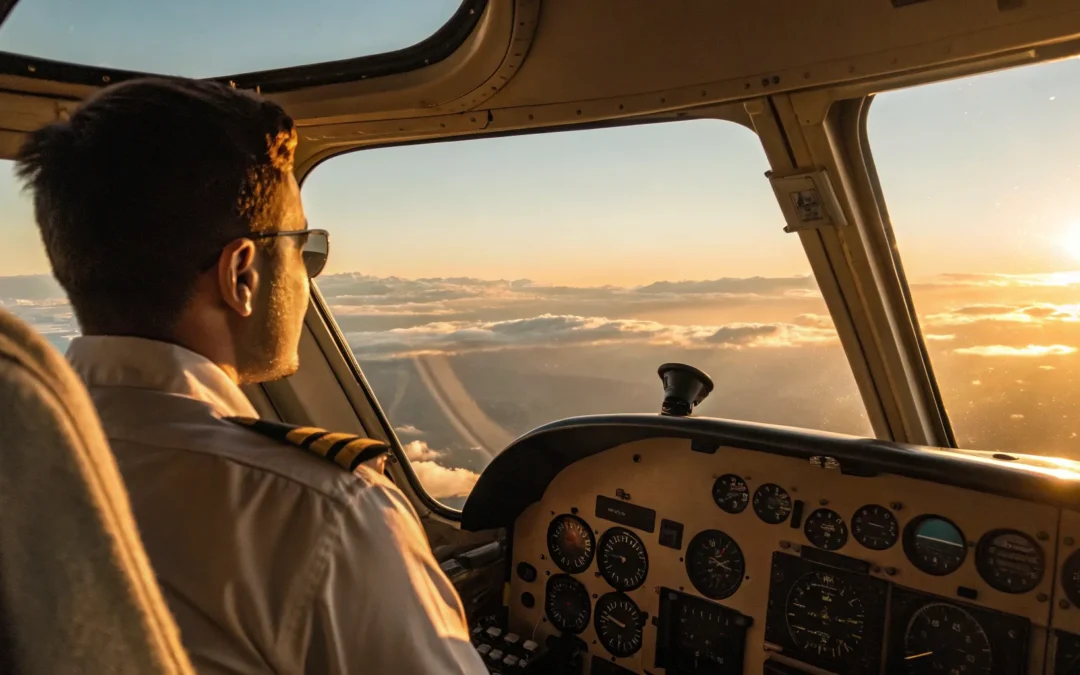
Many people dream of flying but get stopped by common myths about the process. They worry it’s too expensive, that they need perfect vision, or that the training is impossibly difficult. Let’s clear the air. While the journey requires commitment, becoming an FAA pilot is an achievable goal for dedicated individuals. This article tackles those myths head-on and provides a realistic look at the challenges you might face, from funding your training to passing your exams. We’ll give you practical advice and resources to help you overcome these hurdles and stay on course toward earning your wings.
Key Takeaways
- FAA certification is a structured, step-by-step process: The path to becoming a pilot isn’t a mystery; it’s a well-defined progression from a student certificate to an Airline Transport Pilot license, ensuring you build a solid foundation of skills at every stage.
- Proactive planning is essential for success: Flight training is a significant investment of time and money. You can stay on track by creating a realistic budget, exploring financing and scholarship options, and establishing a consistent training schedule from the beginning.
- Your certificate is a license to keep learning: Earning your wings is the start of a lifelong career, not the end of your education. The profession demands a continuous commitment to safety and proficiency, which is the hallmark of every great pilot.
What is an FAA-Certified Pilot?
Simply put, an FAA-certified pilot is an aviator who has proven they have the skills, knowledge, and experience to safely operate an aircraft within the U.S. National Airspace System. This certification is issued by the Federal Aviation Administration (FAA), the governing body that sets the rules for all things aviation in the United States. Think of it as the ultimate license to fly, demonstrating that you meet a universal standard of safety and competence.
Being FAA-certified opens the door to a variety of flying careers. Whether you dream of transporting passengers for a major airline, flying cargo across the country, or conducting private charter flights, this certification is your non-negotiable starting point. It’s a testament to your dedication and a signal to employers and passengers alike that you are a trained professional who operates under a strict set of regulations designed to keep everyone safe in the skies. The journey involves rigorous training, written exams, and practical flight tests, all designed to ensure you’re prepared for the responsibilities of being a pilot.
The Different Types of Pilot Certificates
The path to becoming a pilot isn’t a single leap but a series of steps, each marked by a different type of pilot certificate. The FAA has created a ladder of certifications that allows you to build your skills and privileges over time. Each level requires more training and demonstrates a higher level of proficiency.
The main levels of pilot certification in the United States include:
- Student Pilot: The first step, allowing you to fly solo under an instructor’s supervision.
- Private Pilot: Lets you fly for pleasure and carry passengers, but not for compensation.
- Commercial Pilot: Allows you to be paid for your flying services.
- Airline Transport Pilot (ATP): The highest level of pilot certification, required to act as a captain for a major airline.
Why FAA Certification Matters
FAA certification is the bedrock of aviation safety in the United States. It’s more than just a requirement; it’s a comprehensive system that ensures every pilot, aircraft, and flight operation adheres to the same high standards. The FAA doesn’t just certify pilots; it also sets the rules for manufacturing and maintaining aircraft and oversees air traffic control. This integrated approach creates a predictable and secure environment for everyone.
When you earn your FAA certificate, you become part of this culture of safety. It signifies that you have been trained to handle not just routine flights but also unexpected challenges and emergencies. This standardization is what makes air travel one of the safest forms of transportation. It provides a universal language and set of procedures that allow pilots from different backgrounds and training programs to operate seamlessly and safely in the same airspace.
FAA Pilot Certificate Requirements
Think of becoming a pilot like climbing a ladder. You can’t just jump to the top rung; you have to master each step along the way. The FAA has a structured system of pilot certificates, each one building on the last and opening up new privileges and responsibilities. It all starts with getting your student certificate and can go all the way to the Airline Transport Pilot (ATP) certificate, which is the highest level a pilot can achieve.
Each certificate has its own set of specific requirements covering age, medical fitness, flight hours, and knowledge. As you advance, the standards become more rigorous, demanding greater skill, experience, and a deeper understanding of complex aviation systems and regulations. This progressive approach ensures that pilots are thoroughly prepared for the challenges of each new level of flying. For example, the flight hours needed for a Private Pilot certificate are a fraction of what’s required for an ATP certificate, and the written exams become progressively more difficult. This ensures that by the time you’re responsible for hundreds of passengers, you have extensive real-world experience and theoretical knowledge. Whether your goal is to fly for fun on the weekends or to command a Boeing 737 for a major airline, understanding these requirements is the first step in mapping out your career path in the sky.
Student Pilot
The Student Pilot Certificate is your official entry into the world of aviation. It’s essentially your learner’s permit for the sky. This certificate is what allows you to start logging flight hours and, most excitingly, to fly an aircraft solo with your instructor’s endorsement. It’s the foundational step where you’ll learn the absolute basics of controlling an airplane, from takeoffs and landings to basic maneuvers. To get one, you need to be at least 16 years old (14 for gliders and balloons), be able to read, speak, and understand English, and hold at least a third-class medical certificate. This is where your hands-on training truly begins.
Private Pilot
Earning your Private Pilot Certificate (PPL) is a major milestone. This is the license that allows you to fly an aircraft on your own or with friends and family for personal travel or recreation—you just can’t be paid for it. To qualify, you must be at least 17 years old and pass a medical exam. The training is more intensive, requiring a minimum of 40 flight hours, which includes at least 20 hours with an instructor and 10 hours of solo flight. You’ll also need to pass a written knowledge test and a practical flight exam, known as a checkride, with an FAA examiner. This certificate proves you have the fundamental skills to be a safe and competent pilot.
Commercial Pilot
Ready to make a living from flying? The Commercial Pilot Certificate is your ticket to getting paid for your skills. To earn this certificate, you must be at least 18 years old and already hold a Private Pilot Certificate. The flight time requirements jump significantly to a minimum of 250 hours. This experience must include specific types of training to ensure you can handle the demands of professional flight operations, such as flying in different weather conditions and performing more complex maneuvers. This certificate opens the door to careers like being a flight instructor, a charter pilot, or an agricultural pilot, setting the stage for more advanced opportunities.
Airline Transport Pilot (ATP)
The Airline Transport Pilot (ATP) Certificate is the highest level of pilot certification issued by the FAA. This is the credential required to act as a pilot in command for a major airline. The requirements are stringent: you must be at least 21 years old, hold a Commercial Pilot Certificate, and have logged a minimum of 1,500 flight hours. A key part of this process is completing an Airline Transport Pilot Certification Training Program (ATP-CTP), which includes academic coursework and simulator training. This program prepares you for the complexities of operating in an airline environment, focusing on aerodynamics, automation, and crew leadership. It’s the final step for pilots aiming for a career in the flight deck of a commercial airliner.
How Do You Become an FAA-Certified Pilot?
Earning your wings is an incredible achievement, and the path to becoming an FAA-certified pilot is a well-defined journey. It’s not about luck; it’s about dedication, skill, and following a structured process. Think of it as a series of milestones, each one building on the last, bringing you closer to the cockpit. Whether you dream of flying for a major airline or simply want to command the skies privately, the journey starts with these fundamental steps. Let’s walk through exactly what it takes to go from aspiring aviator to a fully certified pilot.
Step 1: Get Your Medical Certificate
Before you even think about touching the controls, your first move is to secure an FAA medical certificate. This is a non-negotiable first step that confirms you meet the health and fitness standards required to safely operate an aircraft. An Aviation Medical Examiner (AME) will conduct the exam. Getting this done early is smart—it ensures you won’t spend time and money on training only to hit a medical roadblock later. Think of it as getting your official green light to pursue your passion for flight. Once you have your medical certificate in hand, you can move forward with confidence.
Step 2: Complete Ground School and Flight Training
This is where your pilot education truly takes flight. Your training is split into two essential parts: ground school and flight training. Ground school is your academic foundation, where you’ll learn the theory behind flying—aerodynamics, FAA regulations, weather patterns, and navigation. Then, you’ll apply that knowledge in the cockpit during your flight training. With a certified instructor by your side, you’ll gain the hands-on experience needed to master takeoffs, landings, and in-flight maneuvers. A comprehensive ATP CTP course integrates both of these critical components to build a solid foundation of knowledge and skill.
Step 3: Pass the Written Knowledge Test
After absorbing everything from ground school, it’s time to prove your theoretical knowledge. The FAA written knowledge test is a multiple-choice exam designed to assess your understanding of key aviation concepts. You’ll be tested on the same subjects you covered in ground school, from regulations to meteorology. Passing this exam is a major checkpoint in your training. It confirms you have the book smarts required to be a safe and competent pilot, clearing you for the final and most exciting phase of your certification process: the practical test.
Step 4: Ace Your Practical Flight Test (The Checkride)
This is the moment all your training has been leading up to. The practical test, known as the checkride, is your final exam. It consists of two parts: an oral exam and an in-flight test with an FAA-designated examiner. The examiner will quiz you on your knowledge and then observe as you perform a series of flight maneuvers to demonstrate your skills. It’s your chance to show that you can confidently and safely act as pilot-in-command. Passing your checkride is the final step to earning your pilot certificate and officially achieving your dream of becoming an FAA-certified pilot.
Overcoming Common Pilot Training Challenges
The path to the cockpit is incredibly rewarding, but it comes with its own set of challenges. From securing funding to acing your final checkride, every pilot has faced hurdles on their journey. The key is to anticipate these obstacles and have a solid plan to address them. Think of these challenges not as roadblocks, but as part of the training that shapes you into a capable and resilient pilot. With the right preparation and mindset, you can work through each one.
Let’s walk through some of the most common challenges you might encounter and discuss practical ways to handle them, so you can stay focused on your goal of earning your wings.
Funding Your Flight Training
Let’s be direct: flight training is a significant financial investment. For many aspiring pilots, the cost is the first and biggest hurdle. The good news is that you don’t have to face it alone. Start by researching all your options, from federal student loans to private financing. Many aviation-specific organizations also offer scholarships for flight training to help deserving students cover their costs. Viewing your training as an investment in a long-term, fulfilling career can help you create a financial plan that works for you and gets you into the air.
Meeting Strict Testing Standards
The FAA sets high standards for a reason—to ensure every pilot is safe, proficient, and prepared for anything. You’ll face both a written knowledge test and a practical flight test, known as the checkride. These exams can feel intimidating, as they’re designed to test your knowledge and skills under pressure. The best way to prepare is through consistent study and practice. Work closely with your instructor to master complex maneuvers and review regulations until they become second nature. Thorough preparation is what builds the confidence you need to meet the certification standards and prove you’re ready to be a pilot.
Staying Current and Proficient
Earning your pilot certificate is a huge milestone, but it’s not the end of your training. Aviation is a field of lifelong learning. To keep your pilot privileges, you’ll need to fly regularly and complete flight reviews to stay sharp. These requirements aren’t just about checking a box; they ensure you remain a safe and competent pilot. Staying proficient means your skills are always ready when you need them, your confidence remains high, and you’re always prepared for the responsibilities of being a pilot in command. It’s a continuous commitment to excellence that defines every great aviator.
Managing Your Training Schedule
Many student pilots are also juggling jobs, school, or family commitments, which can make scheduling flight lessons a real challenge. Time management becomes one of the most important skills you can develop. The key is to create a structured and realistic training schedule that you can stick to. Work with your flight school to map out a consistent plan, whether that’s flying once a week or multiple times a week. A steady pace helps you retain information better and progress more efficiently, preventing you from getting rusty between lessons and helping you make the most of your study time.
A Day in the Life of an FAA Pilot
Ever wonder what a pilot’s day really looks like? It’s far more than the time spent in the air. A typical day is a carefully orchestrated sequence of planning, checking, and communicating. From the moment they arrive at the airport to long after the plane is parked, pilots follow rigorous procedures designed to ensure the safety of everyone on board. This commitment to discipline and precision is what defines a professional pilot. Let’s walk through the key phases of a pilot’s day to give you a clearer picture of the responsibilities that come with the job.
Pre-Flight Planning and Inspections
A pilot’s day starts on the ground with comprehensive pre-flight planning. This involves checking weather forecasts, reviewing flight routes, and filing a flight plan. Next comes the physical walk-around inspection. Pilots must conduct a thorough check to ensure the aircraft is safe for flight, which includes verifying fuel and oil levels and testing the control surfaces. This meticulous process ensures any potential issues are identified before you ever leave the tarmac, setting the foundation for a safe and successful flight.
In-Flight Operations and Safety
Once airborne, a pilot’s focus shifts to managing the flight and maintaining situational awareness. This means constantly monitoring the aircraft’s systems, cross-referencing instruments, and watching for changing weather. Safety is an ongoing commitment, not a one-time check. The FAASTeam (FAA Safety Team) helps pilots stay sharp by providing continuous education and training resources. By regularly completing courses and staying current on best practices, pilots ensure they are always operating at the highest standard of safety, a dedication that keeps the skies safe.
Communicating with Air Traffic Control
Clear and concise communication is a critical skill for every pilot. Throughout a flight, you are in constant contact with Air Traffic Control (ATC). This dialogue involves receiving clearances, reporting your position, and following instructions to maintain safe separation from other aircraft. For many new pilots, mastering aviation phraseology can feel like learning a new language, but it becomes second nature with practice. This skill is essential for creating a safe and efficient flow of air traffic, turning a complex airspace into a well-coordinated system.
Handling Emergency Procedures
While every pilot hopes for uneventful flights, they are extensively trained to handle the unexpected. A huge part of your training is preparing for various emergency situations, from engine trouble to instrument failures. Pilots must be ready to make quick, critical decisions while following established protocols to resolve any issue safely. This is why flight schools dedicate so much time to practicing emergency procedures in simulators and aircraft. This rigorous preparation builds the confidence and muscle memory needed to remain calm and take decisive action under pressure.
FAA Pilot Salary and Career Outlook
Becoming a pilot is more than just a job; it’s a career path filled with opportunity and growth. The dedication you put into your training pays off, not just in the incredible experiences you’ll have, but also in financial stability and a strong job market. Let’s look at what you can expect once you earn your wings and what the future holds for professional pilots. This career is demanding, but it offers significant rewards for those who are passionate about aviation.
Pilot Salary Ranges
The commitment required to become a pilot is reflected in the compensation. In the United States, the average annual salary for a FAA Pilot is around $130,916. That breaks down to about $62.94 an hour, or $10,909 per month. This competitive salary shows how valued skilled pilots are in the industry. Of course, salaries can vary based on the airline, type of aircraft, and your years of experience, but it’s clear that a career in aviation offers a solid financial future for those who put in the work.
Opportunities for Career Advancement
Your pilot certificate is a launchpad for a dynamic career. Many pilots start by working as flight instructors or training in the military to build the necessary flight hours. For those dreaming of flying for a major airline, the ultimate goal is the Airline Transport Pilot (ATP) certificate. This certification typically requires 1,500 flight hours, though there are pathways with reduced minimums for military pilots or graduates of specific aviation degree programs. Each step, from your first solo flight to earning your ATP, opens up new doors and higher-level opportunities within the industry.
The Job Market for Pilots
While you might hear that the total number of pilots has decreased over the last few decades, the demand for well-trained, qualified pilots remains incredibly strong. There are currently around 691,691 active pilots in the United States. As the aviation industry continues to grow and many experienced pilots approach retirement age, airlines and other aviation companies are actively seeking new talent. This creates a promising outlook for anyone starting their training now, ensuring your skills will be in high demand for years to come.
How Long Does FAA Pilot Certification Take?
So, how long does it actually take to get your pilot certificate? This is one of the first questions every aspiring pilot asks, and the honest answer is: it varies. While there are typical timelines for dedicated students, your personal journey will depend on several key factors. Think of it less like a fixed semester and more like a path you travel at your own pace. Your progress is shaped by the type of training program you choose, your personal schedule, and your budget.
The journey from your first discovery flight to holding an Airline Transport Pilot (ATP) certificate is a multi-stage process. Each certificate—from Private Pilot to Commercial Pilot—has its own set of requirements for flight hours, ground school, and testing. A full-time student in an accelerated program might move through these stages much faster than someone training part-time on weekends. Understanding the typical path and the variables that can affect it will help you set realistic goals for your own aviation career. Below, we’ll break down what you can generally expect and what might speed up or slow down your training.
Typical Training Timelines
For those who can commit to full-time training, the path can be relatively quick. Many accelerated programs can take a student with zero experience to a certified flight instructor in about 12 months. If you already have your Private Pilot License, you could complete your Commercial and Instructor certificates in around nine months. This fast-track approach involves a structured schedule of ground school, where you learn the theoretical knowledge, and consistent flight lessons. You’ll need to pass a written exam and a practical flight test, known as a “checkride,” for each certificate you earn. This timeline assumes you’re flying several times a week and studying consistently.
Factors That Affect Your Training Duration
Your personal timeline is influenced by more than just the flight school’s schedule. The two biggest factors for most students are time and money. Financial constraints can pause training, and spreading out lessons to fit a budget will naturally extend the overall duration. Similarly, time management is a huge piece of the puzzle. If you’re balancing flight school with a full-time job or family commitments, your progress will likely be slower than someone who can dedicate 40 hours a week to training. Other variables like weather cancellations, aircraft maintenance, and your own study habits also play a role in how quickly you reach your goals.
Where Should You Get Your FAA Pilot Training?
Choosing where to get your flight training is one of the most important decisions you’ll make on your journey to becoming a pilot. The right school sets the tone for your entire career, so it’s worth taking the time to understand your options and find the perfect fit for your goals.
Part 61 vs. Part 142 Flight Schools
When you start looking at flight schools, you’ll see them described by FAA regulatory parts, most commonly Part 61 and Part 142. Part 61 schools offer a lot of flexibility, allowing you to train on a more adaptable schedule. This can be a great option if you’re balancing training with work or other commitments. On the other hand, FAA Part 142 certified training centers follow a highly structured, FAA-approved curriculum. This regimented approach is designed for pilots on a professional track, ensuring you meet rigorous standards efficiently. This type of structured training is a key part of the pilot certification in the United States process for career-focused aviators.
How to Choose the Right Training Program
Picking the right flight school is a personal decision that sets the foundation for your future in aviation. Before you commit, do your research. I always recommend visiting the schools you’re considering, if you can. Talk to instructors and current students to get a feel for the culture. Is it professional and supportive? Ask about their aircraft, safety record, and instructor availability. AOPA offers a helpful guide to choosing a flight school that can walk you through the right questions to ask. You want to find a program that not only teaches you to fly but also aligns with your ultimate career ambitions.
Why Pilots Choose Las Vegas Flight Academy
If you’re on the professional pilot track and located on the West Coast, a specialized training center can give you a significant edge. Las Vegas Flight Academy is one of the only FAA Part 142 training centers in the region offering the Airline Transport Pilot Certification Training Program (ATP-CTP). Pilots from California, Arizona, Oregon, and across the Pacific Rim come to us for our focused, high-quality instruction and comprehensive programs, including B737 Type Ratings. We provide a clear, structured path to help you achieve your goals, which is why so many pilots choose our West Coast ATP-CTP training facility to launch their advanced careers.
Resources to Help You Succeed
Flight training is a demanding process, but you don’t have to go through it alone. A wealth of resources is available to support you every step of the way, from your first ground school lesson to your final checkride. Knowing where to find reliable information, practice opportunities, and a strong support system can make all the difference in your journey. Tapping into these tools will help you study more effectively, fly more confidently, and build a solid foundation for your entire aviation career. Think of these resources as your co-pilots, helping you manage the challenges so you can focus on becoming the best pilot you can be.
Official FAA Materials and Workshops
When it comes to rules, regulations, and procedures, your best bet is always to go straight to the source. The Federal Aviation Administration (FAA) provides an incredible amount of free material to help student pilots. The FAASafety.gov website is your go-to hub for official pilot handbooks, training guides, and essential forms. Instead of relying on secondhand information, you can download the exact materials your written and practical exams will be based on. This ensures you’re studying the most accurate and current information available, which is critical for both passing your tests and becoming a safe, knowledgeable pilot.
Flight Simulators and Online Tools
Modern technology offers amazing tools for reinforcing what you learn in the cockpit. Flight simulators, whether on your home computer or in a professional training center, are perfect for practicing procedures, emergency checklists, and instrument flying without the cost of fuel and air time. Additionally, the FAA Safety Team (FAASTeam) offers a variety of free online courses designed to improve pilot knowledge and safety. These resources allow you to gain valuable experience and confidence on the ground, making your time in the air more productive. At advanced levels, simulator training becomes a core part of earning certifications like a B737 Type Rating.
Mentors and Instructor Relationships
Your Certified Flight Instructor (CFI) is one of the most important people in your aviation journey. The relationship you build with them is fundamental to your success. A great instructor does more than just teach you how to fly; they act as your mentor, guide, and biggest supporter. Don’t be afraid to ask questions, admit when you’re struggling, and seek their advice. Finding an instructor you connect with can transform your training experience from a series of lessons into a true mentorship. The experienced team at a quality flight school understands this dynamic and is dedicated to helping you succeed.
Professional Aviation Organizations
Joining a professional aviation organization is a fantastic way to connect with the broader pilot community. Groups like the Aircraft Owners and Pilots Association (AOPA) offer a huge range of benefits, including flight training resources, safety courses, magazines, and networking events. Being a member gives you access to a support system of fellow aviators who have been exactly where you are. These organizations also advocate for pilots’ rights and work to keep flying accessible and safe for everyone. It’s a great way to stay informed about the industry and build connections that can last your entire career.
Common Myths About Becoming a Pilot
Let’s clear the air on a few things. Plenty of misconceptions float around about becoming a pilot, and they can be discouraging if you don’t know the facts. Before you let a common myth ground your ambitions, let’s look at what’s really required to earn your wings.
Myth: It’s Too Expensive
Flight training is a significant investment, but the idea that it’s completely out of reach for the average person is a myth. Many aspiring pilots use a combination of financing options to fund their education, from specialized aviation loans to personal savings and even support from family. There are also countless aviation scholarships available from organizations dedicated to helping new pilots get started. It’s helpful to think of it less as a cost and more as an investment in a highly rewarding and well-paying career. The key is to research your options and create a solid financial plan before you begin your training.
Myth: You Need Perfect Vision and a Degree
This is one of the most persistent myths out there. You absolutely do not need perfect, uncorrected 20/20 vision to be a pilot. The FAA’s standards allow for corrective lenses—glasses or contacts—as long as your vision can be corrected to 20/20. You’ll just need to pass a medical exam to get your certificate. Similarly, while a four-year degree was once a common requirement for major airlines, that’s no longer the case for many. Airlines are now focused more on your flight experience, training quality, and skill. Your performance in a certified training program and your accumulated flight hours are what truly matter.
Myth: You Can Get Certified in a Few Weeks
While some accelerated programs promise fast results, becoming a proficient and safe pilot takes time. The FAA sets strict minimum requirements for flight hours and experience for each type of pilot certificate, and for good reason—safety is paramount. Rushing through training can leave you with gaps in your knowledge and skills. A quality flight school will focus on building a strong foundation, not just checking boxes as quickly as possible. The actual timeline depends on your schedule and how often you can fly. Expect to dedicate several months, not weeks, to becoming a pilot the right way.
Related Articles
- How Long Does It Take to Become an Airline Pilot in 2025? – Las Vegas Flight Academy
- FAA Approved Flight School & Pilot Training Academy in Las Vegas USA
- Inside LVFA’s 6-Day ATP-CTP: A Day-by-Day Guide to Your Airline Prep – Las Vegas Flight Academy
- pilot training course Archives – Las Vegas Flight Academy
- pilot schools in the us Archives – Las Vegas Flight Academy
Frequently Asked Questions
What’s the absolute first step I should take if I’m serious about becoming a pilot? Before you spend a dime on flight lessons, schedule an appointment with an Aviation Medical Examiner (AME) to get your FAA medical certificate. This is the official green light that confirms you meet the health standards required to fly. Getting this done first ensures you won’t invest time and money into training only to discover a medical issue that prevents you from getting certified.
Do I need a college degree to become an airline pilot? While a four-year degree was once a standard expectation, it’s no longer a strict requirement for many major airlines. Today, the focus is much more on the quality of your flight training, your total flight hours, and your overall skill as a pilot. A structured, professional training program is far more critical to your career than a specific college major.
What’s the main difference between a Part 61 and a Part 142 flight school? Think of it as flexible versus structured. Part 61 schools offer a more adaptable, self-paced training schedule, which can be great if you’re learning to fly as a hobby. Part 142 training centers, like Las Vegas Flight Academy, follow a highly structured, FAA-approved curriculum designed for career-track pilots. This regimented approach ensures you meet rigorous standards efficiently and is often required for advanced certifications like the ATP-CTP.
Can international students get FAA pilot training in the U.S.? Yes, absolutely. The FAA pilot certificate is recognized globally, making the U.S. a popular destination for flight training. International students will need to go through a specific process, which includes applying to a SEVP-certified flight school and obtaining the proper visa. It’s a well-established path for aspiring pilots from all over the world.
How do I know if I’m medically qualified to be a pilot? The FAA has specific medical standards, but they are not as restrictive as many people think. For example, wearing glasses or contact lenses is perfectly acceptable as long as your vision is correctable to 20/20. The only way to know for sure is to be evaluated by an AME. They will conduct a physical exam to determine if you meet the requirements for the class of medical certificate you need.