Life as a pilot can take you in unexpected directions. You might spend a few years flying a different aircraft, take a personal leave, or find yourself on a career path that temporarily grounds you. When the time comes to return to the flight deck of a Boeing 737, it’s normal to feel like your skills are a bit rusty. The good news is you don’t have to start from scratch. A focused 737 requalification training program is designed specifically for pilots like you. It’s a tailored refresher course that rebuilds muscle memory, sharpens your procedural knowledge, and restores your confidence, ensuring you are fully prepared to safely command the aircraft once again.
Key Takeaways
- Requalification is a focused refresher, not a do-over: This training is designed to reactivate your existing B737 type rating by building on the skills you already have. The curriculum’s intensity is customized based on how long you’ve been away from the flight deck.
- Training combines classroom knowledge with simulator practice: You will begin with ground school to review aircraft systems and updated safety protocols like MCAS. Afterward, you’ll move into a full-flight simulator to apply that knowledge and rebuild your hands-on proficiency.
- Prioritize quality when choosing a training center: Select an FAA-approved Part 142 provider that uses high-fidelity Level D simulators and employs experienced instructors. A quality program ensures you regain your currency and confidence safely and efficiently.
What is 737 Requalification Training?
Requalification training is your pathway back to the 737 flight deck if you hold a type rating but haven’t flown the aircraft recently. It’s a focused refresher course designed to bring your skills and knowledge up to current standards. Life in aviation can take many turns, from flying a different aircraft to taking a personal leave. This training ensures you’re fully prepared to safely operate the aircraft again by combining ground school and intensive simulator sessions to get you current and confident.
Getting You Current and Confident in the Cockpit
The primary goal of requalification training is to make you feel completely at home in the 737 cockpit again. It’s about more than just satisfying a regulatory requirement; it’s about rebuilding your muscle memory and restoring your confidence. Through detailed ground instruction and realistic simulator sessions, you’ll revisit aircraft systems, operating procedures, and emergency protocols. This controlled environment allows you to practice and perfect your skills without pressure. By the end of the program, you’ll be mentally and technically prepared to handle the aircraft with proficiency.
Why It’s Required for Safety and Compliance
The aviation industry operates on a foundation of uncompromising safety, upheld by strict regulatory standards. Aviation authorities like the Federal Aviation Administration (FAA) mandate that pilots maintain currency on the aircraft they fly. If you exceed the time limit without flying a 737, your type rating is no longer considered valid for flight operations. Requalification training is the official, approved process to reactivate your privileges. This requirement ensures every pilot in command meets the highest standards of competence, protecting crews and passengers.
How Requalification Differs From Your Initial Type Rating
It’s important to distinguish requalification from your initial type rating. Your initial training was an exhaustive program that taught you the B737 from the ground up. Requalification, however, is a tailored program that builds upon your existing knowledge. The curriculum’s length and intensity are directly based on how long you’ve been away from the aircraft. A pilot who has been non-current for 18 months will need a different training footprint than one who has been away for four years. This customized approach makes the process efficient, focusing on refreshing key knowledge and honing flight skills.
Are You Eligible for 737 Requalification?
If you’ve been out of the Boeing 737 cockpit for a while, you might be wondering what it takes to get back in. The good news is that the path to requalification is clear and designed to build on the skills you already have. Before you can enroll in a training program, you’ll need to confirm that you meet a few key requirements. It’s all about verifying your previous experience and ensuring you have the right foundation to get current again. Let’s walk through exactly what you’ll need to get started.
Checking the Prerequisites
First things first, you must have been previously qualified to operate the Boeing 737-NG as a pilot in command (PIC). This means you need to hold a valid, unrestricted B737 type rating in the United States. This prerequisite ensures that you already have the core knowledge and hands-on experience with the aircraft’s systems and handling characteristics. The requalification course isn’t designed to teach you from scratch; instead, it’s built to refresh your existing skills and bring you up to speed on any new procedures or regulations, getting you back to proficiency quickly and safely.
Understanding Your Type Rating’s Validity
A type rating isn’t a lifetime pass. Regulatory authorities like the FAA require pilots to stay current to ensure safety across the industry. This is why recurrent training and proficiency checks are a standard part of a pilot’s career. If your rating has lapsed, requalification training is the official process to make it active again. By completing an FAA-approved program, you demonstrate that you are once again proficient and fully compliant with today’s operational standards and safety protocols, making you ready for the flight deck.
What Paperwork You’ll Need to Enroll
Getting your documents in order is a simple but essential step. To enroll in a requalification course, you’ll need to provide paperwork that verifies your identity and flight experience. This typically includes your FAA pilot certificate, a government-issued photo ID (like a passport or driver’s license), and your logbook to show your B737 flight history. For international pilots, there may be additional requirements, such as TSA approval or specific visa documentation. It’s always a good idea to check with your training provider about the exact paperwork needed, especially if you are a foreign student planning to train in the US.
What to Expect in Your Training Curriculum
Your 737 requalification training is a comprehensive program designed to get you back to proficiency with confidence. It’s not about starting over from square one; it’s about reactivating your existing knowledge and sharpening the skills that may have softened over time. The curriculum is thoughtfully structured, blending in-depth classroom instruction with intensive, hands-on simulator sessions. This two-pronged approach ensures you refresh your understanding of the aircraft’s complex systems and procedures before you apply that knowledge in a realistic flight environment.
The entire process is designed to be both thorough and efficient. We know your time is valuable, so the training focuses on the most critical aspects of flying the 737 safely in today’s airspace. You’ll cover everything from standard operating procedures and performance calculations to the latest safety protocols mandated by the FAA. Throughout the program, you’ll work closely with experienced instructors who understand the unique challenges of returning to the flight deck after a break. They act as your mentors, guiding you through each module and providing personalized feedback to ensure you feel prepared for your checkride. The ultimate goal is to make you a safe, current, and competent 737 pilot once again, fully equipped to handle any situation that comes your way.
Ground School: Refreshing Your Knowledge
The first step in your requalification journey is heading back to the classroom for ground school. This phase is dedicated to dusting off your theoretical knowledge of the Boeing 737. You’ll review aircraft systems, flight planning, performance, and standard operating procedures. It’s a focused refresher, not a complete re-education. The curriculum zeroes in on the critical information you need to operate the aircraft safely and efficiently.
Think of it as a systems and procedures review that brings you up to speed with current operations. Following a structured training process is essential for getting your type rating current. This classroom time builds the foundation for your simulator sessions, ensuring you have the head knowledge ready before you put your hands on the controls.
Simulator Sessions: Honing Your Skills
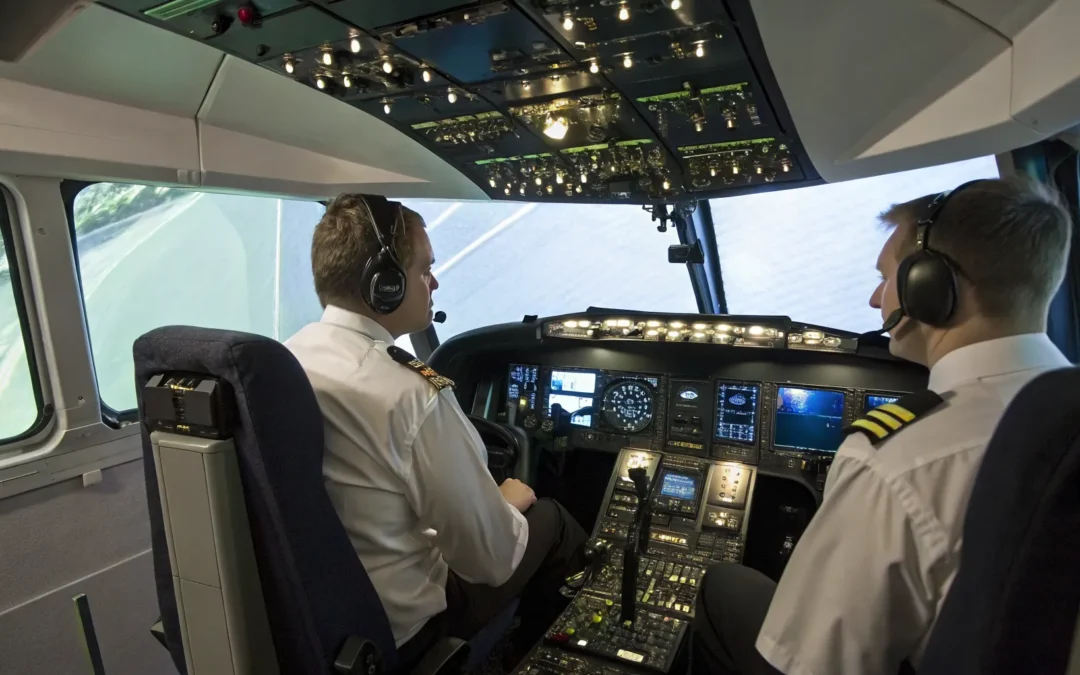
After reinforcing your theoretical knowledge, you’ll move into the full-flight simulator. This is where you’ll translate classroom learning into practical skill and rebuild your muscle memory. At Las Vegas Flight Academy, you’ll train in our Level D full flight simulators, which provide an incredibly realistic environment for practicing everything from pre-flight checks to complex emergency scenarios.
These sessions are all about hands-on practice. You’ll run through normal and abnormal procedures, practice instrument approaches, and manage in-flight failures under the guidance of your instructor. The goal is to regain the confidence and proficiency that only comes from actively flying the aircraft. The simulator allows you to do this in a safe, controlled setting, so you’re fully prepared for real-world operations.
Covering MCAS and Updated Safety Protocols
A critical part of modern 737 training involves a thorough understanding of the Maneuvering Characteristics Augmentation System (MCAS). Your requalification curriculum will include specific modules dedicated to this system. You won’t just learn the theory behind it; you’ll also experience its function and potential failure conditions firsthand in the simulator.
This training aligns with the latest FAA requirements, which specify that pilots must be taught about MCAS and its associated failures in a realistic flight simulation. By covering these updated safety protocols in detail, the program ensures you are current with all aspects of the aircraft. You’ll leave with a clear understanding of the system and the precise procedures for managing it, making you a safer and more knowledgeable pilot.
How Training Adapts to Your Time Away
Requalification training isn’t a one-size-fits-all program. The curriculum is designed to be flexible and adapt to your specific needs, which often depend on how long you’ve been away from the 737 cockpit. Whether you’ve been non-current for a year or several, the training will focus on the areas where you need the most work. Your instructors will assess your current proficiency and tailor the sessions to help you regain your flying experience effectively.
This personalized approach ensures your training time is used efficiently. If your instrument skills are a bit rusty, you’ll spend more time on approaches. If you need to refresh emergency procedures, that will be a point of emphasis. The ultimate objective is to rebuild your confidence and ensure you meet all proficiency standards, no matter your starting point.
Planning Your Training: Time, Cost, and Challenges
Getting back into the cockpit after some time away is a big step, and it’s smart to plan for it. Thinking through the time commitment, financial investment, and personal challenges ahead will set you up for a smooth and successful requalification process. The goal is to get you back to feeling confident and competent in the flight deck, and a little preparation goes a long way.
Let’s walk through what you can expect when it comes to the timeline, the budget, and the mental game of getting current again.
How Long Will Your Training Take?
One of the first questions pilots ask is about the time commitment. Generally, you can expect your B737 requalification training to last between three to eight days. The exact duration depends on your specific situation, especially how long it’s been since you last flew the aircraft. Some accelerated programs, which include the FAA oral and flight exam, can be completed in as few as four or five days. The key is that the training is tailored to you. A pilot who has been out of the cockpit for a year will have different needs than someone who has been away for five, and a quality FAA-approved program will adjust the curriculum accordingly.
Breaking Down the Costs
Requalification is an important investment in your career. The cost for a B737 type rating course can be around $12,900, though this varies between training centers. Think of this not just as a required expense, but as an investment in your proficiency and safety. The price typically covers ground school, simulator time, and instructor fees. When you’re evaluating options, make sure you understand exactly what’s included in the quote. A good training provider will be transparent about all costs, ensuring there are no surprises. This investment is what allows you to receive the focused, high-quality instruction needed to master the complexities of the B737 and operate it safely.
Overcoming Hurdles After a Break in Flying
If you have a B737 type rating but haven’t flown the aircraft recently, requalification training is designed specifically for you. It’s completely normal to feel like your skills are a bit rusty after a break. The purpose of this training is to refresh your knowledge and bring you back up to speed. It’s important to be realistic: the longer it’s been since your rating was current, the more training you will likely need to get requalified. The curriculum is built to bridge that gap, systematically reviewing procedures, systems, and emergency protocols to ensure you are fully prepared and meet all FAA requirements before you get back on the line.
Shaking Off the Rust and Rebuilding Confidence
It’s common to feel a little overwhelmed when you first start. You’re re-learning complex systems, memorizing checklists, and practicing flight maneuvers all at once. This is a normal part of the process. Your instructors are there to guide you, and the simulator is your best tool for rebuilding muscle memory. Simulator sessions are crucial for practicing how to handle potential failures, which demand quick thinking and seamless crew coordination. The hands-on training you’ll receive from experienced instructors is designed to shake off that rust, rebuild your confidence, and make you a sharp, proficient pilot once again.
How to Choose the Right Training Provider
Choosing where to complete your 737 requalification is a big decision. The right training provider sets you up for success, ensuring you regain your currency and confidence efficiently. When you’re comparing your options, it’s helpful to look beyond just the price tag. Focus on the quality of the program, the tools you’ll be using, and how the school supports your specific needs. Here are the key factors to consider to make sure you find the perfect fit.
Find a Comprehensive, FAA-Approved Program
First and foremost, your training provider must be FAA-approved. This isn’t just a formality; it’s your assurance that the curriculum, instructors, and facilities meet the highest standards for safety and quality. An approved program means your training will be recognized and that you’re learning the most current procedures. When researching schools, look for their certification. For example, Las Vegas Flight Academy is an FAA Approved Part 142 Training Center, which means our programs are rigorously vetted. Don’t hesitate to ask for a provider’s certificate number to verify their standing. This simple check ensures you invest your time and money in a legitimate, high-caliber program that gets you back in the cockpit safely.
Evaluate the Simulators and Instructors
The quality of your training tools and teachers will directly shape your experience. You’ll spend significant time in a simulator, so it’s critical that it’s up to par. Look for providers that use Level D full flight simulators, as these offer the most realistic experience. Just as important are the people guiding you. Great instructors have extensive real-world flight experience and a passion for teaching. They know how to adapt the training to your needs, especially after you’ve had a break from flying. At LVFA, we use advanced B737-300 and B737-800 simulators and our instructors are seasoned pilots dedicated to helping you succeed.
Look for Flexible Scheduling Options
As a working pilot, your schedule is already demanding. Finding a training provider that offers flexibility can make the requalification process much smoother. The last thing you need is a rigid program that adds stress to your life. Ask potential schools how they handle scheduling and if they can accommodate your specific timeline. A provider that understands the needs of pilots traveling for training will work with you to create an efficient plan. This flexibility is especially important for pilots coming from nearby states like California, Arizona, or Utah. A program that respects your time allows you to focus completely on your training while you’re there, making the entire experience more effective and enjoyable.
Consider the Location and Accessibility
Where you train matters. You need a location that is easy to get to and offers a comfortable environment for you to focus and relax. Consider travel logistics, accommodation options, and what the city has to offer during your downtime. Training can be intense, so having good options for dining and entertainment can help you unwind and stay sharp. Las Vegas is a major travel hub, making it easily accessible for pilots from the West Coast and beyond. Our location in a world-class city means you’ll have plenty of opportunities to decompress after a full day of training, ensuring you get the most out of your requalification experience.
Related Articles
- 14 CFR Part 142: The Ultimate Pilot’s Guide
- B737 800 Type Rating Cost: A Complete Breakdown
- Boeing 737 MAX Differences Training: A 2026 Guide
- How Much Does a 737 Type Rating Cost in 2026?
Frequently Asked Questions
How is requalification training different from the initial B737 type rating course I took? Think of your initial type rating as learning a new language from scratch. Requalification is more like a conversation course to get you fluent again after living abroad. It builds on the knowledge you already have, focusing on refreshing your skills, updating you on current procedures, and rebuilding your muscle memory in the cockpit. The program is much shorter and is tailored specifically to bring a previously qualified pilot back to proficiency.
What are the basic requirements to enroll in a 737 requalification program? To get started, you’ll need to show that you were previously qualified to fly the Boeing 737. This means you must hold a valid, unrestricted B737 type rating. You will also need to provide your pilot certificate, a government-issued photo ID, and your logbook to verify your flight history. The course is designed for pilots with existing experience, so these prerequisites ensure you have the right foundation.
How long will it take to complete the training and get current again? The time commitment is flexible and depends on how long you’ve been away from the flight deck. Most requalification programs last between three and eight days. A pilot who has been non-current for a year will likely need less time than someone who has been away for several years. A quality training center will assess your situation and create an efficient schedule that meets your specific needs.
I haven’t flown a 737 in years and feel rusty. Will the training be adjusted for me? Absolutely, and feeling rusty is completely normal. The entire point of requalification is to shake off that rust in a supportive and controlled environment. The curriculum is designed to be adaptable. Your instructors will work with you to identify areas that need more attention, whether it’s instrument procedures or emergency drills, and will tailor the simulator sessions to help you rebuild your confidence and skills at a comfortable pace.
Why should I prioritize training at an FAA-approved Part 142 center? Choosing an FAA-approved Part 142 training center is your best guarantee of quality. This certification means the school’s curriculum, simulators, and instructors have all been rigorously reviewed and meet the highest federal standards for aviation training. It ensures you are learning the most current safety protocols and operating procedures, and it confirms that your renewed rating will be fully compliant and recognized by airlines.