Your pilot certificate is your license to fly, but a type rating is your ticket to an airline career. While your commercial license proves you have the foundational skills, airlines need to know you can handle the specific, complex systems of the jets in their fleet. This is where the 737-800 type rating comes in. It’s a specialized endorsement that certifies you as a proficient pilot for one of the most popular commercial aircraft in the world. Earning this credential is a critical step that tells hiring managers you are not just a capable pilot, but an airline-ready professional prepared for the flight deck.
Key Takeaways
- A 737-800 type rating is a direct investment in your airline career: This specific FAA endorsement qualifies you to fly one of the world’s most common airliners, making you a highly competitive candidate for airlines seeking pilots who can quickly join their ranks.
- Certification is a structured process: It starts with meeting prerequisites, like holding the right licenses and flight hours, and then moves into a rigorous blend of ground school and hands-on simulator training to prepare you for the checkride.
- Choosing the right flight school is critical to your success: Prioritize FAA Part 142 certified centers with experienced airline instructors and a strong track record to ensure you get the best return on your training investment.
What is a 737-800 Type Rating and Why Do You Need One?
A type rating is your official qualification to fly a specific kind of aircraft, and the 737-800 rating is one of the most valuable credentials you can add to your pilot certificate. It’s a big step up, moving you from general aviation or smaller commercial planes into the flight deck of a modern jetliner. This certification is not just a suggestion; it’s a requirement for any pilot who wants to command an aircraft as complex and capable as the Boeing 737. Getting this rating shows airlines you have the specific skills needed to operate their fleet, making it a crucial milestone on your path to a successful career.
The Official Definition and FAA Requirements
Think of a type rating as a specialized endorsement on your pilot certificate that proves you’re qualified to act as pilot-in-command of a specific type of aircraft, in this case, the Boeing 737-800. The FAA requires a type rating for any aircraft with a maximum takeoff weight of over 12,500 pounds or any turbojet-powered aircraft. Before you can even begin training, you need to meet a few prerequisites. You must already hold a commercial pilot certificate with an instrument rating and have a multi-engine rating. This ensures you have the foundational skills and experience necessary to handle the complexities of a sophisticated jetliner. Earning your B737 Type Rating is a critical step in transitioning from smaller aircraft to the flight deck of a commercial airliner.
How It Opens Doors to Airline Careers
Earning a 737-800 type rating can significantly accelerate your journey to an airline career. The Boeing 737 family is one of the most widely used commercial aircraft fleets in the world, flown by countless major and low-cost carriers. When airlines are hiring, they often prefer pilots who already have this rating. Why? Because it saves them valuable time and resources on initial training. Holding the rating makes you a more attractive and versatile candidate, ready to enter their training pipeline with a head start. It demonstrates a serious commitment to your career and proves you have the capability to master complex aircraft systems at a certified training center. This single certification can put your resume at the top of the pile and open up job opportunities across the globe.
Type Ratings vs. Other Certifications: Key Differences
It’s important to understand how a type rating differs from other pilot certificates and ratings. Your private or commercial pilot license gives you the general authority to fly, while an instrument rating allows you to fly in low-visibility conditions. These are broad qualifications. A type rating, however, is highly specific. It certifies your expertise on a particular aircraft model. This level of specialization is exactly what airlines require. While your commercial license shows you can fly, your type rating shows you can fly their multi-million dollar jet. It’s a professional credential that signals you’re ready for the responsibilities of an airline transport pilot, a role that often begins with completing an ATP-CTP course.
Do You Qualify? Prerequisites for a 737-800 Type Rating
Earning a 737-800 type rating is a significant step in any pilot’s career, but it’s not one you can take on day one. Before you can get behind the controls of this incredible aircraft, you need to meet a specific set of requirements set by the FAA. Think of it as a checklist to ensure you have the foundational knowledge, experience, and fitness to succeed. Let’s walk through exactly what you’ll need to have in your logbook before you start your training.
Essential Licenses and Ratings You’ll Need
First things first, you need the right credentials. To be eligible for a 737 type rating, you must hold either a valid Commercial Pilot License (CPL) or an Airline Transport Pilot (ATP) license. This is the baseline that proves you have the fundamental skills of a professional pilot. Alongside your license, you absolutely must have an instrument rating. Flying a complex jet like the 737 in all sorts of weather conditions requires a deep understanding of instrument flight rules. These licenses and ratings are non-negotiable and form the bedrock of your qualifications for advanced ATP CTP training and type rating courses.
Meeting the Minimum Flight Experience
Beyond your licenses, you need to show you’ve spent meaningful time in the captain’s seat. The FAA requires you to have logged at least 70 hours as the pilot-in-command (PIC) of an airplane. This isn’t just about building hours; it’s about building decision-making skills and confidence that can only come from being responsible for an aircraft. For pilots transitioning from the military, there can be a more direct path. For instance, if you have recent PIC experience on an aircraft like the U.S. Navy’s P-8 Poseidon, which shares a platform with the 737, you may qualify for a shorter, condensed training course for your B737 type rating.
Medical and English Proficiency Standards
Finally, your qualifications go beyond your flying skills. You must hold a valid Class 1 Medical Certificate, which confirms you are in good health and medically fit to operate an aircraft safely. This is a standard requirement for all airline pilots. Additionally, clear communication is critical in the cockpit and with air traffic control. You must demonstrate English proficiency at ICAO Level 4 or higher. This ensures that all flight communications are clear, concise, and understood by everyone on the frequency, which is especially important for our international students who come to train with us from all over the world.
A Look Inside the 737-800 Type Rating Training
Earning your 737-800 type rating is a structured and intensive process that blends deep theoretical knowledge with practical, hands-on skill. Think of it as two sides of the same coin: you can’t fly the plane effectively without first understanding exactly how it works. The training is designed to be thorough, taking you from classroom lessons on complex systems to realistic sessions in a full-flight simulator.
Every step is designed to build upon the last, ensuring you have the confidence and competence to handle the aircraft in any situation. This isn’t just about passing a test; it’s about preparing you for a successful career in the right seat of a Boeing 737. At a certified training center, the entire curriculum is geared toward one goal: making you a safe, proficient, and hireable pilot. The journey is demanding, but the structure is there to guide you from start to finish, culminating in the checkride that officially adds the rating to your pilot certificate.
Master the Theory: Ground School and Systems
Before you can even think about touching the controls, you need to understand the Boeing 737 inside and out. That’s where ground school comes in. This phase is your deep dive into the aircraft’s complex systems, from hydraulics and electrics to the flight management computer (FMC). The goal is to build a strong mental model of the airplane so you can anticipate its behavior and make smart decisions in the cockpit. A quality B737 type rating program combines classroom instruction with interactive learning to ensure you truly grasp the material, not just memorize it. This foundational knowledge is what makes your simulator time productive and effective.
Take the Controls: Full-Flight Simulator Sessions
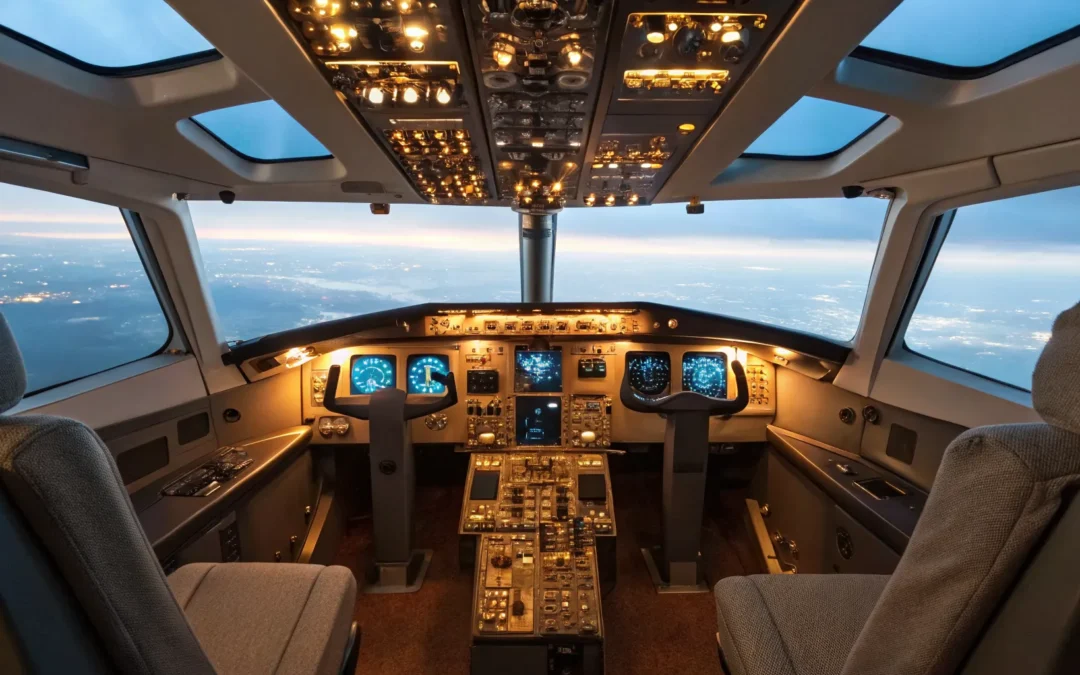
This is where theory meets reality. Full-flight simulator sessions are the heart of your type rating training, allowing you to apply everything you learned in ground school in a highly realistic, zero-risk environment. You’ll practice everything from standard operating procedures and takeoffs to handling complex emergencies like engine failures and rapid depressurizations. The simulators are so advanced they replicate the look, feel, and flight dynamics of the actual aircraft. This hands-on practice is critical for building muscle memory and developing the decision-making skills you’ll need on the line. It’s an essential part of any FAA-approved flight training, giving you hours of valuable experience before you ever step into a real 737 cockpit.
Ace Your Exam: Preparing for the Checkride
All your hard work in ground school and the simulator leads to the final hurdle: the checkride. This is your practical exam, administered by an FAA examiner, and it consists of an oral portion and a flight evaluation in the simulator. The oral exam will test your systems knowledge, while the simulator session will assess your ability to fly the aircraft safely and proficiently through various maneuvers and emergency scenarios. A well-structured training program is designed to prepare you specifically for this day. The entire curriculum is built to ensure you have the knowledge and skills needed to demonstrate your competence and officially earn your type rating.
Overcoming Common Training Challenges
Let’s be honest: earning a 737 type rating is challenging. The training is fast-paced and the amount of information you need to absorb can feel overwhelming. It’s completely normal to feel the pressure. The key to success is staying organized, managing your time effectively, and leaning on your instructors for support. Don’t be afraid to ask questions or request extra help on a topic you’re struggling with. The best training centers have a supportive team of instructors who are invested in your success. Remember that every airline pilot has gone through this same rigorous process, and with focus and dedication, you can too.
Investing in Your Career: The Cost of a 737-800 Type Rating
Earning a 737-800 type rating is a major step in your aviation career, and it comes with a significant financial commitment. It’s best to think of it not as a cost, but as a direct investment in your future. This certification can make you a highly competitive candidate for major airlines, opening up opportunities that justify the upfront expense. The price includes intensive ground school, extensive simulator training, and the final checkride. Understanding the costs and how to manage them is the first step toward getting into the cockpit of one of the world’s most popular airliners.
Understanding the Price Tag
The cost for a B737 type rating can vary quite a bit, but you can generally expect to invest between $15,000 and $20,000. The final price depends on the flight school, its location, and the specifics of the training package. For example, some schools offer a lower price if you sign up with a training partner. It’s crucial to get a detailed breakdown of what the fee covers. Most standard packages include ground instruction, simulator sessions, and the examination fee. However, things like housing, transportation, or additional training if you need more time are not always included. Always ask for a complete list of costs before you commit.
Your Guide to Financing and Payment Plans
Paying for your type rating out-of-pocket isn’t the only option. Many flight schools understand this is a substantial investment and offer payment plans to help spread out the cost. It’s always a good idea to speak directly with the school’s admissions team to see what they offer. Some pilots secure personal loans through banks or credit unions that have experience with funding flight training. For international students, planning your finances is especially important, as you’ll need to provide proof of funds to cover your training and living expenses when applying for your visa. Start these conversations early so you can create a solid financial plan.
Exploring Employer Sponsorships and Airline Partnerships
One of the best ways to cover the cost of a type rating is to have an airline pay for it. Many regional and major airlines offer to sponsor new-hire pilots through the type rating process as part of their employment contract. This usually requires a training bond or a commitment to fly with the airline for a specific period. Alternatively, having the B737 type rating already on your license makes you a much more appealing candidate during the hiring process. Because the Boeing 737 is so widely used, airlines are always looking for qualified pilots, and you can often move to the front of the line.
Pro Tips for Saving on Your Training
While you should never cut corners on quality, there are smart ways to manage the cost of your type rating. First, consider training with a partner. Many schools offer a significant discount for paired pilots because it makes simulator scheduling more efficient. If you have previous experience flying Boeing aircraft, ask if the school can offer a shortened course. Your existing knowledge could reduce the required training hours and save you money. Finally, look for a program that fits your specific needs. A high-quality, focused B737 type rating program that gets you certified efficiently is often the most cost-effective choice in the long run.
Choosing the Right Flight School for Your 737-800 Type Rating
Picking the right flight school is one of the most critical decisions you’ll make in your aviation career. This choice goes beyond just finding a program; it’s about finding a partner that will equip you with the skills, confidence, and credentials to land a job in the right seat of a Boeing 737. The quality of your training directly impacts your performance in airline interviews and on the line. To make the best decision, you need to look closely at a school’s certifications, the depth of its training program, its location, and the experience of its instructors.
Why FAA Part 142 Certification is Non-Negotiable
When you see that a school is an FAA Part 142 certified training center, you know it meets the highest standards for curriculum, personnel, and facilities. This isn’t just a piece of paper; it’s a guarantee that the training environment is rigorously monitored and approved by the Federal Aviation Administration. Airlines prioritize hiring pilots who have trained under these stringent standards because it ensures a consistent and high level of proficiency. An FAA-approved course is essential for your type rating to be recognized and valued by major carriers. Settling for anything less can put you at a significant disadvantage in a competitive job market.
Key Factors to Consider in a Training Program
Beyond certification, the specifics of the training program matter immensely. A top-tier program will offer a balanced curriculum that includes in-depth ground school, systems integration training, and extensive time in a Level D Full Flight Simulator. Look for a school that provides a clear, structured syllabus for its B737 Type Rating courses. Does the program include enough simulator sessions to make you feel truly confident with normal and non-normal procedures? A comprehensive course is designed not just to help you pass the checkride, but to prepare you for the real-world demands of flying for an airline, making you a more desirable candidate for any pilot roster.
The Benefits of Location and Flexible Scheduling
Practical considerations like location and scheduling can make a huge difference in your training experience. A conveniently located school can save you significant time and money on travel and accommodations. For pilots on the West Coast, finding a West Coast ATP-CTP provider means less time spent on cross-country flights and more time focused on your training. It’s also wise to ask about scheduling flexibility. The best schools understand that many pilots are balancing training with other commitments and will work with you to create a schedule that fits your life, allowing you to complete your rating efficiently without unnecessary stress.
Evaluating Instructors and Success Rates
The person in the instructor’s seat has a massive impact on your success. You want to learn from seasoned professionals who have been where you want to go. Look for a flight school whose instructors are experienced airline captains with thousands of hours in the aircraft. These mentors bring invaluable, real-world insights into the cockpit that you simply can’t get from a textbook. Don’t hesitate to ask about the school’s instructors and their backgrounds. A school’s reputation is built on the success of its graduates, so look for testimonials and a track record of placing pilots with major airlines.
Related Articles
- How Much Does a 737 Type Rating Cost in 2026?
- B737 800 Type Rating Cost: A Complete Breakdown
- Boeing 737 Type Rating | West Coast Part 142 Training | Las Vegas Flight Academy
- Boeing 737 Type Rating & Recurrent Training | Las Vegas
- How to Find the Cheapest 737 Type Rating (Safely)
Frequently Asked Questions
How long does the 737-800 type rating course typically take to complete? The entire process, from the start of ground school to your final checkride, is quite intensive and usually takes about three to four weeks of full-time commitment. The exact timeline can vary slightly based on the specific program schedule and your individual progress, but it’s designed to be an efficient and focused period of training that gets you qualified without unnecessary downtime.
Is it better to get the type rating on my own or wait for an airline to sponsor me? This is a big career strategy question with no single right answer. Paying for the rating yourself makes you a very strong candidate for a wider range of airlines, as you arrive ready to fly their aircraft. It shows initiative and can put you ahead of other applicants. Waiting for airline sponsorship saves you the upfront cost, but it often comes with a multi-year commitment to that specific carrier. You have to weigh the investment against the flexibility you want in your career path.
What happens if I struggle with a part of the training or fail the checkride? It’s completely normal to find certain aspects of the training challenging; it’s a demanding course. A quality training center won’t just leave you behind. Instructors will provide additional instruction and simulator time focused on the areas where you need more practice. If you aren’t successful on your first checkride attempt, the school will work with you on a plan for remedial training to ensure you are confident and proficient before your next attempt.
Does the training take place in a real Boeing 737 aircraft? No, the flight portion of your training and the checkride are conducted in a Level D Full Flight Simulator. These simulators are incredibly realistic, replicating the exact look, feel, and flight dynamics of the 737-800. This approach is the industry standard because it allows pilots to safely and effectively practice a wide range of emergency procedures and complex scenarios that would be impossible to replicate in an actual aircraft.
I have my Commercial Pilot License but not an ATP. Can I still get a 737 type rating? Yes, you can. The minimum license requirement to begin type rating training is a Commercial Pilot License with multi-engine and instrument ratings. Many pilots complete their B737 type rating concurrently with or just after their Airline Transport Pilot Certification Training Program (ATP-CTP), as both are essential steps toward flying for a major airline.